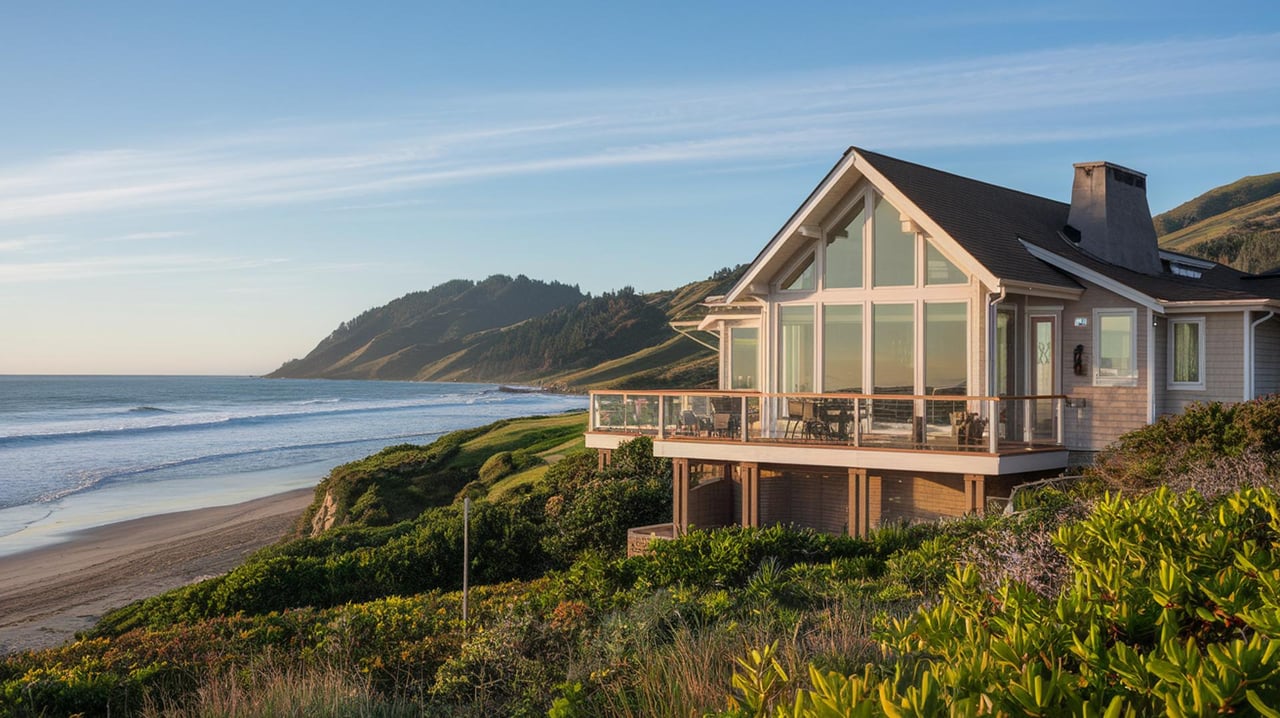
Thinking about adding a backyard cottage, rental studio, or in-law suite to your Sebastopol property? You are not alone. California has made it easier to build accessory dwelling units, and many Sonoma County homeowners are exploring ADUs for flexibility and income. In this guide, you will learn what counts as an ADU, how local rules apply in Sebastopol, what to check first, and the path from idea to permit. Let’s dive in.
What an ADU is and why it matters
An accessory dwelling unit is a small, self-contained home on the same lot as your primary residence. It can be detached, attached, or created by converting existing space. A junior ADU uses a portion of your main home and is typically 500 square feet or less.
In Sebastopol, an ADU can help you:
- Create flexible living space for multigenerational needs.
- Generate long-term rental income within local rules.
- Add functional value to your property, depending on neighborhood demand.
Start here: Can you build one?
Before you sketch plans, confirm these basics for your specific parcel:
- Jurisdiction: Are you inside Sebastopol city limits or in unincorporated Sonoma County? Your answer sets the rules and permit office.
- Zoning: Identify your zoning and objective ADU standards for that zone. Confirm setbacks, height, and lot coverage.
- Utilities: Verify if you are on city sewer or a private septic system. Septic capacity can limit ADU size or trigger upgrades.
- Overlays: Check for historic or design review areas that may affect exterior style or materials.
- HOA: Review any covenants that add restrictions.
- Fire requirements: Ask your local fire agency about defensible space, access, and ignition-resistant construction.
- Rental rules: If you plan to rent, review local short-term rental and long-term rental requirements.
- Utility capacity: Ask about water meter size, sewer connection fees, and any needed electric or gas upgrades.
Always confirm current numeric thresholds, fees, and owner-occupancy rules with the City of Sebastopol or Sonoma County before you invest in design work.
ADU types that fit Sebastopol lots
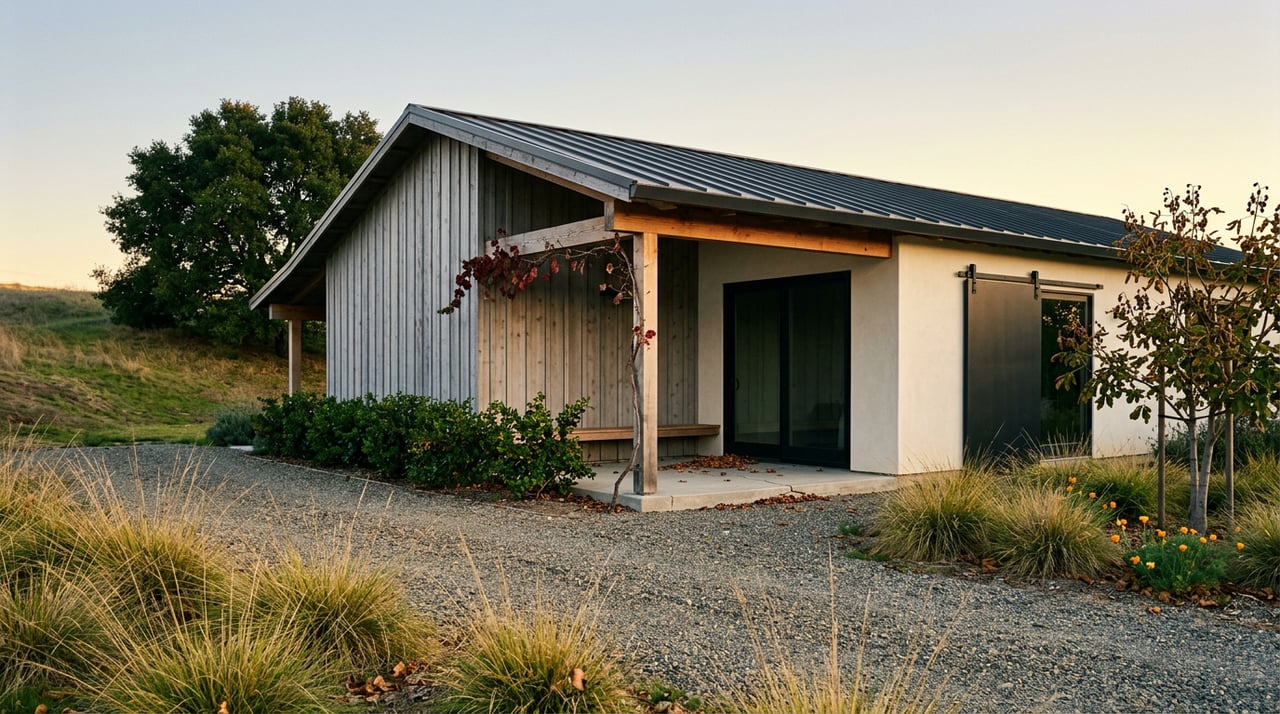
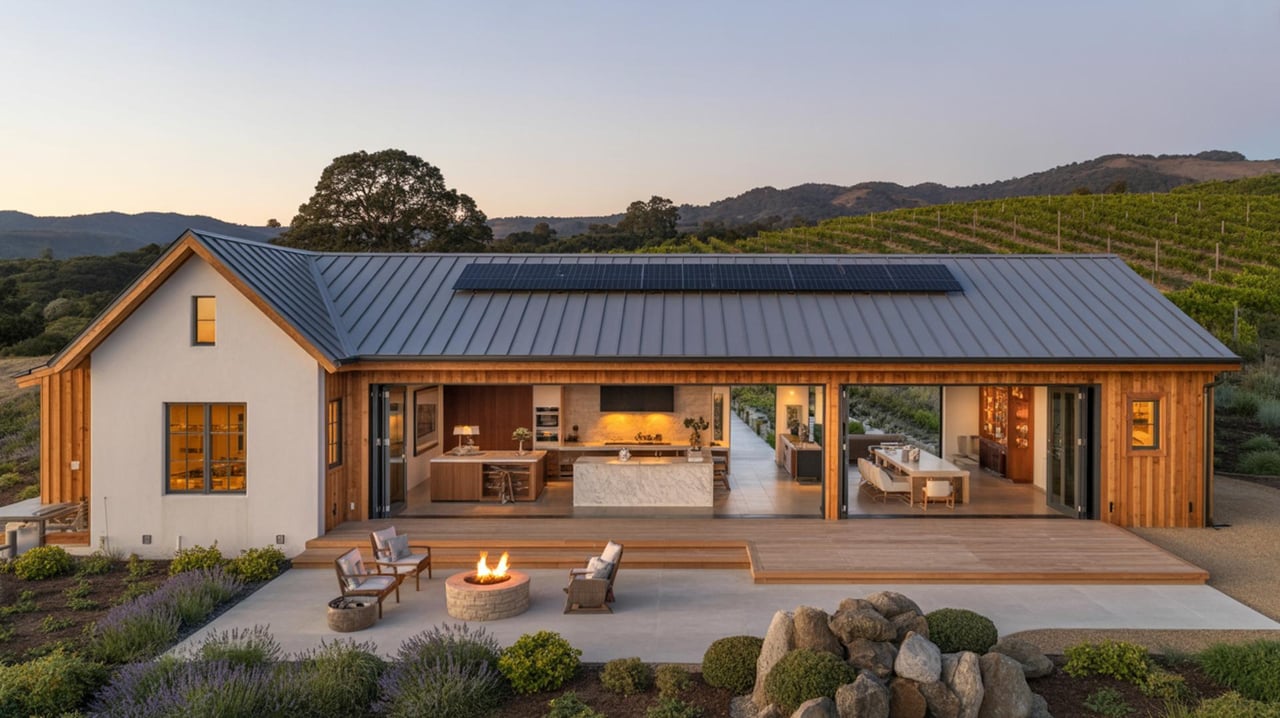
Detached ADU
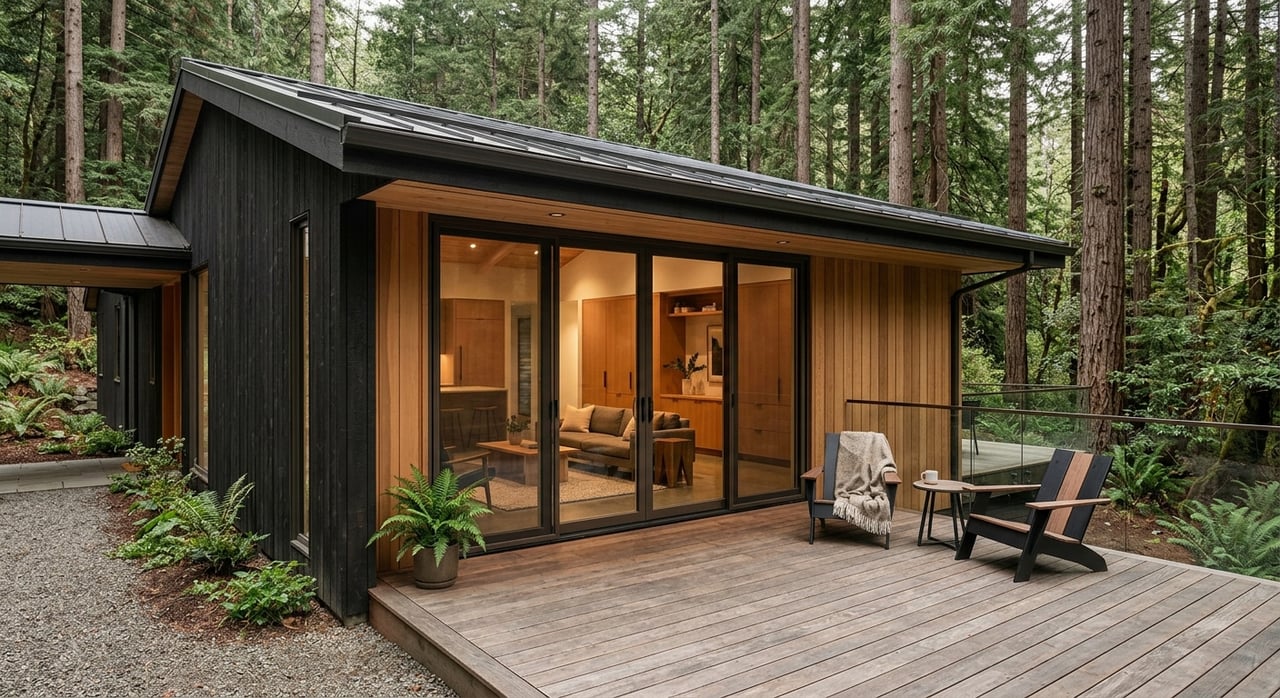
A separate small cottage works well on larger or well-shaped lots. It offers the most privacy and flexibility, but it often costs more than a conversion.
Attached ADU
This is an addition to your main home. It can be efficient for utilities and cost, while still creating independent living space.
Converted accessory structure
Converting a garage, barn, or studio can be the fastest path if the structure and location meet code. Plan for structural upgrades and utility routing.
Junior ADU
A JADU uses existing space within your home, often 500 square feet or less. It is typically simpler to permit than a detached build. Confirm exact size and kitchen requirements with planners.
Design and siting tips
- Setbacks and height: Local code governs how close you can build to side and rear property lines. Some reduced setbacks may be allowed for ADUs, so confirm the latest numbers.
- Privacy and light: Use window placement, screening, and landscaping to protect neighbors’ privacy and your own.
- Parking and access: Some ADUs are exempt from new parking in specific situations, such as near transit. Still, consider driveway access and on-street conditions.
- Drainage and grading: Plan grading so the ADU does not create runoff on small lots.
- Utilities routing: Shorter runs for sewer, water, and power reduce cost. Plan locations for water heater, HVAC, and laundry with noise in mind.
Wildfire hardening and landscaping
Wildfire and defensible space requirements are part of building in Sonoma County. Expect to:
- Use ignition-resistant exterior materials and ember-resistant vents where required.
- Maintain defensible space by clearing vegetation and spacing plantings.
- Provide adequate access for emergency vehicles if your site requires it.
Your local fire agency can confirm specific materials, clearances, and access standards for your address.
The permitting roadmap
Here is the typical path to approval and construction:
- Pre-application consult: Speak with City of Sebastopol Planning or Sonoma County PRMD to confirm zoning, sewer or septic status, overlays, and required submittals.
- Site assessment and preliminary design: Engage an architect or designer to draft a site plan, floor plan, elevations, and initial utility plan.
- Engineering and technical reports: Structural plans, foundation details, and soils or septic evaluations as needed.
- Application and plan check: Submit plans for building permit review. Expect iterations for corrections and code compliance.
- Permits and construction: Pull permits and proceed with inspections for foundation, framing, rough systems, and finals.
- Final inspection and occupancy: Receive final approval so you can occupy or rent the unit.
Agencies typically review zoning compliance, parking, utilities, drainage and tree protection, energy code, and fire access. Title 24 energy requirements apply. Some projects may require solar readiness and electrification considerations.
Septic versus sewer: Why it matters
If you are on septic, plan for a capacity evaluation early. Health or environmental agencies may limit your ADU size, require system upgrades, or direct you to connect to sewer if available. Sewer extensions, laterals, and connection fees can add cost and time, so request estimates during planning.
Costs, financing, and timelines
What drives cost
- New detached builds usually cost more than garage conversions or JADUs.
- Utility work adds up, especially trenching and sewer laterals.
- Septic upgrades or replacements can be significant.
- Site work such as grading, retaining walls, driveway changes, and foundation complexity increases costs.
- Wildfire hardening and defensible space may require specific materials and labor.
Financing options to explore
- Home equity loans or lines of credit.
- Cash-out refinance or construction loans.
- Specialized ADU loan products from select lenders.
- Periodic state or local programs with low-interest financing or grants. Availability changes, so check current offerings.
Construction is a capital improvement that can affect assessed value, and rental income is taxable. Speak with your tax advisor. Notify your insurer before construction, and discuss coverage for rental use if you plan to lease the unit.
Timeline expectations
Project timing varies by scope and local workload. A garage conversion or JADU can move faster than a ground-up detached unit. Plan for months to complete planning and permits, and more months for construction, depending on complexity and review cycles.
Rental and occupancy basics
ADUs can support owner use, long-term rentals, or in some cases short-term rentals. Local ordinances control short-term rental eligibility, registration, and taxes, so verify rules for your address. Long-term rentals follow state landlord-tenant laws, and local just-cause or rent rules may apply depending on jurisdiction.
Common pitfalls and how to avoid them
- Septic surprises: Do not assume capacity. Order a septic evaluation early. If sewer is nearby, verify lateral and fees.
- Fire and access issues: Confirm defensible space and access with your fire agency, and budget for ignition-resistant materials.
- Underestimated utility costs: Get quotes for water, power, and sewer work early.
- Design triggers extra review: Check for historic or design overlays and use a designer who knows local review.
- Timeline creep: Build in time for plan-check corrections and agency responses.
Your next steps and who to call
Use this quick checklist to move forward with confidence:
- Confirm city versus county jurisdiction for your parcel.
- Pull zoning, ADU standards, and any overlays for your address.
- Verify sewer or septic status and capacity.
- Contact City of Sebastopol Planning or Sonoma County PRMD for pre-application guidance.
- Consult your local fire agency on defensible space and construction requirements.
- Review HOA rules if you have them.
- Order a site survey and map trees, easements, and drainage.
- Hire an ADU-experienced architect and contractor.
- Request an itemized estimate that separates utility, septic, site work, and building costs.
- Speak with a lender, insurance agent, and tax advisor.
Building an ADU in Sebastopol can be a smart, flexible way to add space or income. If you want a grounded read on neighborhood demand, rental potential, and resale implications, reach out to Thera Buttaro for local insight and a practical plan.
FAQs
How do I know if my Sebastopol lot can support an ADU?
- Start by confirming jurisdiction, zoning, setbacks, and whether you are on sewer or septic, then discuss feasibility with planning staff and a local designer.
What if my property is on septic in Sonoma County?
- You will need a septic capacity evaluation, and you may face size limits or upgrade requirements, or a sewer connection if capacity or location requires it.
How long does ADU permitting take in Sebastopol?
- Timelines vary by scope and agency workload, but you should plan for months of plan review and permitting, followed by months of construction.
Can I convert my garage into an ADU in Sebastopol?
- Often yes, subject to zoning, parking, and structural upgrades; a designer can assess feasibility and help with required plans.
Will building an ADU raise my property taxes?
- Construction typically affects assessed value, which can change your tax bill; consult the county assessor or your tax advisor for specifics.
Are short-term rentals allowed for ADUs in Sebastopol?
- Rules vary by location and may require registration and taxes; confirm current short-term rental regulations for your address before you plan on nightly rentals.
What financing options are common for ADUs?
- Many owners use home equity loans, refinances, construction loans, or specialized ADU products, and some programs may offer incentives when available.