If your Salmon Creek rental fills fast in July but sits quiet in January, it is not random. The coast runs on a clear seasonal rhythm shaped by weather, school calendars, local events and even the timing of whale migration. When you understand that cycle, you can price smarter, plan maintenance with less stress, and protect your returns. Here is how seasonality actually works on the Sonoma Coast and what to adjust so you win year‑round. Let’s dive in.
Why Salmon Creek draws travelers
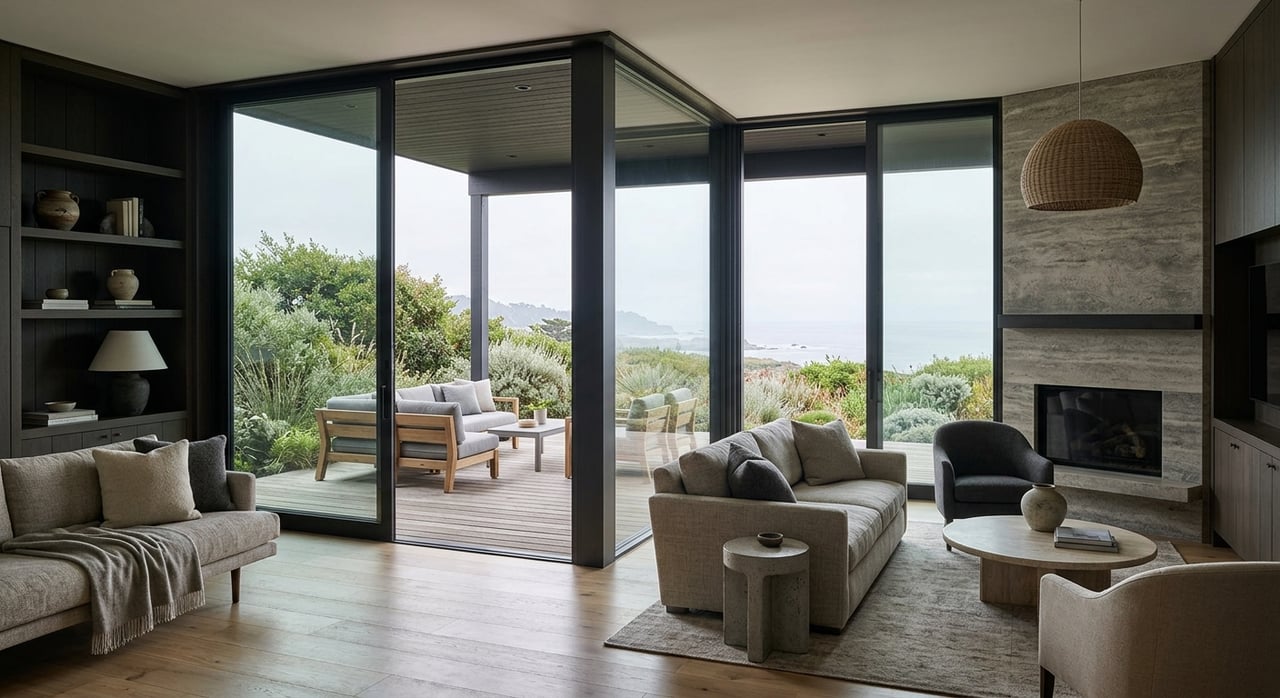
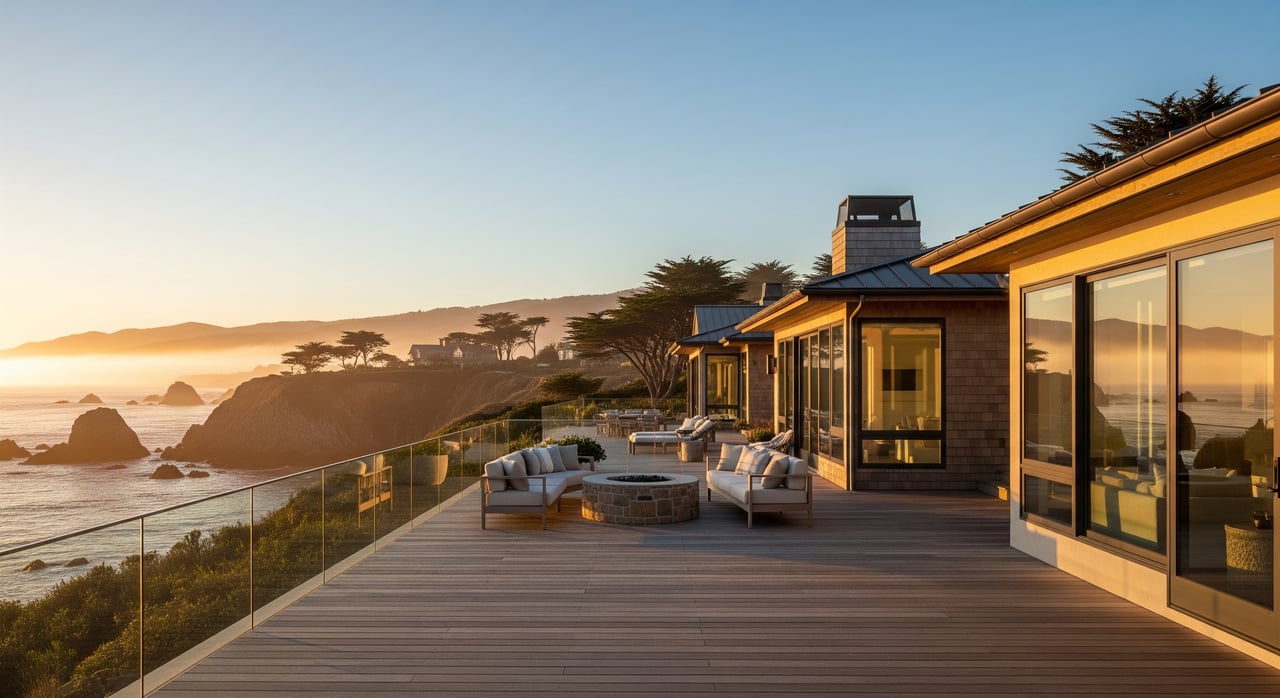
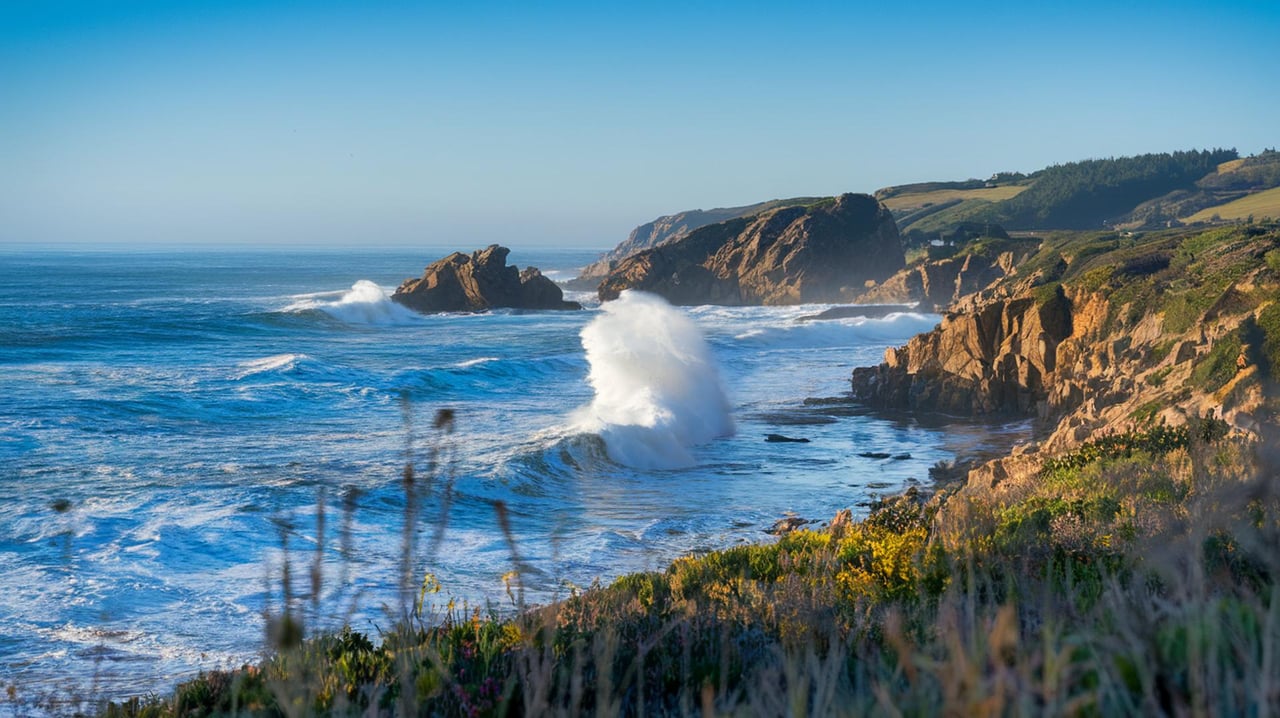
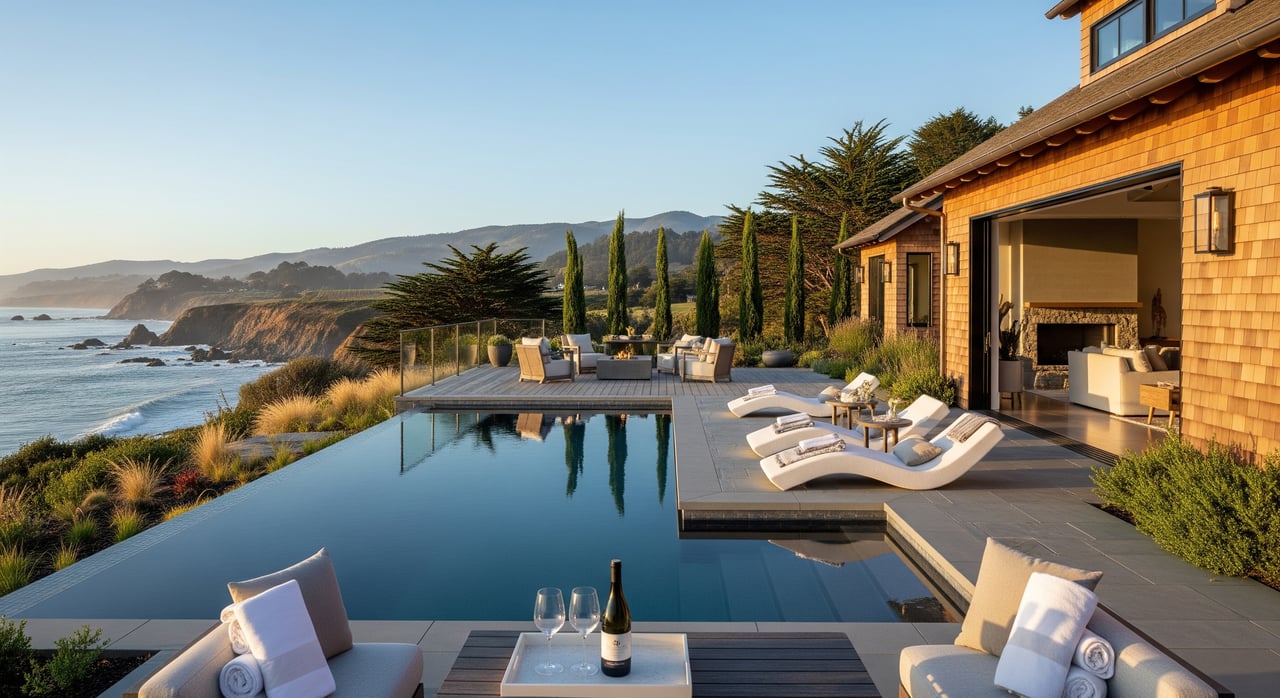
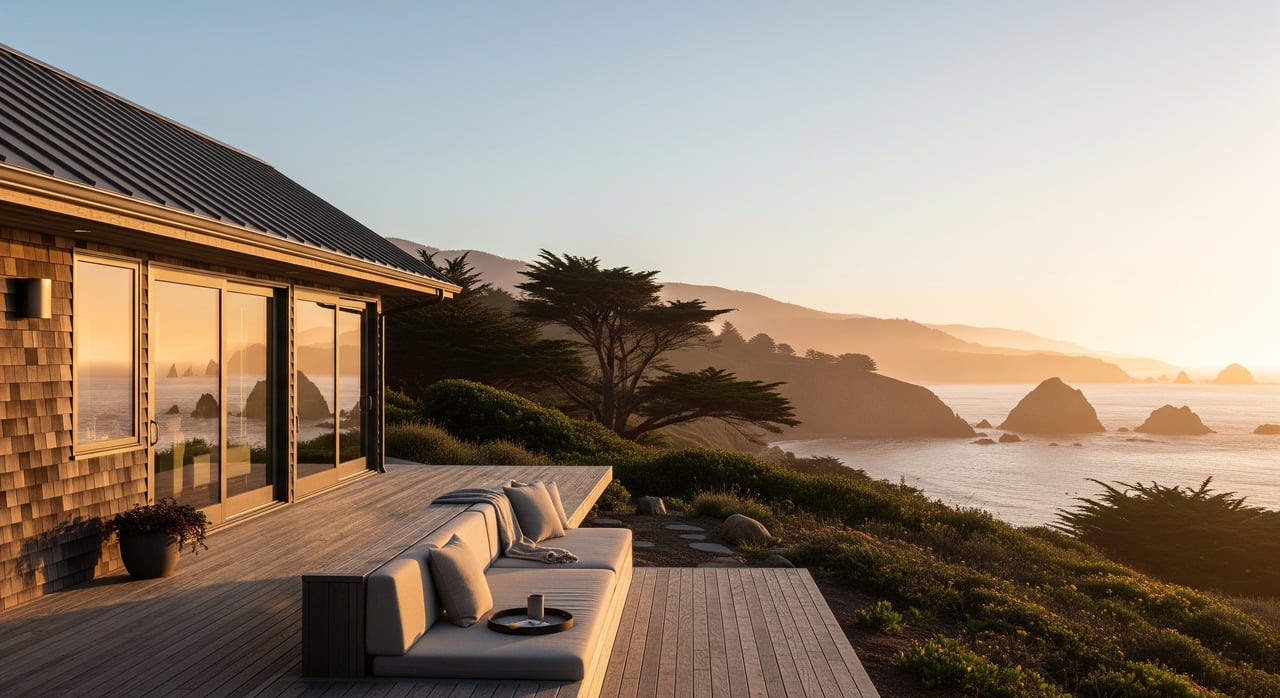
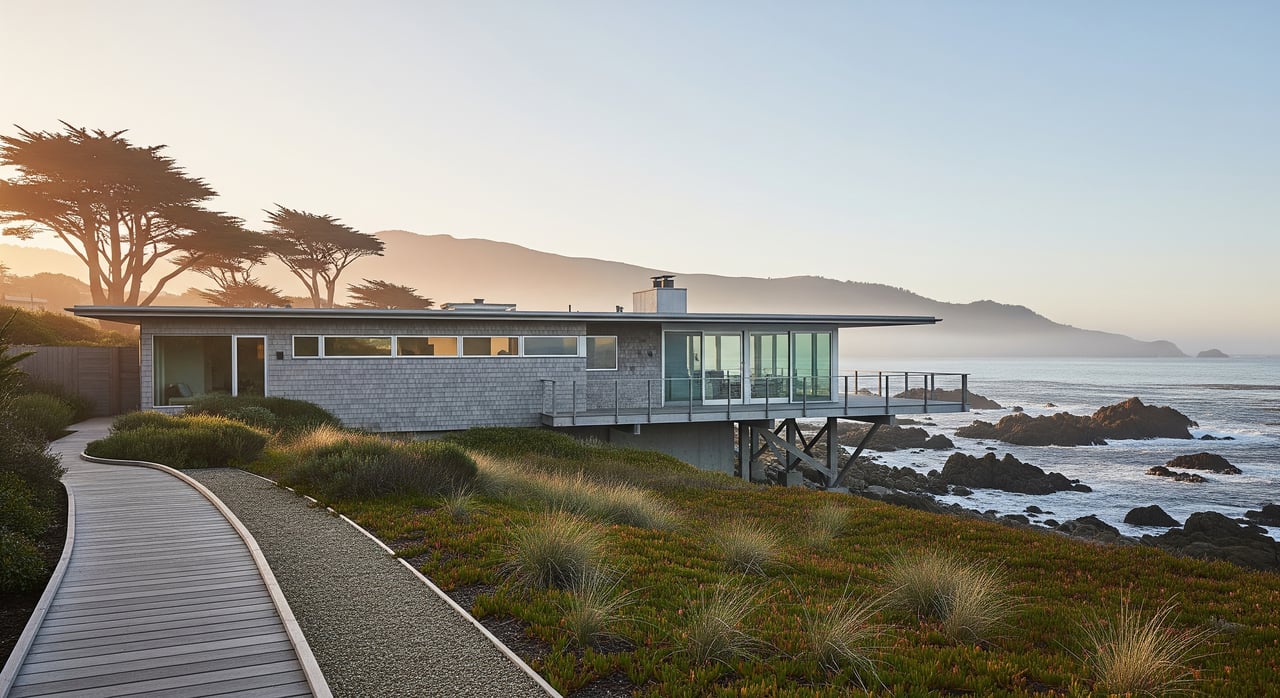
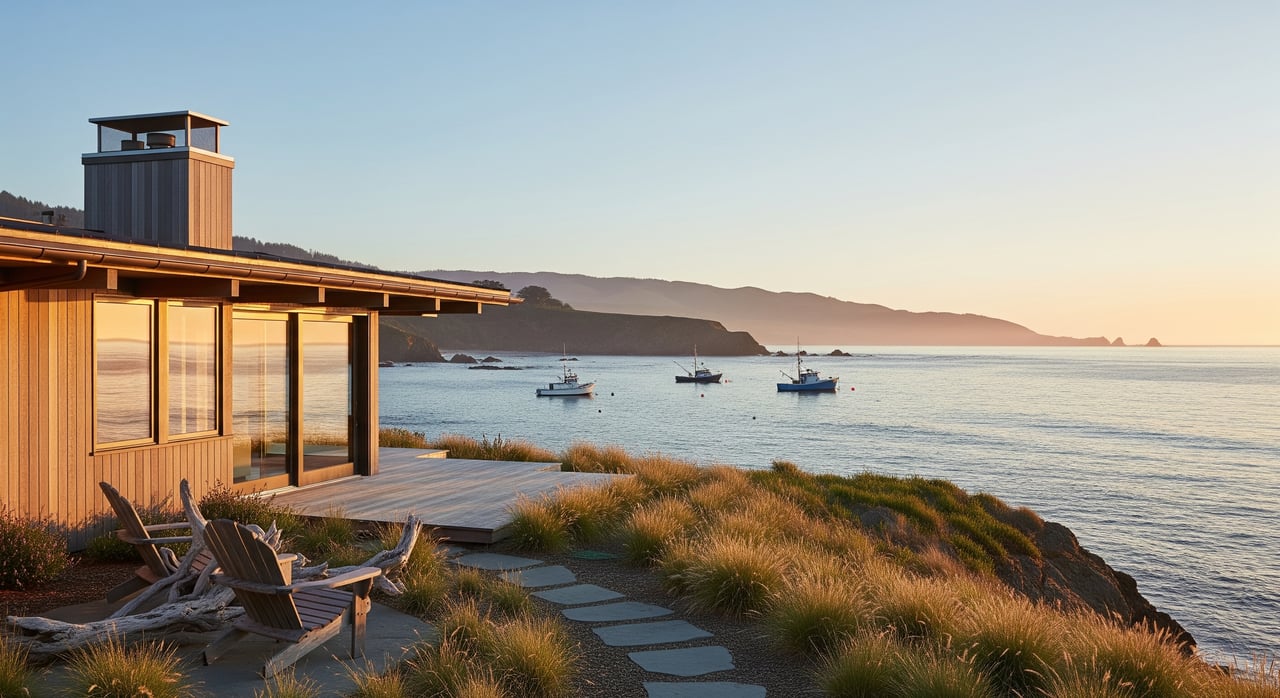
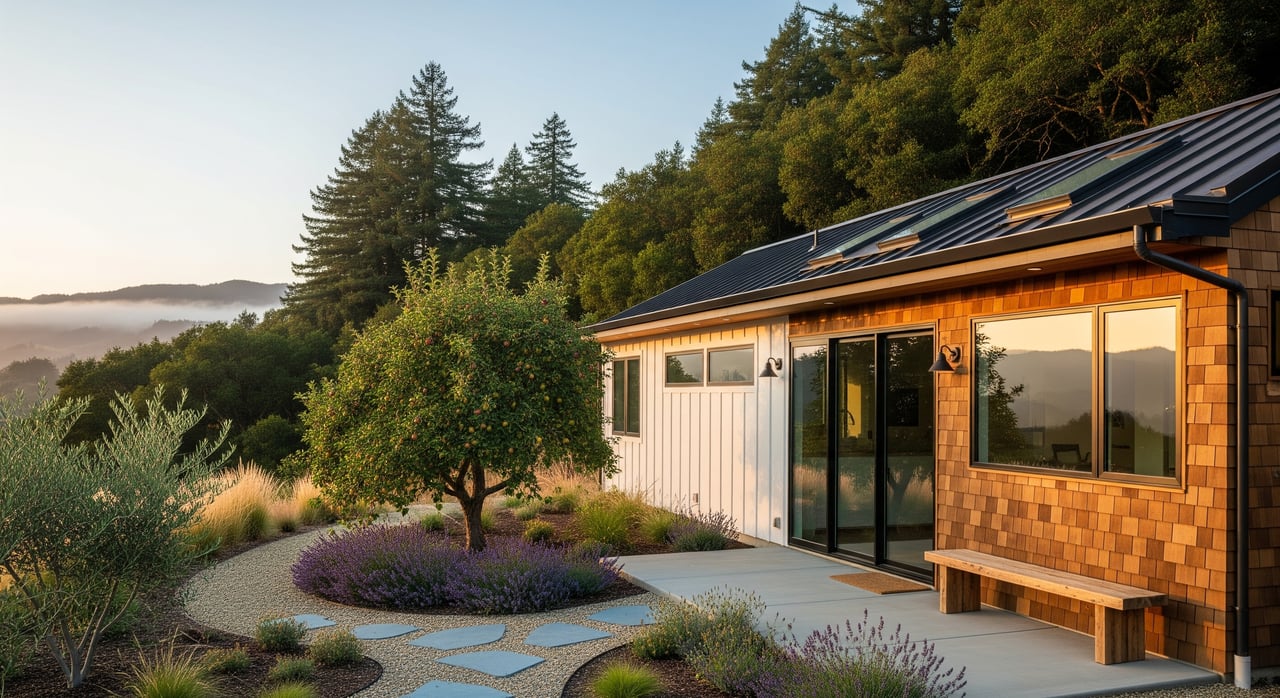
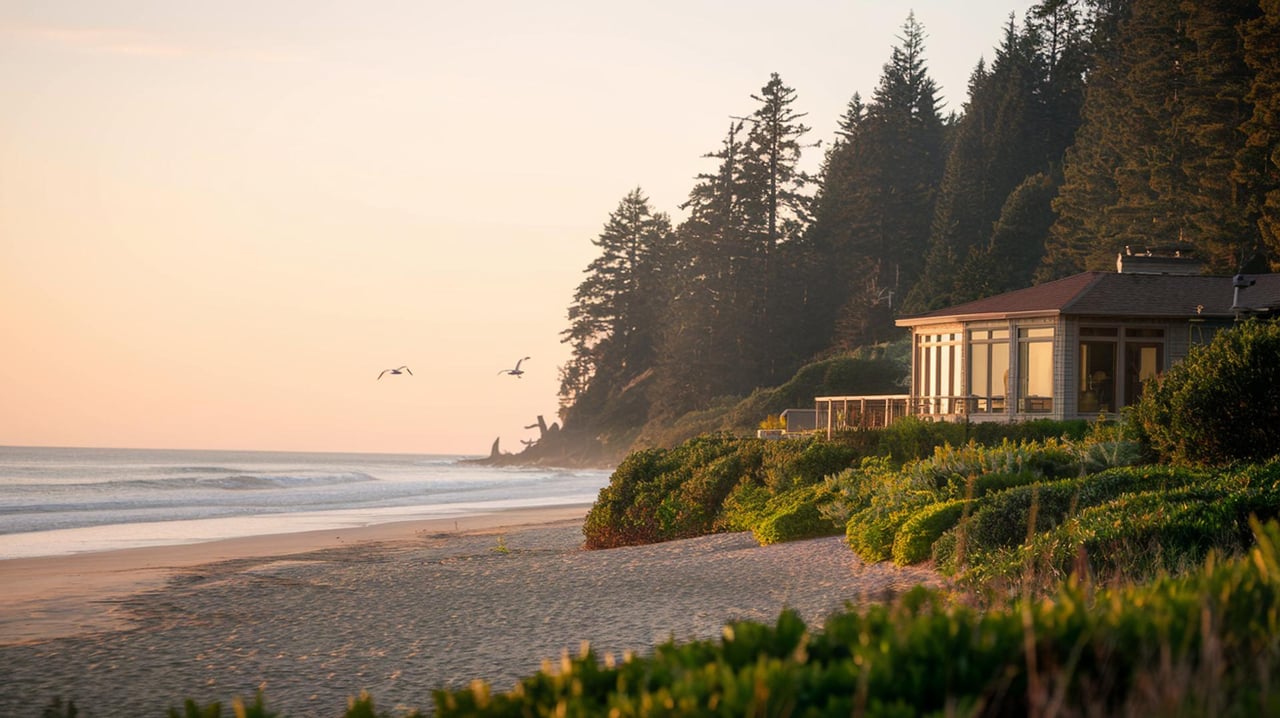
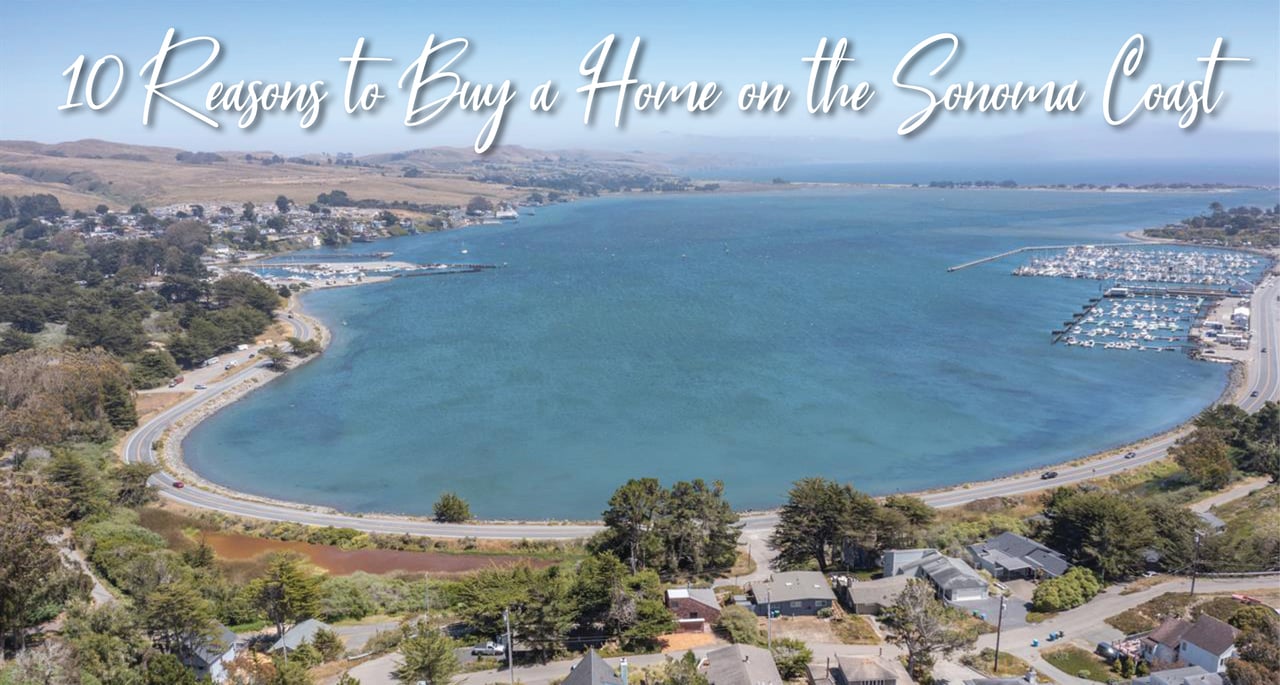
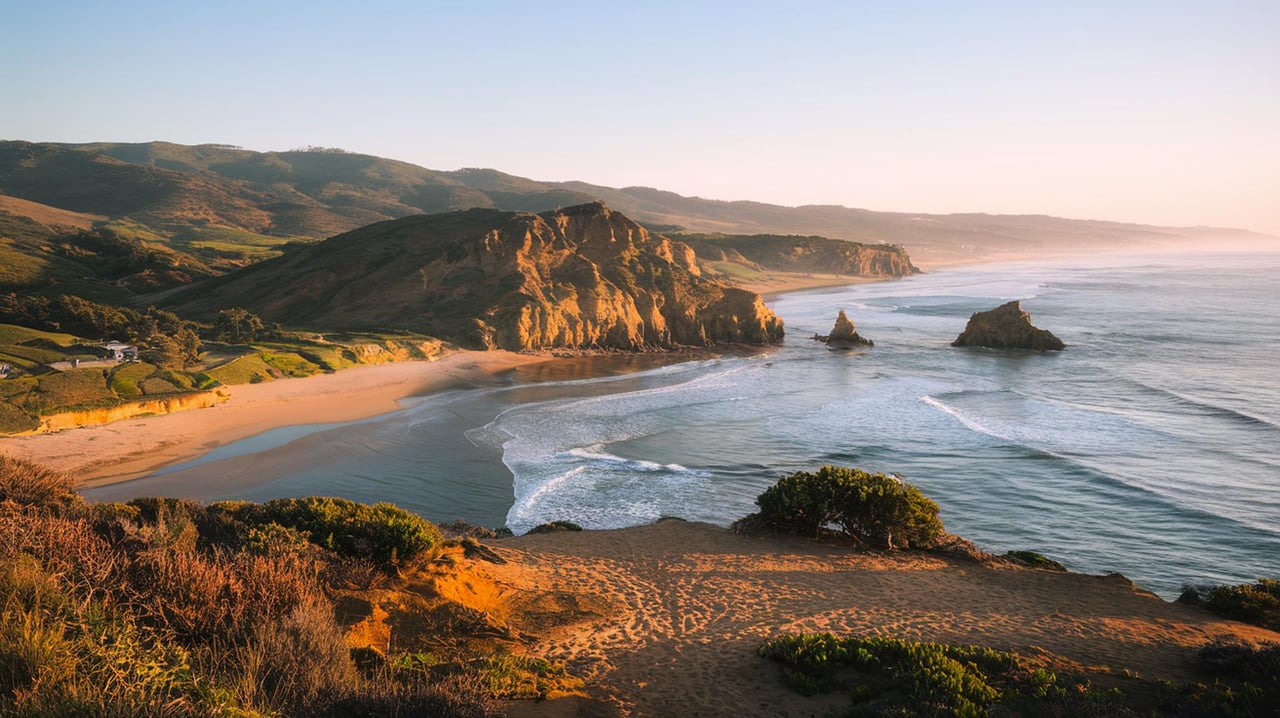
Salmon Creek sits between Jenner and Bodega Bay, with North and South Salmon Creek beaches inside Sonoma Coast State Park. Those wide sandy stretches, a summer lagoon and nearby surf spots are the core reasons guests come. Learn more about the community in the overview of Salmon Creek, California.
The coast’s climate is mild year‑round with a dry summer, wetter winter, and frequent morning fog that burns off many days. These patterns push traditional beach demand into summer and shoulder months, while winter brings storm activity and niche interest like gray‑whale viewing. You can see typical temperature and rainfall trends in the Bodega Bay climate normals.
Seasonality and demand patterns
Summer peak: June to August
Summer is your highest occupancy and strongest rate period. Families and beach travelers target long weekends and full‑week bookings, and they plan early. Market snapshots for nearby Bodega Bay show summer as the top‑earning season with the highest occupancy and ADRs, which supports weekly minimums and premium pricing on core weeks. See the seasonal pattern in the Bodega Bay market summary.
Shoulder seasons: spring and fall
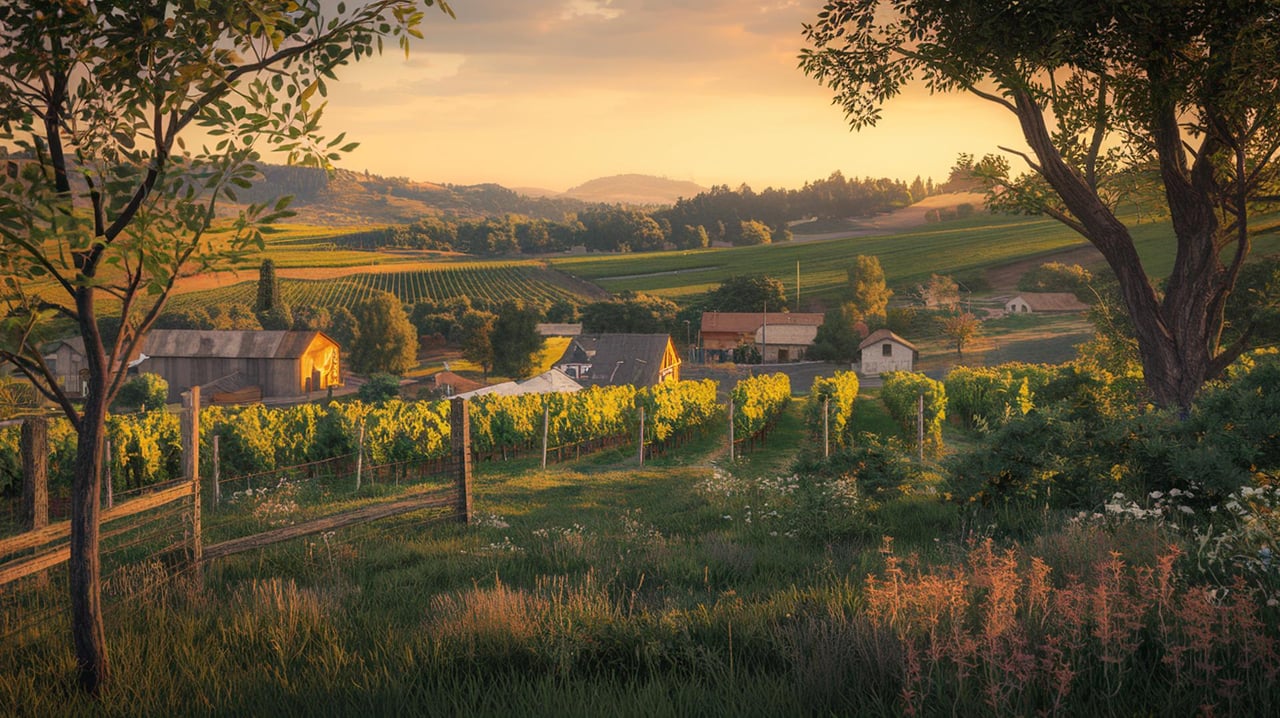
Spring (March to May) and fall (September to October) bring strong weekends and solid midweek opportunities. Spring delivers wildflower walks and early whale migration viewing, while fall benefits from the energy of Sonoma County’s harvest period and frequently clear, warm coastal days. For fall trip ideas that often draw visitors, review this guide to a fall weekend in Sonoma.
Low season: late fall to winter
Outside of holiday weeks, November through February typically shows lower occupancy. Rain, high surf and occasional access issues can suppress standard beach trips. Local market overviews for nearby coastal towns reflect materially lower winter occupancy and revenue compared with summer, which is why many owners pivot to longer stays and schedule repairs then. You can explore seasonality and booking windows in the Bodega Bay MarketMinder overview.
Event and wildlife surges
Holiday long weekends and harvest‑season events create short spikes. The gray whale migration, most visible from December through May, can also draw coastal watchers on clear weekends; learn more about timing from the NOAA gray whale profile. Seafood‑focused visits vary by year because the Dungeness crab season opening can be delayed or restricted for conservation and safety reasons. When the season opens, restaurants and harbor activity can lift demand; when it is delayed, cancellations can rise.
Pricing, stays, and booking windows
Your pricing and rules should match how guests actually travel here.
- Use dynamic pricing to raise ADR on summer weeks, long holiday weekends and peak fall weekends. Reduce weekday and off‑season rates to attract longer stays. Tools like PriceLabs make it easy to set seasonal, weekend and event rules; see an example of dynamic pricing features.
- Adjust minimum stays by season. Weekly minimums can work in July and early August. In winter and early spring, shorten minimums to capture last‑minute trips.
- Open high‑value dates early. Summer and harvest bookings tend to have longer lead times. Lean on your PMS or a data tool like the Bodega Bay MarketMinder overview to watch booking windows for your property type.
Compliance in unincorporated Sonoma County
If you operate in Salmon Creek, you are in unincorporated Sonoma County. Vacation rentals require the right zoning, a Vacation Rental License, a certified 24/7 local contact for non‑hosted rentals, and Transient Occupancy Tax registration. The county currently assesses a 12 percent TOT rate in unincorporated areas and actively enforces rules. Start with Permit Sonoma’s guidance on zoning and vacation rental permits.
Weather, safety and insurance planning
Coastal operations run smoother when you prepare for seasonal risks.
- Wildfire and smoke: Summer and fall often carry elevated wildfire risk countywide. Build clear guest messaging and evacuation notes into your house manual, and review county updates like this wildfire risk advisory.
- Storms and surf: Winter storms can disrupt travel and access, and high surf may close certain beach areas. Set expectations in your listing and consider flexible policies for severe weather.
- Flood and insurance: Parts of the coast sit within FEMA flood zones. Standard homeowners policies typically exclude flood and may exclude business use without endorsements. Check your location on the FEMA Flood Map Service Center and discuss STR liability and wildfire coverage with an insurance professional.
Month‑by‑month playbook
Use this high‑level calendar to plan pricing, stays and maintenance. Local data shows July and August as peak months and January and February among the quietest for nearby Bodega Bay markets, which closely mirror Salmon Creek.
- January: Quiet month for occupancy. Ideal for deep cleaning and larger projects. Promote monthly stays for remote work.
- February to March: Off‑peak with some weekend whale‑watching interest. Keep minimums short and offer small promos to fill gaps.
- April to May: Shoulder season grows. Highlight wildflowers and hiking weather; raise weekend rates and hold modest midweek discounts.
- June to August: Peak demand. Enforce longer minimums on prime weeks, especially around July 4. Expect early bookings and charge premium ADRs.
- September to October: High shoulder with harvest energy. Strong weekends and pleasant weather; combine premium weekends with flexible midweek pricing.
- November: Quieter early month, then Thanksgiving interest. Schedule tune‑ups before the holiday rush.
- December: Holiday stays are possible, but storms may affect travel. Plan staffing and guest communications for quick turnarounds.
Is Salmon Creek a fit for your goals?
If you underwrite with seasonality in mind, Salmon Creek can deliver excellent peak‑season performance plus steady shoulder‑month weekends. The key is matching pricing and minimums to real demand, planning maintenance in the slowest windows, and staying ahead on permits, safety and guest communication. If you want help aligning a purchase or an existing property with this coastal calendar, you can tap local, end‑to‑end support.
Ready to turn market insight into a plan for your property or your next purchase? Connect with Thera Buttaro for local guidance and a clear, step‑by‑step path from acquisition to turnkey operations.
FAQs
When does Salmon Creek rental demand peak?
- June through August deliver the highest occupancy and strongest rates, with long holiday weekends spiking demand.
How should I set minimum stays by season?
- Use longer minimums in peak summer and on holidays, then shorten to 2–3 nights or even flexible midweek rules in winter and early spring.
What events boost shoulder‑season bookings near Salmon Creek?
- Fall harvest activity in Sonoma County drives strong September–October weekends, and spring brings wildflower hikes and whale‑watching interest.
How do winter storms affect my operations?
- Storms can reduce bookings, increase cancellations and impact access. Communicate conditions, plan flexible policies for severe weather and schedule maintenance then.
What permits and taxes do I need for a Salmon Creek vacation rental?
- In unincorporated Sonoma County you need proper zoning, a Vacation Rental License, a certified 24/7 local contact and TOT registration at the county rate.