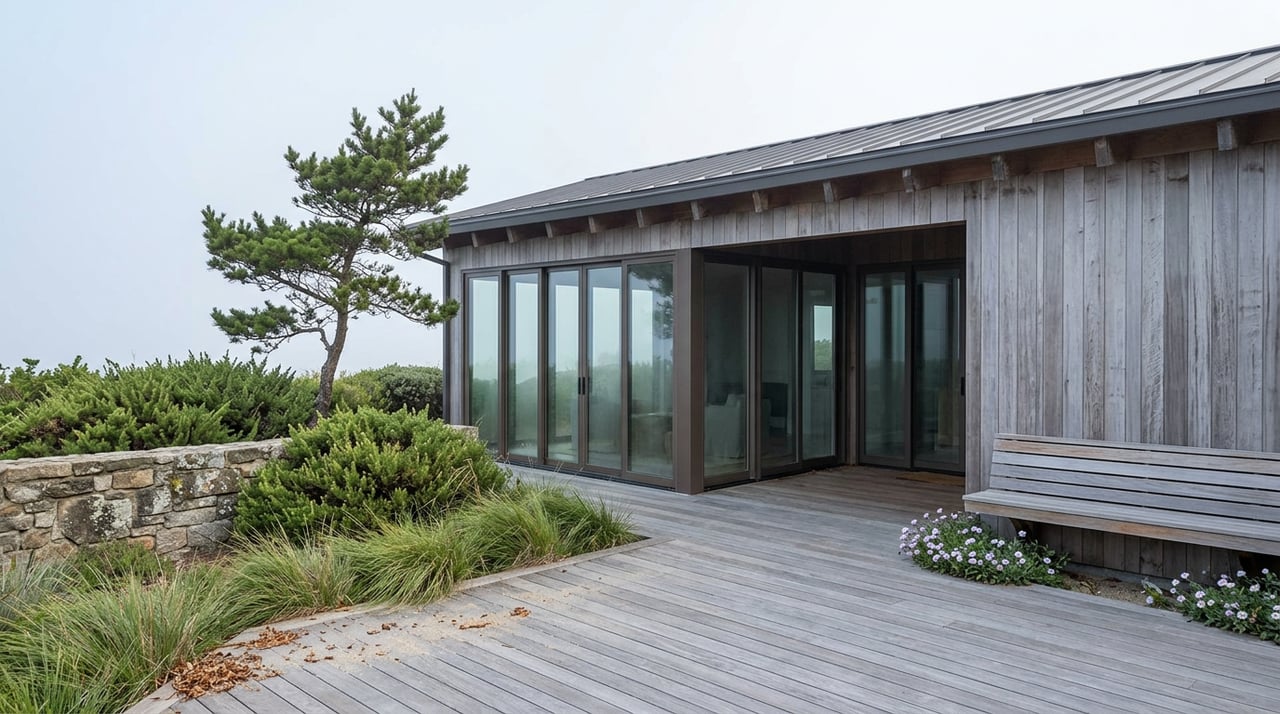
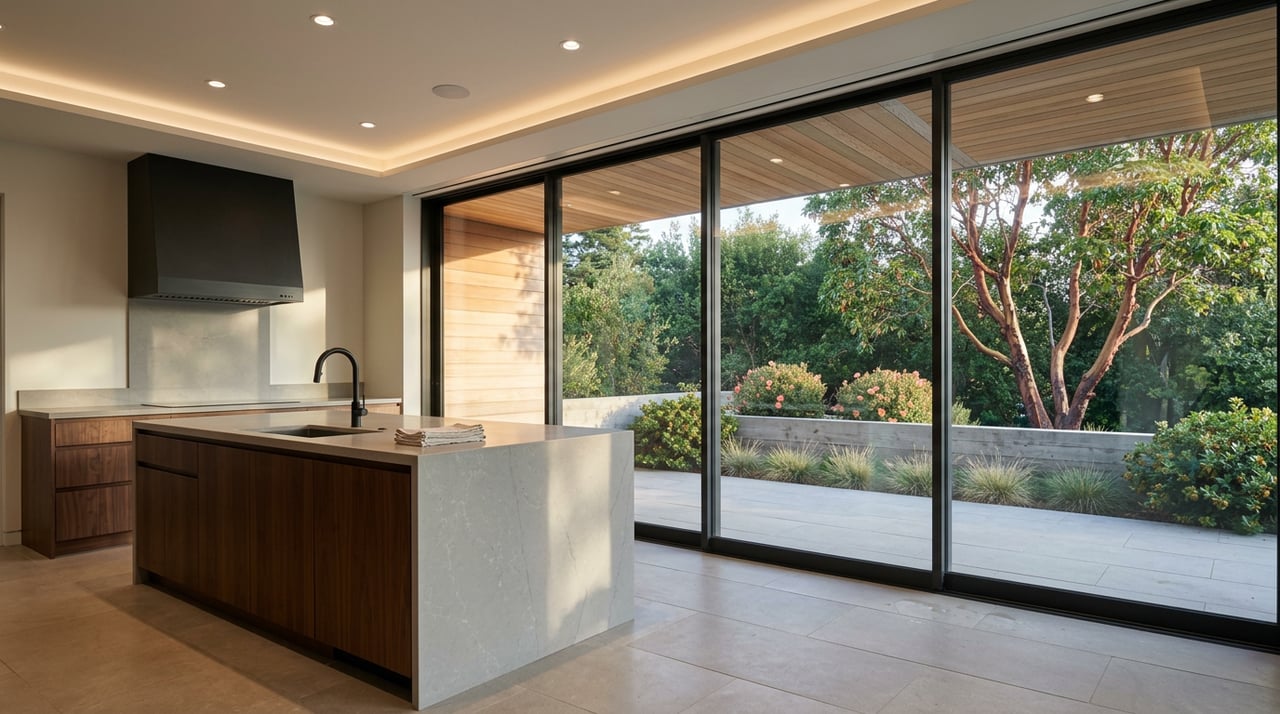
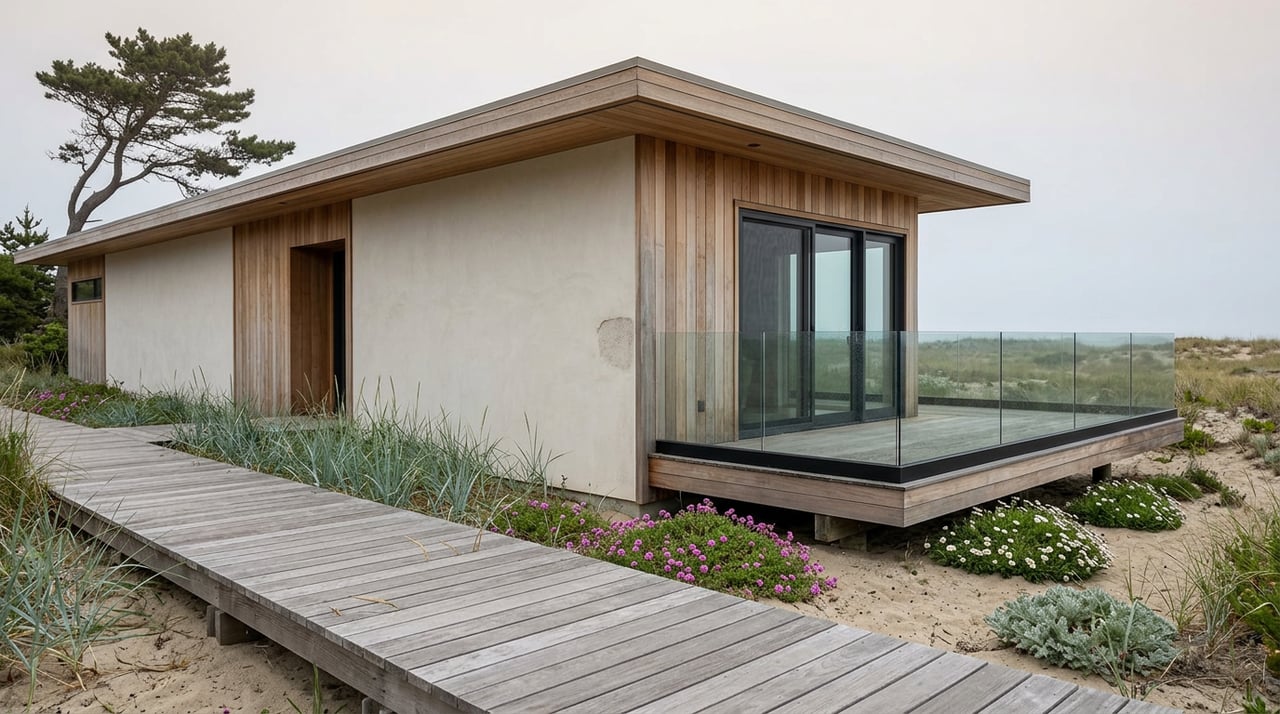
Thinking about turning a Jenner coastal home into a vacation rental? You are not alone. Jenner’s views, wildlife, and quiet pace attract weekenders and remote workers who want a true escape. If you are weighing an investment, you need clear guidance on demand, rules, coastal risks, and what it really takes to operate successfully. This playbook gives you practical steps, vetted resources, and a due-diligence plan tailored to Jenner and the Sonoma Coast. Let’s dive in.
Why Jenner for STRs
Jenner sits where the Russian River meets the Pacific, a small community known for sweeping views, kayaking, hiking, and wildlife watching. The market is tiny, with limited inventory and a high share of second homes, which keeps competition strong when a quality property hits the market. That scarcity, paired with coastline access, can support premium nightly rates for well-presented homes.
Demand is driven by Bay Area and Sacramento visitors seeking quick coastal breaks, plus seasonal tourism peaks from late spring through early fall. Events across Sonoma wine country also lift weekend demand. Expect high summer occupancy, slower winter months, and outsized performance from unique properties with views, outdoor spaces, and thoughtful design.
Seasonality and revenue
What drives pricing
Your average daily rate often reflects view corridors, proximity to the water, number of bedrooms, and interior quality. Outdoor amenities, hot tubs where allowed, and simple guest-first design can lift nightly pricing. Summer and holiday weekends command the highest rates.
Occupancy in a micro-market
Jenner is a micro-market. Year-to-year variability can be higher than in larger coastal towns. Strong ADR can coexist with moderate occupancy, especially in shoulder and winter seasons. That mix can still produce healthy annual revenue if you model conservatively and plan for seasonality.
Where to find data
Use subscription STR tools to pull Jenner or nearest-neighborhood metrics for ADR, occupancy, and comps. Platforms like AirDNA can help you set realistic projections. For broader visitation trends, review county-level tourism updates from Visit Sonoma County.
Rules and permits
Jenner is in unincorporated Sonoma County. Zoning, STR permitting, and coastal rules are administered by county agencies and, for coastal development, the California Coastal Commission.
- STR registration or permit may be required. Confirm the current process, timelines, and any caps with Permit Sonoma.
- You will likely register for Transient Occupancy Tax and remit on schedule. Confirm rate and filing with Sonoma County Revenue Services via the county website.
- Zoning and coastal overlays can restrict STR use on specific parcels. Always verify allowed uses by APN with Permit Sonoma.
- Construction near coastal bluffs, additions, and septic upgrades often require Coastal Development Permits under the Local Coastal Program. See the California Coastal Commission for guidance.
- Septic capacity, parking, noise, and local-contact requirements are common parts of STR compliance. Confirm specifics with county staff.
- If a property sits in a community with CC&Rs, review any STR restrictions and obtain required approvals.
Compliance can take time and add cost. Build a permitting timeline into your acquisition plan and avoid taking bookings before approvals are in place.
Coastal risks and systems
Operating on the Sonoma Coast is different from operating in town. The scenery is exceptional, but coastal conditions and rural utilities require careful planning.
Fire risk and insurance
Sonoma County has elevated wildfire risk. You will need defensible space and an evacuation plan that fits local fire guidance. Review regional fire information and defensible-space resources from CAL FIRE. Insurance for STRs is specialized, and wildfire exposure can affect availability and premiums. Most investors secure a short-term rental endorsement or commercial policy plus umbrella liability.
Bluffs, erosion, floods, and tsunamis
Many Jenner parcels sit near coastal bluffs where erosion and sea-level rise shape long-term viability and development options. Projects on or near bluffs often trigger geotechnical review and Coastal Development Permit requirements. Review coastal hazard guidance with the California Coastal Commission. For flood and tsunami exposure, pull maps for the address via the FEMA Flood Map Service Center.
Septic, wells, internet, parking
Most coastal properties rely on septic systems and wells. Septic capacity typically limits maximum occupancy and can drive expensive upgrades. Confirm records and testing with Sonoma County Environmental Health via the county’s health department portal. Broadband and cell service can be limited in rural pockets, which impacts guest satisfaction. Verify providers and speeds at the address. Narrow roads and limited on-site parking can constrain guest counts and must align with county rules.
Operations and management
Jenner’s remote feel means you will want a local 24-7 contact or manager who knows county rules and coastal conditions. Maintenance needs can be higher due to salt air, wind, and guest turnover. Good neighbor relations matter in a small community. Set clear house rules for quiet hours, parking, and trash.
Budget and taxes
Operating costs to model
Plan for both predictable line items and coastal extras. Include:
- Property management fees for full-service operations
- Cleanings and linens, with seasonal spikes
- Utilities, well service, septic pumping and maintenance
- Internet suitable for streaming and remote work
- Insurance with STR and wildfire coverage
- Property taxes, special assessments, and compliance costs
- Capital reserves for roof, decks, exterior finishes, and septic
- Guest experience enhancements that lift ADR
Tax and reporting basics
Short-term rental income is taxable. Typical deductible expenses include mortgage interest, property taxes, insurance, repairs, utilities, management, and depreciation, subject to personal use rules. Platforms may issue Forms 1099-K or 1099-MISC. Review IRS guidance on Form 1099-K reporting and consult a CPA familiar with STRs. You are responsible for accurate TOT collection and remittance, even if a platform assists.
Financing and exit
Lending expectations
Lenders generally treat STRs as investment properties. Expect higher down payments and rates than for primary residences. Some lenders will review pro forma STR income but may underwrite conservatively. If you plan limited personal use, confirm that the loan program fits your intended operating profile.
1031 and exit planning
Many investors hold STRs as income assets and later exchange into another property. A 1031 exchange can defer taxes when rules are met, but personal use and hold periods matter. Work with a tax advisor early if you anticipate an exchange as part of your long-term plan.
Due diligence checklist
Use this checklist to evaluate a Jenner vacation rental before you go firm on a purchase.
- Confirm zoning and STR eligibility with Permit Sonoma. Ask about STR permit requirements and any enforcement history for the parcel.
- Verify whether the parcel is in the Coastal Zone and review bluff setback or coastal constraints with Permit Sonoma and the California Coastal Commission.
- Pull septic records, obtain a septic inspection, and confirm capacity with Sonoma County Environmental Health via the health department portal. Identify potential upgrade costs.
- Confirm water source, test well water quality if applicable, and review any usage limits.
- Review community CC&Rs or HOA rules for any STR restrictions.
- If the home has been an STR, request 12 to 24 months of actuals, including ADR, occupancy, guest reviews, and future bookings.
- Order a geotechnical or structural assessment if the property is on or near a bluff or shows signs of erosion or settlement.
- Obtain insurance quotes that reflect STR use and wildfire exposure.
- Check internet providers and speeds at the address. Test cell coverage on site.
- Verify on-site parking and alignment with county rules.
When you are ready to operate:
- Register for any required STR permit and set up your TOT account through the Sonoma County website.
- Designate a 24-7 local contact or hire a property manager. Confirm county response-time requirements.
- Prepare guest safety information covering evacuation routes, wildfire and tsunami basics, defensible space, septic care, parking, and trash protocols.
- Implement noise limits and quiet hours, along with a neighbor contact plan.
- Budget for a contingency fund to handle coastal maintenance and seasonal repairs.
Local resources
These agencies and tools are your go-to sources for up-to-date rules and maps.
- Permit Sonoma for zoning, permits, and STR registration
- Sonoma County website for Revenue Services and TOT setup
- California Coastal Commission for Coastal Act and LCP guidance
- FEMA Flood Map Service Center for flood and tsunami mapping
- CAL FIRE for wildfire and defensible space information
- Visit Sonoma County for county tourism trends
- AirDNA for STR performance comps
How we help on the Sonoma Coast
If you want a turnkey path from acquisition to income, you benefit from a local team that knows the bluffs, the rules, and the guest experience. Sonoma Coast Living is a boutique, owner-operated brokerage based in Bodega Bay with more than four decades of coastal experience. Our integrated vacation rental and property management services help you evaluate revenue potential, onboard the home, and operate with 24-7 reliability.
We combine neighborhood-level guidance with practical operations, from permitting support to guest-ready presentation. Whether you are buying your first vacation home or optimizing an existing STR, you get clear numbers, local insight, and a service plan built for coastal conditions.
Ready to evaluate a Jenner opportunity with a clear, step-by-step plan? Connect with Thera Buttaro to discuss your goals and next steps.
FAQs
Can I legally run a short-term rental in Jenner, CA?
- Possibly, but it depends on Sonoma County zoning, any Coastal Zone overlay limits, and permit requirements. Confirm eligibility with Permit Sonoma and review any CC&Rs.
What county taxes and registrations apply to Jenner STRs?
- You will likely register for a Sonoma County STR permit if required and set up Transient Occupancy Tax collection and remittance through the county website.
How does seasonality affect Jenner STR revenue?
- Jenner sees strong summer demand and softer winter months. Model a conservative off-season occupancy and use tools like AirDNA for ADR and comps.
What coastal hazards should I evaluate before buying?
- Review wildfire exposure, bluff erosion, flood and tsunami risks, and septic capacity. Use the FEMA Flood Map Service Center and the California Coastal Commission for mapping and guidance.
Do I need special insurance for a Jenner vacation rental?
- Yes. Most owners carry a short-term rental or commercial endorsement plus umbrella liability. Wildfire risk affects availability and cost, so get quotes early and review CAL FIRE resources for mitigation.
How do septic systems limit guest occupancy on the coast?
- Septic capacity often sets the maximum guest count and may require upgrades. Confirm records and inspections with Sonoma County Environmental Health via the health department portal.