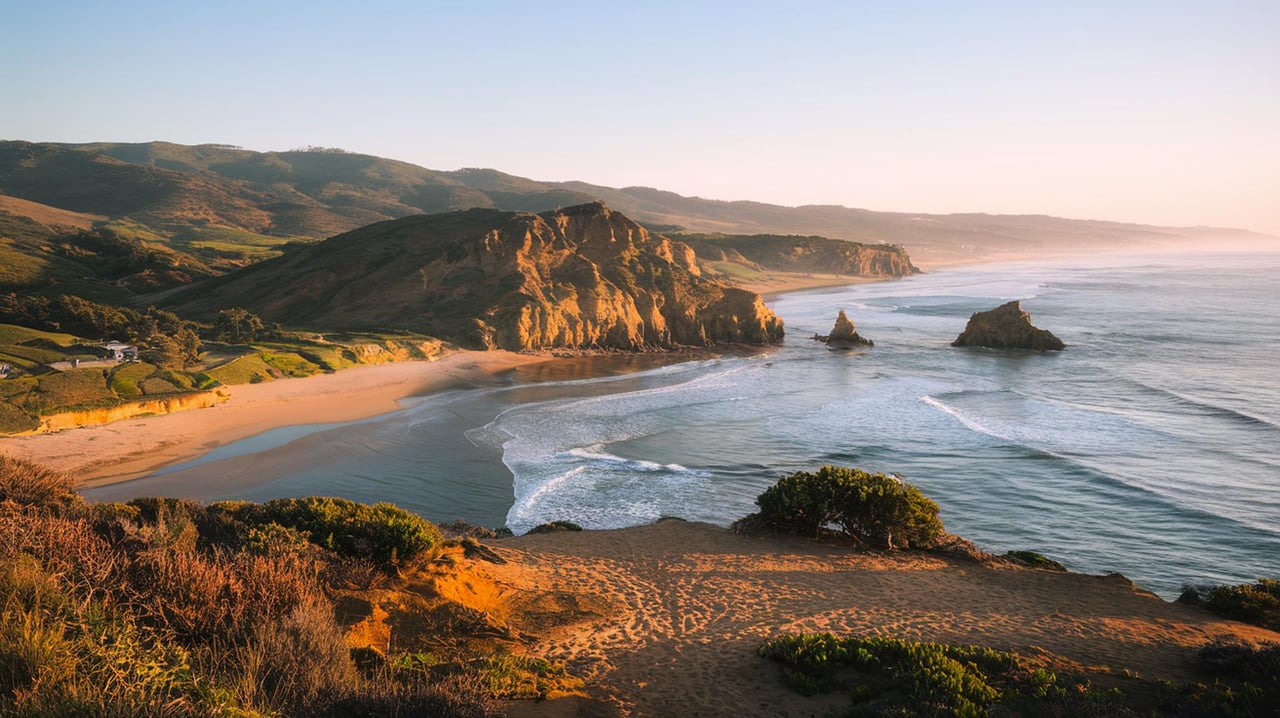
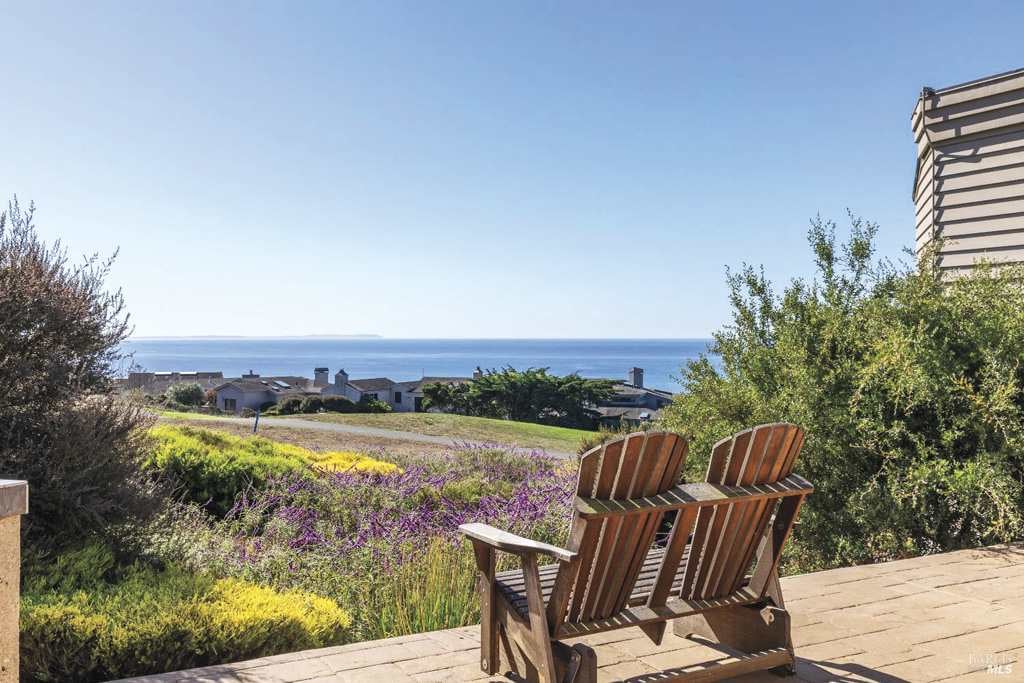
Dreaming about a coastal retreat that is close enough for a weekend escape but feels worlds away? If Bodega Bay is on your shortlist, you are in good company. The Sonoma Coast has a working harbor, sweeping views, and a relaxed pace that still puts you within roughly 1.5 to 2 hours of much of San Francisco and Marin, and about 1 to 1.5 hours from central Sonoma County. This guide gives you a clear, practical path to buying a second home in Bodega Bay so you can enjoy the lifestyle while making smart, long-term decisions. Let’s dive in.
Why Bodega Bay works for second homes
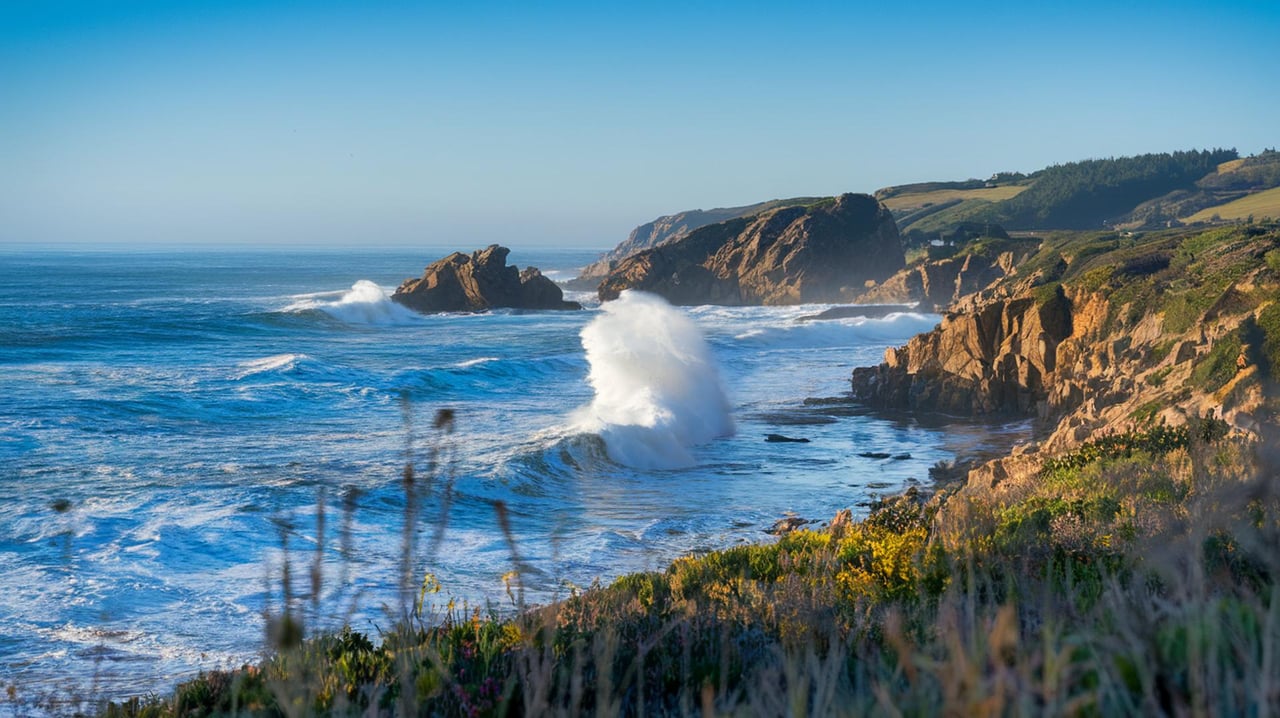
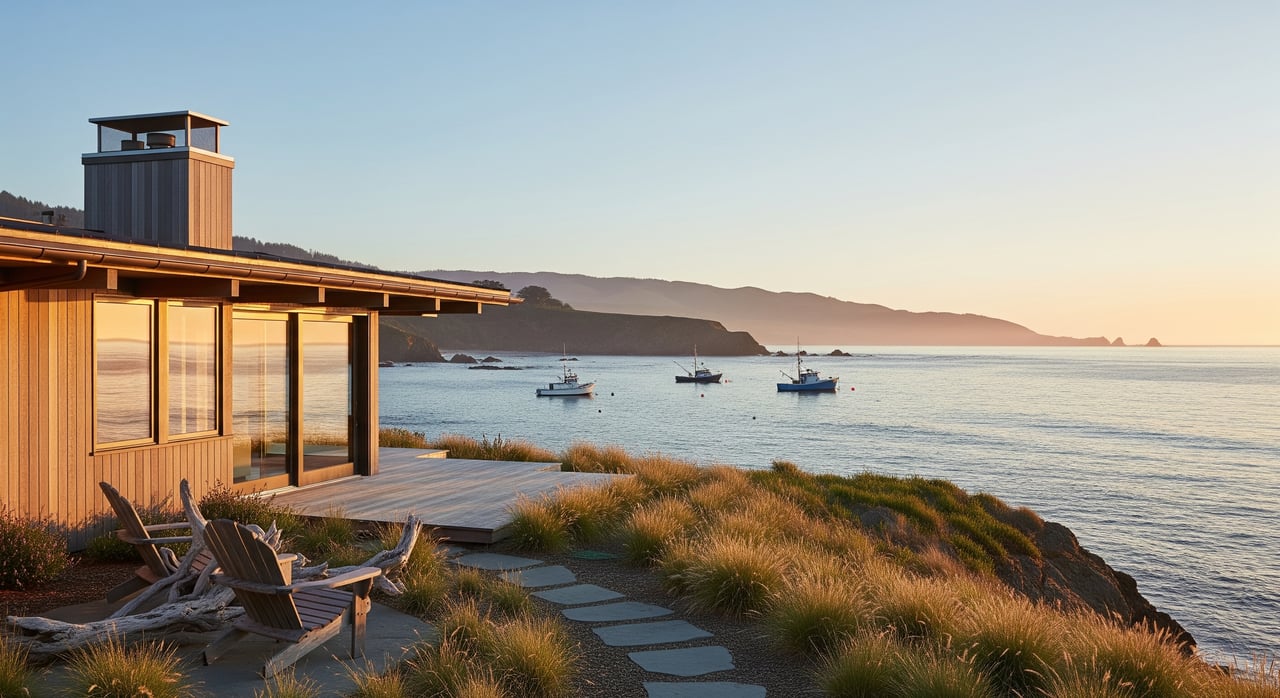
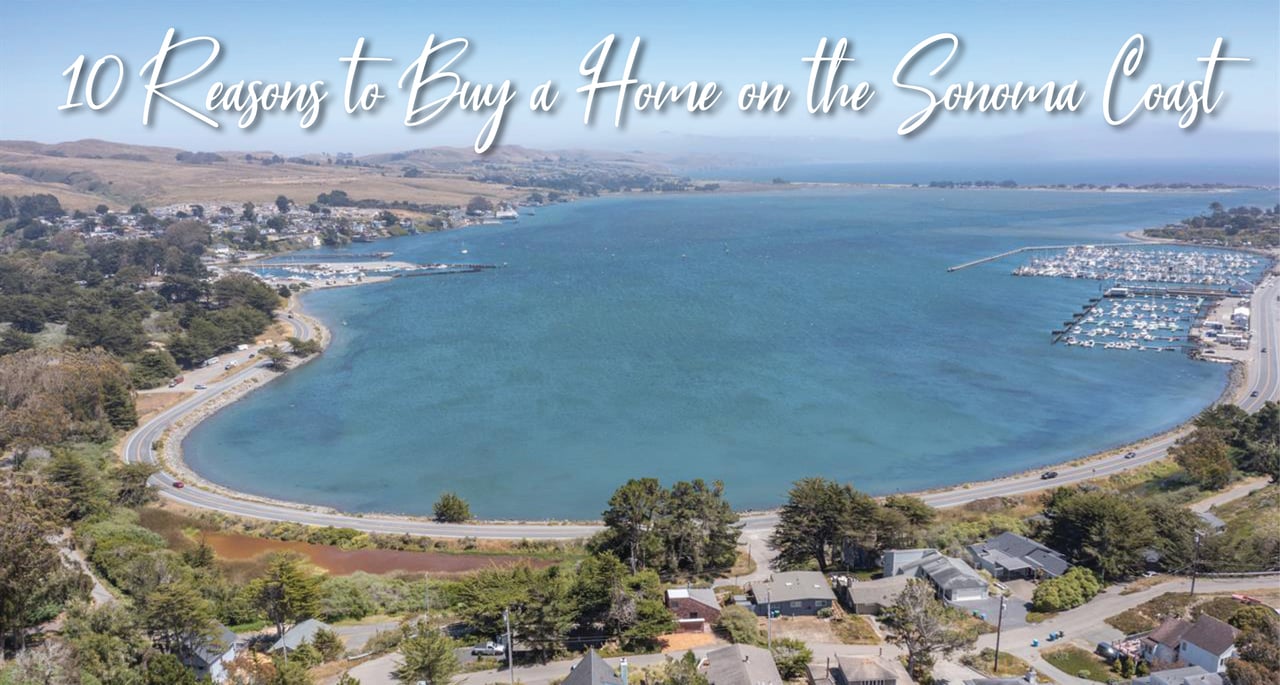
Bodega Bay sits on the Sonoma Coast with a small-town core, a marina, and everyday services. You get outdoor recreation like fishing, kayaking, and whale watching at Bodega Head, plus easy access to beaches such as Doran Beach. Seasonal tourism peaks in summer and fall, which supports local businesses and can benefit well-located rental properties.
The climate is classic Northern California coast. Expect cool, foggy summers, mild but wetter winters, and periods of strong marine wind. If you love ocean air, quiet mornings, and sunset sky shows, the lifestyle will likely fit.
Property types and what to expect
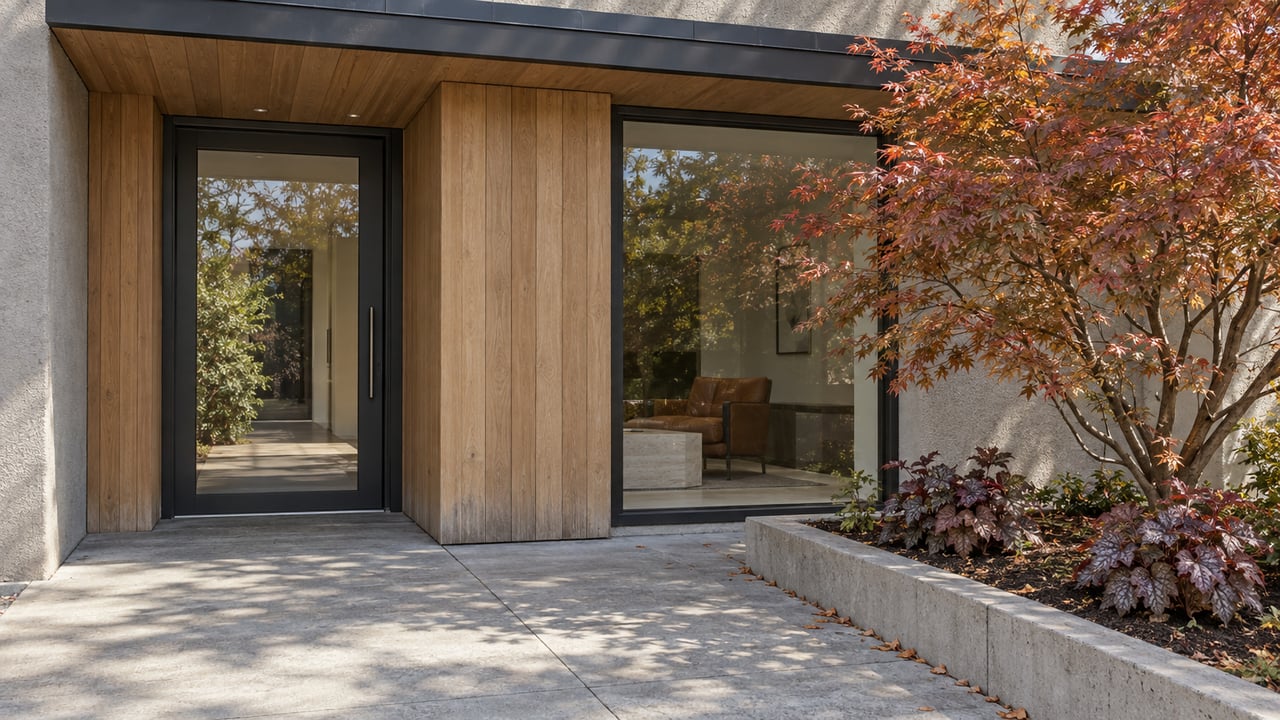
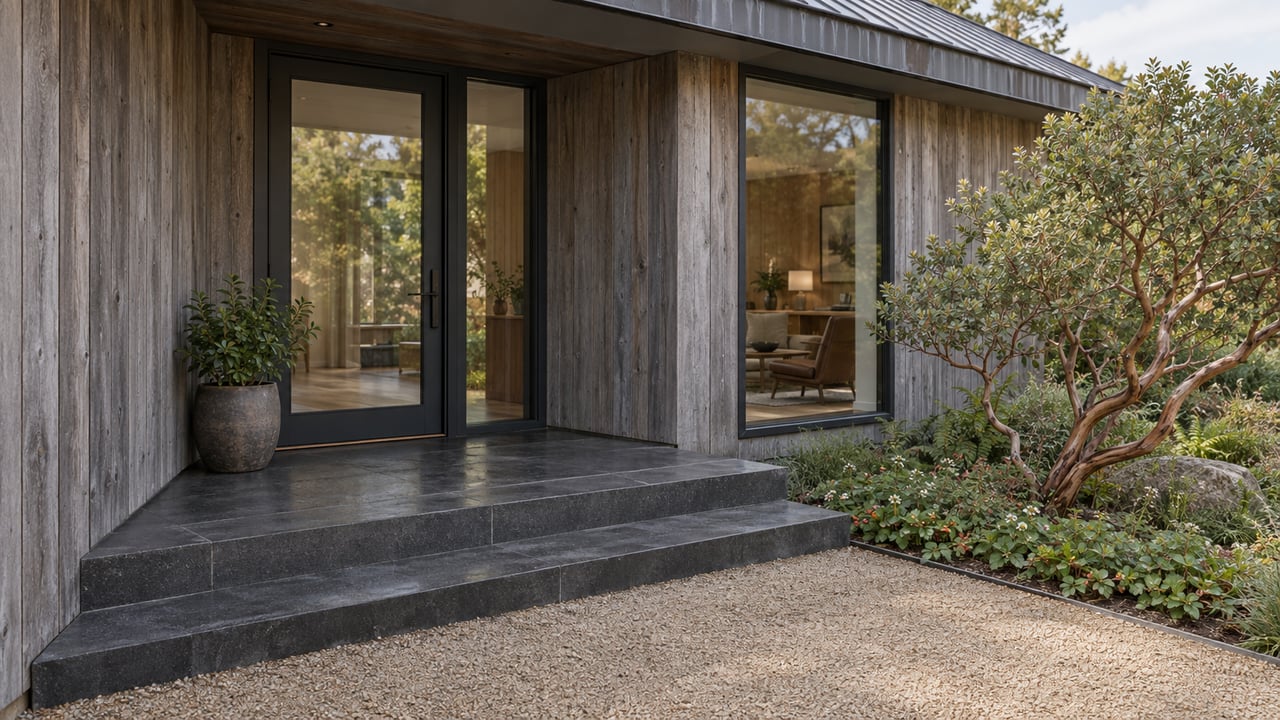
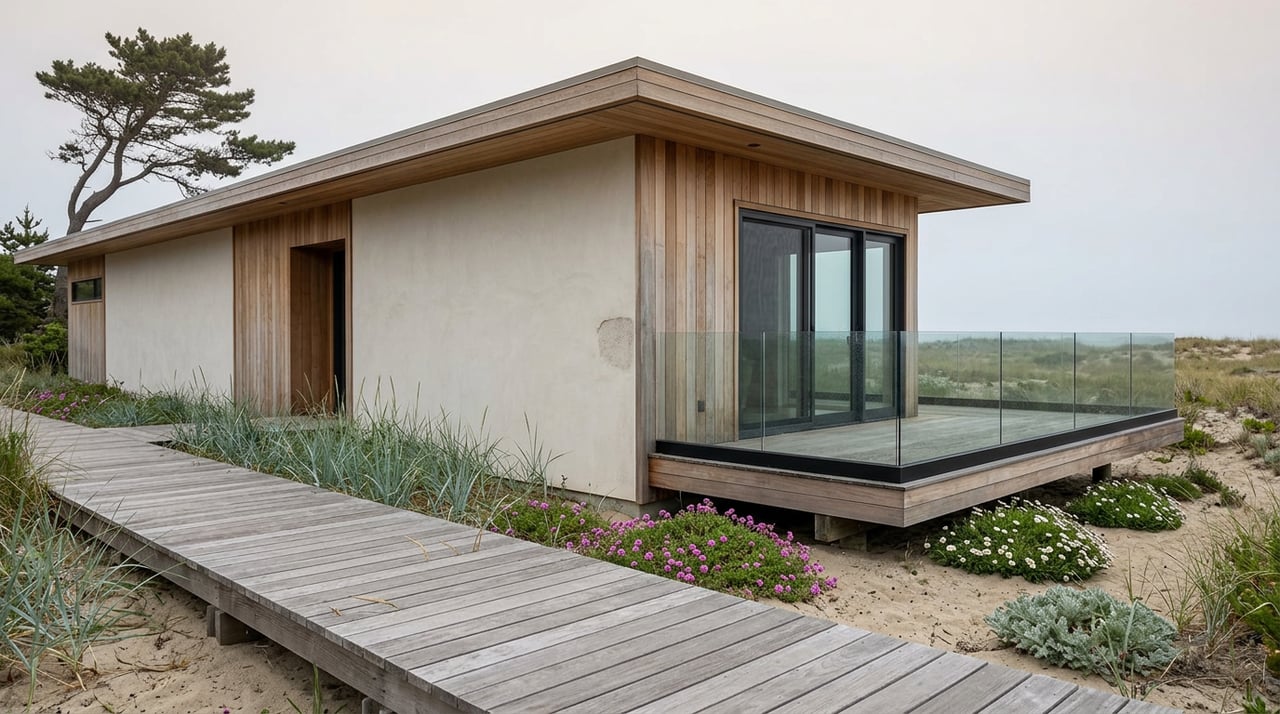
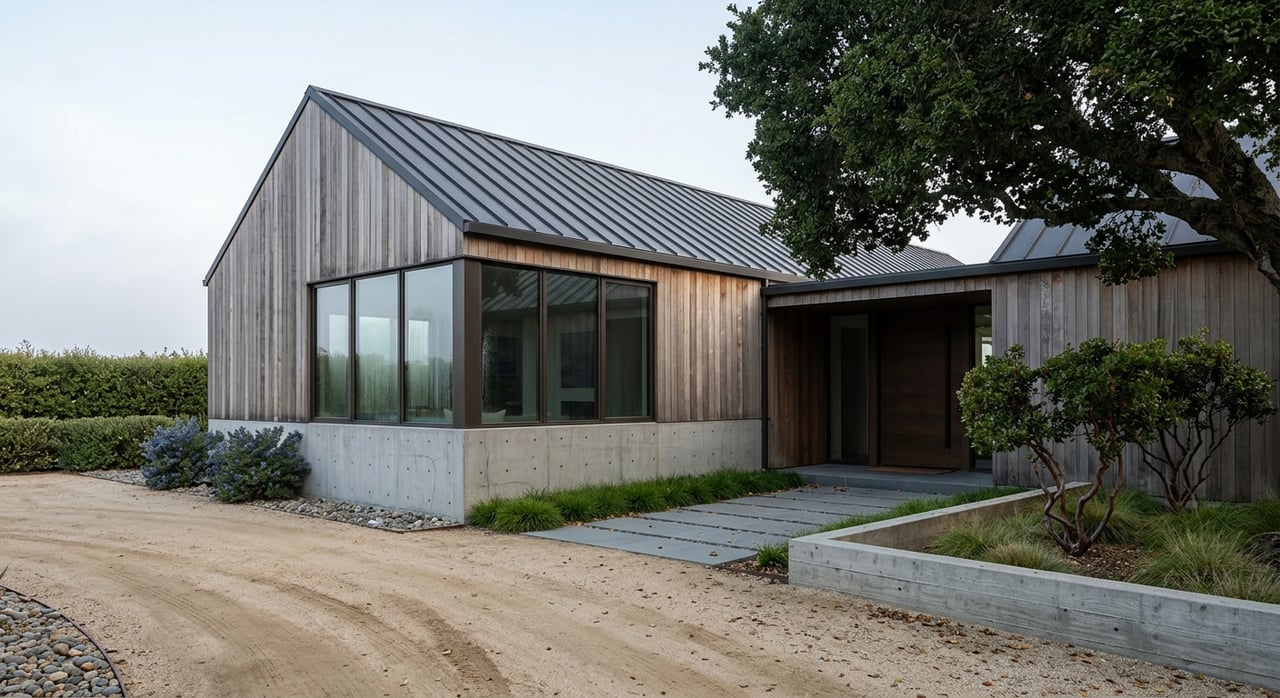
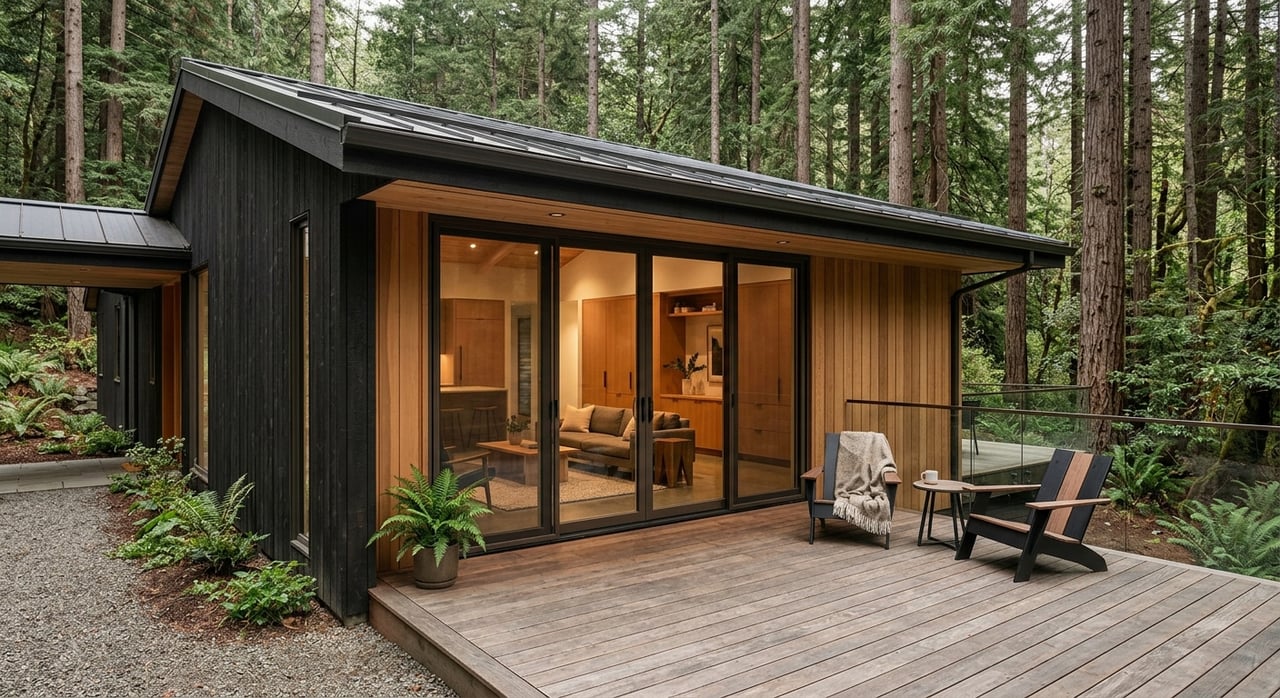
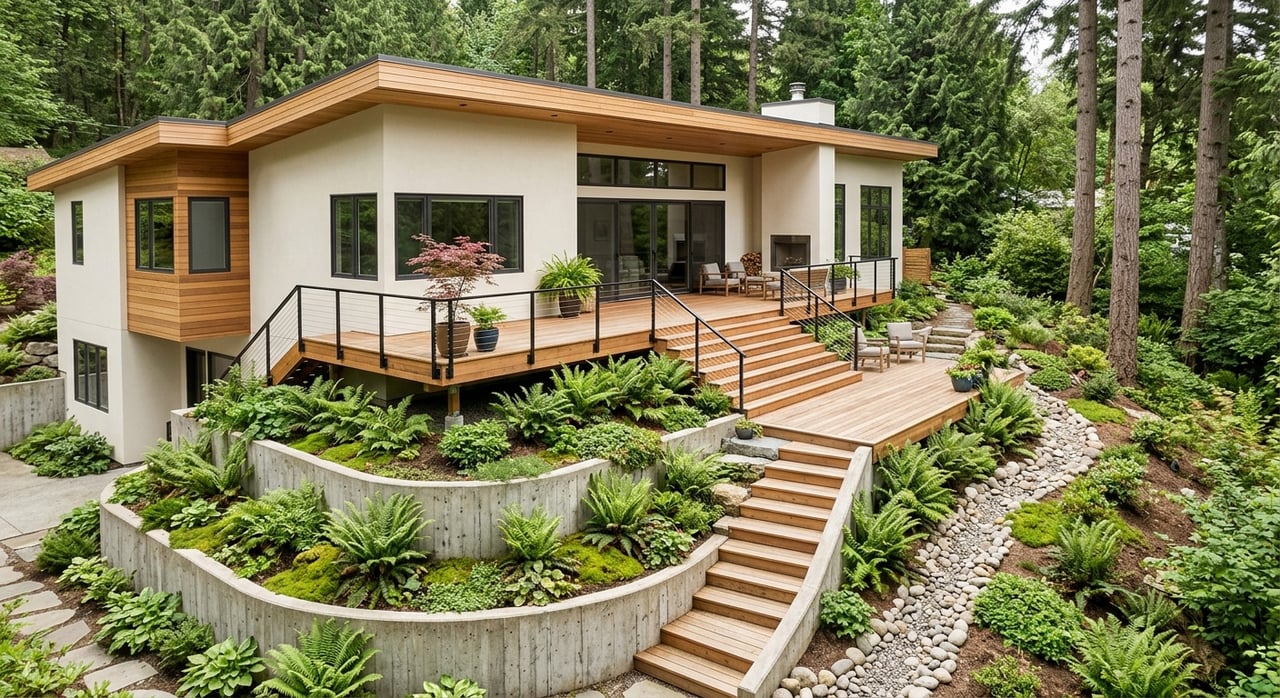
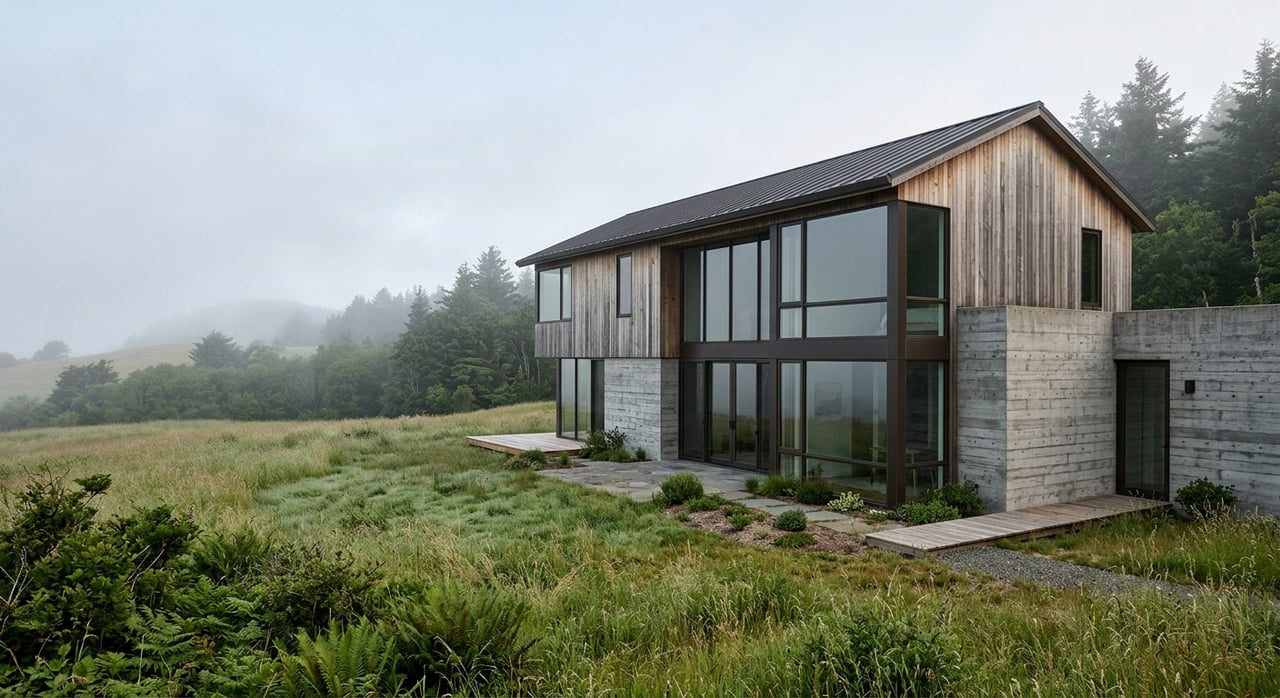
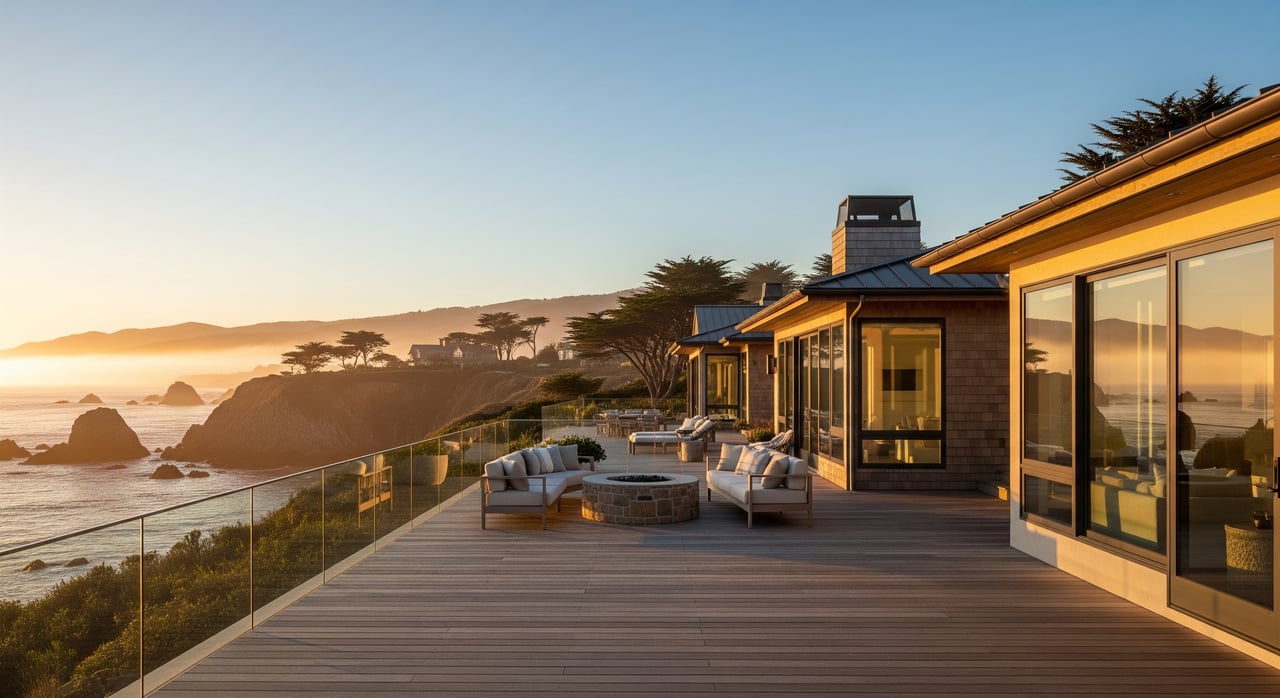
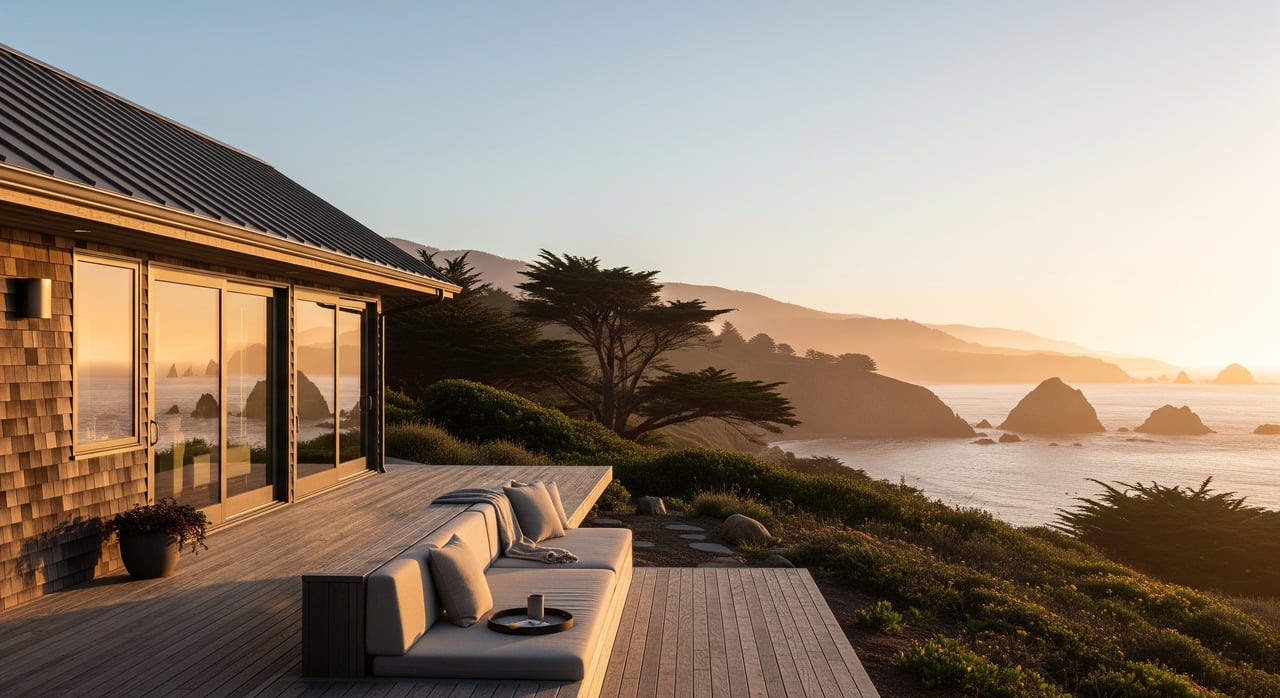
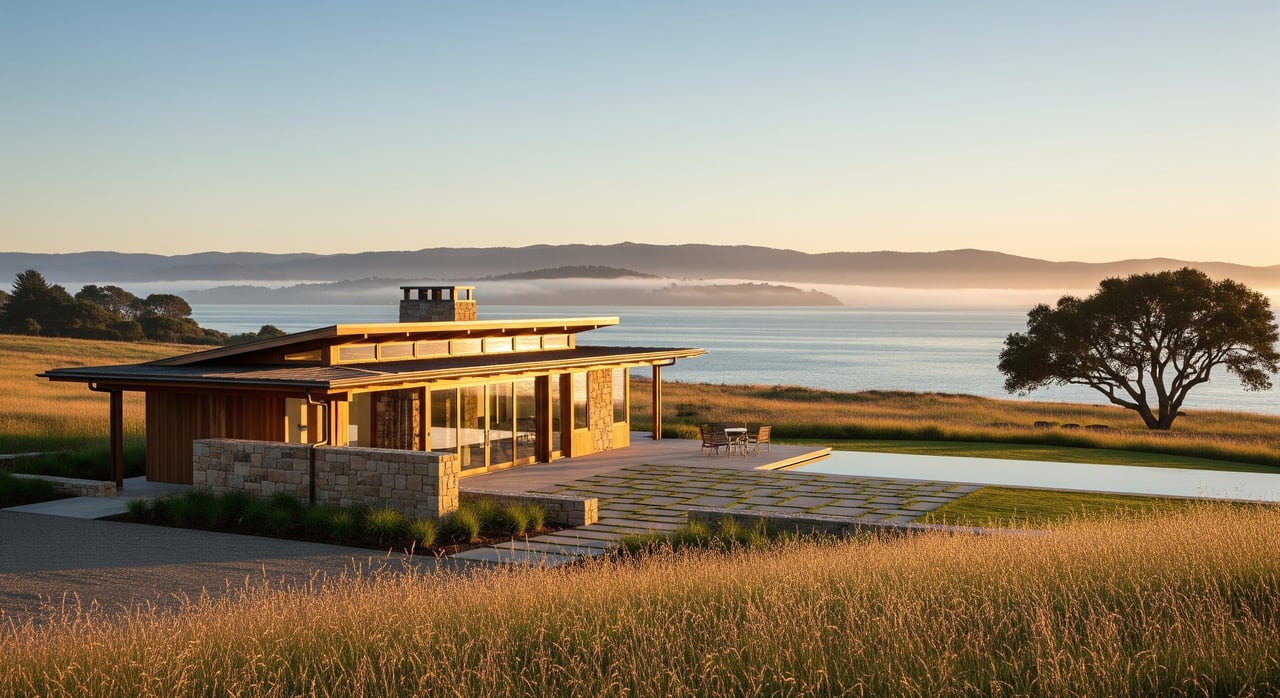
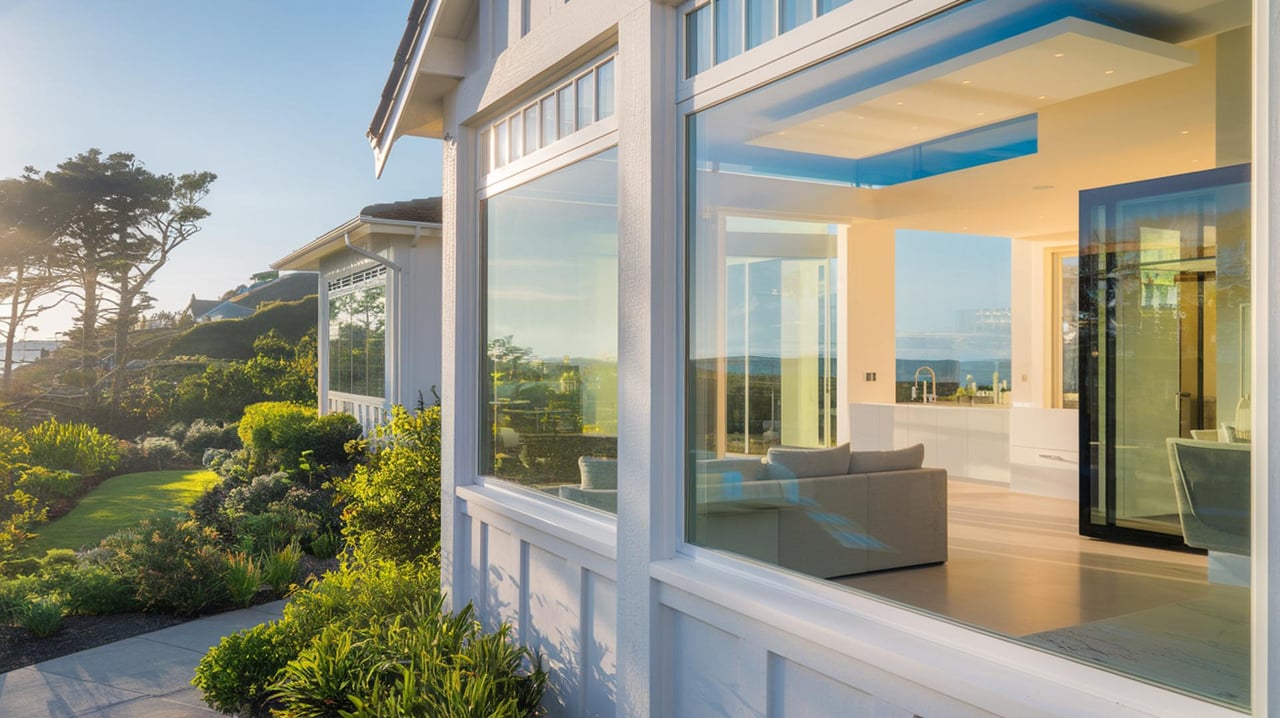
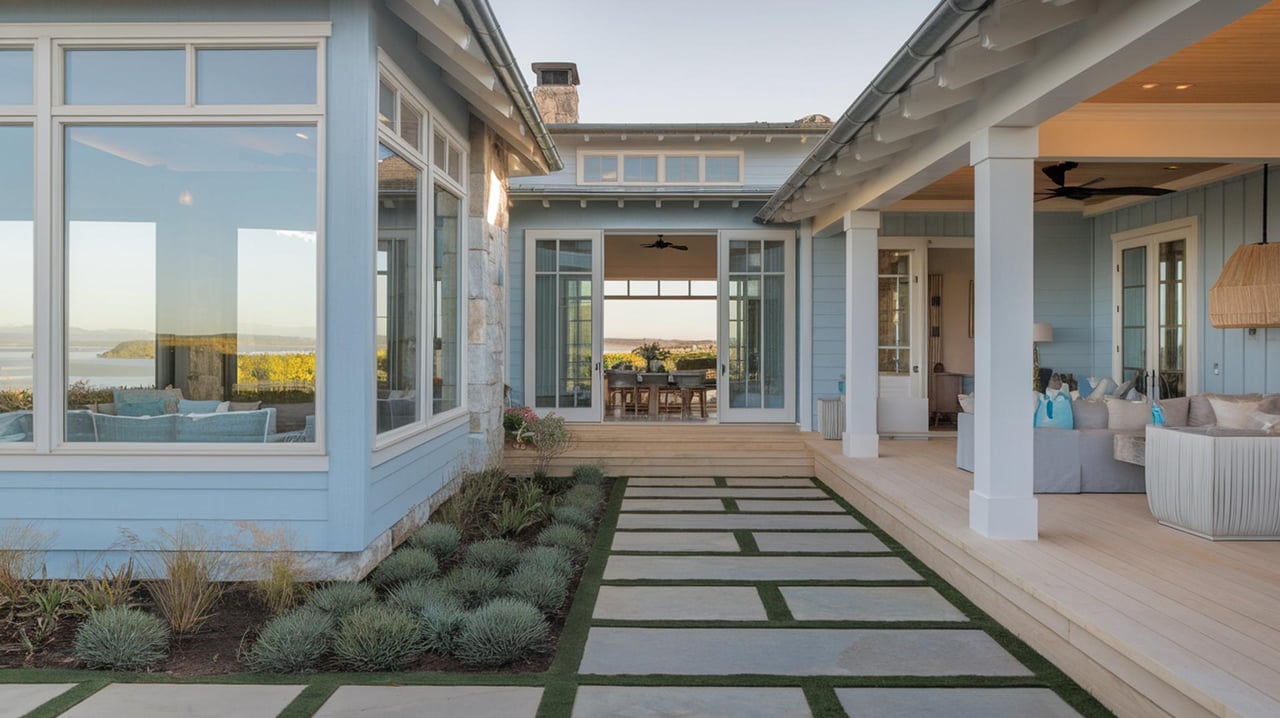
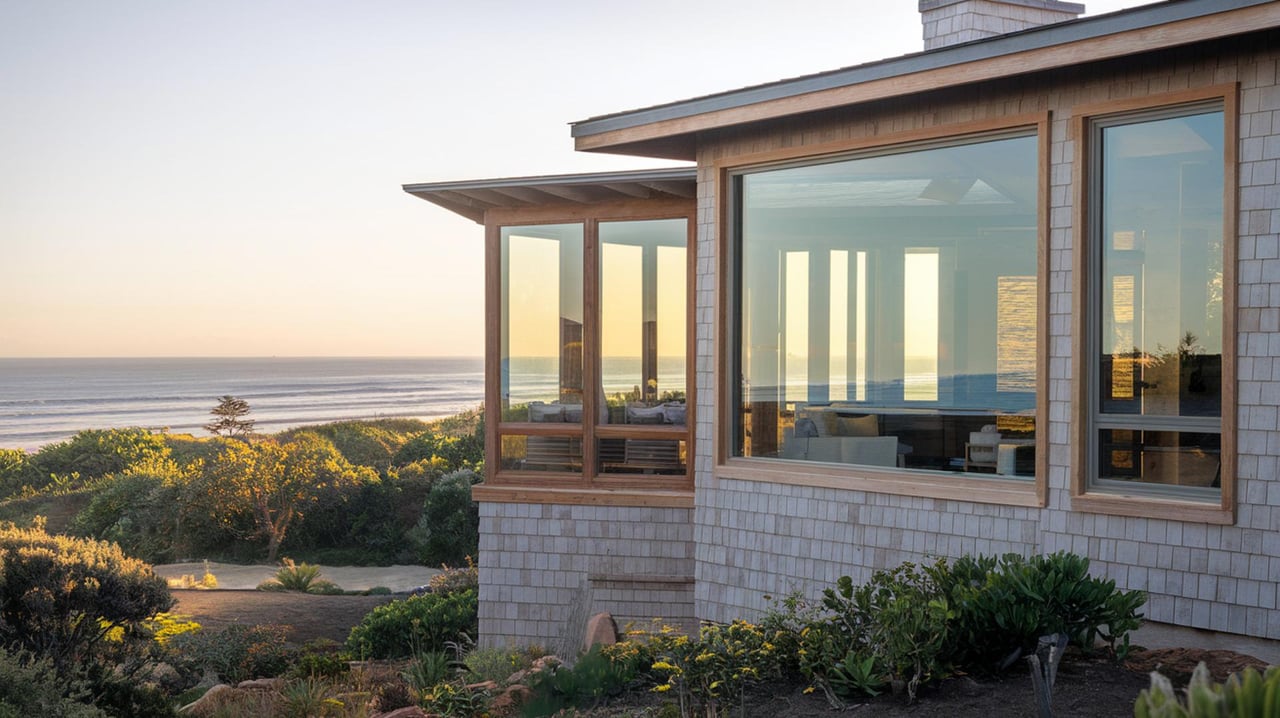
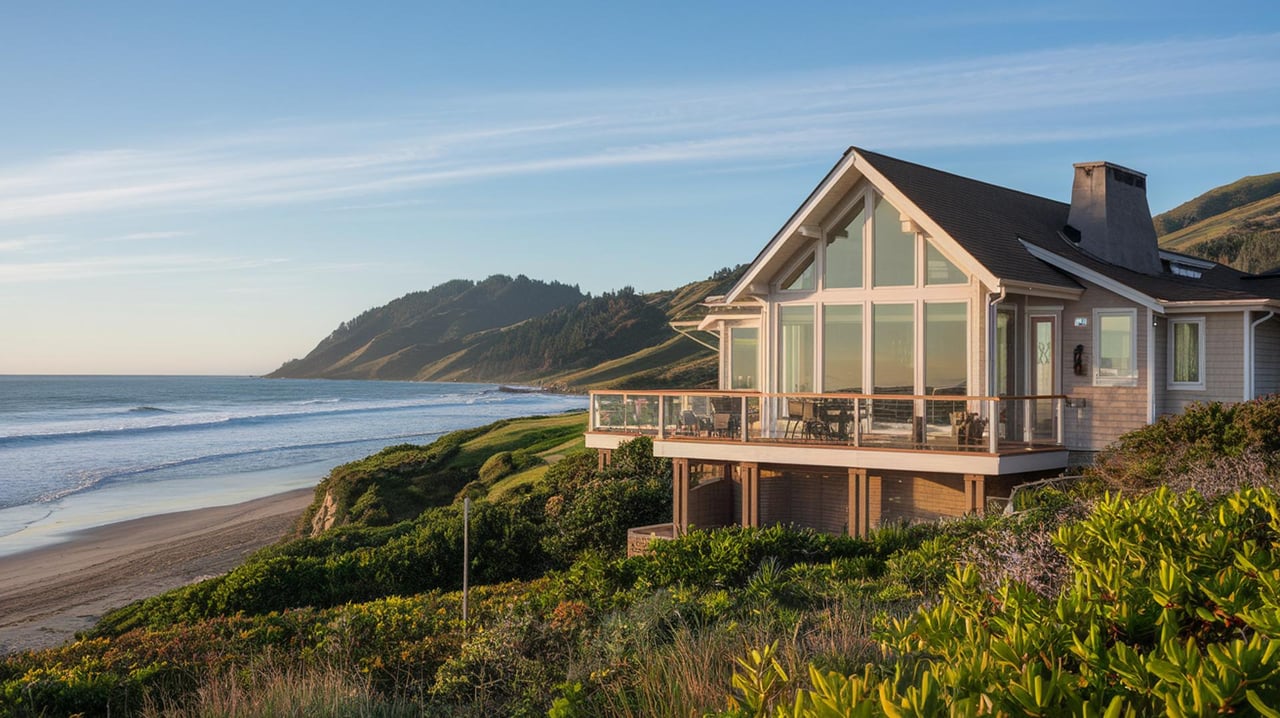
You will find a mix of cottages, remodeled fisherman’s homes, and single-family houses on hilltops and bluffs. Harbor-front and marina-adjacent homes or condos appeal to boaters. There are also vacant lots, but building on the coast requires extra due diligence. Some areas sit within small HOAs, while many parcels are standalone and feel more rural.
Prices tend to reflect views, proximity to water or bluffs, condition, size, and buildability. Premium oceanfront or bluff-front homes command higher prices. Standard single-family homes with partial views or inland positions are typically mid-tier. Compact cottages or condo-style options often sit at the entry tier for the market. Inventory can be limited in Bodega Bay and often becomes more active in spring and summer. Verify current pricing with up-to-date MLS data before you act.
Choose your location by lifestyle
- Harbor and marina areas: Good for boating access and proximity to services. Some properties will have HOA considerations.
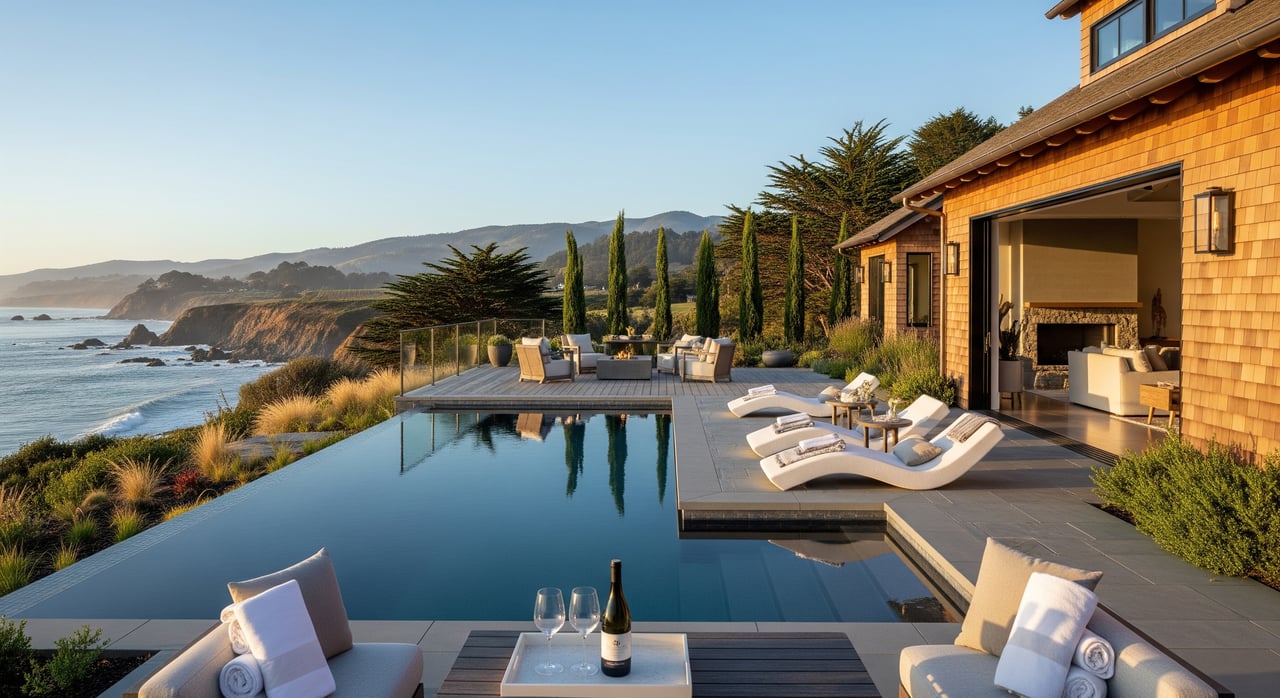
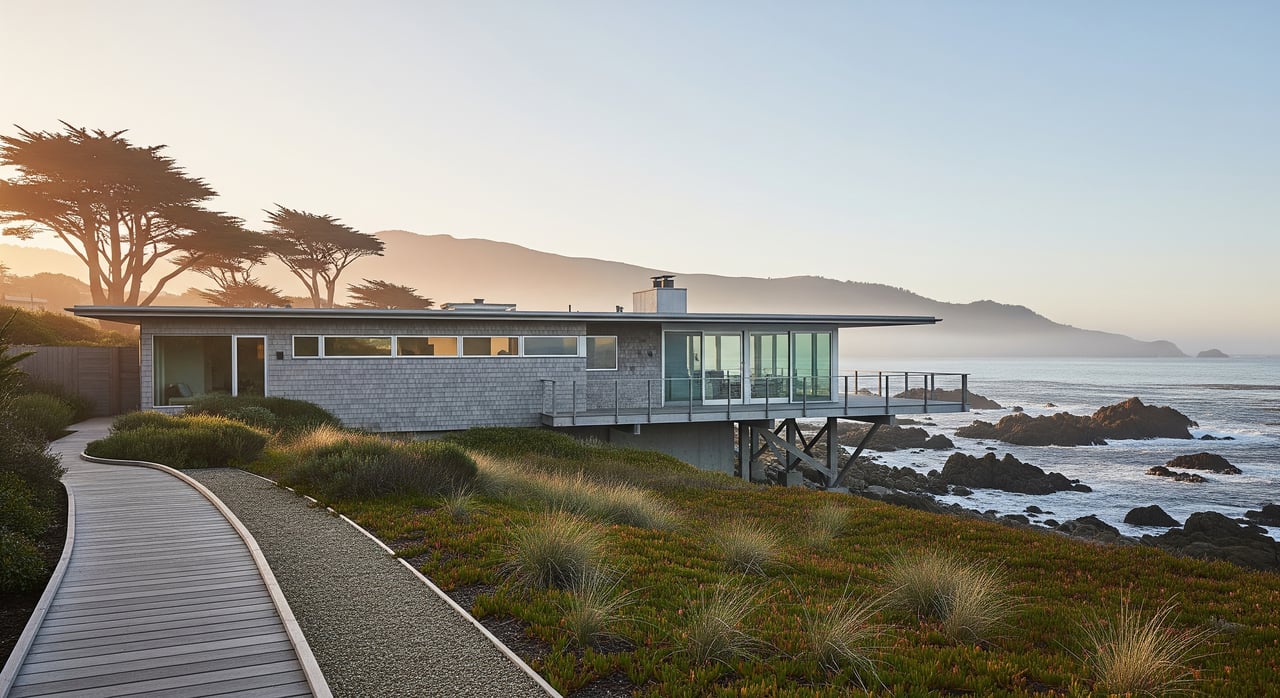
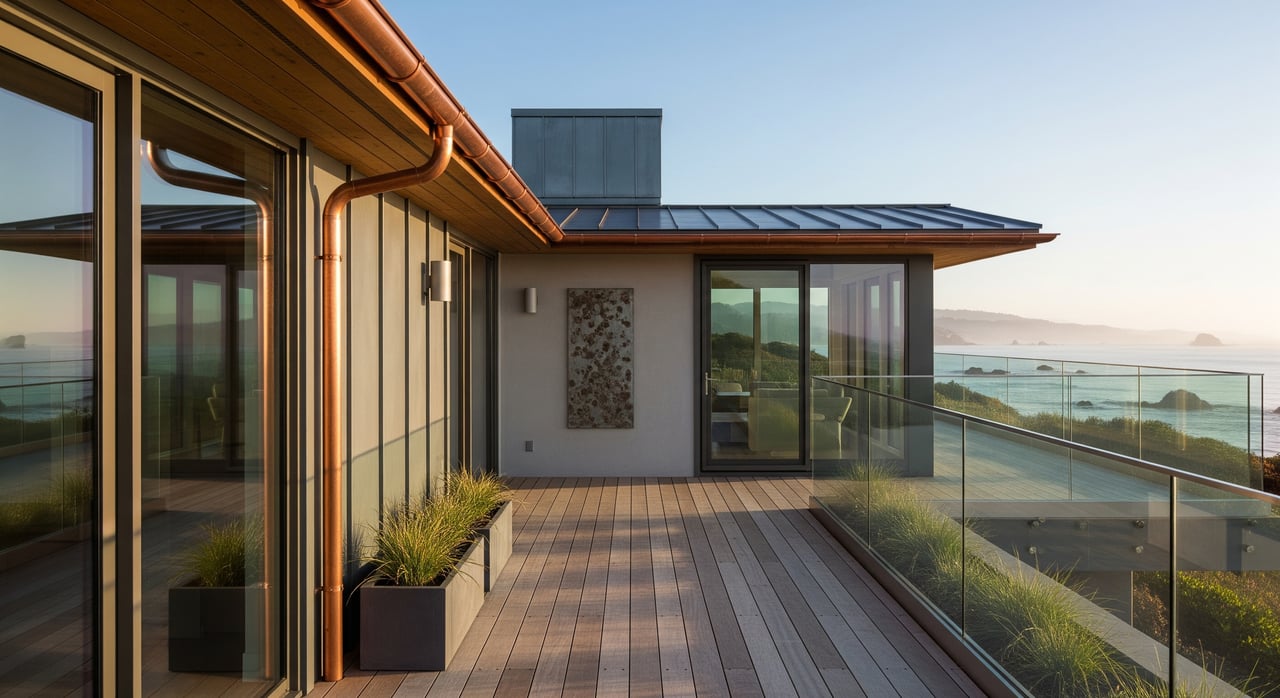
- Bluff and oceanfront: Spectacular views and premium appeal, with higher maintenance and strict permitting for changes.
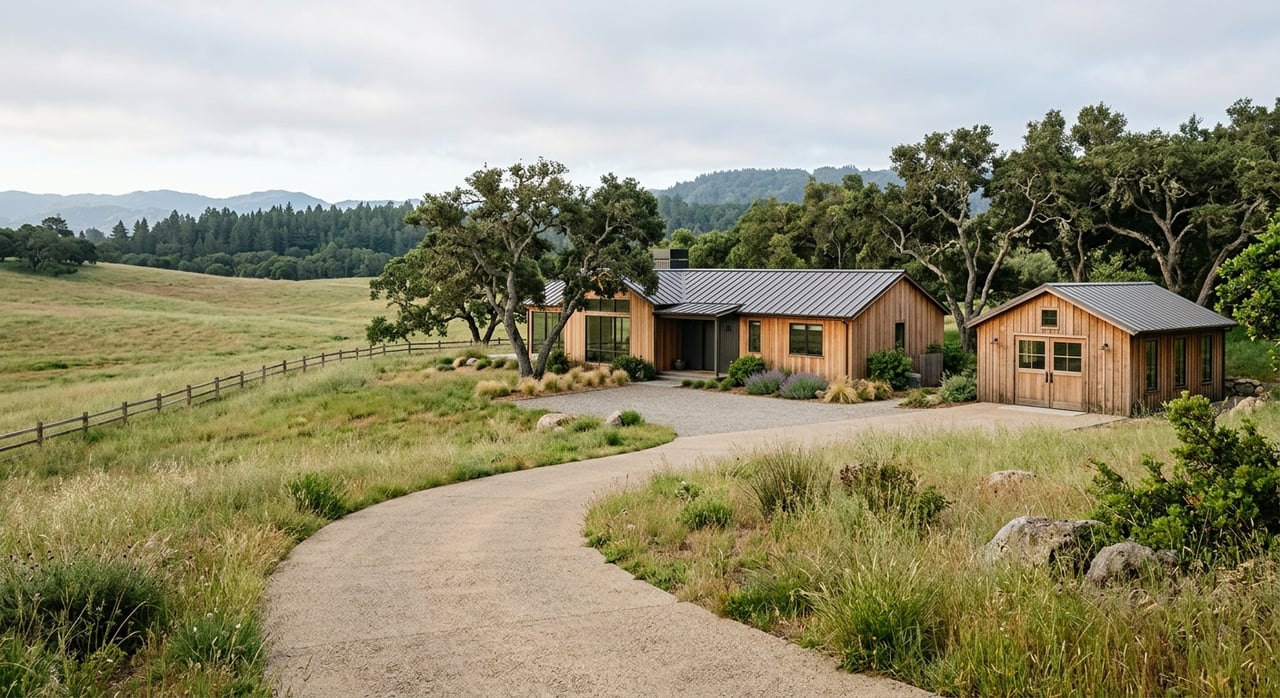
- Inland and hillside: Often more shelter from wind, with partial or framed views. These can offer better value for space.
- Neighborhood pockets: Bodega Harbour, Harbor View, Pelican Loop, Salmon Creek, Carmet, and nearby communities each have a distinct feel. Your ideal fit depends on how you plan to use the home and the level of maintenance you prefer.
Use case: vacation-only, rental, or future primary
- Vacation-only: Focus on lifestyle features you will use often. Think beach access, storage for gear, and low-maintenance finishes.
- Mixed use with rental: If you plan to generate income, confirm short-term rental rules early and prioritize guest-friendly layouts, parking, and durable materials.
- Future primary residence: Check remodel feasibility, utilities, and accessibility. Some buyers plan phased improvements, so permitting timelines matter.
Ownership costs to plan for
- Property taxes: Under Proposition 13, the base rate is about 1 percent of assessed value, plus local assessments. Effective rates in Sonoma County often range around 1.1 to 1.3 percent. Confirm parcel-specific taxes and any special assessments.
- Insurance: Coastal homes can carry higher premiums due to wind, salt exposure, and storm risk. Flood insurance may be required if the property is in a FEMA Special Flood Hazard Area. Earthquake insurance is separate and optional.
- Utilities and systems: Some areas are on municipal or district services, while many coastal parcels use septic and private or shared wells. Septic capacity can limit bedroom count and remodels, and systems require routine maintenance.
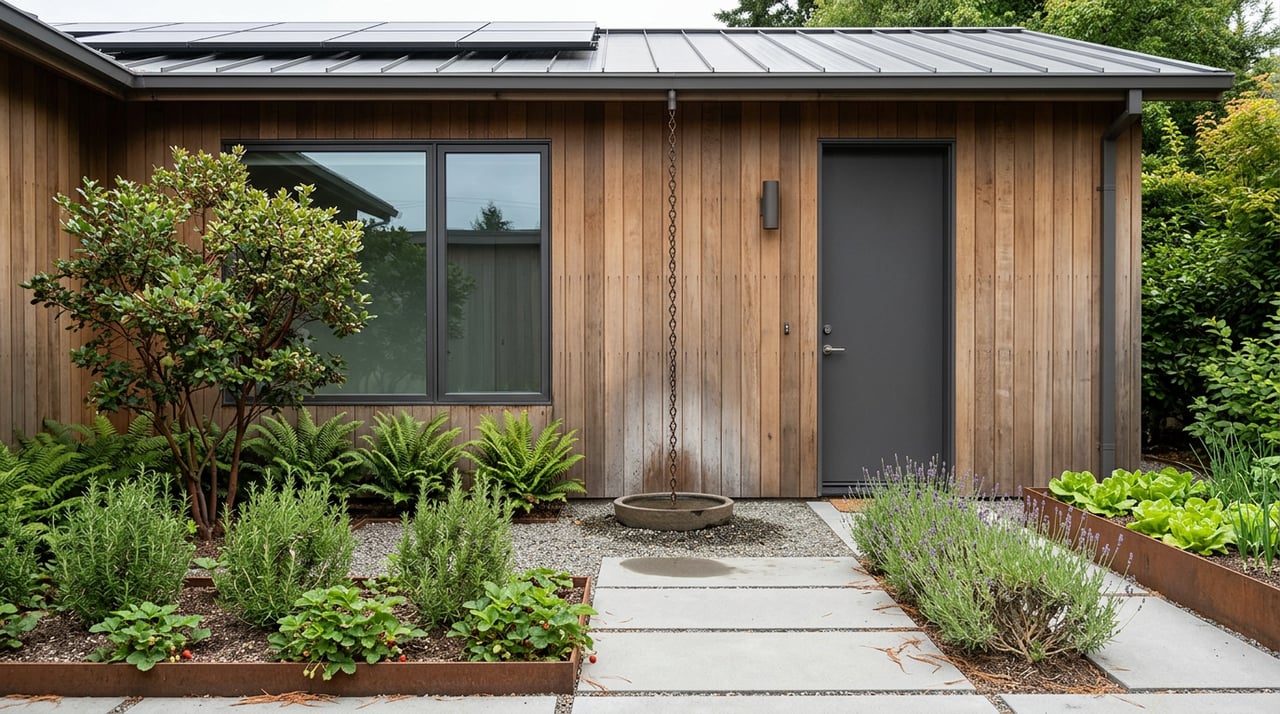
- Maintenance: Salt air, wind, and moisture can increase exterior wear. Budget for more frequent paint, roofing, and window maintenance.
Hazards and how to mitigate risk
- Coastal erosion and bluff retreat: Bluff-top parcels require careful geotechnical review. Setbacks and slope stability matter for long-term safety and insurability.
- Flooding and storm surge: Winter storms can bring temporary road closures and shoreline impacts. Check FEMA flood maps and ask about historical events on the parcel.
- Sea-level rise: Risk varies by site and time horizon. Review planning resources and discuss long-term exposure with your advisor and insurance broker.
When you evaluate a property, ask for any history of storm or flood damage, mitigation work, and current insurance terms. A cautious approach protects both lifestyle and value.
Permitting and coastal rules
Bodega Bay is within California’s coastal zone. The California Coastal Commission and Sonoma County permitting agencies oversee development, remodels, and land-use changes. Many projects near the shoreline require coastal development permits, and bluff-front stabilization can be difficult to approve. Always verify zoning, recorded easements, and whether previous work was permitted and finalized. If you plan to expand or reposition a house, get a geotechnical assessment early and confirm agency requirements before you write an offer.
Short-term rentals: know the rules
Sonoma County regulates short-term rentals. Many areas require registration or licensing, collection of transient occupancy tax, and compliance with operating rules such as occupancy limits, parking, and noise standards. Some zones limit or prohibit STRs, and HOA CC&Rs can also restrict rentals. If rental income is part of your plan, verify what is allowed for the specific parcel and whether a permit can transfer or be obtained.
Due-diligence checklist
Use this list to structure your investigations and your purchase contract contingencies.
Property and systems
- Confirm sewer vs septic. If septic, request inspection reports, maintenance history, and permits.
- Verify water source and reliability. If on a well or community system, request water quality and yield tests.
- Order a general home inspection, pest inspection, and roof, chimney, electrical, and HVAC inspections.
- For bluff or steep sites, obtain a geotechnical report on slope stability and setbacks.
- Confirm that past remodels were permitted and finalized.
Hazards and insurance
- Check FEMA flood maps and determine if flood insurance is required.
- Ask about insurance availability, premiums, and any exclusions or claims history.
- Request records of any storm or flood remediation.
Land use and permits
- Confirm zoning, allowable uses, and any recorded easements or deed restrictions.
- If considering STRs, verify county rules, prior registration or permits, and tax compliance.
Access and maintenance
- Determine road access type, private road agreements, and any history of storm closures.
- Review HOA rules, dues, meeting minutes, and pending assessments if applicable.
Rental feasibility
- Research comparable STRs, seasonal occupancy, and typical nightly rates.
- Confirm rules on minimum stay, guest capacity, parking, and sanitation.
How Bodega Bay compares nearby
- Jenner: Smaller and more remote at the Russian River mouth. Bodega Bay offers a working harbor, more services, and generally easier access to Sonoma County hubs.
- Sea Ranch: A planned community with strong design standards and covenants. If you want more design freedom, Bodega Bay can feel less restrictive, while still within coastal permitting.
- Gualala and farther north: More remote and longer drives from the Bay Area. Bodega Bay’s closer location brings higher weekend demand and seasonal congestion, but better convenience.
- Marin Coast and Point Reyes area: Often higher price points for similar views, with tight development constraints. Bodega Bay can offer relative value and deeper boating resources.
Making the numbers work
If you plan to rent, focus on properties with guest-friendly layouts, easy parking, and materials that handle salt air. Confirm STR permitting early to avoid surprises. If you plan only personal use, low-maintenance finishes and wind-sheltered outdoor spaces can maximize enjoyment. In both cases, factor higher coastal maintenance and insurance into your monthly budget.
How Sonoma Coast Living helps
Choosing a coastal home is equal parts lifestyle and logistics. Sonoma Coast Living blends decades of Bodega Bay market knowledge with on-the-ground operational support. If you want a clear path from closing to enjoyment or income, the team offers boutique brokerage services and integrated vacation rental and property management through Bodega Bay & Beyond. You get local guidance on neighborhoods, realistic advice on permitting, and a practical plan to maintain and operate your home with confidence.
Ready to take the next step toward a Bodega Bay second home? Reach out to Thera Buttaro for a tailored game plan and on-the-water local insight.
FAQs
What makes Bodega Bay a good second-home location?
- You get coastal lifestyle with a working harbor, beaches, and services, within roughly 1.5 to 2 hours of much of San Francisco and Marin and about 1 to 1.5 hours from central Sonoma County.
What property types are common in Bodega Bay?
- You will find cottages, single-family homes with ocean or harbor views, bluff or oceanfront residences, marina-adjacent homes and condos, and buildable lots that require careful due diligence.
How do coastal hazards affect buying in Bodega Bay?
- Bluff retreat, erosion, storm surge, and flood risk influence permitting, insurance, and long-term plans. A geotechnical review and flood zone check are smart early steps.
Do I need flood or earthquake insurance for a Bodega Bay home?
- Lenders require flood insurance if the property is in a FEMA Special Flood Hazard Area. Earthquake coverage is separate and optional, and you should discuss both with an insurance broker.
Are short-term rentals allowed in Bodega Bay?
- Sonoma County regulates STRs and often requires registration, taxes, and operating compliance. Some zones or HOAs restrict or prohibit rentals, so verify parcel-specific rules.
What is typical for property taxes in Sonoma County?
- The Prop 13 base rate is about 1 percent of assessed value, plus local assessments. Many parcels see effective rates around 1.1 to 1.3 percent; confirm exact figures for the property.
What inspections should I order for a coastal home?
- In addition to standard home and pest inspections, consider roof, chimney, electrical, and HVAC reviews, a septic inspection if applicable, and a geotechnical report for bluff or steep sites.