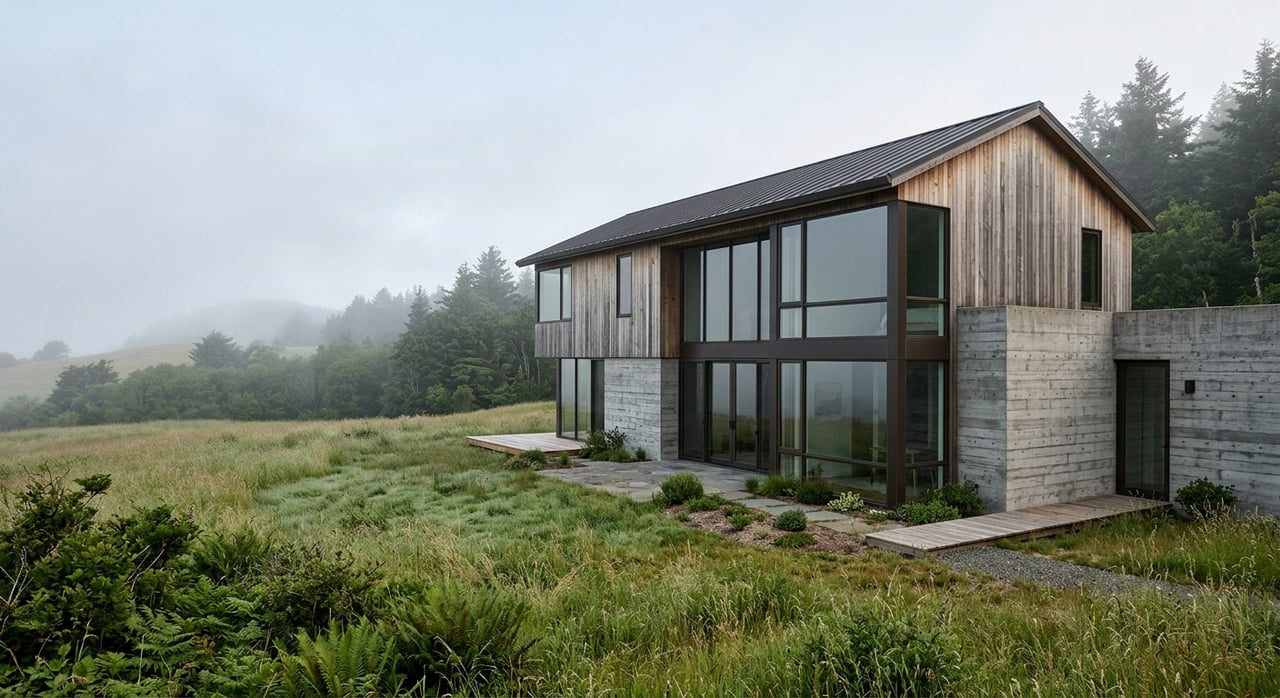
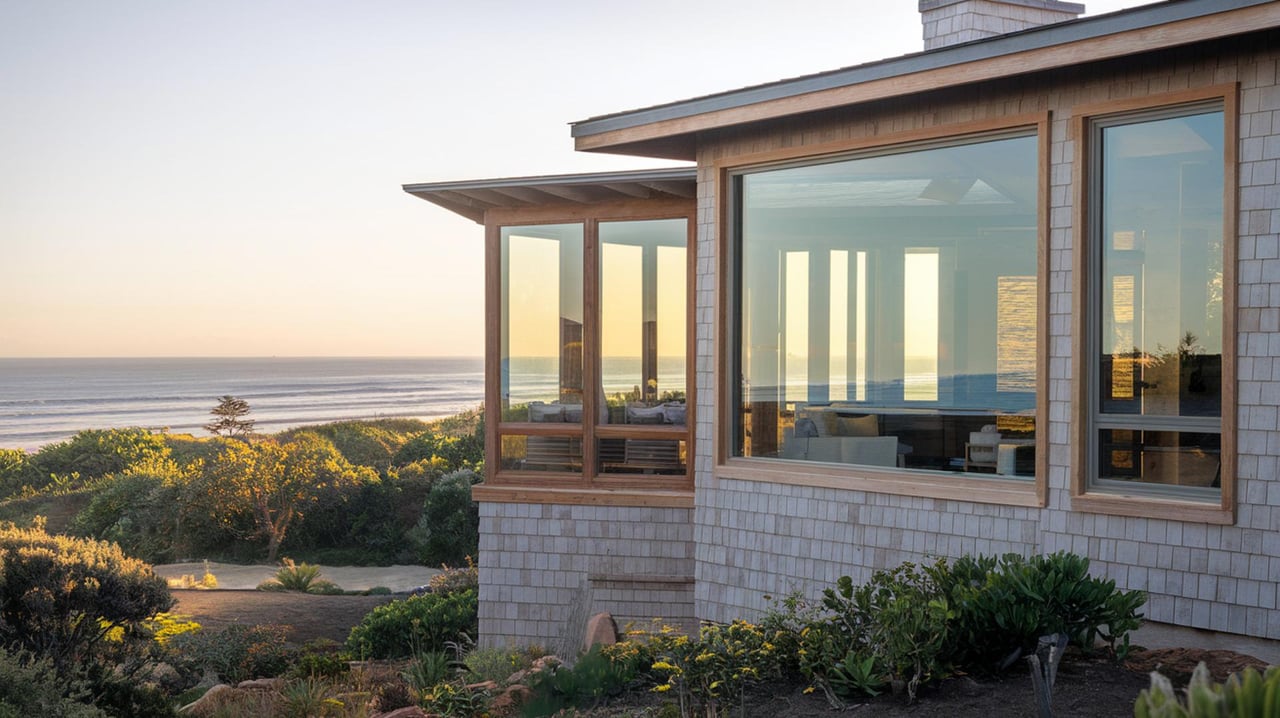
Dreaming of a custom coastal escape near Valley Ford or along the Marin shoreline? The views are unforgettable, but buying raw land by the ocean comes with extra rules, reports, and timelines that can surprise even seasoned buyers. You want confidence before you commit. This guide gives you a clear, step-by-step checklist to vet any parcel and avoid costly detours. Let’s dive in.
Start with jurisdiction
Before anything else, confirm where the parcel sits and who regulates it. Valley Ford is in western Sonoma County, while San Rafael and most nearby Bay shoreline parcels are in Marin County. If the land lies inside the California Coastal Zone, your project must align with the local jurisdiction’s certified Local Coastal Program, and you may need a Coastal Development Permit.
Verify the assessor’s parcel number, zoning, and general plan land use. Review easements, access rights, conservation or open-space restrictions, and any agricultural designations such as Williamson Act status. These set the rules for allowable uses, setbacks, and where a building envelope can go.
Access and road readiness
Confirm legal vehicular access by checking for a recorded easement to a public road. Then evaluate the physical condition of the access road, including grade, surfacing, drainage, and any bridges or culverts. Determine who maintains it: county, HOA, or shared private agreement.
Planned new development can trigger county road standards. Road upgrades and encroachment approvals add time and cost, and they can become critical-path items for your schedule.
Utilities and septic reality
Sewer service is limited in many coastal pockets. If no public sewer is available, plan on an on-site septic system, which can limit the number of bedrooms and drive site layout. Septic feasibility is often the make-or-break factor for rural coastal parcels.
Identify the water source. You might rely on a private well, a shared well, or a local water district. Check available well logs for nearby properties to estimate likely depth and yield, then confirm county requirements for any new well.
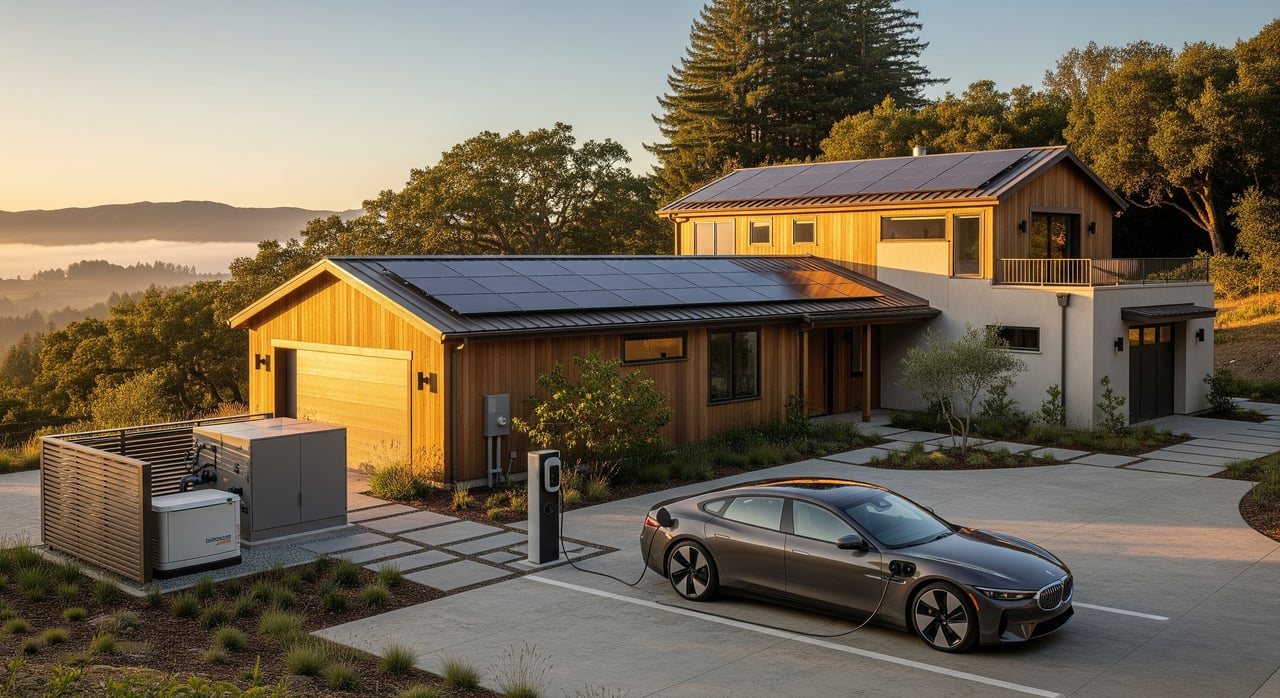
Map out power and communications. Consider the distance to the nearest transformer and potential trenching. Utility extensions can be expensive, while solar with battery and a backup generator may offer practical alternatives depending on your site and design.
Septic feasibility and groundwater
County Environmental Health will require percolation testing and septic design before you can build. Coastal soils, marine clays, shallow bedrock, and seasonal high groundwater can limit or prevent conventional systems. Confirm separation distances from water resources and identify any constraints to leach field placement.
Because a failed septic feasibility test can end a deal, build this step into your offer contingencies and schedule. A strong plan protects your deposit and timeline.
Soils, geotech, and topography
Order a boundary and topographic survey early. For sloped sites or coastal bluffs, a geotechnical engineer should evaluate bluff stability, slope stability, landslide potential, liquefaction risk in nearshore or bayland soils, and any expansive clay.
Expect site-specific bluff-stability analysis and a geologic hazards report if you are on or near a coastal bluff. Findings from these studies determine foundation type, required setbacks, allowable footprint, and mitigation scope.
Flooding and sea-level rise
Check FEMA Flood Insurance Rate Maps and look for signs of tidal inundation or storm surge. Incorporate sea-level rise projections and local erosion rates into your long-term planning. On bluff-top lots, required setbacks that account for erosion over the structure’s design life can materially shrink buildable area.
If your parcel is low-lying, flood zones can trigger elevated foundations and flood insurance. Accurate early screening helps you decide if the site aligns with your risk tolerance and budget.
Biological and cultural resources
Coastal parcels frequently contain sensitive habitats, wetlands, riparian corridors, dunes, or protected plant and wildlife species. A desktop review of known resources is a smart first look, followed by field surveys as needed. If impacts are likely, you may need permits and mitigation through state and federal resource agencies.
Cultural resources also matter along the coast. Many projects require a cultural resources survey and tribal consultation. Unrecorded archaeological sites can pause construction until mitigated, so set realistic expectations for time and scope.
Fire hazard and safe design
Review local fire hazard severity designations and defensible-space requirements. Depending on your zone, you may need specific building materials, safe driveway geometry for emergency access, on-site water storage or hydrants, and fuel management.
These standards can influence your site plan and construction costs. Early coordination keeps your design aligned with safety requirements.
Permits and approvals snapshot
Your permitting path depends on location, site conditions, and project scope. Common approvals include:
- Coastal Development Permit when inside the California Coastal Zone
- County building and grading permits
- Septic permit from County Environmental Health
- Well permit and associated county or state reporting
- Construction stormwater coverage and related permits through the Regional Water Quality Control Board
- U.S. Army Corps of Engineers permits for work affecting wetlands or waters, plus related state approvals
- California Department of Fish and Wildlife agreements if streams or riparian areas are affected
- CalFire and local fire authority reviews
- CEQA review if the project is discretionary
- Encroachment permits for driveway or utility connections
Common technical studies
- ALTA/boundary survey and topographic survey
- Geotechnical report, including bluff-stability analysis where applicable
- Soils investigation, percolation tests, and septic design
- Biological assessment and wetland delineation with protected-species surveys
- Archaeological and cultural resources survey with tribal consultation
- Hydrology and drainage report with a stormwater control plan
- Grading and erosion control plan
Timelines and budgeting
Set expectations for a multi-step process. Title and survey work can take 2 to 8 weeks. A geotechnical report often requires 4 to 12 weeks, while percolation tests and septic design typically run 2 to 8 weeks. Coastal Development Permit processing can range from several months to 1 to 2 or more years depending on complexity and appeals.
Costs vary by parcel size and complexity. Surveys may start near the low thousands and rise with scope. Geotechnical work can range from several thousand into the tens of thousands. Septic tests and design can span a similar range. Utility extensions and road improvements can reach into the tens to hundreds of thousands when distances are long or terrain is challenging.
Plan for a contingency beyond construction estimates. Many coastal buyers reserve 10 to 30 percent or more for unforeseen site conditions and mitigation driven by permit findings.
Smart buyer sequence
Follow a practical order to protect your time and budget:
- Preliminary checks before you write an offer
- Confirm APN, county, zoning, and Coastal Zone status. Review aerial imagery for bluffs, wetlands, and access.
- Screen FEMA flood zones and local sea-level rise mapping resources, and note any apparent constraints.
- Order key documents
- Title report with recorded easements and covenants.
- Preliminary boundary and topographic survey, or include it as a contingency.
- Early technical feasibility
- Speak with County Environmental Health about septic and well requirements.
- Review nearby well logs to estimate depth and yield if you will need a new well.
- Commission a geotechnical desk review to flag bluff, landslide, or seismic risks.
- Conduct a biological and wetland desktop review to anticipate required studies.
- Regulatory screening
- Meet with a county planner for a pre-application consult and a clear list of required permits.
- If inside the Coastal Zone, confirm Coastal Development Permit steps and typical conditions.
- Check with the local fire authority on water supply and defensible-space needs.
- Budget and schedule buildout
- Obtain proposals from geotechnical, civil, biological, and septic consultants.
- Seek preliminary quotes for roadwork and utility extensions if needed.
- Contingency and insurance
- Build time and cost buffers for mitigation and any CEQA review.
- Explore insurance availability and likely premiums early, especially for flood or wildfire exposure.
Long-term risks and insurance
Plan for the full life of your structure. Coastal erosion can outpace models, and armoring such as seawalls may be limited in many areas. Sea-level rise can change flood risk and, in some cases, influence what agencies allow today and in the future.
Parcels in higher fire-hazard zones often require enhanced building standards and can carry higher insurance costs. Seismic and landslide risks also shape design and structure type. Because insurance availability affects financing, check options early, including standard homeowners, flood coverage where applicable, and high-wildfire alternatives.
Local perspective: Sonoma and Marin coast
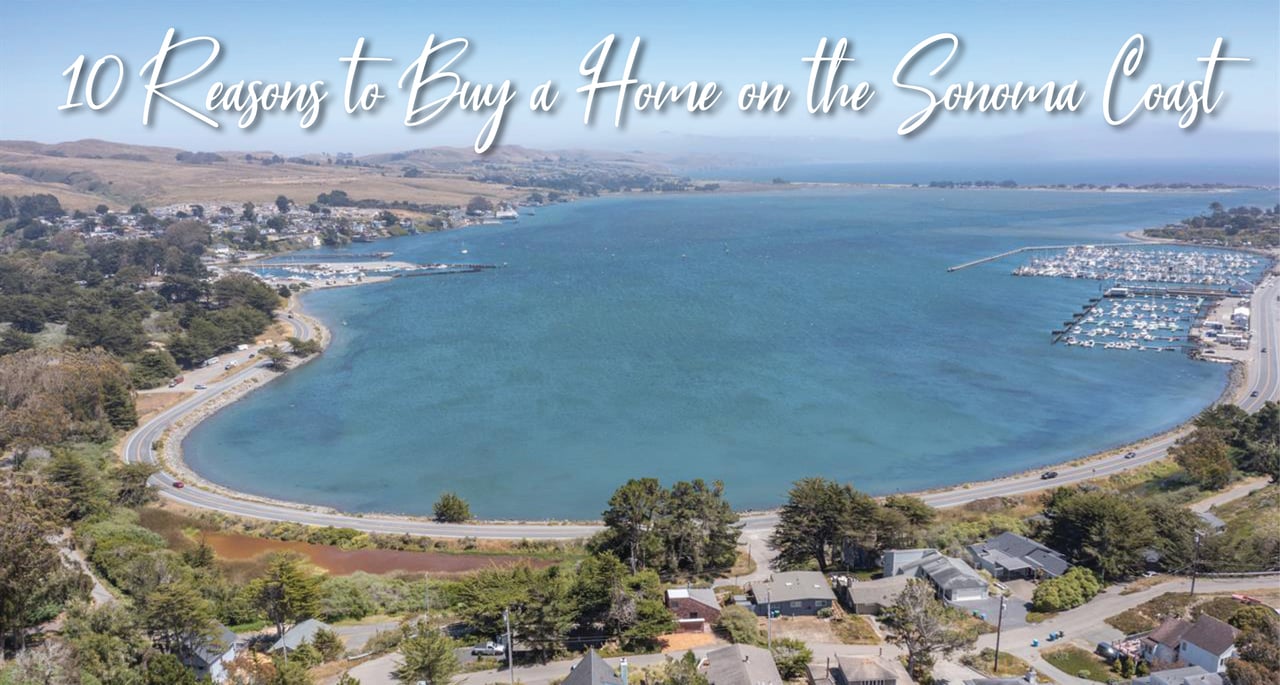
From Valley Ford west to the Sonoma Coast and south toward Marin’s Bay shore, parcel feasibility varies block by block. In Sonoma County, you will work through the Permit & Resource Management Department; in Marin County, you will coordinate with the Community Development Agency for planning. Where the California Coastal Zone applies, Coastal Development Permit pathways and Local Coastal Program policies shape setbacks and mitigation.
Near coastal bluffs, expect robust geotechnical review and setbacks tied to erosion rates. In low-lying baylands and nearshore marsh areas, liquefaction potential and flood design can influence foundation type and finished-floor elevation. Align your goals with the site’s constraints, and confirm feasibility before you fall in love with a view.
Ready to move forward?
Buying land by the coast is exciting, and it rewards thorough preparation. With a clear checklist, the right studies, and realistic timelines, you can move from idea to ground-breaking with fewer surprises. If you plan to enjoy the home seasonally and explore income potential once it is complete, Sonoma Coast Living’s established vacation rental and property management services can help you operate confidently.
For a thoughtful, local conversation about parcels near Valley Ford and along the Marin shoreline, connect with Thera Buttaro. You will get grounded guidance on lots and land transactions and a clear next step that fits your goals.
FAQs
Do I need a Coastal Development Permit near Valley Ford or Marin?
- If your parcel is inside the California Coastal Zone, most new development requires a Coastal Development Permit consistent with the local jurisdiction’s Local Coastal Program.
What makes a bluff-top lot buildable or not?
- A site-specific bluff-stability study and generous setbacks are typical; if erosion risks exceed safe design life, approval may be limited or denied.
What if there is no public sewer for my parcel?
- On-site septic is common on the coast, but you must pass percolation testing and meet setback and groundwater separation standards.
How long can coastal permitting take in Sonoma or Marin?
- Ministerial building permits can move in months if studies are complete, while discretionary coastal projects can take one to several years depending on complexity and appeals.
How do I evaluate wildfire risk and requirements?
- Check fire hazard severity designations, plan for defensible space, and be ready for building standards that may include on-site water storage and specific materials.
What insurance issues should I anticipate near the coast?
- Flood, wildfire, erosion, and seismic risks can raise costs or limit options; review availability and premiums early since lenders will require coverage.
Which early studies should I order first?
- Start with title, survey, and a geotechnical desk review, then line up septic perc tests and biological screening to confirm feasibility before deeper design.