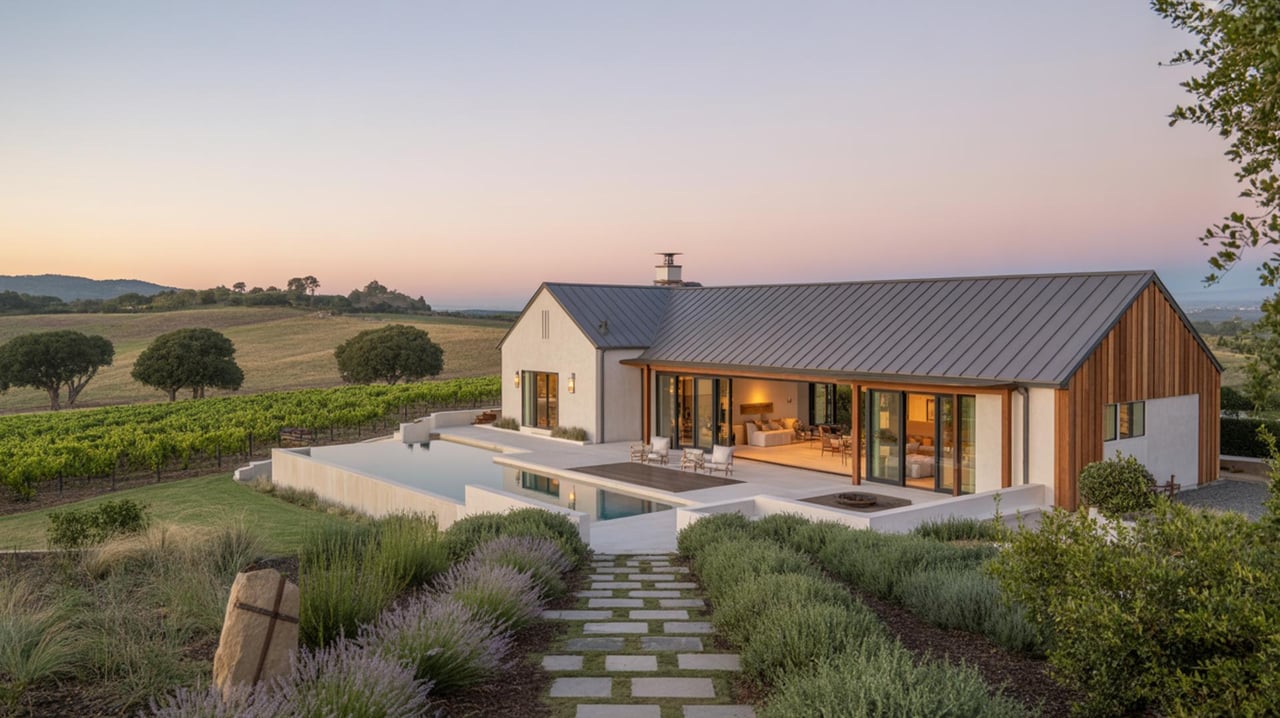
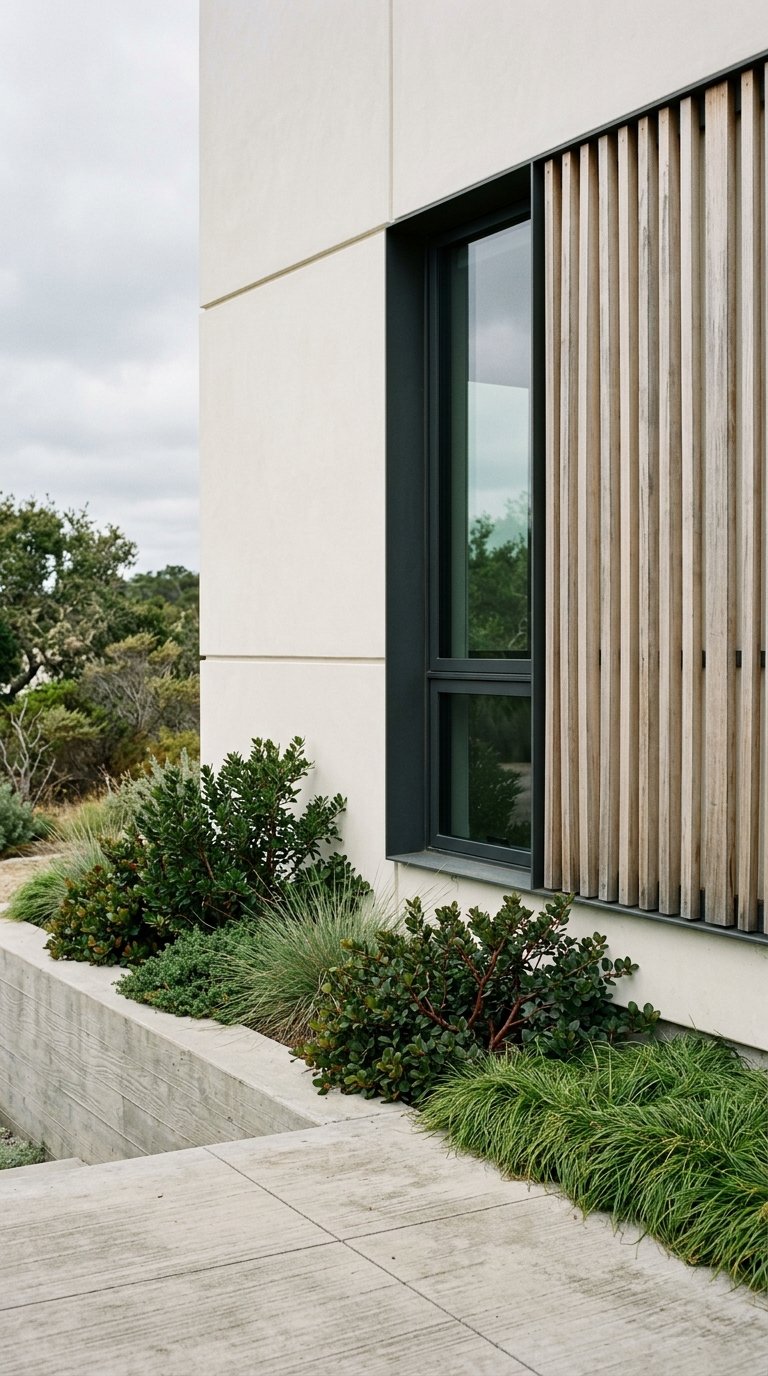
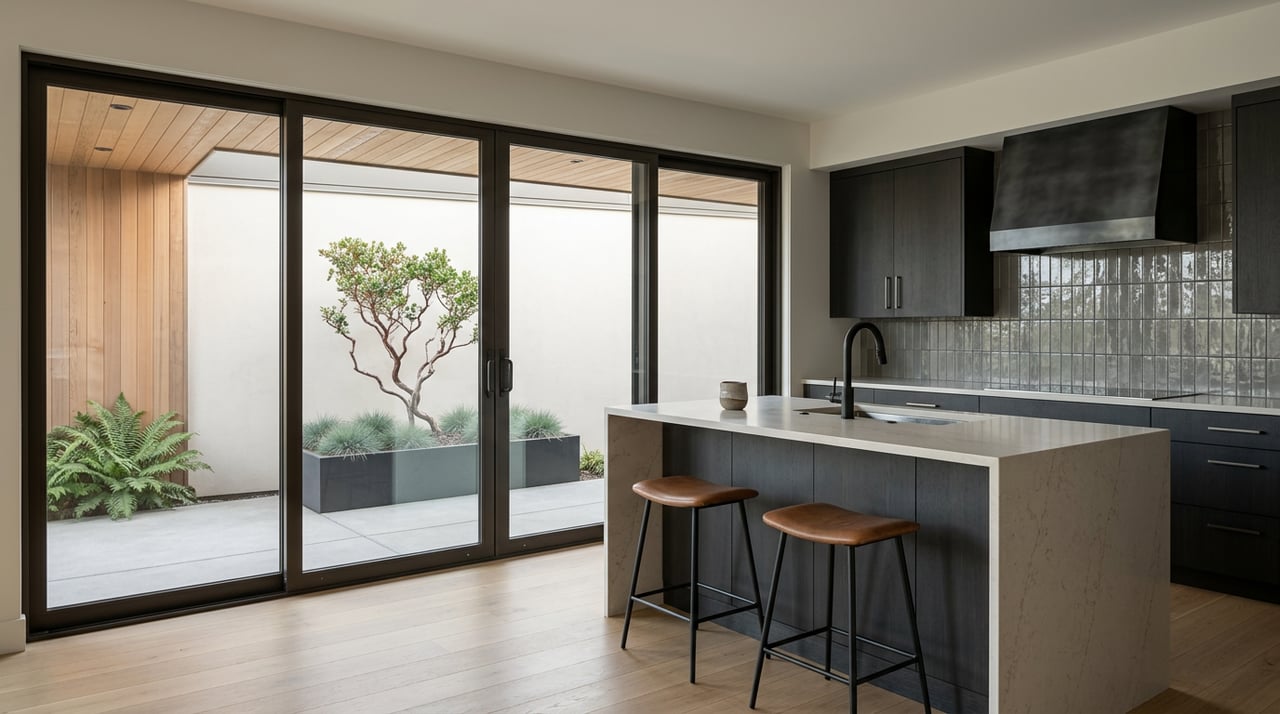
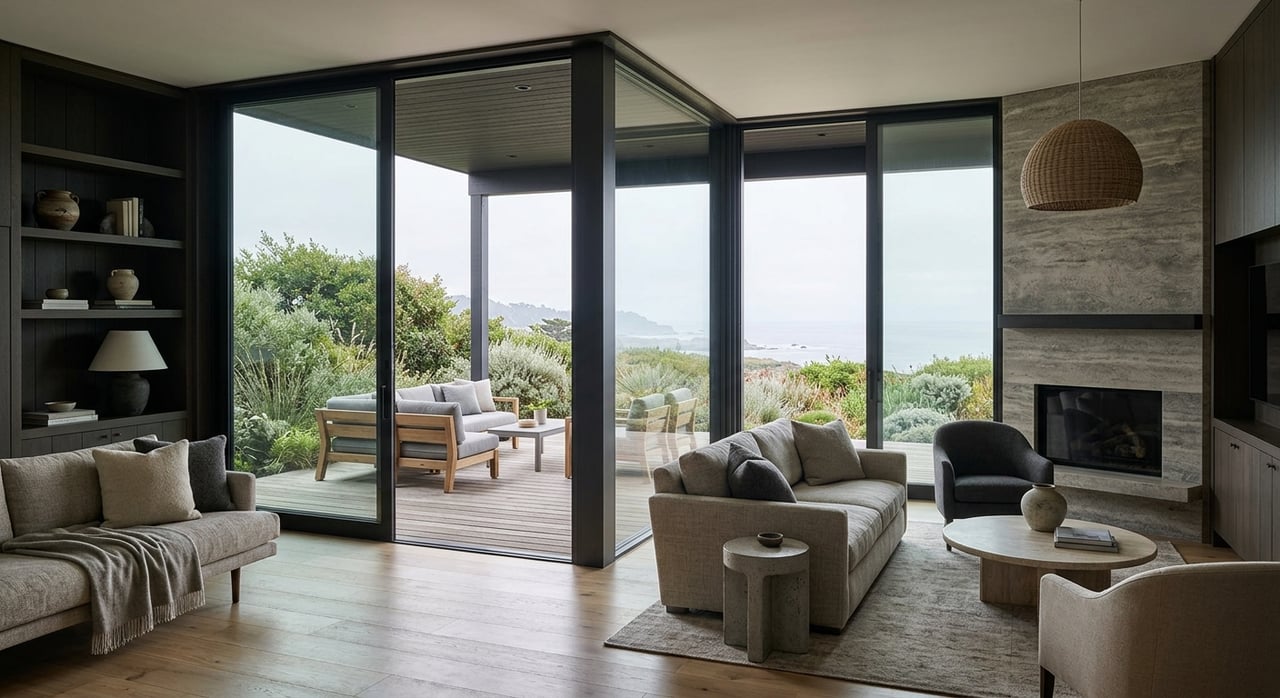
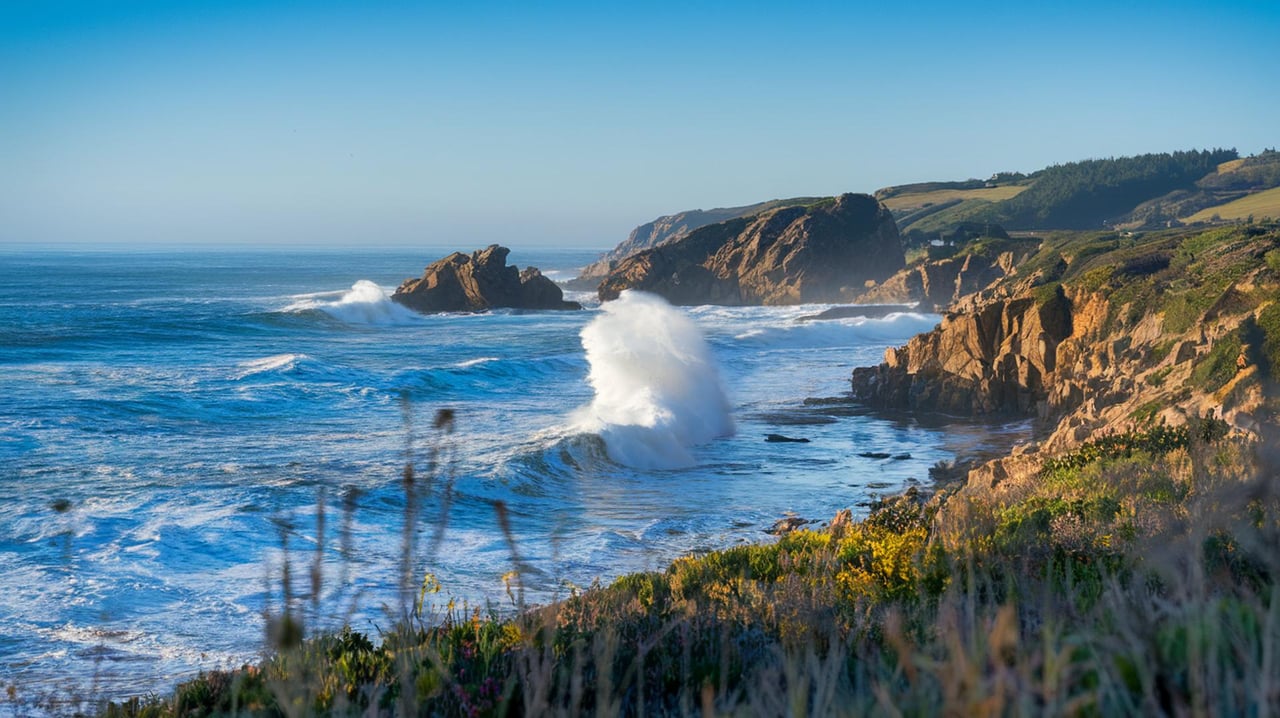
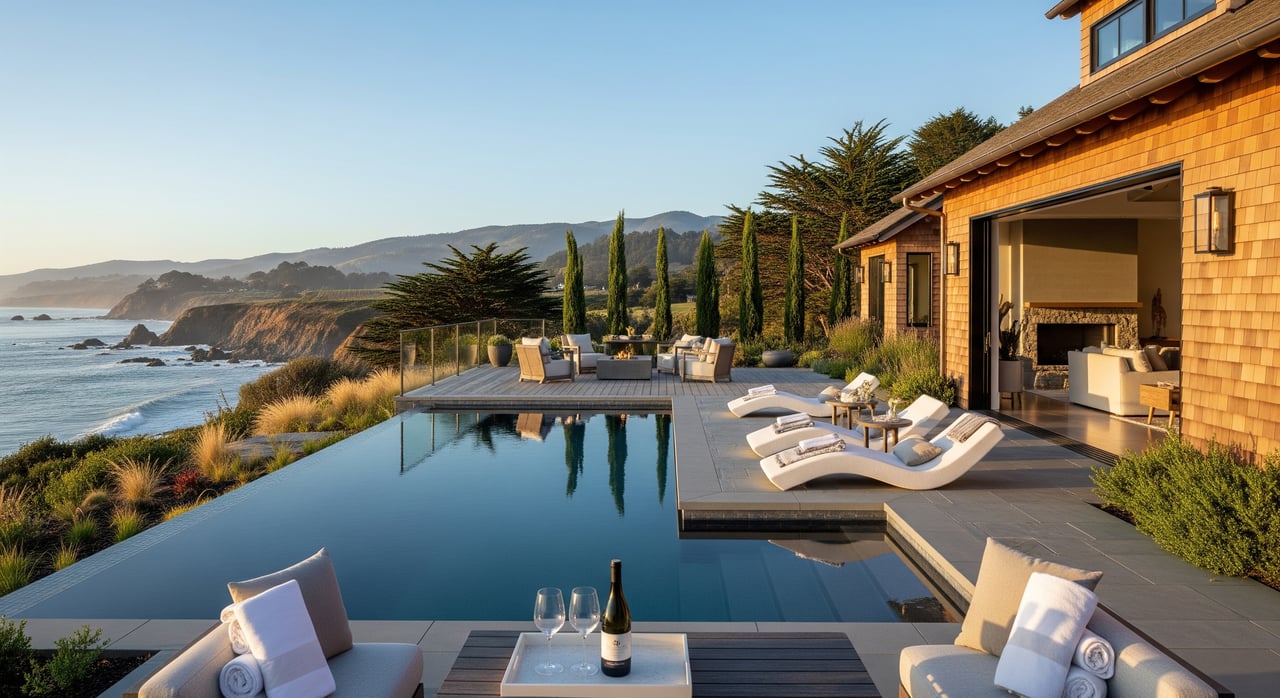
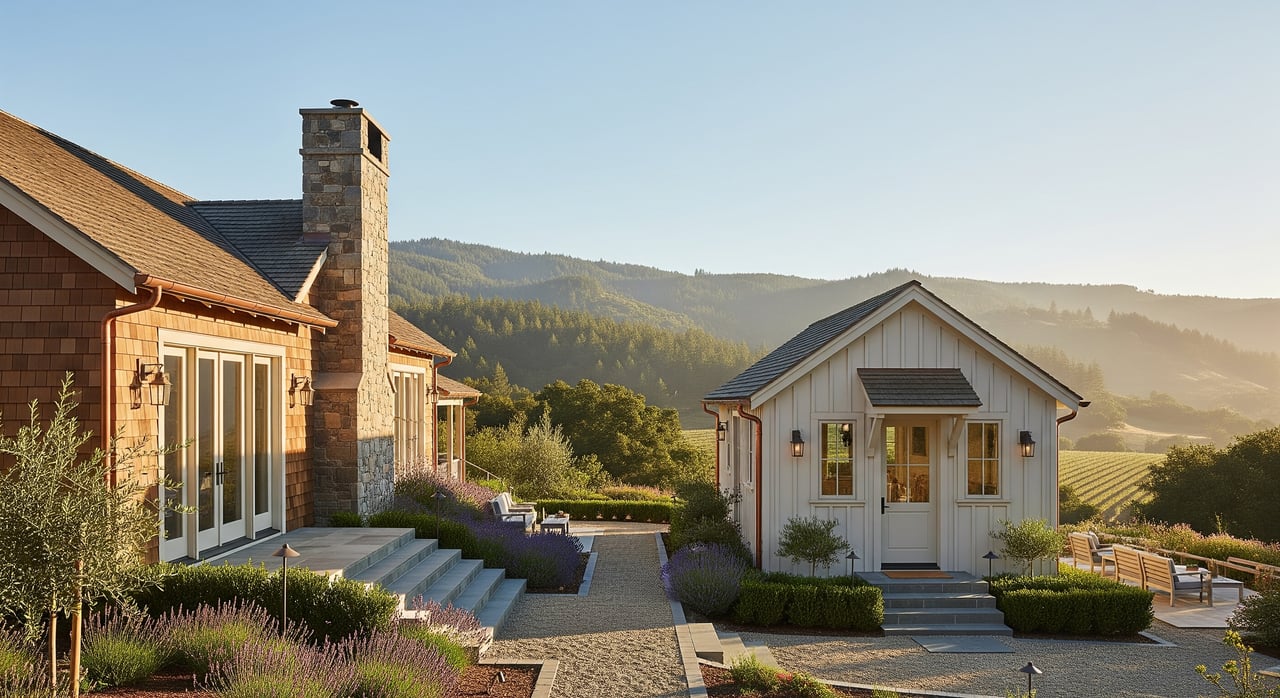
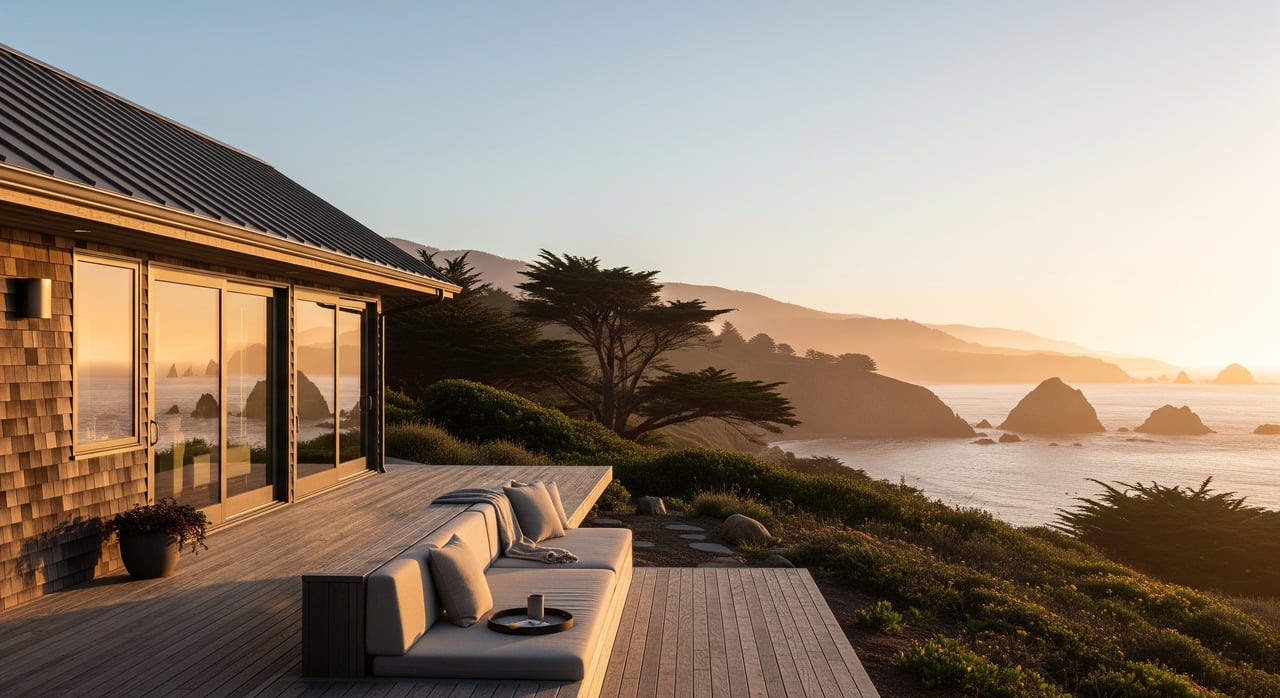
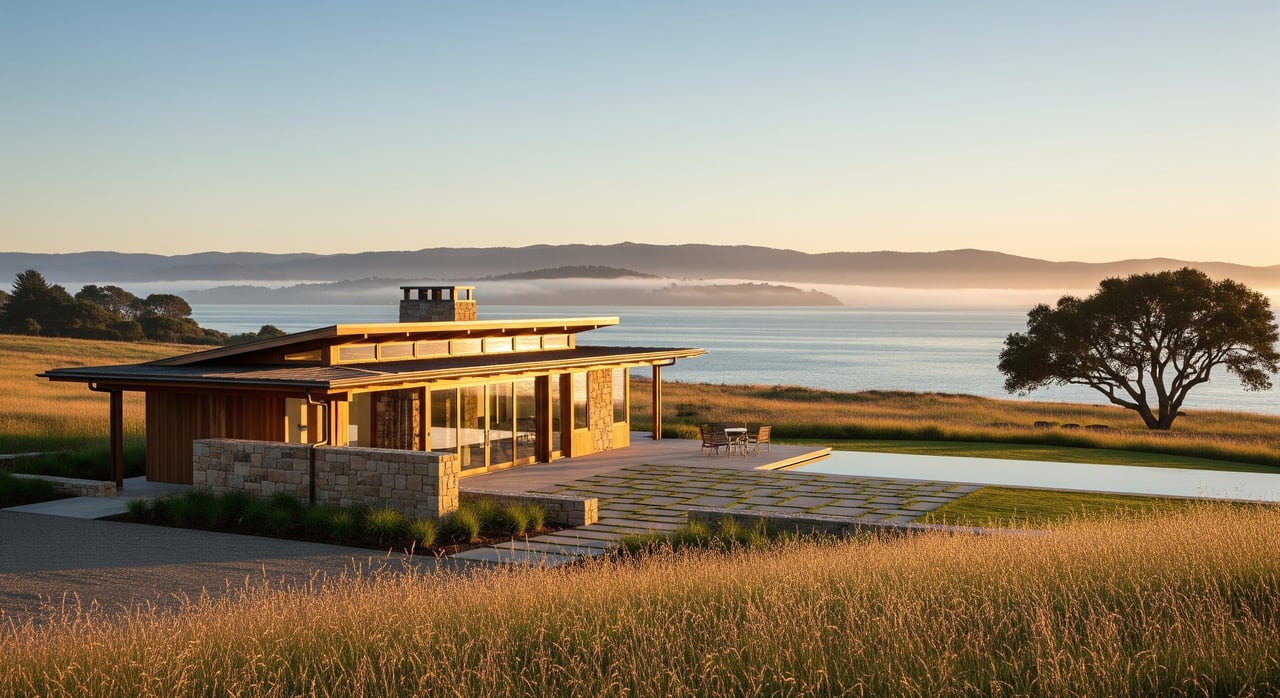
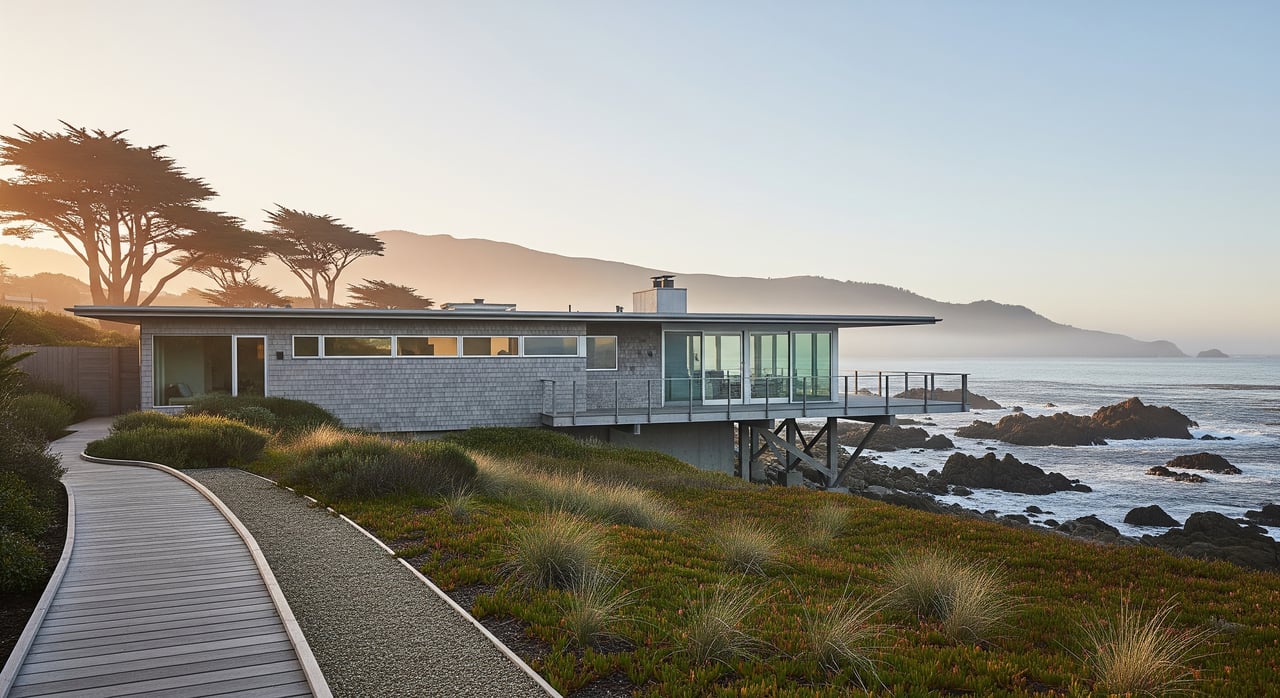
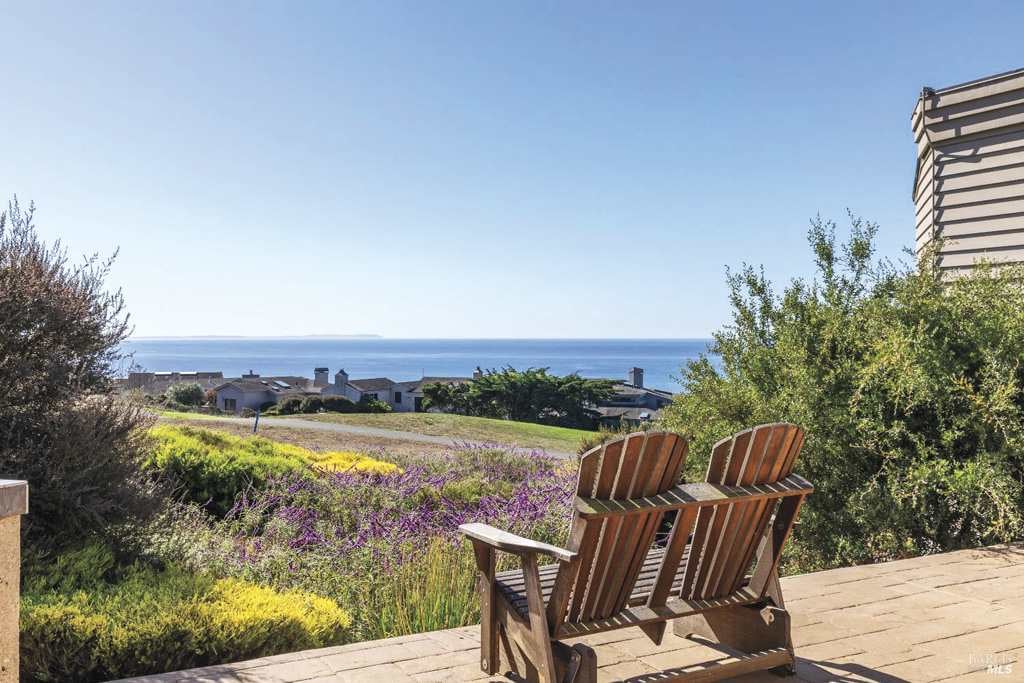
You live in a place where the ocean is the backdrop to every day, so your outdoor space should feel as effortless as that view. In Sereno del Mar, the right design has to do more than look beautiful. It needs to stand up to salt air, strong breezes, fog, and coastal permitting rules while staying low maintenance. In this guide, you’ll learn how to shape wind-smart lounges and dining zones, choose durable materials and lighting, plan fire-safe features, and select plantings that thrive by the sea. Let’s dive in.
Know your site and rules
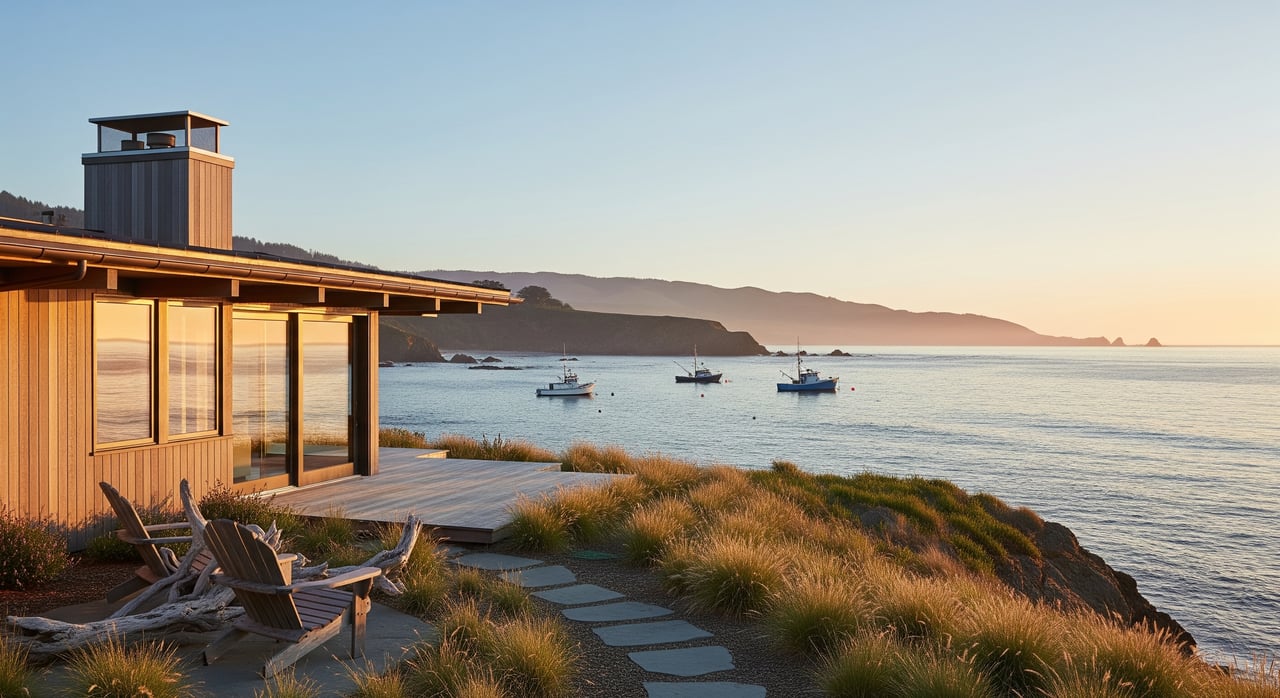
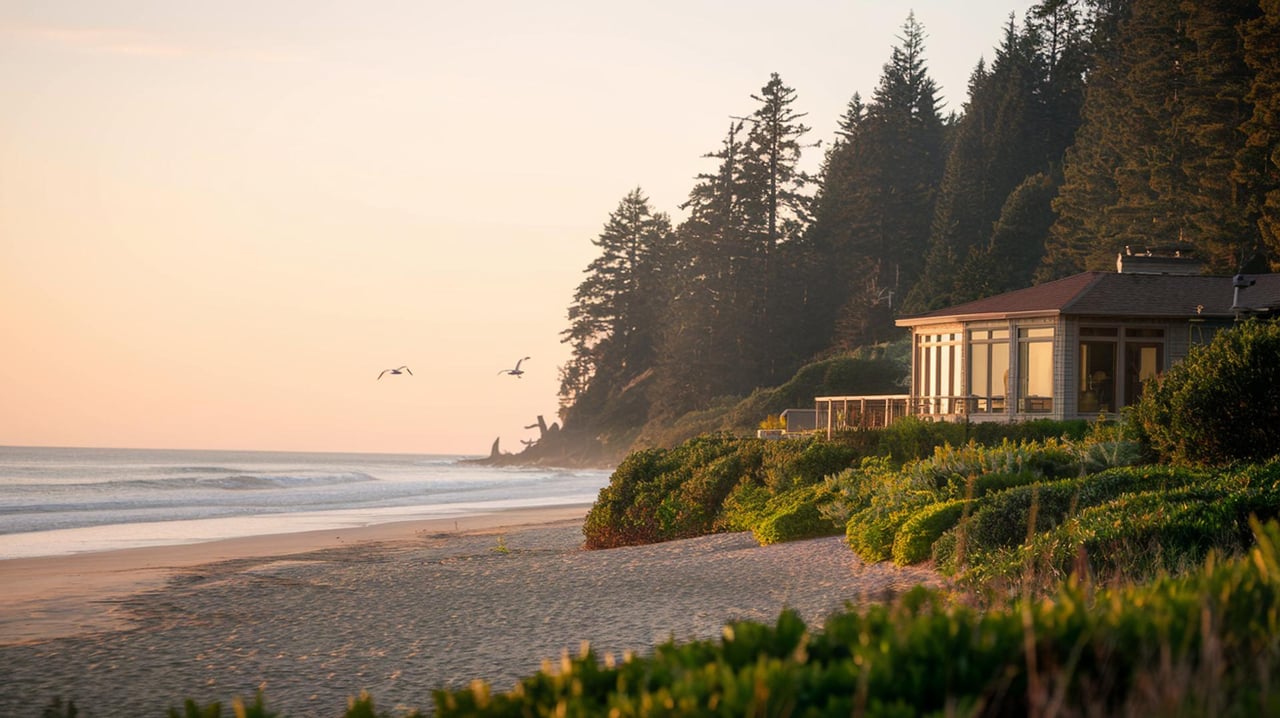
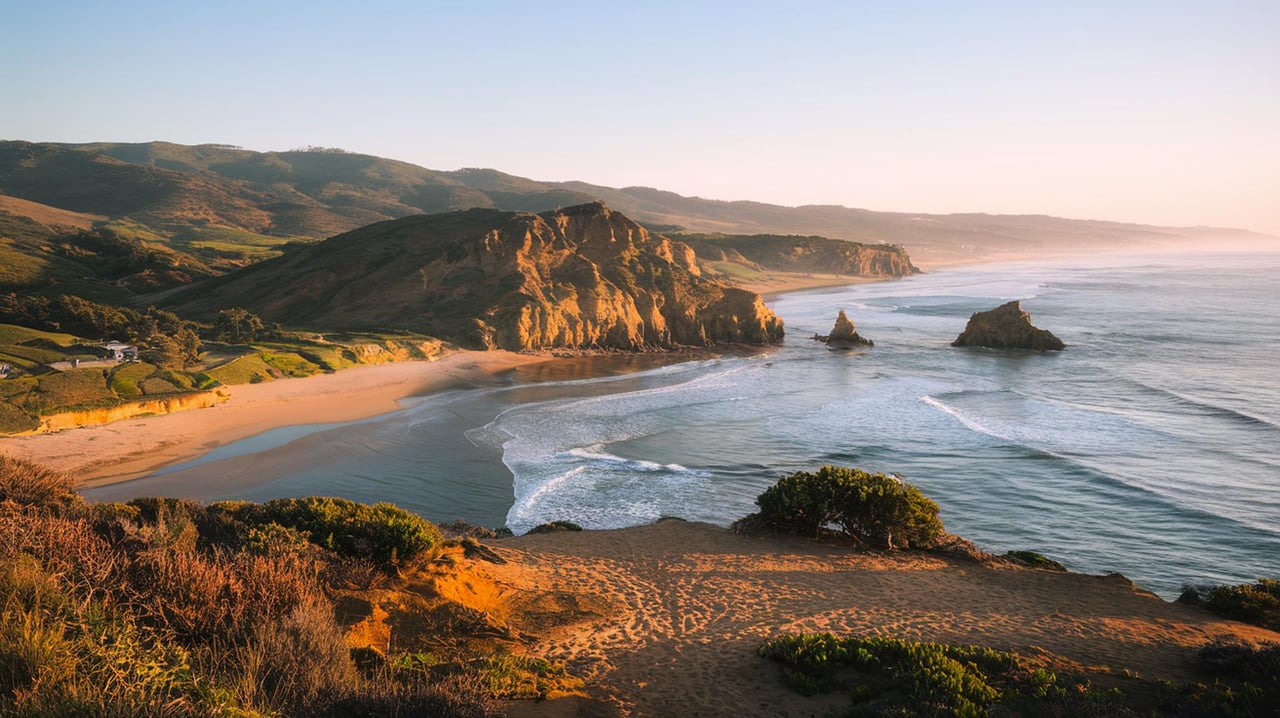
Sereno del Mar is a small coastal community beside Portuguese Beach, with many homes oriented to bluff and beach views and lots where decks do the heavy lifting. For local context and market flavor, explore this quick Sereno del Mar community overview. Your design should honor those sightlines while working with the microclimate.
Plan for a maritime climate with frequent fog, shifting onshore and offshore breezes, and salt spray on exposed elevations. If you want to time work or plan wind screens with precision, check real-time local data using the UC Davis Bodega Ocean Observing Node’s coastal conditions tools.
Because much of the Sonoma coast sits in the Coastal Zone, many fixed improvements can require a Coastal Development Permit. This includes new or extended decks, built-in fire features, and some vegetation work near bluffs. Before you sketch final plans, confirm what applies to your parcel using Permit Sonoma’s Local Coastal Program FAQ.
Wildfire is still a planning factor even at the coast. California guidance calls for home hardening and maintaining up to 100 feet of defensible space, or to the property line, with special attention to ember entry points like deck undersides and vents. Review CAL FIRE’s clear, practical defensible space and home hardening guidance as you place planting, surfaces, and features.
Shape spaces for views and wind
Frame ocean sightlines
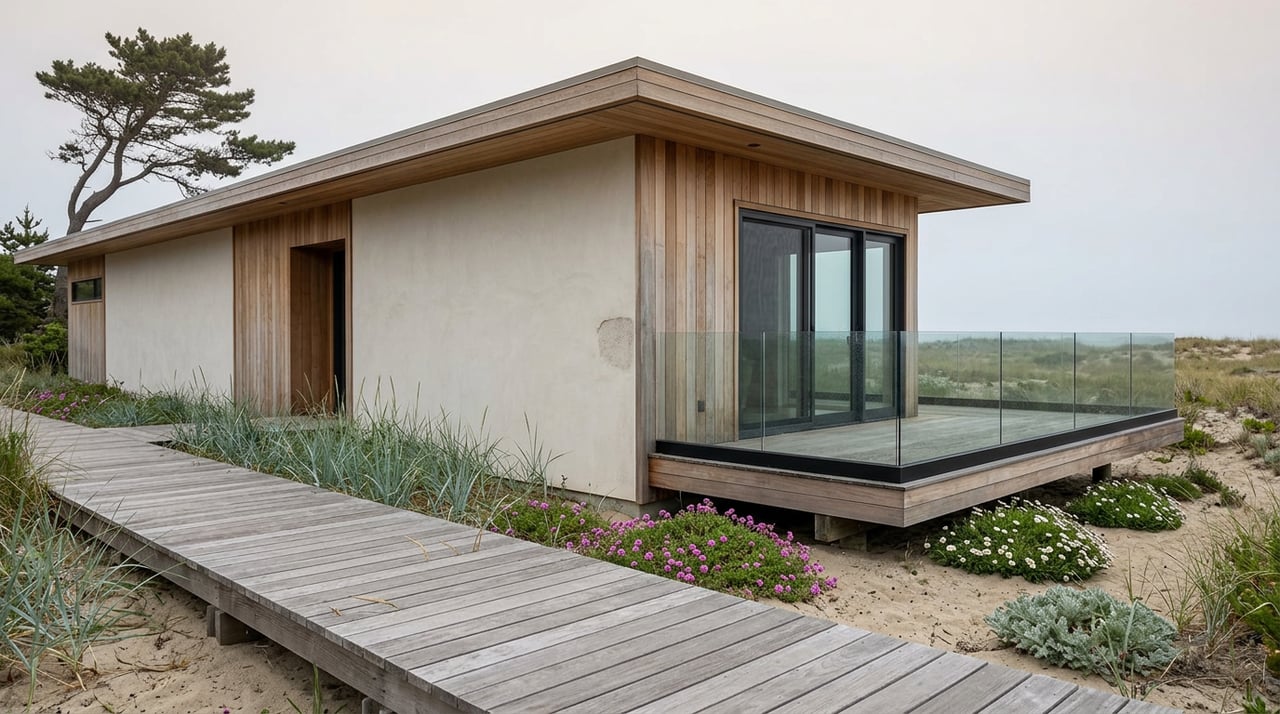
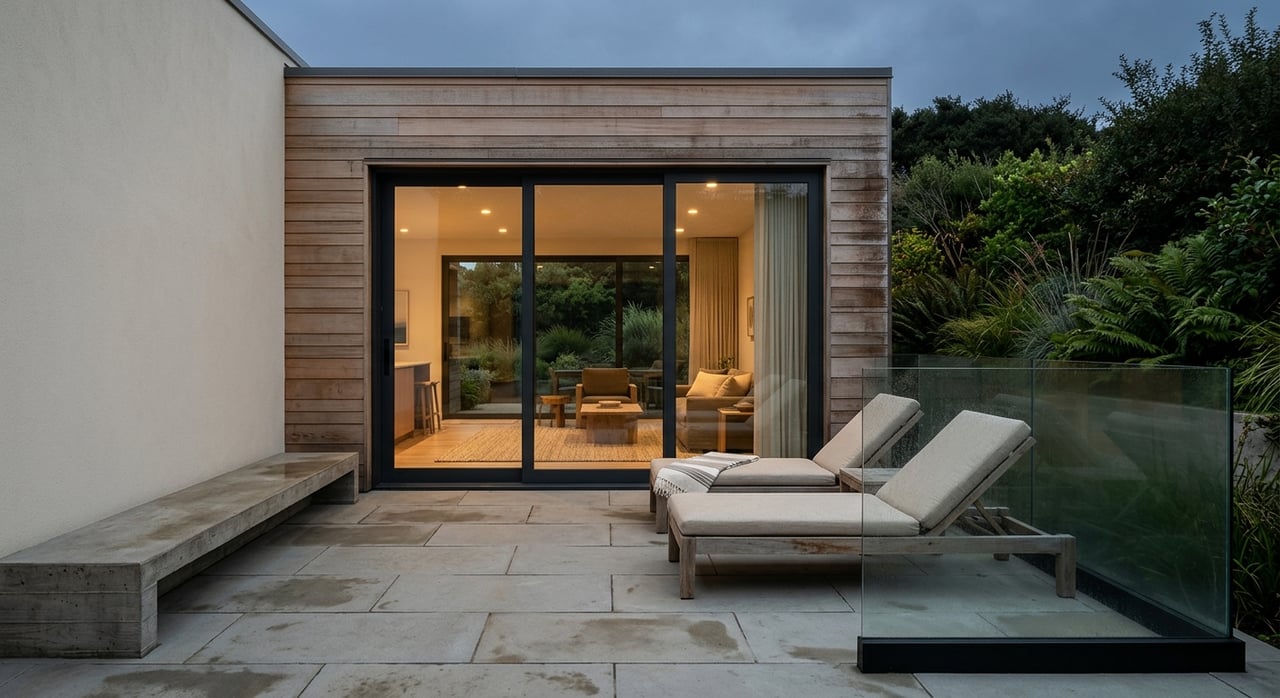
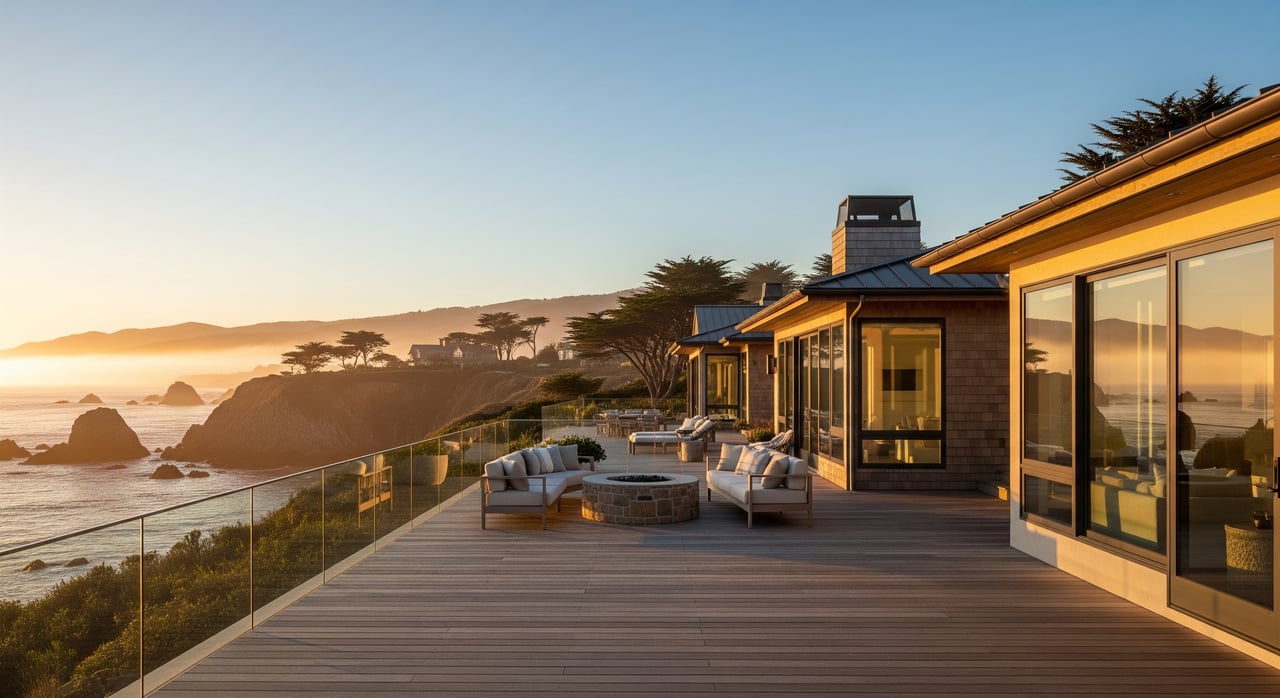
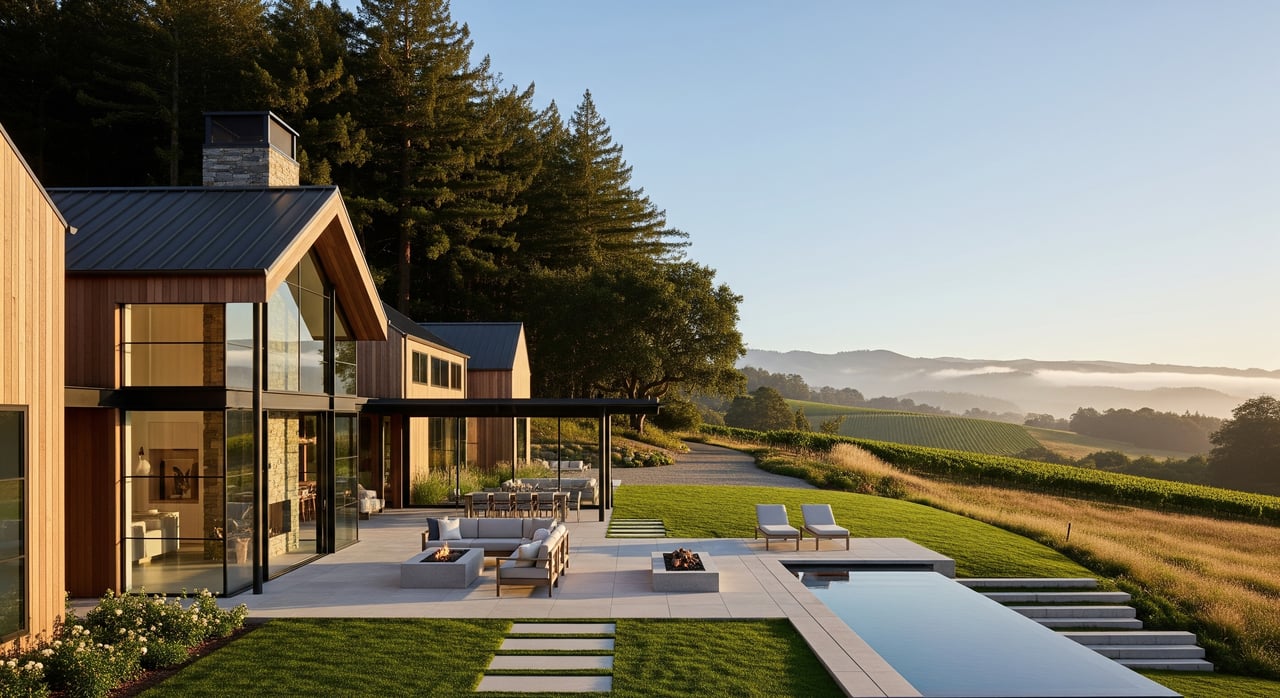
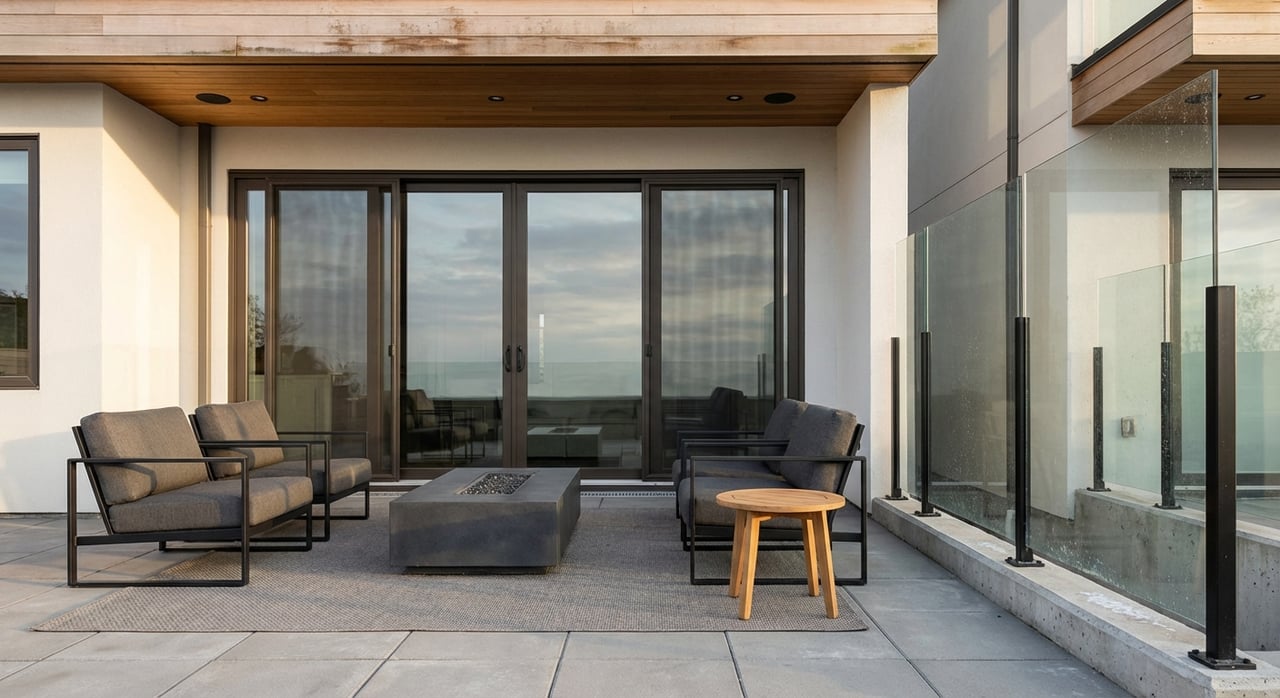
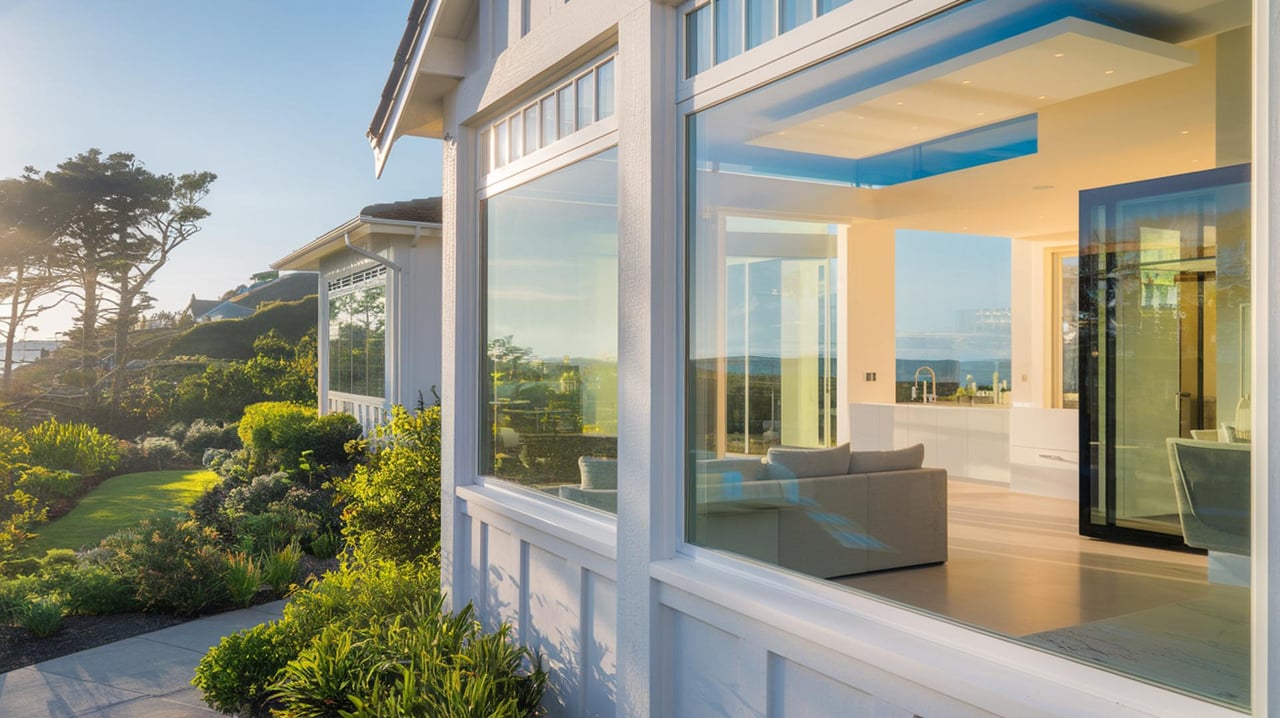
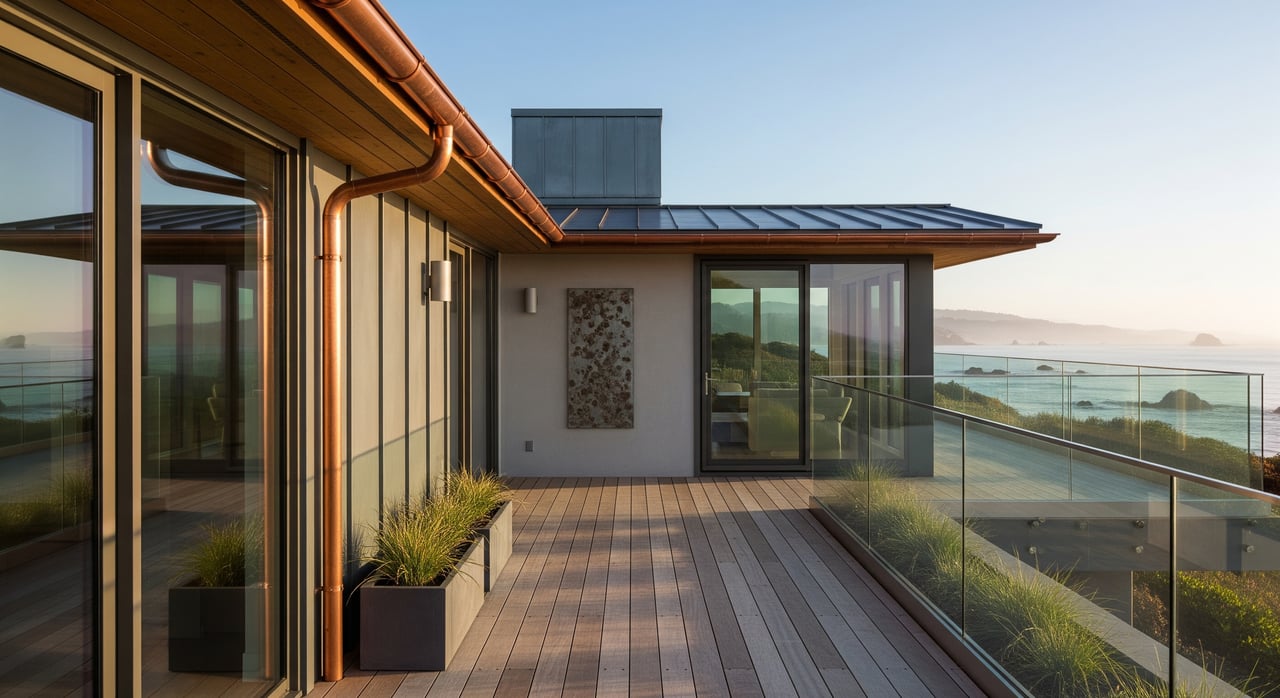
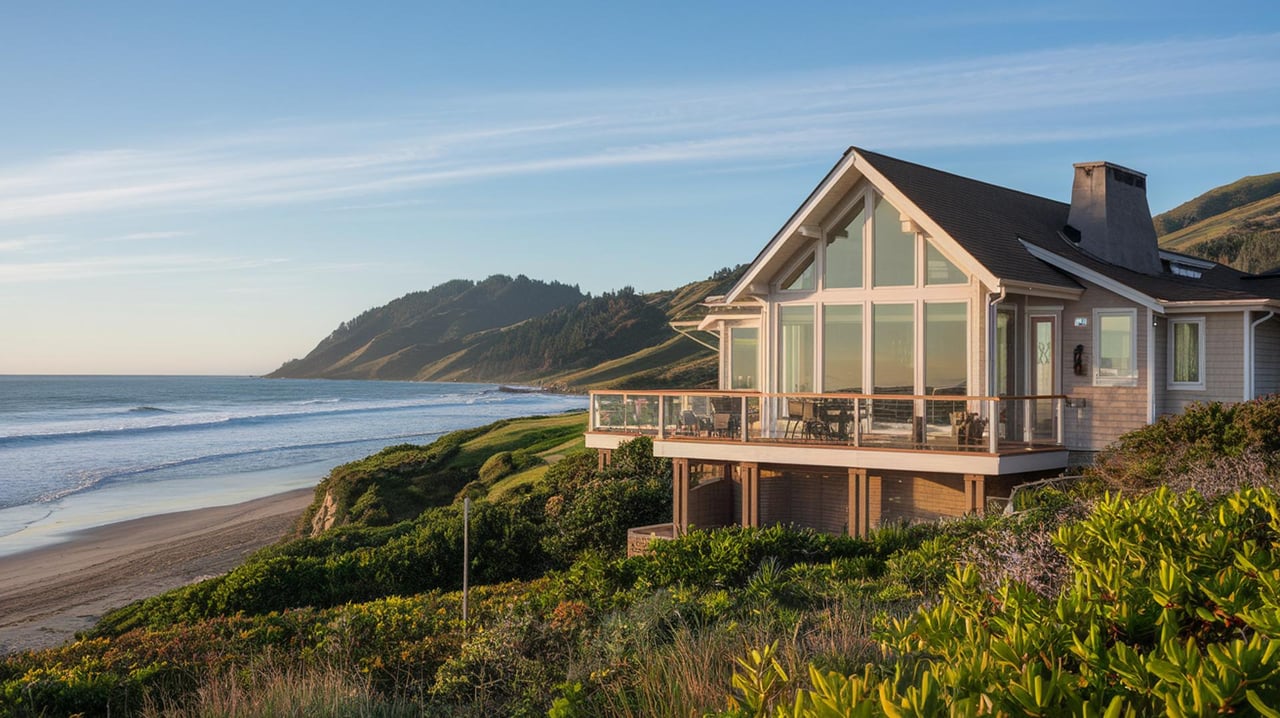
Start by orienting your primary lounge and dining zones to the view you want to celebrate. Keep rails low and simple, and consider glass balustrades where permitted to reduce visual clutter. If your lot sits higher or closer to the bluff, a layered edge of low planters can help define space without stealing the horizon.
Tame wind without blocking the view
Strong breezes are part of coastal life, but they do not have to chase you indoors. Use layered solutions that protect you at seated height without closing off the panorama. Options include glass wind panels or tempered polycarbonate screens and evergreen hedges kept just below eye level. On larger lots, well-placed windbreak plantings can reduce wind speeds behind them, making a lounge usable on days that would otherwise be a no-go.
Create flexible entertaining zones
Break the yard into three simple areas you can adapt with the weather:
- An all-weather lounge with low, heavy seating that resists tipping.
- A dining and meal-prep zone near the kitchen for easy service.
- A small, protected coffee nook that catches morning light.
Choose modular furniture and planters you can reconfigure or weight on gusty days. Keep circulation paths clear so you can move pieces out of the way for a storm or routine maintenance.
Light for sunsets and stars
Evenings on the Sonoma coast are special, and your lighting should respect both the sunset glow and the night sky. Use fully shielded, downcast fixtures with warm color temperatures in the 2200 to 2700 K range. This protects wildlife, reduces skyglow, and still delivers a welcoming ambiance. For principles you can hand straight to an electrician, see this practical dark-sky planning guide.
Add dimmers, timers, or motion controls so light is on only when needed. Zone circuits so you can brighten the dining area while keeping pathways softly lit. Because fixtures will face salt and driven rain, specify marine-capable housings and sealed components with IP65 or IP66 ratings where splash or wind-driven rain may occur. Trade sources outline what to look for in marine-grade outdoor fixtures and ratings.
Choose coastal-tough materials
Hardware and fasteners
Salt air is relentless, so start with the right metal. Use marine-grade stainless hardware and fasteners, commonly 316 or 316L stainless, for exposed locations. Standard 304 stainless corrodes faster in chloride-rich environments. If you are building a new deck or rail, ask your contractor to document hardware grade, finish, and passivation. For a deeper look at why metal choice matters, see this engineering reference on stainless performance in marine settings.
Decking, clips, and structure
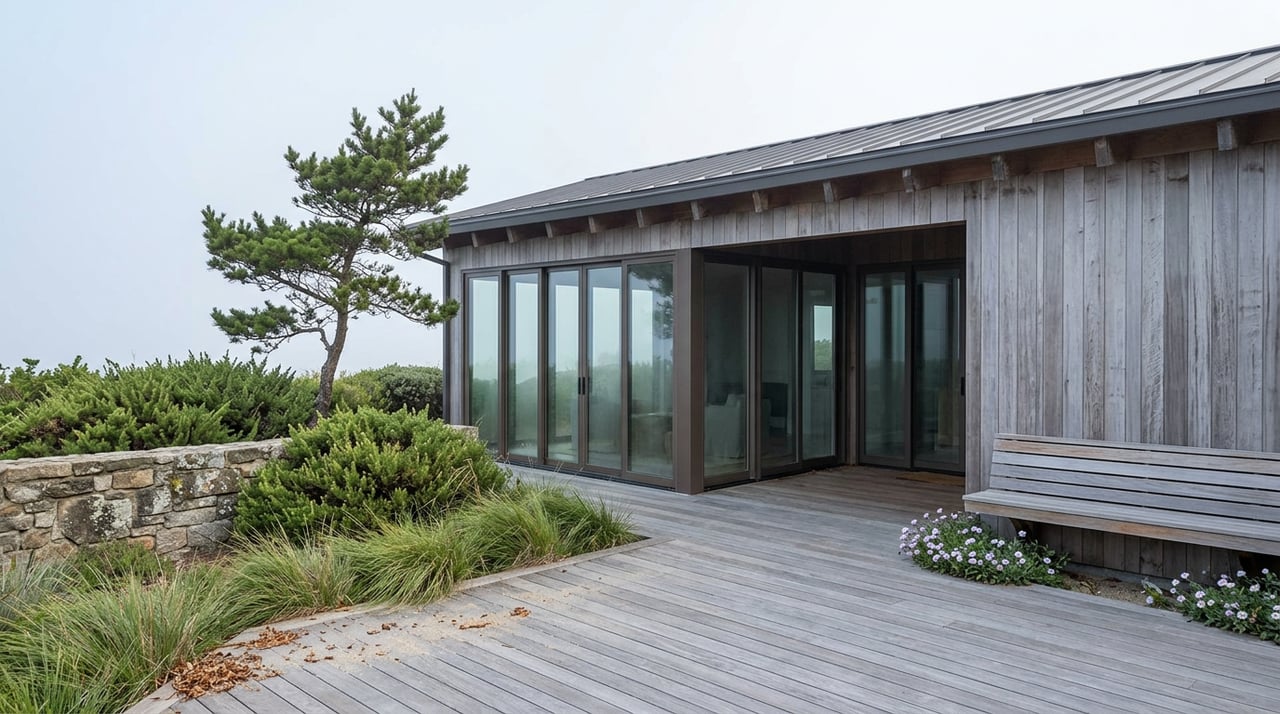
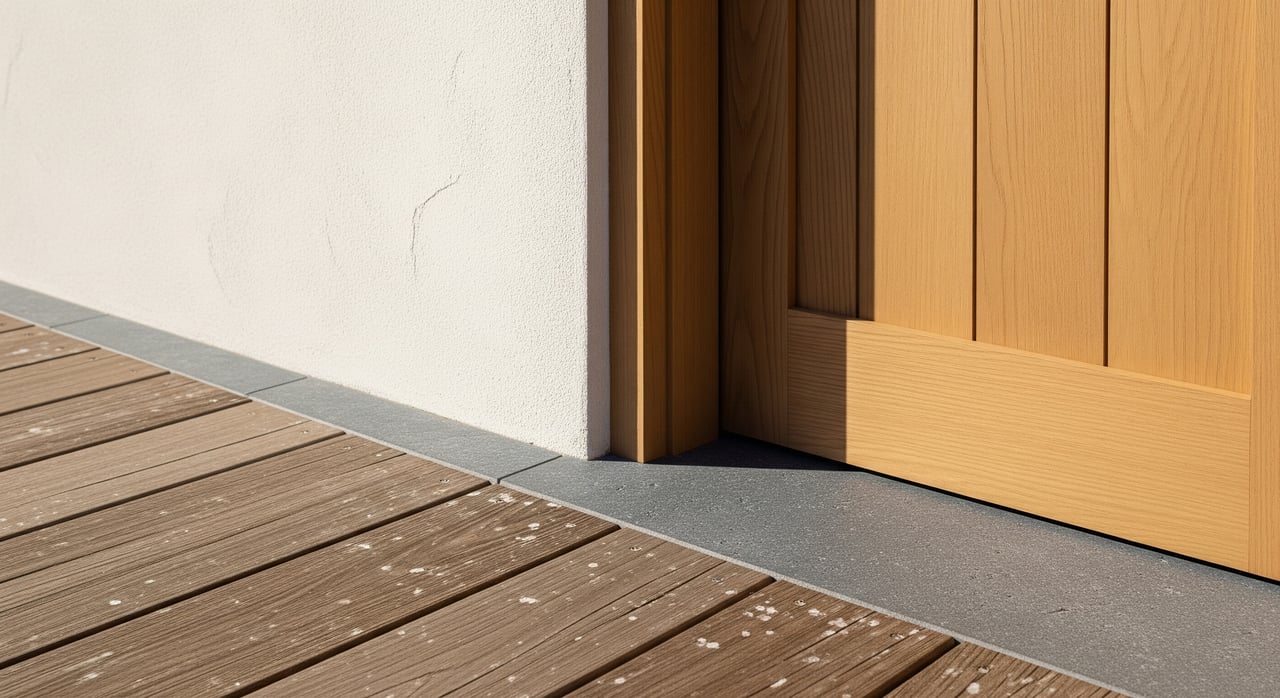
Capped composite decking and dense tropical hardwoods like ipe are reliable coastal choices when detailed correctly. Composites cut down on re-staining, and hardwoods offer a timeless wood feel if you are comfortable with periodic care. Pay special attention to flashing at deck-to-wall connections, and design under-deck enclosures that reduce ember intrusion. For a homeowner-friendly primer, start with this overview of the best coastal materials for Sereno del Mar homes.
Furniture and fabrics
Pick pieces that stay put and clean up easily. Heavy or anchor-capable seating reduces the chance of tipping. Synthetic wicker and HDPE or recycled-poly lumber handle salt and sun well. For cushions, choose solution-dyed acrylic fabrics to resist UV and fading. If you prefer metal frames, specify marine-finish aluminum or 316 stainless, and rinse fabrics and frames occasionally to remove salt crystals.
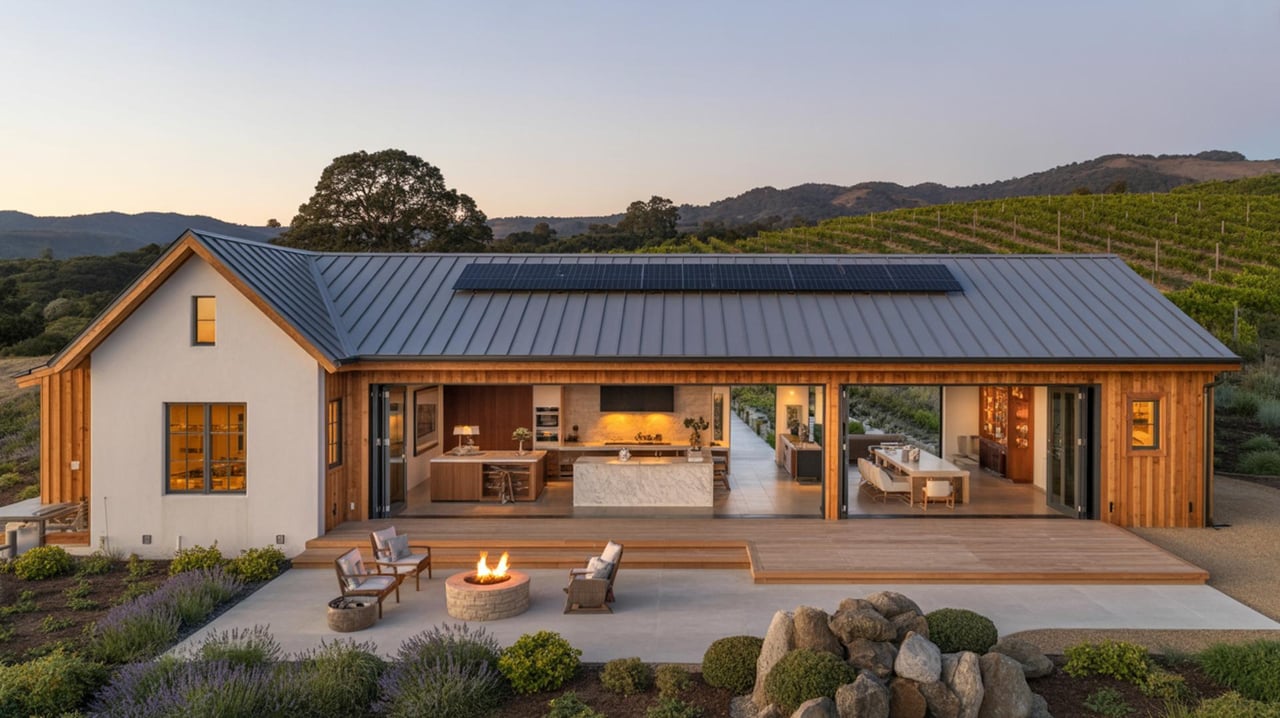
Safe, compliant fire features
A fire feature adds warmth on foggy evenings, but it needs to be both safe and compliant. Wood burning is subject to local air-quality restrictions, and no-burn days are enforced. Gas fire tables or built-in gas pits are often easier to permit and maintain on the Sonoma coast, but you should always confirm local rules. For current guidance, review the Bay Area Air Quality Management District’s wood-burning rules and notices.
Design with defensible space in mind. Maintain proper clearances from combustible materials, and avoid placing features under low eaves or near vent openings where embers could enter. If you are considering a permanent masonry or plumbed gas fire feature, check whether it triggers coastal development review. Permit Sonoma’s Local Coastal Program FAQ is your starting point.
Plant for coast and fire safety
Right-plant, right-place
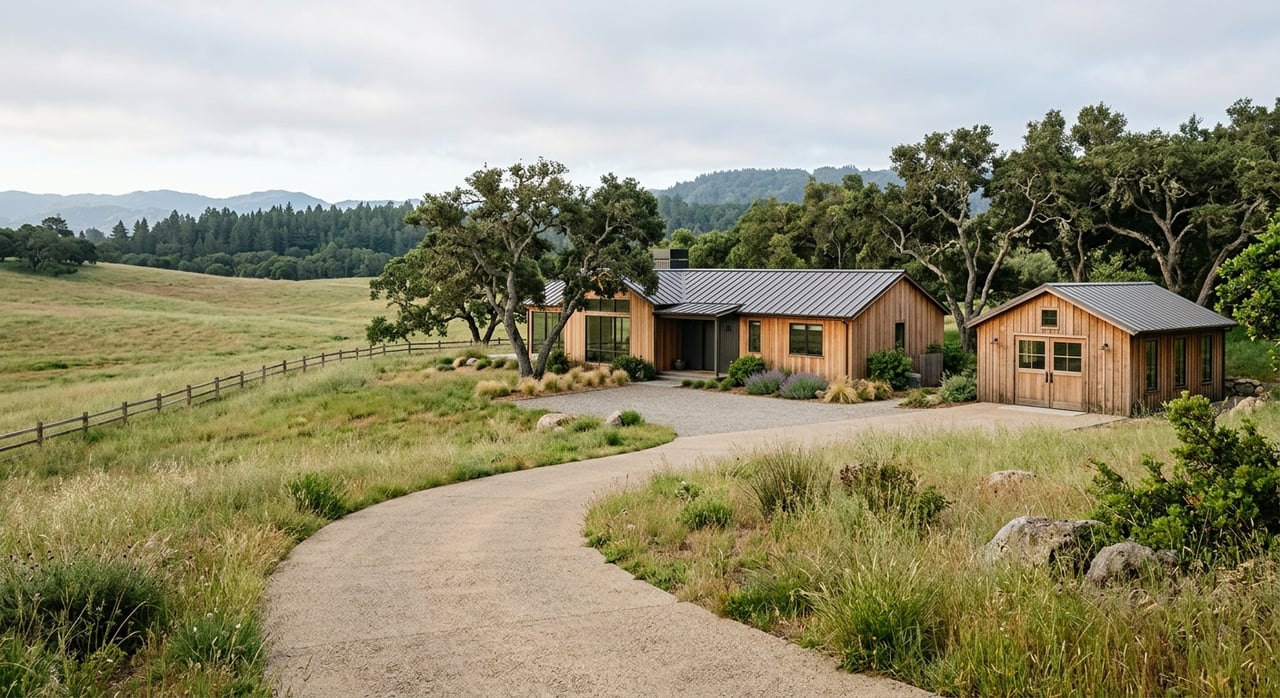
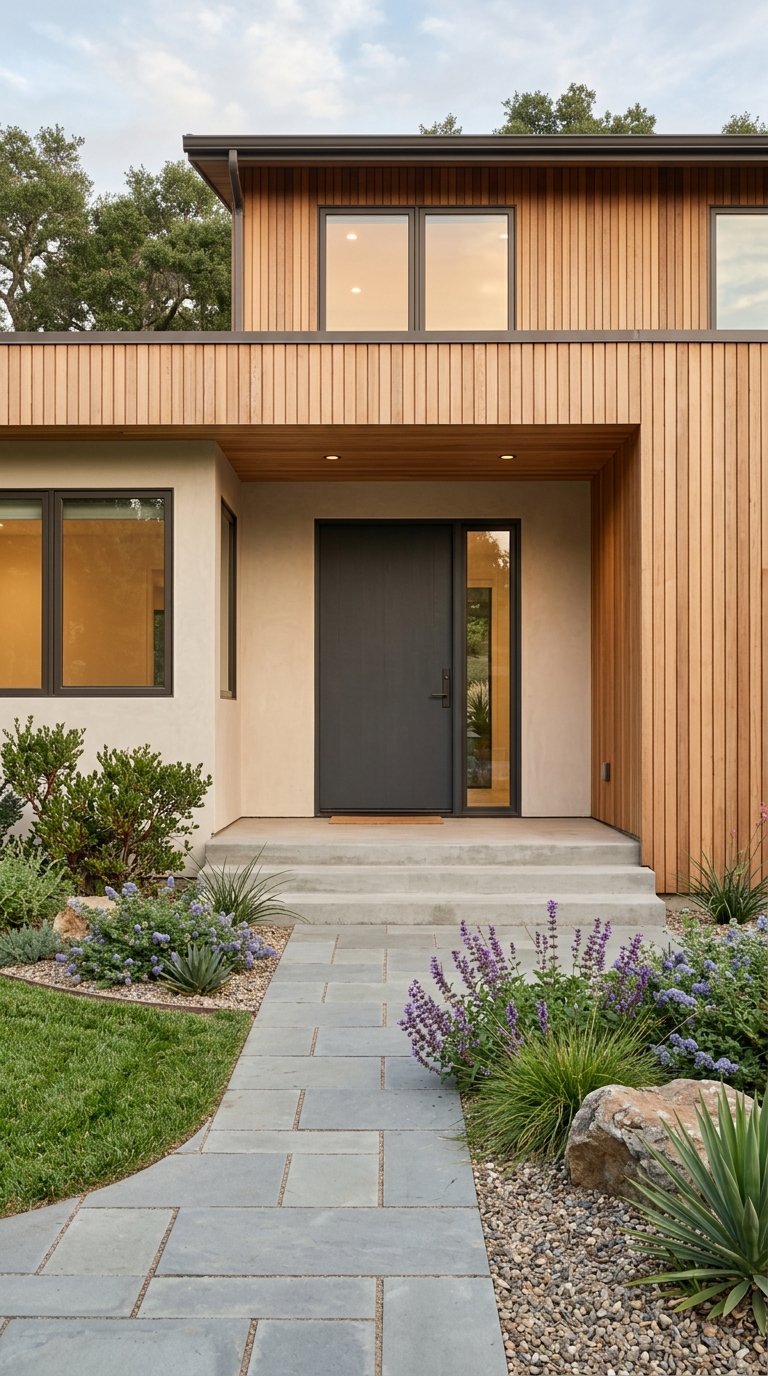
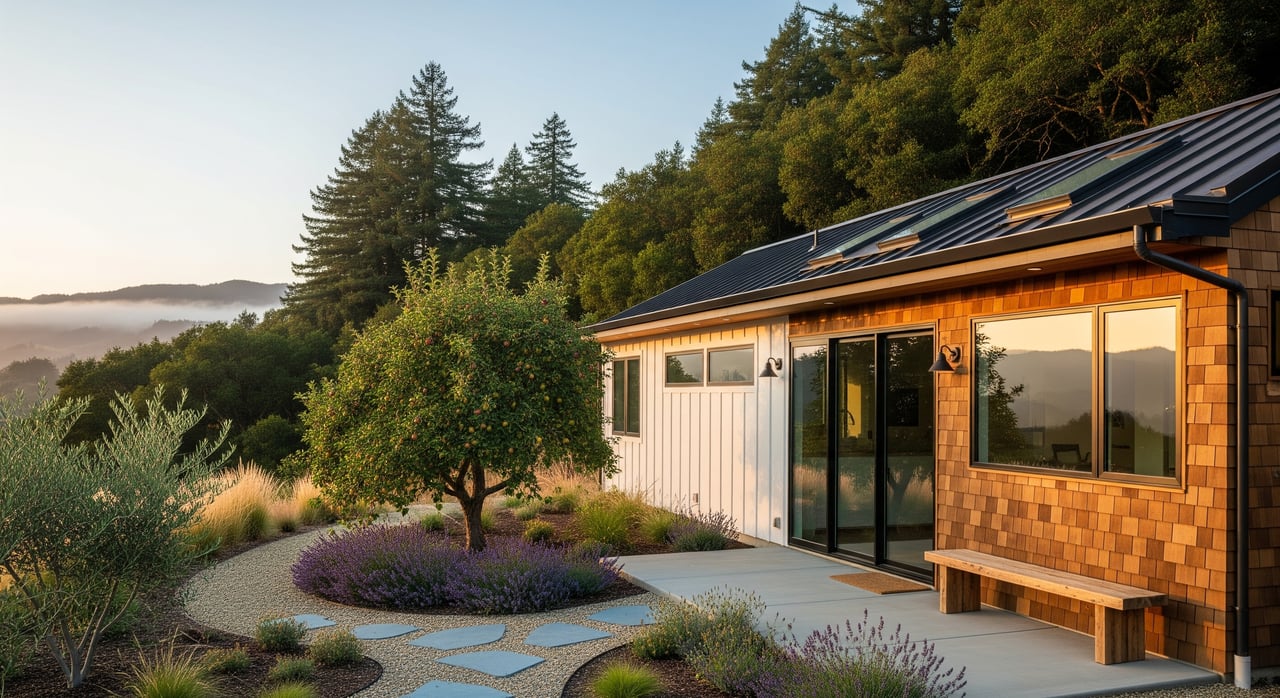
Favor native coastal scrub and dune species that can take wind, fog, and salt. Group plants by water needs, and use low, binding roots on slopes where planting is allowed. Before large-scale changes, verify that your parcel is not within a protected habitat area. For regionally appropriate options and images, browse Calflora’s illustrated coastal plant lists.
Consider these low-maintenance, salt-tolerant choices:
- Coyote brush (Baccharis pilularis) for screening and habitat.
- Ceanothus varieties for spring color and low water after establishment.
- Seaside daisy (Erigeron glaucus) for cheerful, coastal-tough blooms.
- Beach strawberry (Fragaria chiloensis) and coastal buckwheats (Eriogonum spp.) for groundcover and pollinators.
- Sea thrift (Armeria maritima) for exposed edges where permitted.
Fire-wise spacing
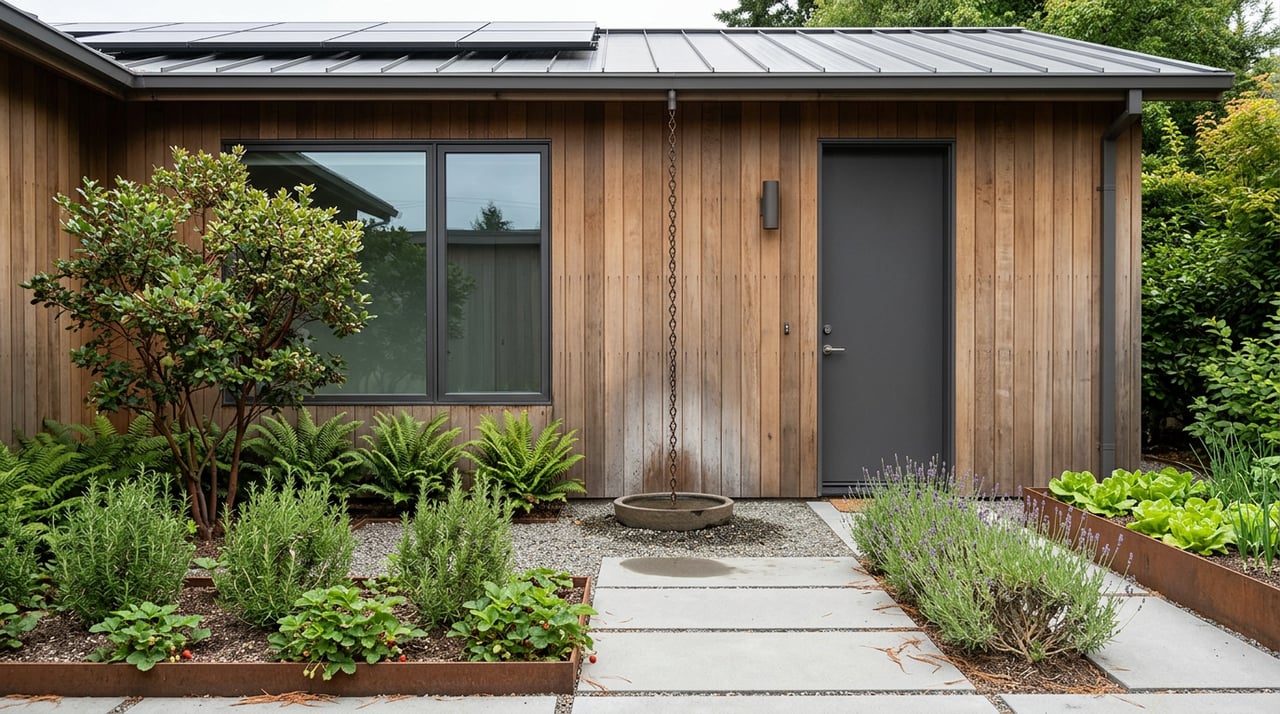
Keep the first 0 to 5 feet next to structures free of combustible mulch or dense shrubs. Use gravel, pavers, concrete, or noncombustible planting pockets instead. In the 5 to 30 foot zone, favor well-spaced, low-fuel species and maintain both horizontal and vertical separation. Continue thinning and pruning out to 100 feet, or to your property line, as required by your local authority. CAL FIRE’s guidance on defensible space is the standard to follow.
Surfaces and drainage
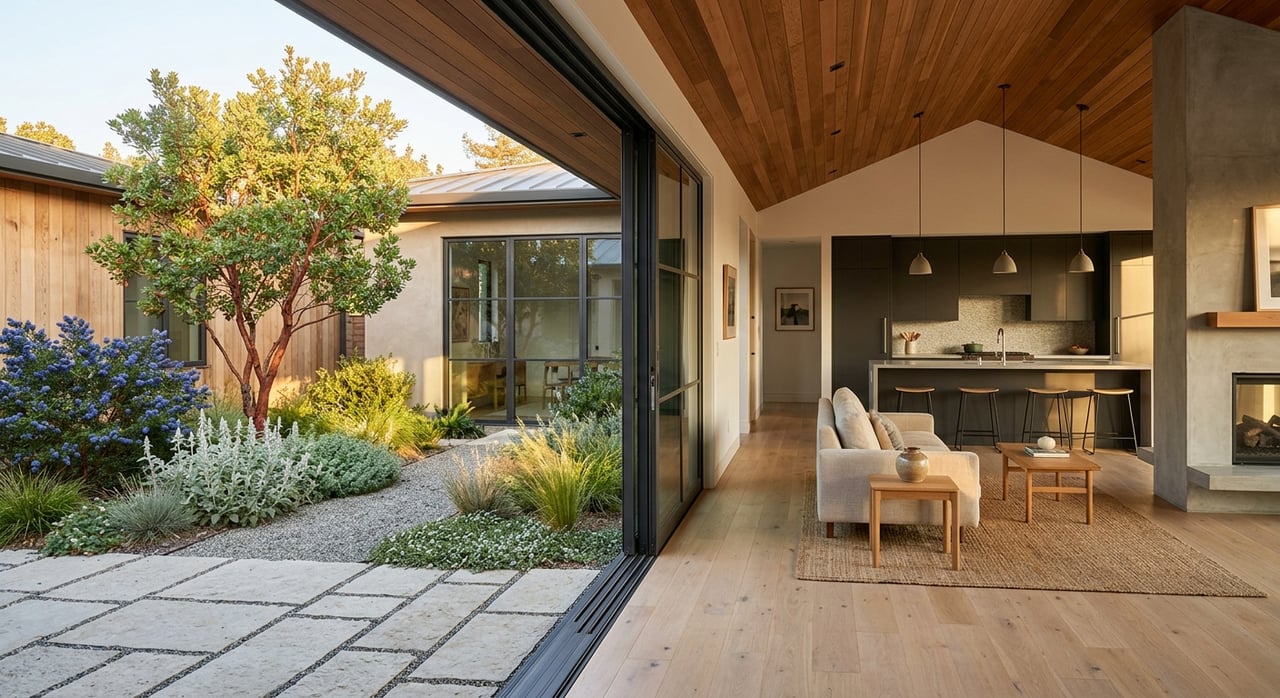
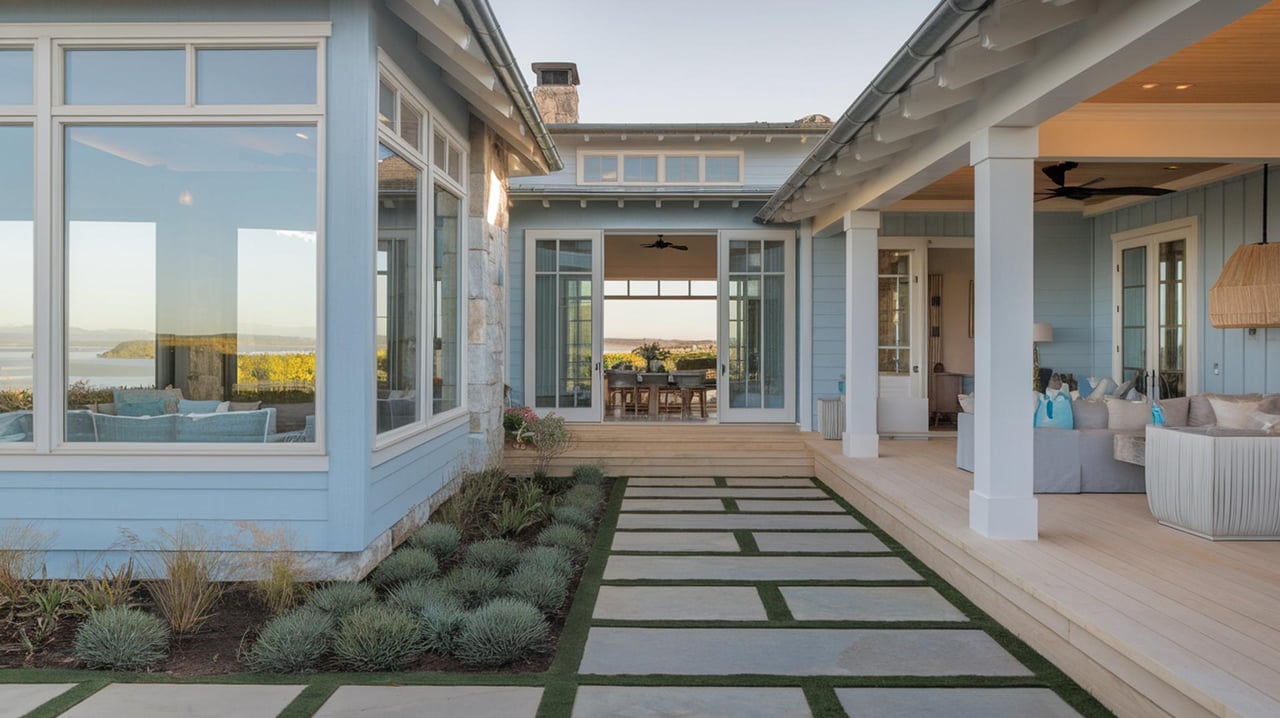
Hardscapes should look good and work hard. Permeable pavers, gravel, or stone patios reduce runoff and help manage erosion while standing up to salt residue. Choose a slightly coarse texture that is easy to rinse. Near the house, skip large expanses of combustible mulch so you keep the ember-resistant zone clean.
A simple maintenance game plan
A little routine care goes a long way on the coast. Rinse metal fixtures and furniture every so often to remove salt deposits. Inspect 316 stainless fasteners annually, and replace any less resistant components you find. Wash decks seasonally, clear gutters, and secure or cover furniture before the first big storm of the year. If you added permanent features like a built-in fire pit or lighting, make sure permits and inspection records are organized, which helps when you decide to sell.
Step-by-step planning checklist
Use this quick sequence to move from idea to action:
- Observe wind and views for a week. Note gust patterns and wind shadows, and check local conditions on the BOON coastal data portal.
- Confirm your coastal permitting path. Start with Permit Sonoma’s Local Coastal Program FAQ and your parcel details.
- Sketch zones and circulation. Place lounge, dining, and a protected nook with clear paths for moving furniture in storms.
- Select durable materials. Specify 316 stainless hardware and coastal-suitable decking or composites that match your maintenance comfort.
- Plan night lighting. Choose warm, shielded fixtures on dimmers and timers, and confirm IP ratings for exposed locations using marine-grade lighting guidance.
- Build a plant palette. Shortlist natives that handle salt and wind using Calflora’s coastal plant lists, then space for defensible zones per CAL FIRE guidance.
- Budget, phase, and calendar care. Price each component, decide what to tackle first, and set seasonal reminders for rinsing, inspection, and storm prep.
Design with value in mind
Thoughtful outdoor spaces do more than look good. In Sereno del Mar, wind-smart layouts, durable materials, and compliant features translate into easier ownership and daily enjoyment. They also support long-term value and, for some owners, stronger vacation-rental appeal with outdoor living that photographs beautifully and functions in all seasons.
If you are weighing improvements ahead of a sale or planning a purchase with outdoor potential, let’s talk about timing, buyer priorities, and how coastal rules may shape your options. Connect with Thera Buttaro to align your outdoor plans with your goals on the Sonoma Coast.
FAQs
Can I build a permanent deck or fire pit on a bluff in Sereno del Mar?
- Possibly, but many coastal parcels fall under the Coastal Zone, and new or expanded decks and built-in fire features can require a Coastal Development Permit; start with Permit Sonoma’s Local Coastal Program FAQ and confirm parcel specifics.
Are wood fires allowed year-round on the Sonoma Coast?
- No; local air districts issue no-burn days and enforce restrictions, so gas features are often easier for long-term compliance; check current rules with the Bay Area Air Quality Management District’s wood-burning notices.
What outdoor hardware holds up best to salt air near Bodega Bay?
- Use marine-grade stainless, typically 316 or 316L, for exposed fasteners and fittings, since 304 stainless corrodes faster in chloride-rich environments; see this engineering overview of stainless performance in marine settings.
Which low-maintenance plants thrive in Sereno del Mar’s salt and wind?
- Native coastal species like coyote brush, certain ceanothus, seaside daisy, beach strawberry, and low coastal buckwheats are good options; browse Calflora’s coastal plant lists and design spacing to meet defensible-space guidance.