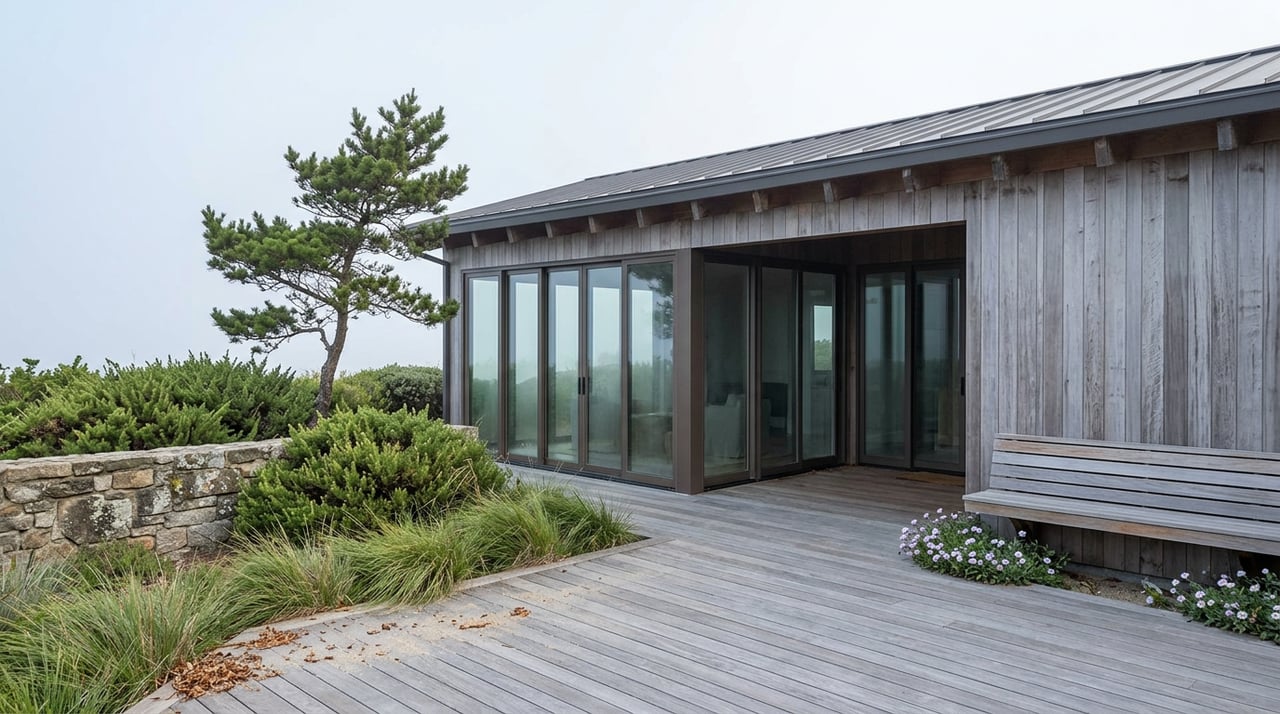
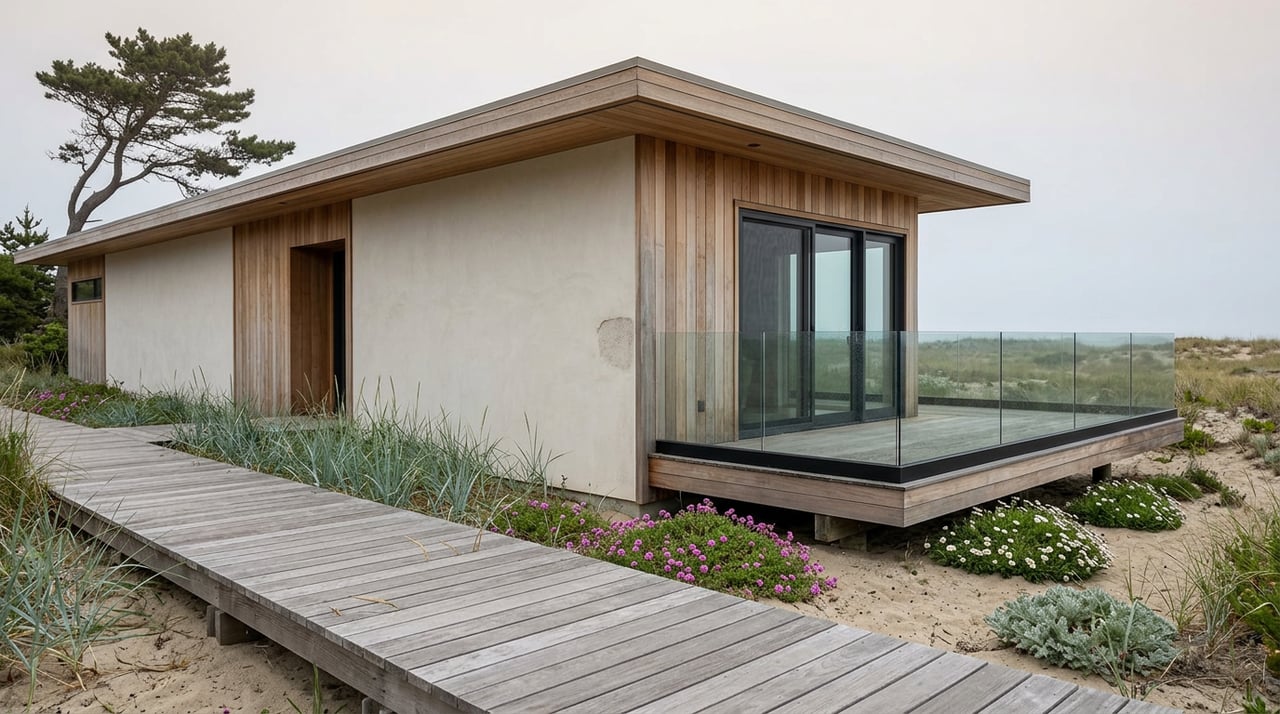
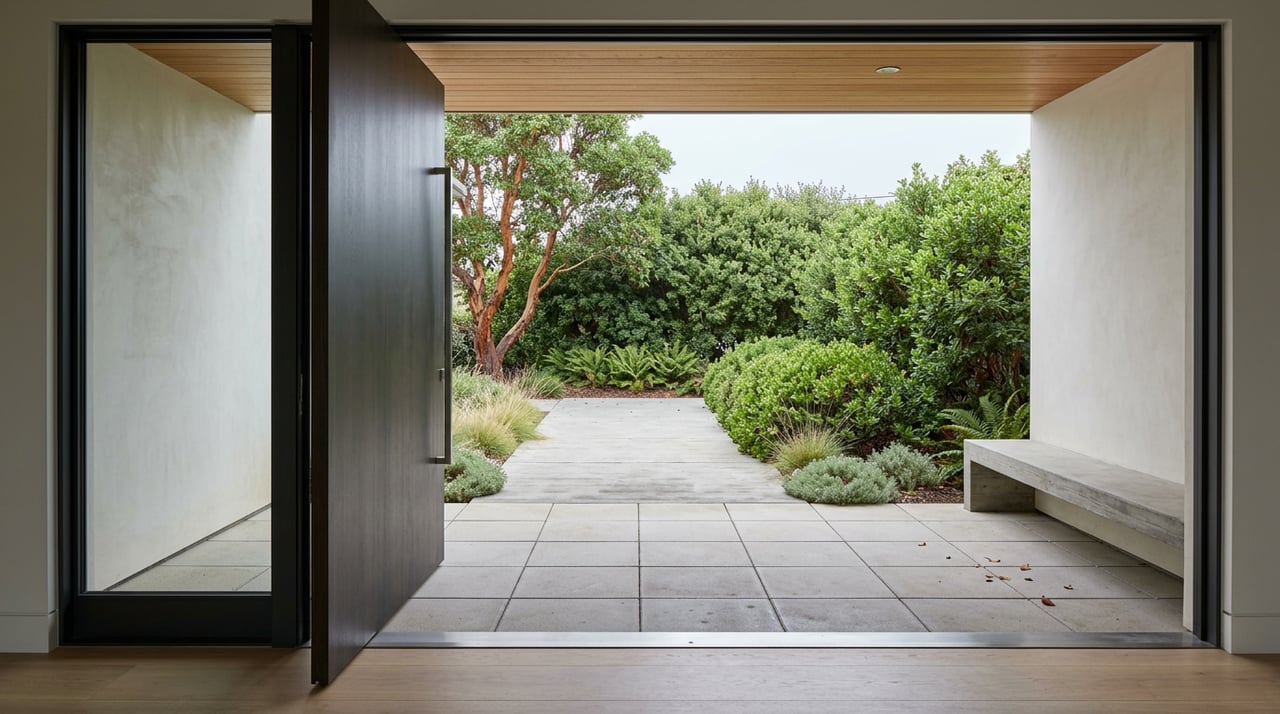
Dreaming about a quiet coastal retreat that can also help cover its costs? Jenner, perched where the Russian River meets the Pacific, offers a rare blend of rugged scenery, easy Bay Area access, and a steady stream of leisure travelers. If you are weighing a second home that doubles as a short-term rental, you want clear, local insight on demand, regulations, costs, and risk. This guide walks you through what to expect when you own and operate a vacation rental in Jenner so you can plan with confidence. Let’s dive in.
Why Jenner works
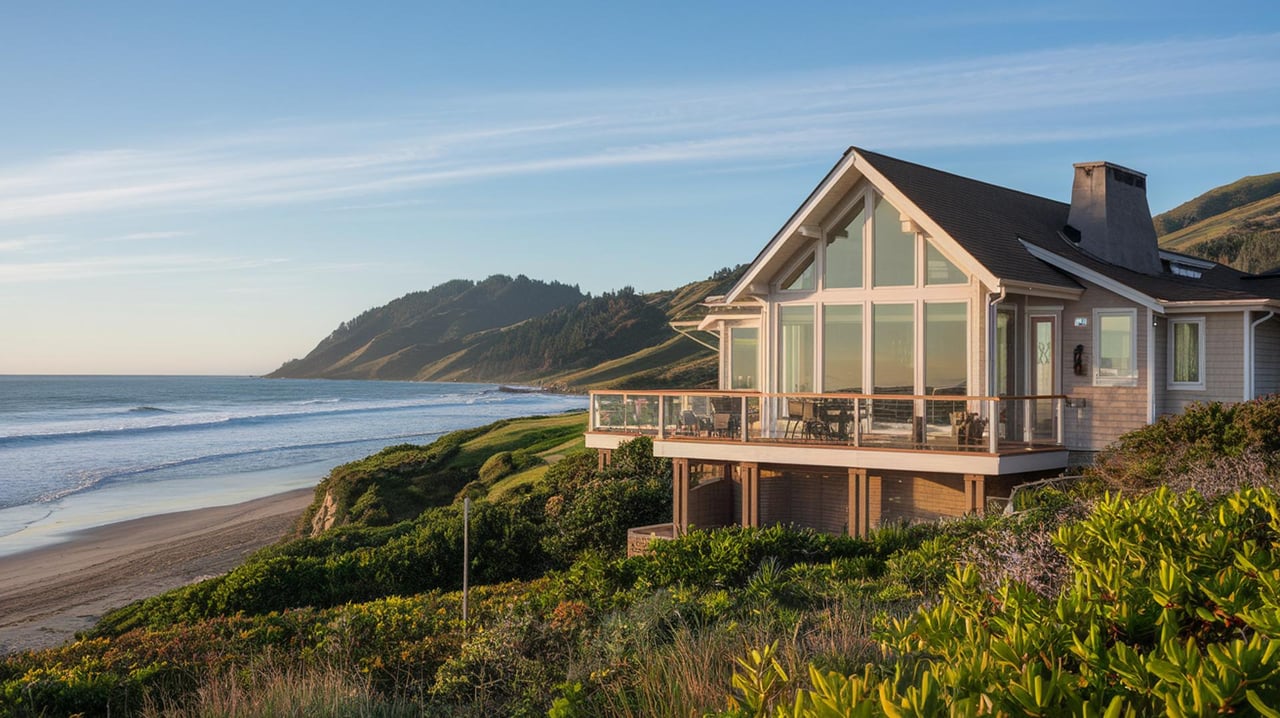
Jenner’s appeal is simple and powerful: sweeping ocean and river views, access to Sonoma Coast State Park, and a calm, small-village feel. With limited commercial services in town, visitors come for nature, sunsets, and a slower pace. Travel times from San Francisco, Marin, and Sonoma hubs are often 1.5 to 3 hours, which puts weekend trips within easy reach for North Bay and Bay Area guests.
Who your guests are
- Bay Area weekenders, often couples or small groups booking 2 to 3 nights.
- Families during summer and school breaks who stay longer.
- Nature lovers who come for beaches, trails, wildlife, photography, and kayaking.
- Wine-country visitors who split time between the coast and nearby tasting rooms.
- Pet owners looking for dog-friendly stays.
When demand peaks
- Peak season: summer weekends and holiday weeks, when rates and occupancy rise.
- Shoulder seasons: late spring and fall bring calmer weather and great photography light.
- Winter: fewer beach days, but dramatic storms and whale migrations attract off-season travelers, with holidays as bright spots.
Rules, permits and taxes
Jenner is unincorporated and falls under Sonoma County rules. Before you buy, you should understand how the county regulates short-term rentals and how local coastal policies may apply.
Short-term rental permits and compliance
- Confirm whether the property is eligible for a short-term rental permit under current county regulations. Some areas have quotas or special restrictions.
- Check the property’s permit status and any past violations. Listings typically must display a valid permit or registration number.
- Expect occupancy limits, quiet hours, parking rules, and a requirement for a local contact who can respond to complaints.
Transient occupancy tax
- Short-term rental income is usually subject to the county’s transient occupancy tax. Some platforms may remit in certain cases, but you remain responsible for registration and full compliance.
Coastal Zone considerations
- Jenner sits within the California Coastal Zone. Renovations or exterior changes may need a Coastal Development Permit review under the county’s Local Coastal Program, with potential state oversight.
- Coastal permitting can affect occupancy, site plans, and any upgrades, so plan timelines with care.
Environmental and infrastructure realities
The Sonoma Coast is beautiful and raw, which means extra diligence around utilities and hazards.
Septic and water capacity
- Many homes rely on private wells and septic systems. Septic capacity often sets your maximum overnight occupancy.
- System upgrades can be costly and may require permits. Ask for recent inspections and capacity reports during due diligence.
Coastal hazards to plan for
- Flood, erosion, and sea-level rise: Review FEMA and local hazard maps and price insurance accordingly.
- Wildfire exposure: Much of Sonoma County sits in a CAL FIRE threat area. Plan defensible space, clear guest safety info, and an evacuation plan.
- Neighborhood compatibility: Jenner’s roads are narrow, parking is limited, and noise carries. Clear house rules and guest guidance reduce complaints and protect your permit.
Amenities that drive bookings
Travelers choose Jenner to slow down and connect with nature. The right features help you capture that demand and command stronger rates.
- Ocean or river views and easy access to beaches or trails.
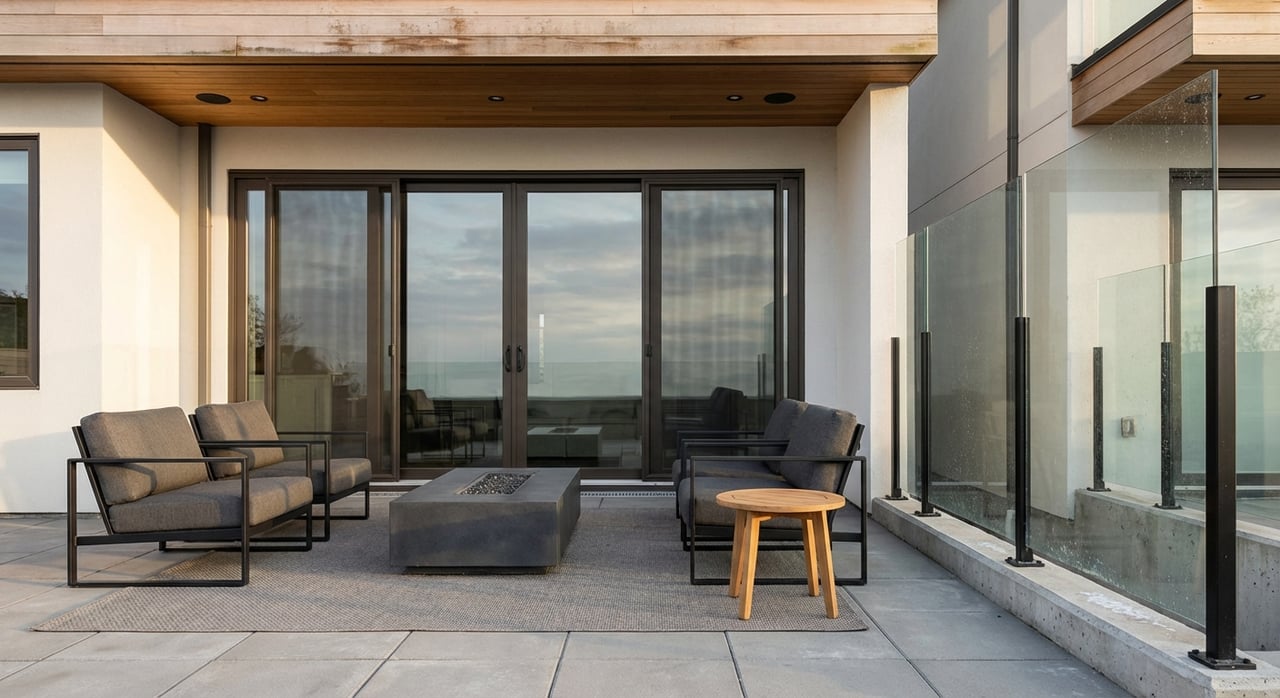
- Outdoor living spaces, like a deck with seating, a BBQ, and if permitted and safe, a hot tub.
- Comfortable interiors: a full kitchen, quality bedding, and a fireplace or wood stove for cool evenings.
- Pet-friendly policies with clear guidelines. A fenced area can boost appeal.
- Reliable Wi‑Fi suitable for streaming and basic work needs, and an honest note on cell coverage.
- Off-street parking or clear instructions for safe, legal parking.
- A concise house manual with arrival details, local tips, emergency numbers, and wildfire information.
Operating models and costs
You can self-manage, hire a professional, or mix both approaches. Choose the model that fits your time, distance, and compliance comfort.
DIY vs professional vs hybrid
- Owner managed: Lower fees, more hands-on time for booking, guest care, cleaning, and maintenance.
- Professional management: A full-service partner handles pricing, marketing, guest support, cleaning, and compliance.
- Hybrid: You manage owner stays and some bookings, while a local partner handles peak-season operations or on-call support.
What a manager typically handles
- Listing creation and optimization across major platforms.
- Dynamic pricing to capture strong weekend demand.
- 24/7 guest support and a local contact for issues or emergencies.
- Cleaning, laundry, routine maintenance, and keyless entry systems.
- Permit and tax compliance support, neighbor communication, and complaint response.
Budget basics on the coast
- Management fees: Full-service models often range from about 15 to 35 percent of booking revenue, depending on services and contract terms.
- Cleaning: Turnover costs vary by home size and local labor rates. Guests usually pay a cleaning fee, but you should model it as an owner expense in slower months.
- Platform fees: Factor host or shared fees into your net revenue.
- Maintenance and supplies: Coastal salt air accelerates wear. Budget for regular servicing of decks, windows, exterior hardware, hot tubs, and appliances.
- Utilities and safety: Line items include internet, trash, water, septic servicing, defensible-space landscaping, and seasonal winterization.
- Taxes and permits: Include transient occupancy tax and income taxes, plus any county permit or renewal fees.
Financial planning, insurance and risk
Strong returns start with conservative assumptions and proper coverage.
Model with margin
- Build a pro forma with realistic occupancy by season, weekday vs weekend splits, and downtime for owner use and maintenance.
- Price for the experience and amenities, not just beds. Ocean views and walkable access often command premium rates and higher occupancy.
- Set aside reserves for capital projects, such as septic upgrades or coastal wear repairs.
Insurance to protect you
- Many standard homeowner policies limit or exclude short-term rental activity. Consider a short-term rental or commercial policy and an umbrella liability layer.
- Verify coverage for guest injuries, pet incidents, wildfire losses, and potential business interruption.
Taxes and owner use
- Rental income is taxable, and you can generally deduct ordinary and necessary expenses tied to rental activity.
- How many nights you use the home personally can change how deductions apply. Work with a CPA who understands short-term rentals.
Be a good neighbor and steward
Jenner’s charm comes from its quiet, close-knit setting and wild coastline. Protect both with thoughtful operations.
- Set clear house rules on parking, quiet hours, trash, and maximum occupancy. Enforce them.
- Provide wildlife and beach etiquette tips to prevent disturbance of seals and nesting birds.
- Maintain defensible space and keep emergency information visible.
- Respond quickly to neighbor concerns through your local contact.
Buyer due diligence checklist
- Confirm zoning and short-term rental eligibility with county planning staff.
- Verify current permit status, any violations, and complaint history for the property.
- Register for transient occupancy tax and clarify if any platform remits on your behalf.
- Inspect well and septic systems, review recent reports, and price potential upgrades.
- Review any Coastal Development Permit history and constraints on exterior changes.
- Check FEMA flood maps and coastal erosion or sea-level rise assessments, then price insurance.
- Review wildfire risk designations and local fire district requirements for access and defensible space.
- Confirm HOA or CC&R limits on rentals if applicable.
- Test cell coverage and internet speeds, and get quotes for reliable service.
How Sonoma Coast Living helps
If you want a coastal retreat that is both soulful and smart, you benefit from local, end-to-end support. As a boutique brokerage with deep Sonoma Coast roots, Sonoma Coast Living pairs acquisition guidance with proven vacation rental operations through our established property management group. That means you can evaluate a home’s lifestyle value, regulatory path, and income potential with one trusted team. From permit planning and pricing strategy to curated marketing, housekeeping, maintenance, and guest care, you get a turnkey path from keys to bookings.
Ready to explore what owning a Jenner vacation rental could look like for you? Reach out to Thera Buttaro for a local, research-driven plan that fits your goals.
FAQs
What makes Jenner a strong vacation rental market?
- Proximity to Bay Area visitors, dramatic coastal scenery, outdoor recreation, and wine-country access create steady weekend and seasonal demand.
Do you need a county permit to rent short term in Jenner?
- Yes, Jenner is under Sonoma County rules, so confirm permit eligibility, occupancy limits, and display requirements for your listing.
When is peak season in Jenner and how should I price?
- Summer and holiday weeks are peak, with strong weekend demand year-round; use dynamic pricing and premium rates for ocean views and easy beach access.
Which amenities matter most to Jenner guests?
- Views, outdoor space, a full kitchen, quality bedding, a fireplace or stove, reliable Wi‑Fi, pet-friendly policies, and clear parking.
How much do professional managers charge on the Sonoma Coast?
- Full-service management commonly ranges about 15 to 35 percent of booking revenue, depending on services and property needs.
What environmental risks should buyers evaluate in Jenner?
- Septic capacity and condition, flood and erosion exposure, sea-level rise, wildfire risk, and the cost of appropriate insurance and mitigation.
How can Sonoma Coast Living support my purchase and setup?
- You get boutique brokerage guidance plus a turnkey rental operations pathway, including pricing, marketing, guest care, maintenance, and compliance support.