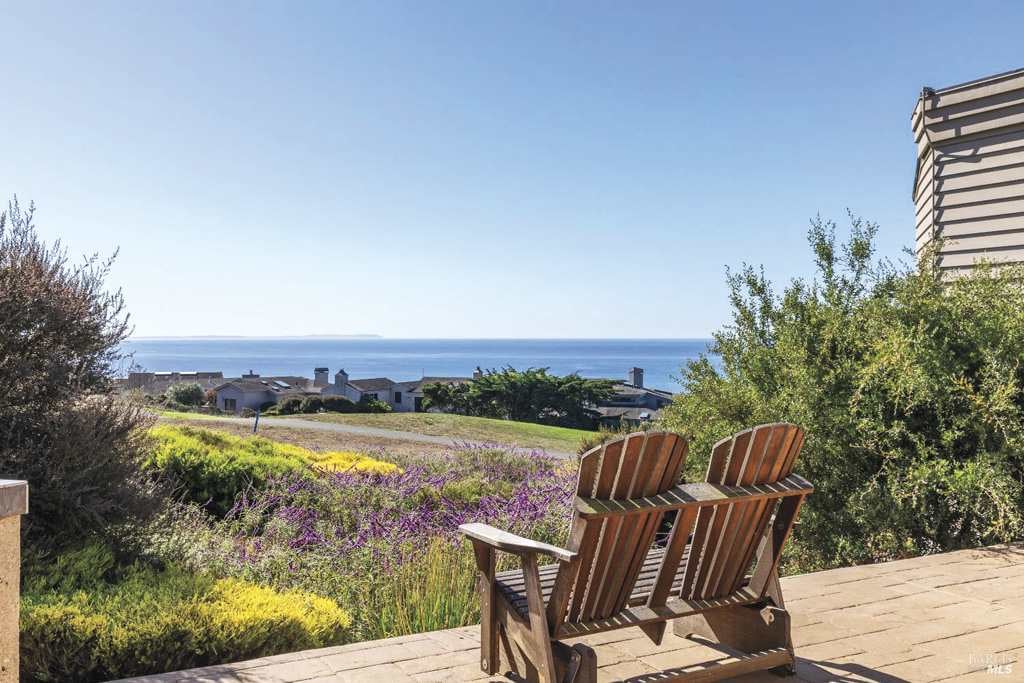
If you own, or hope to own, a home in Carmet, you may be asking a very practical question: how do you enjoy the coast for yourself without giving up the income potential of a vacation rental? That balance matters here because Carmet is not just a scenic getaway spot. It is also a small coastal community with older housing, beach-driven visitor demand, and county rules that shape how a home can be used. In this guide, you’ll learn how to think about personal use, rental planning, maintenance timing, and guest-friendly improvements in a way that fits Carmet’s real conditions. Let’s dive in.
Why Carmet Works for Both Use Cases
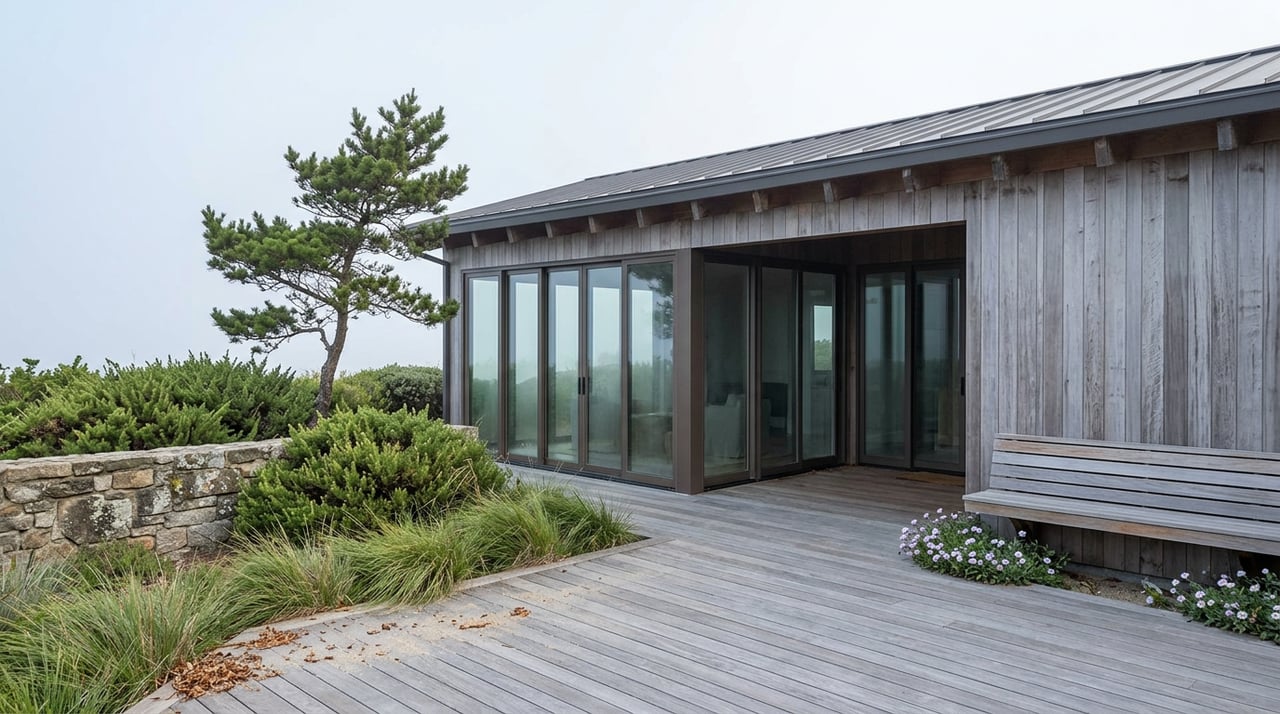
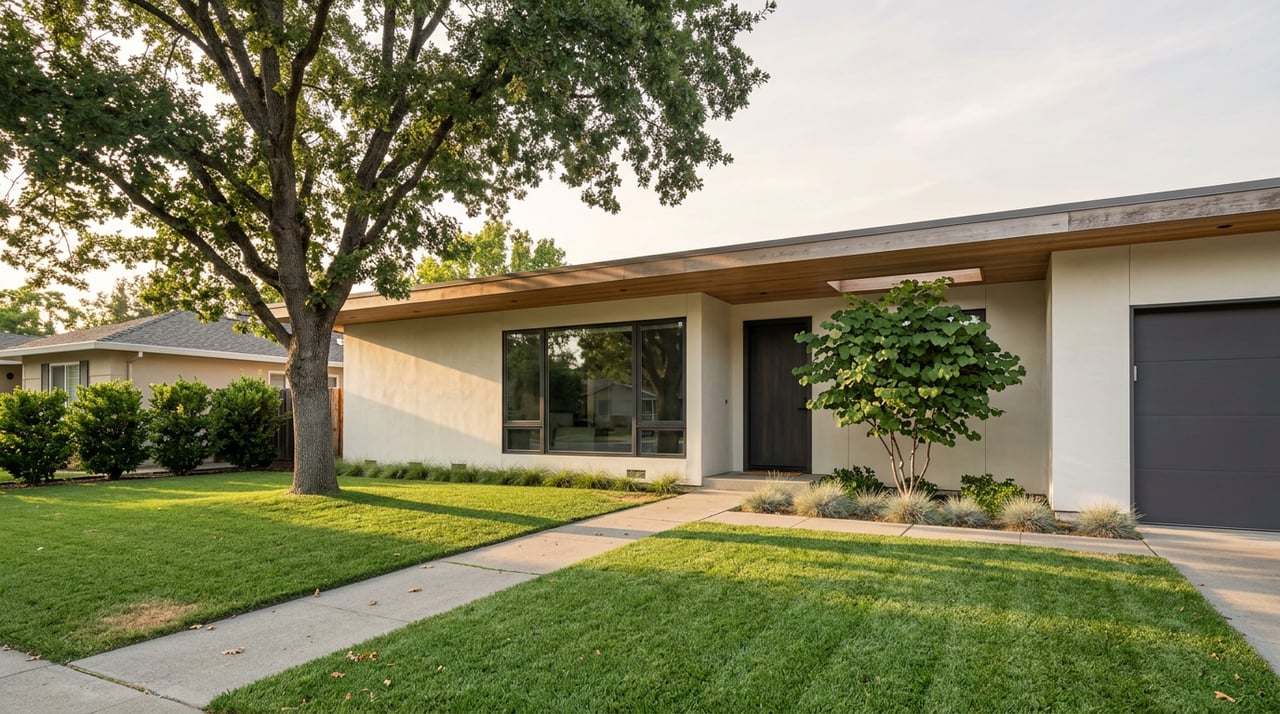
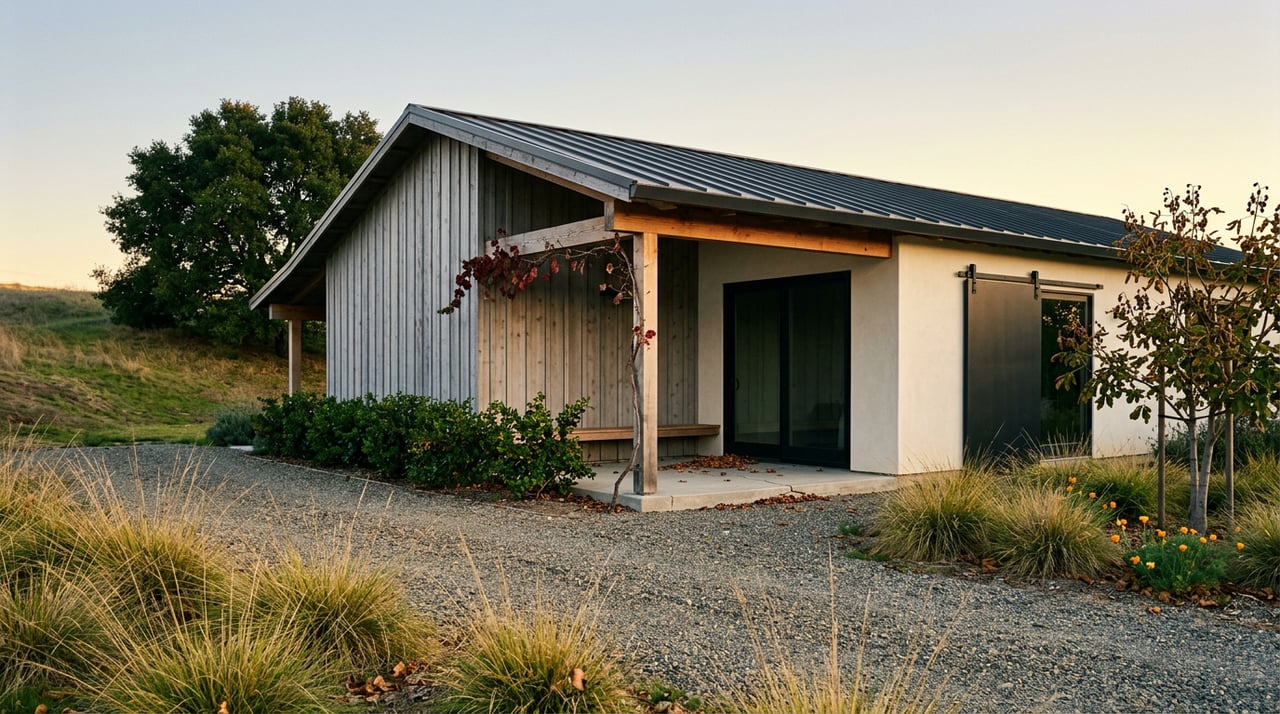
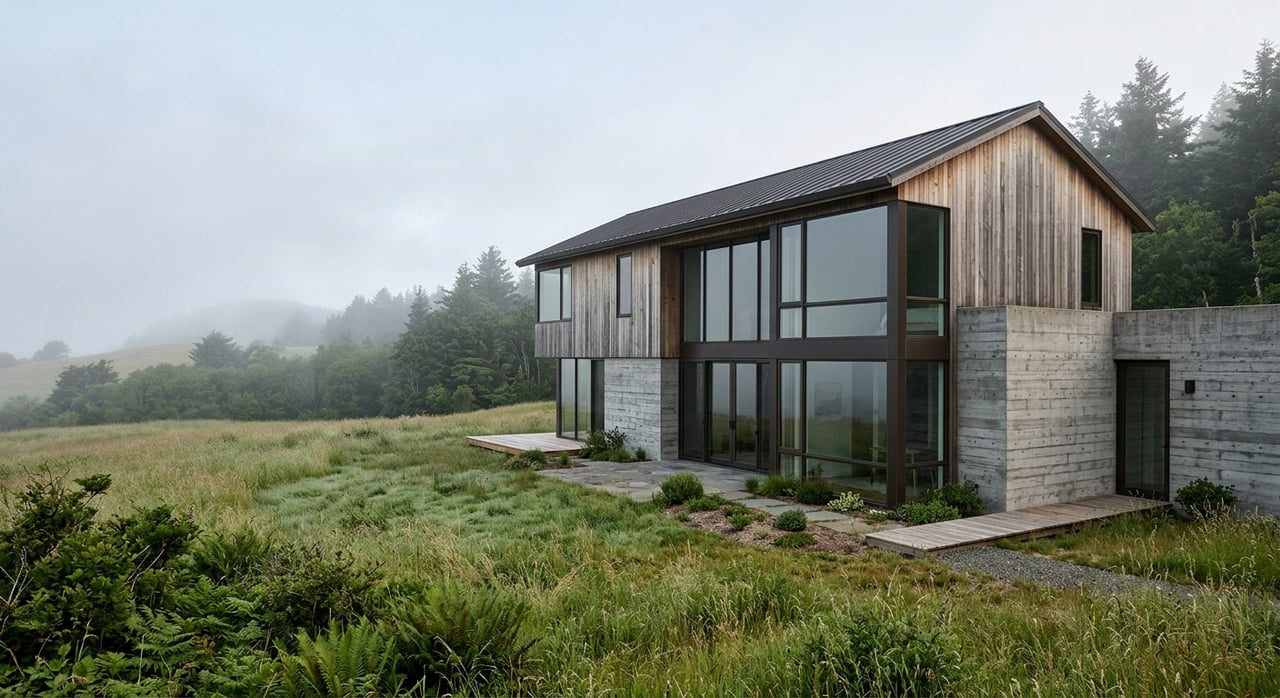
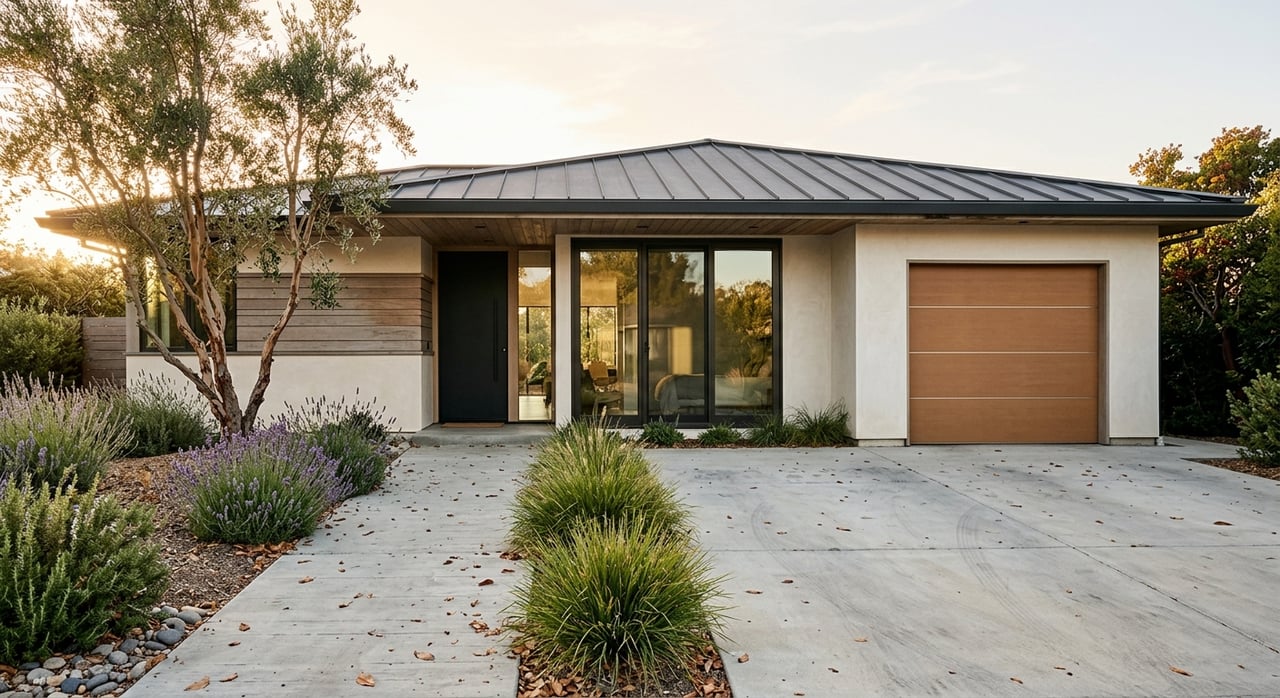
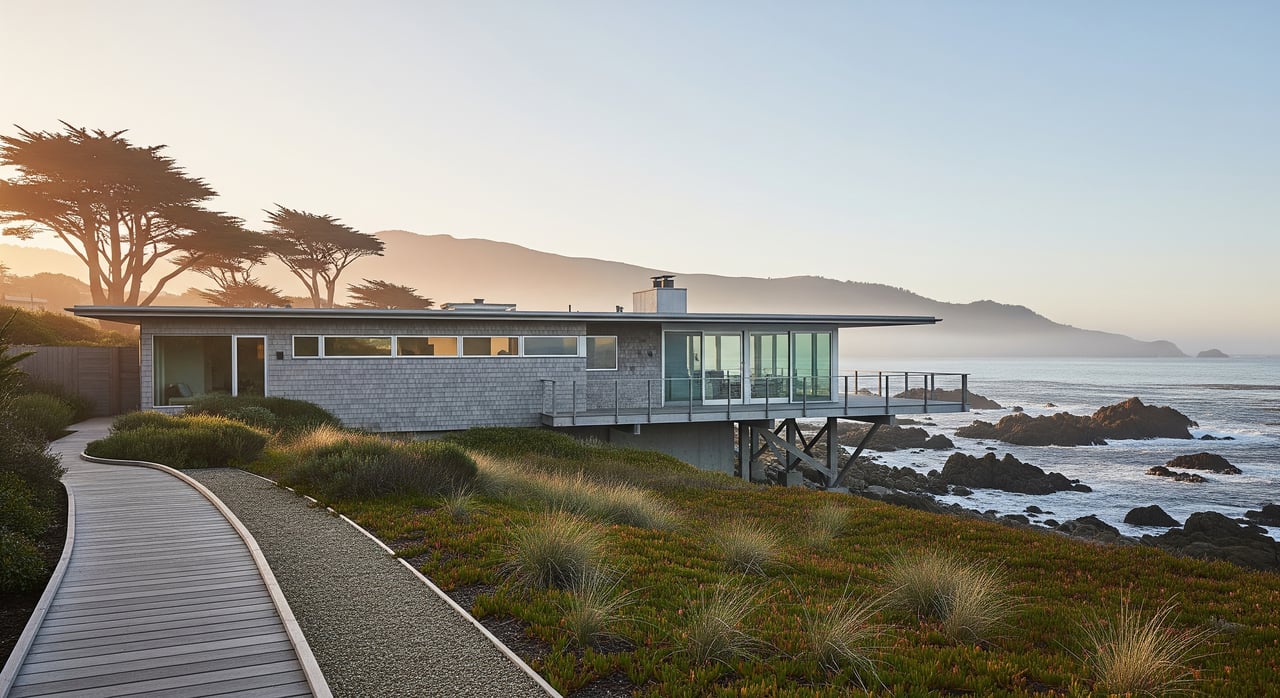
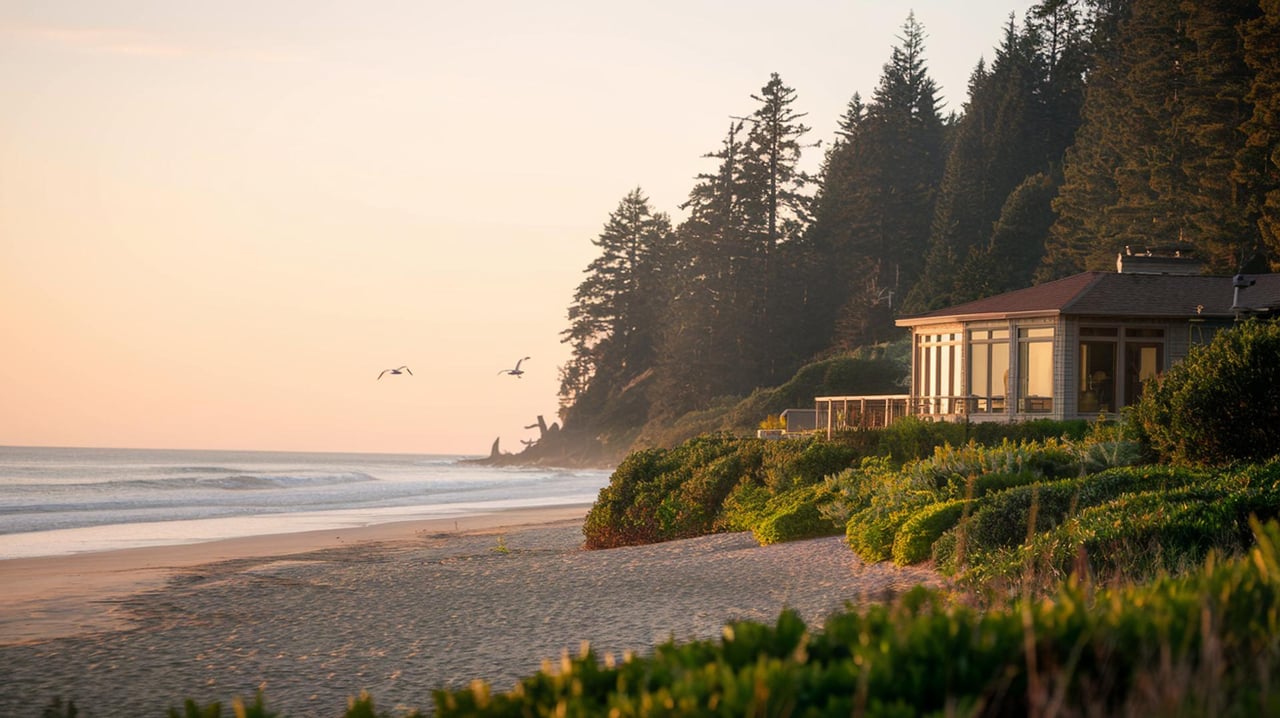
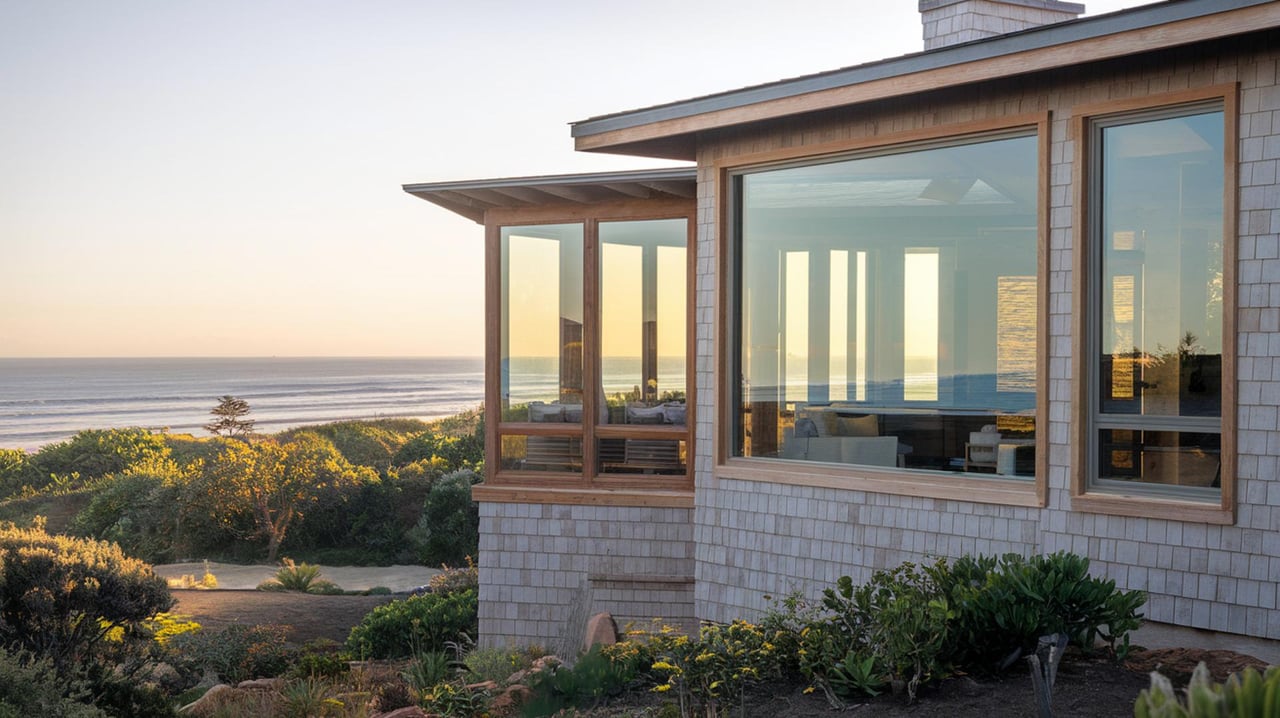
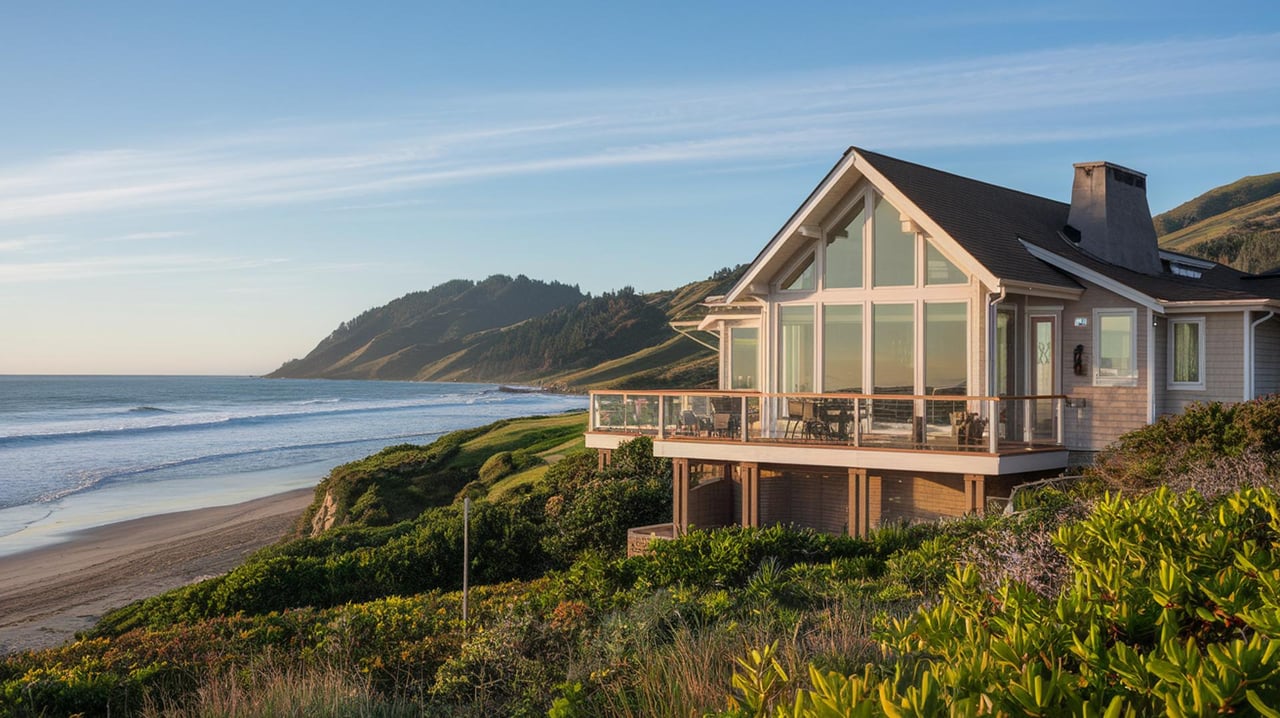
Carmet has the kind of appeal that naturally supports both personal enjoyment and short-term rental interest. According to Permit Sonoma’s coastal community materials, Carmet is a 60-lot residential subdivision that dates to the late 1940s, with a pattern of simple one-story homes and septic-based wastewater disposal. That gives the area a distinct coastal-cottage feel, but it also means ownership often requires more planning around upkeep than a newer inland second-home market.
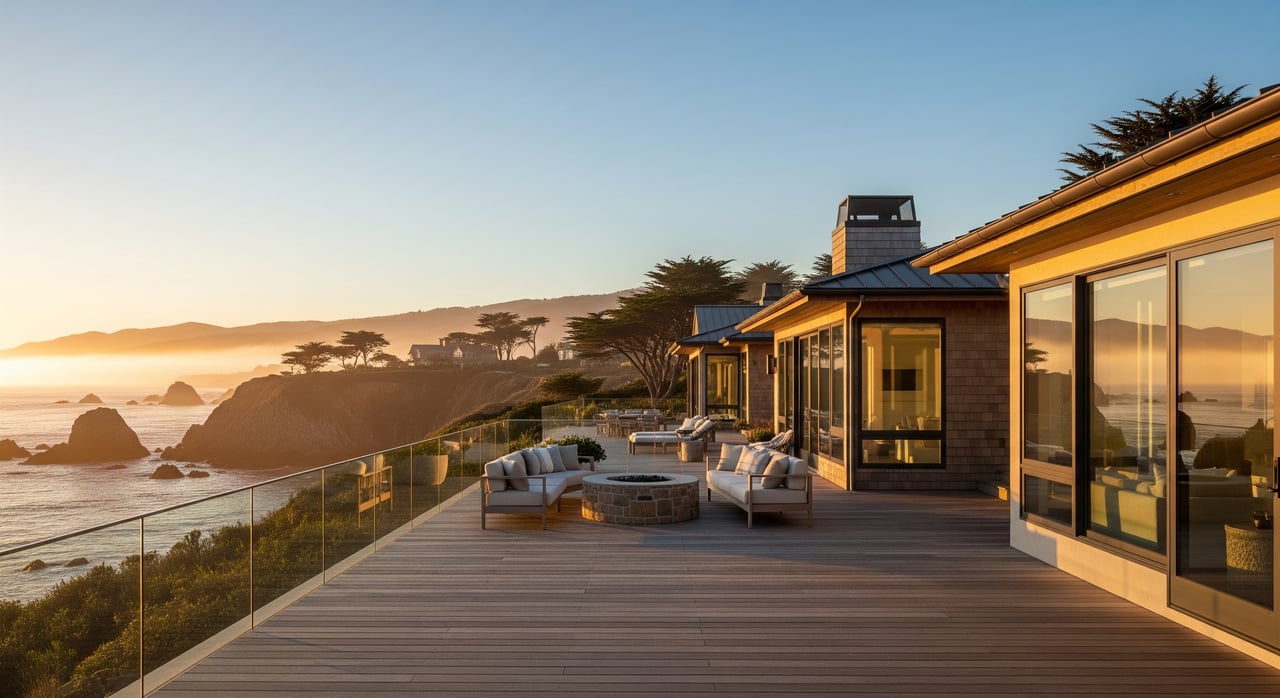
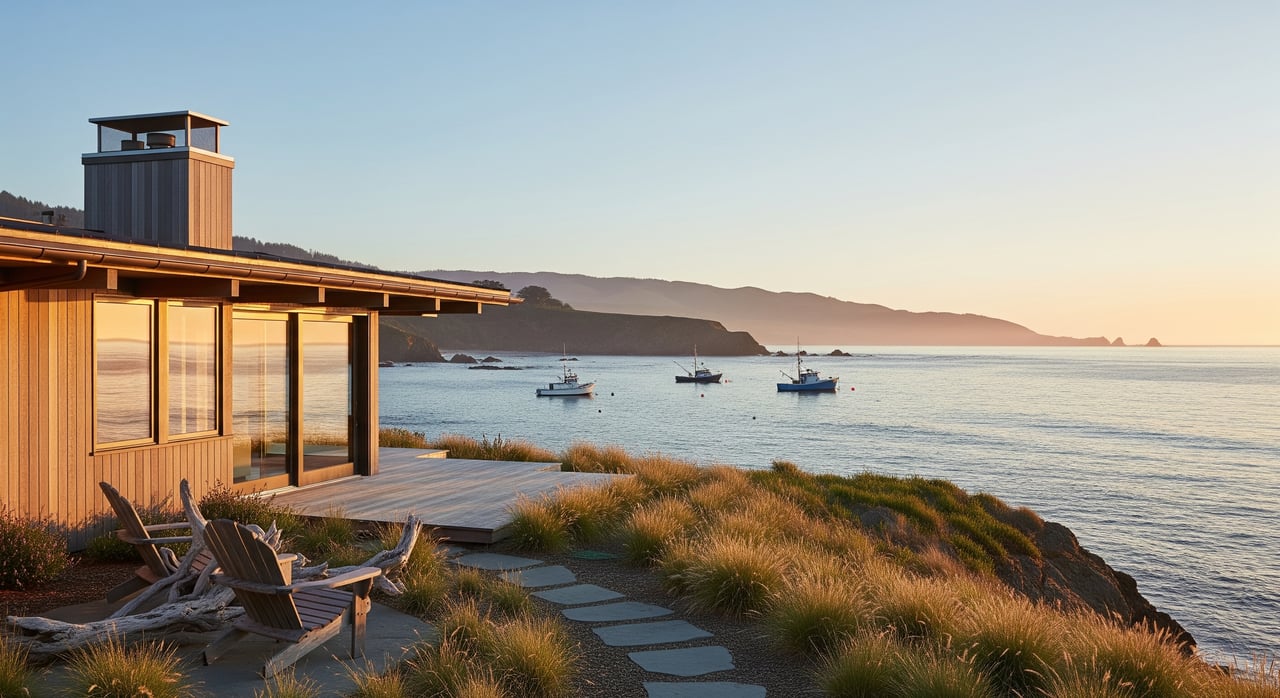
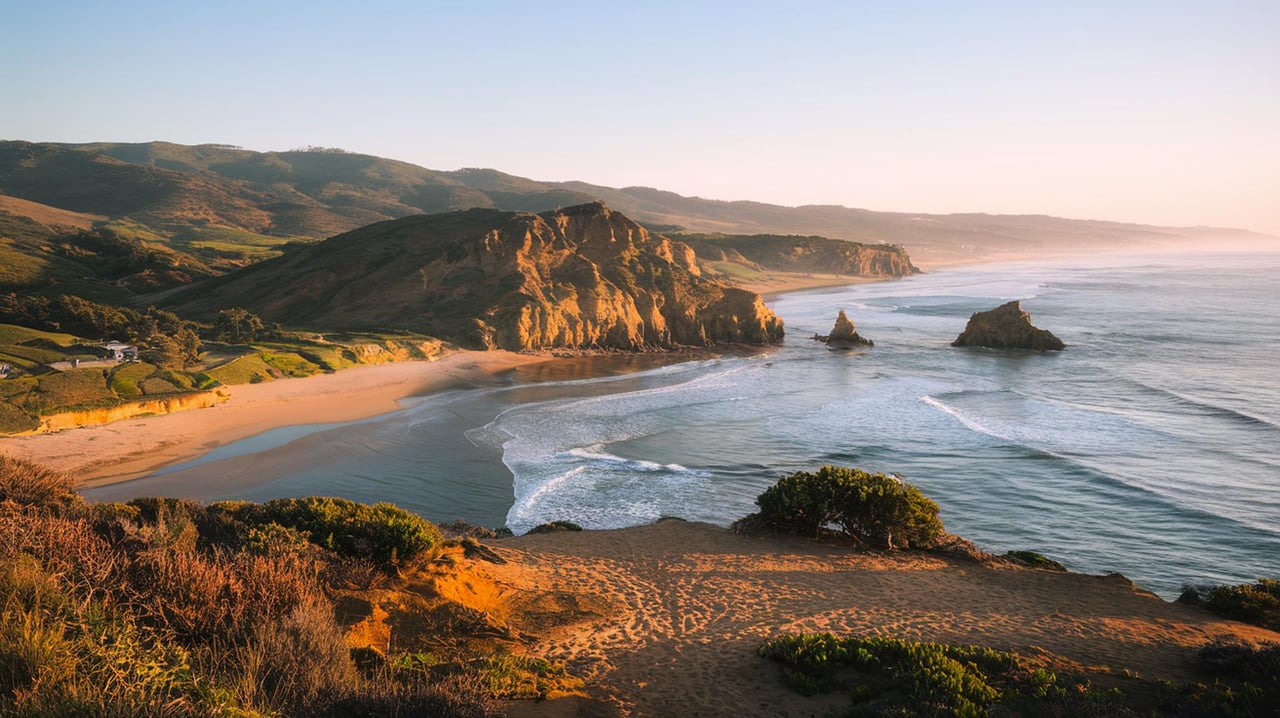
The location is a major part of the draw. Sonoma County Tourism’s Sonoma Coast State Park guide highlights nearby access to Carmet Beach, Schoolhouse Beach, Marshall Gulch, and other Sonoma Coast destinations used for beach time, fishing, hiking, bird watching, and beachcombing. For many owners, that creates a hybrid opportunity: keep meaningful time for yourself, then open the home to guests who value the same access to the coast.
Start With Your Ownership Goal
Before you build a rental calendar, it helps to decide what success looks like for you. Some owners want a true weekend retreat with only occasional guest stays. Others want the home working harder as an income-producing asset while still keeping a few high-value dates for family and personal use.
A simple way to frame it is to ask yourself three questions:
- How many weekends or holiday periods do you want to protect each year?
- Do you want to stay in the home while renting part of it, or rent the whole property when you are away?
- How much downtime do you want built in for repairs, vendor access, and seasonal upkeep?
Those answers will shape whether you are creating a lifestyle-first plan, an income-first plan, or a balanced middle ground.
Know the Rental Rules First
In Carmet, rental planning starts with county rules, not just market demand. Sonoma County defines a vacation rental as a private residence rented for 30 days or less. According to Permit Sonoma’s zoning permit guidance, vacation rentals require a Vacation Rental Permit, a certified property manager, a Vacation Rental License, a Transient Occupancy Tax number, and compliance with performance standards.
That same county guidance also explains that hosted rentals are different. A hosted rental applies when the owner remains in residence and rents a room or sleeping area. If you want to spend more frequent time onsite and only share part of the home, that path may fit better. If you plan to rent the whole cottage while you are away, the vacation rental permit route is the relevant framework.
Coastal-Zone Review Matters in Carmet
Because Carmet is part of Sonoma County’s coastal planning area, owners should also think beyond rental permits. Sonoma County states that its certified Local Coastal Plan gives the county permitting authority within the Coastal Zone, and Permit Sonoma includes Carmet in its coastal-community materials.
For homeowners, that matters most when you want to improve the property. County coastal permit guidance says coastal permits are required for development on parcels within the Coastal Zone identified by CC zoning code designations. In practical terms, remodels, additions, and exterior changes should be checked before work begins, especially if you are preparing the home for guest use and owner enjoyment at the same time.
Build a Smarter Owner-Rental Calendar
A strong hybrid strategy usually comes down to calendar discipline. The most practical approach is to split the year into three types of blocks:
- Owner blocks for personal stays and family visits
- Guest blocks for rental income
- Maintenance blocks for repairs, inspections, and weather-sensitive projects
On the Sonoma Coast, this matters even more because visitor demand is tied closely to beach access and seasonal weather patterns. Sonoma County Tourism notes that the coast becomes a summer haven for visitors looking for relief from inland heat, which supports the common-sense strategy of reserving prime dates carefully and using quieter periods for maintenance. That is not a county rule, but it is a useful planning approach based on how the coast is actually used.
Leave Room for Maintenance
In Carmet, back-to-back bookings can create stress for both owners and the home itself. Because the community’s housing profile includes older homes with shared water service and septic-based systems, longer maintenance windows can be especially helpful, as reflected in Permit Sonoma’s description of Carmet.
Instead of squeezing repairs between guest departures and arrivals, it often makes more sense to bundle work into defined gaps. That can include septic service, exterior upkeep, utility-related repairs, deck maintenance, and interior refreshes. For a personal-use owner, those blocks also protect the quality of your own time at the property because you are less likely to arrive to a deferred repair list.
Plan Around Coastal Weather
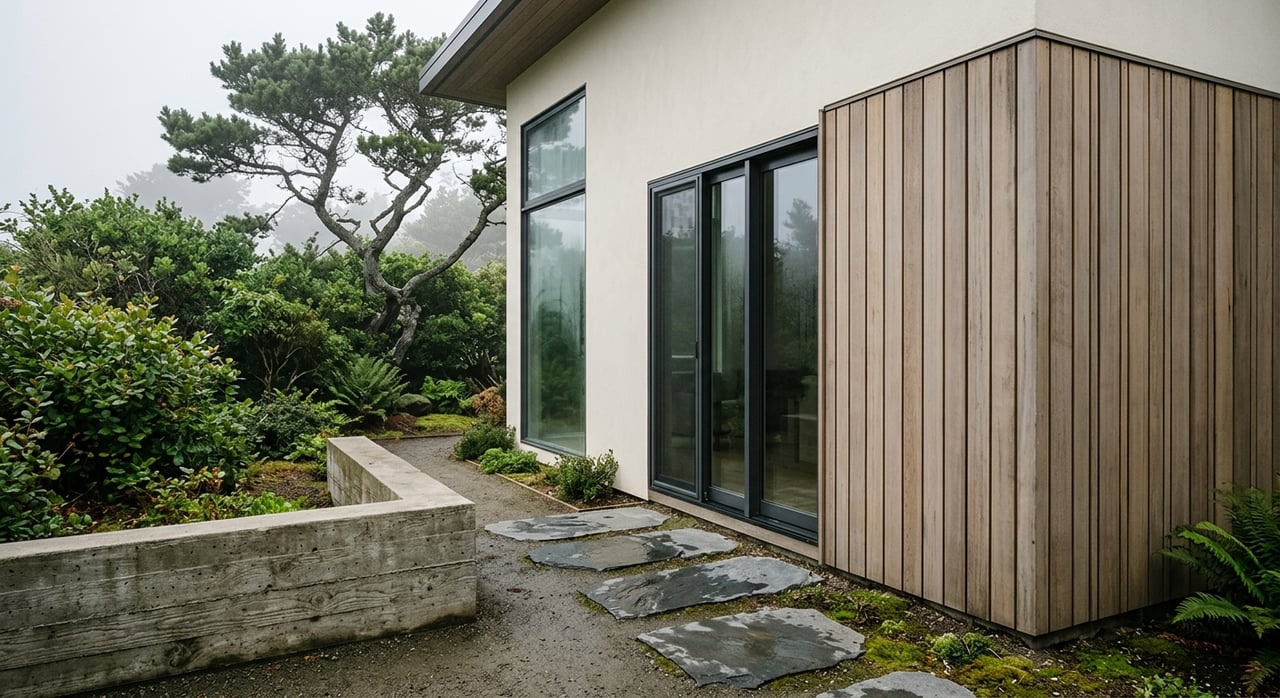
Weather should also influence how you balance use and income. Sonoma Coast State Park materials note foggy mornings, cooler ocean breezes, and changing coastal conditions. Those patterns can shape when exterior work is easiest to schedule and how you prepare both guests and family members for a comfortable stay.
For example, weather-sensitive maintenance may fit best in planned calendar gaps rather than peak-use windows. Guest communication can also be simple but helpful, with reminders about bringing layers, checking tide timing, and planning for wind and cool evenings. Small details like that support a better experience without overcomplicating operations.
Use Professional Management as Part of the Plan
In Sonoma County, professional management is not just a convenience. It is part of compliance for vacation rentals. According to Permit Sonoma’s property manager requirements, every vacation rental needs a county-certified manager, and complaints must be answered within 30 minutes during quiet hours and within 1 hour outside quiet hours.
For an owner who wants regular personal time in Carmet, this can actually make the balance easier. You can protect your preferred dates, let a manager handle guest communication and compliance steps, and avoid turning every weekend away into an operations project. This is especially valuable if you live outside the immediate area or want your home cared for consistently year-round.
Choose Upgrades That Fit Coastal Use
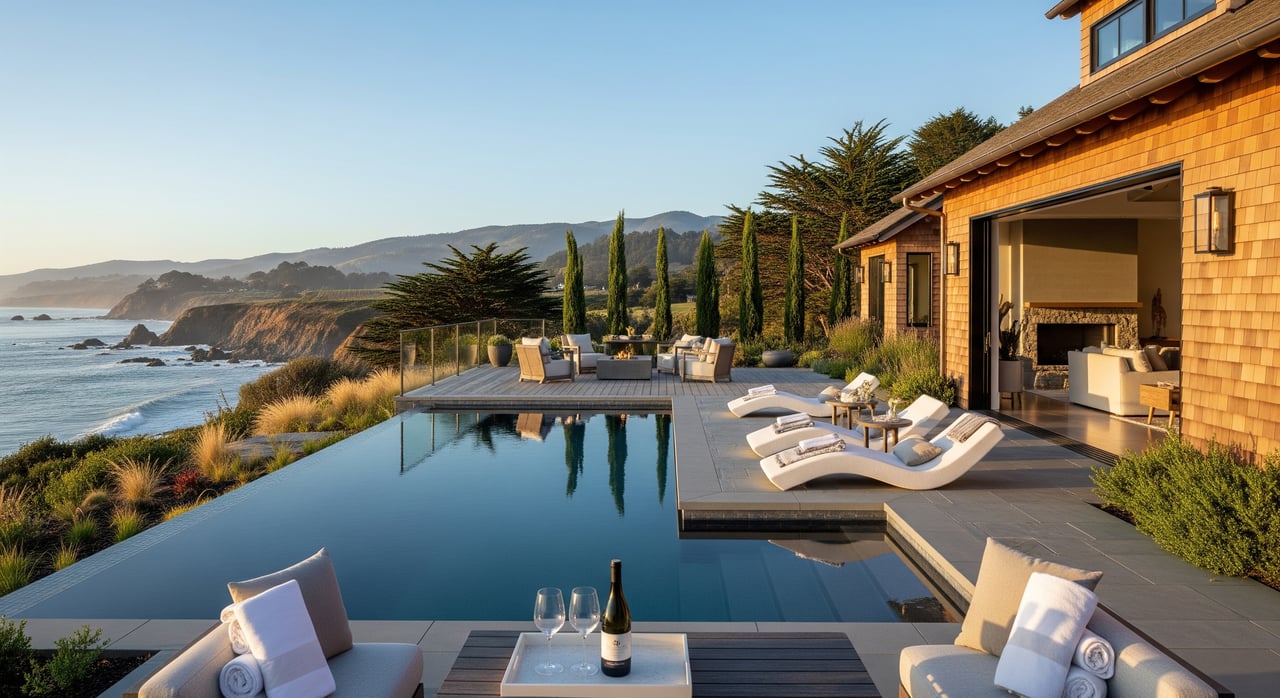
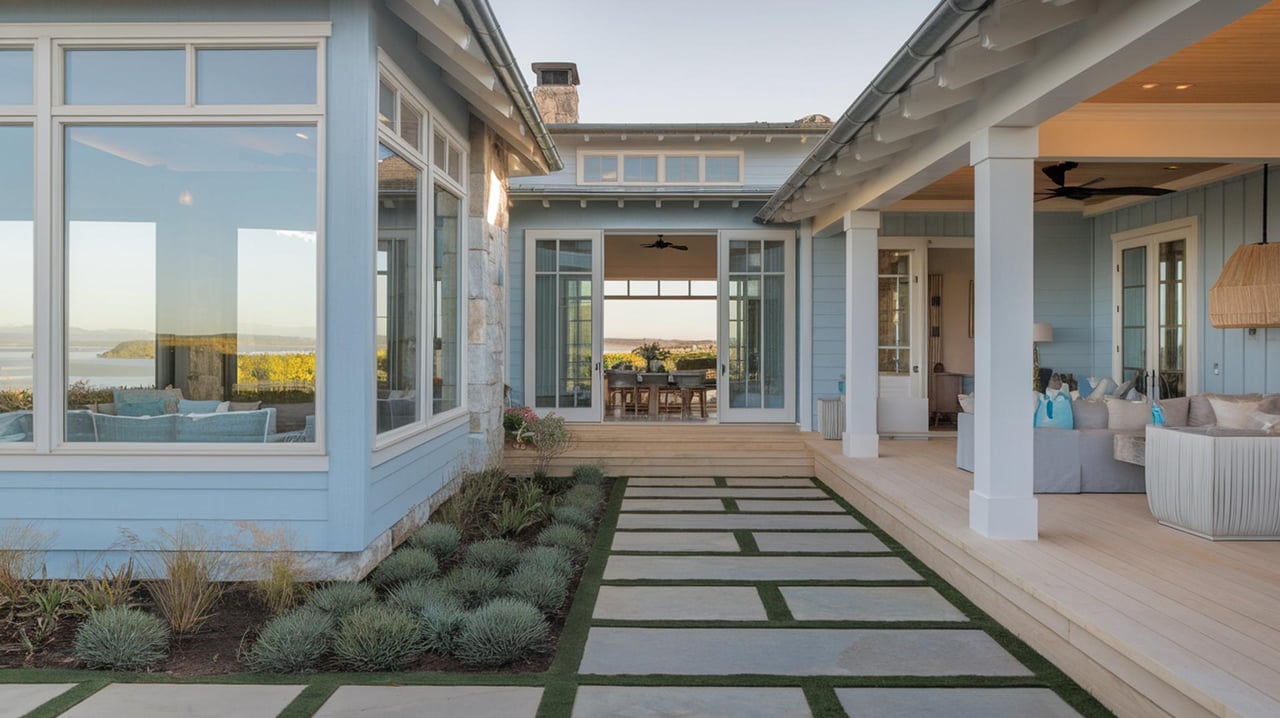
If your goal is to support both owner enjoyment and guest demand, the best improvements are usually practical rather than flashy. Sonoma County tourism listings for coastal lodging often emphasize familiar amenities such as full kitchens, fireplaces, hot tubs, Wi-Fi, outdoor seating, and flexible layouts, as seen in tourism examples like Bodega Bay & Beyond. A Carmet-area tourism listing for Coastal Dream also highlights ocean views, beach proximity, a well-stocked kitchen, HDTV, a wraparound deck, and a gas grill.
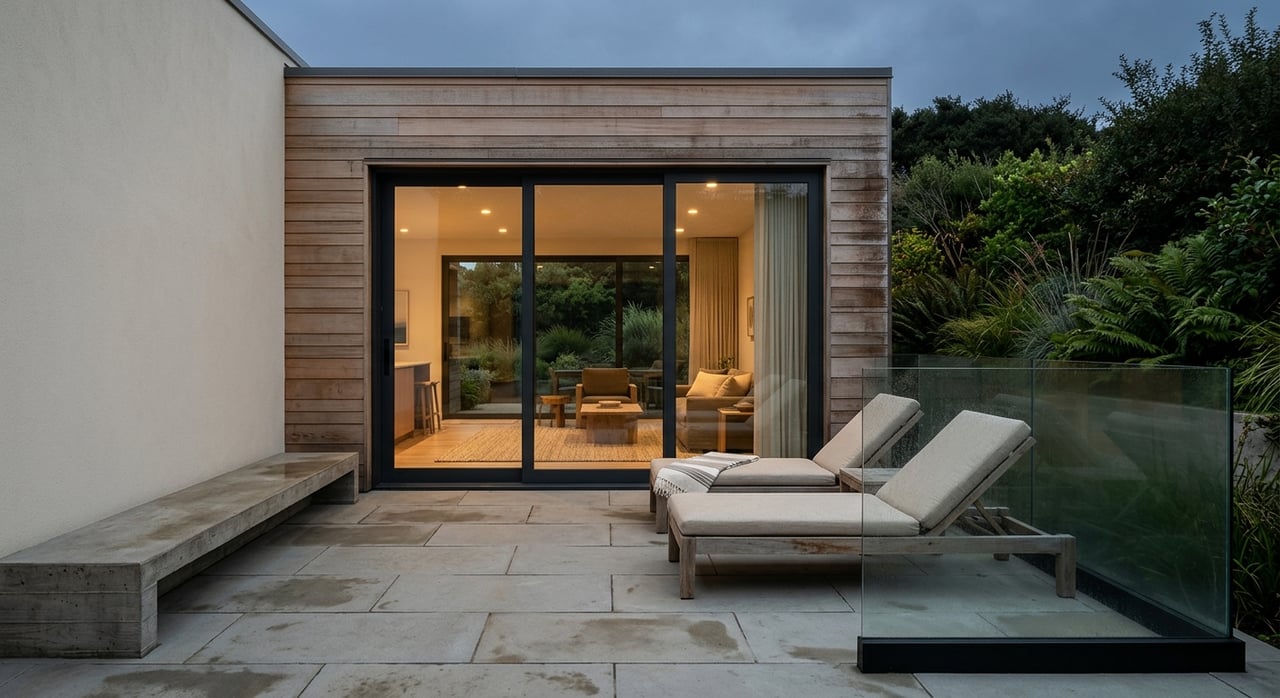
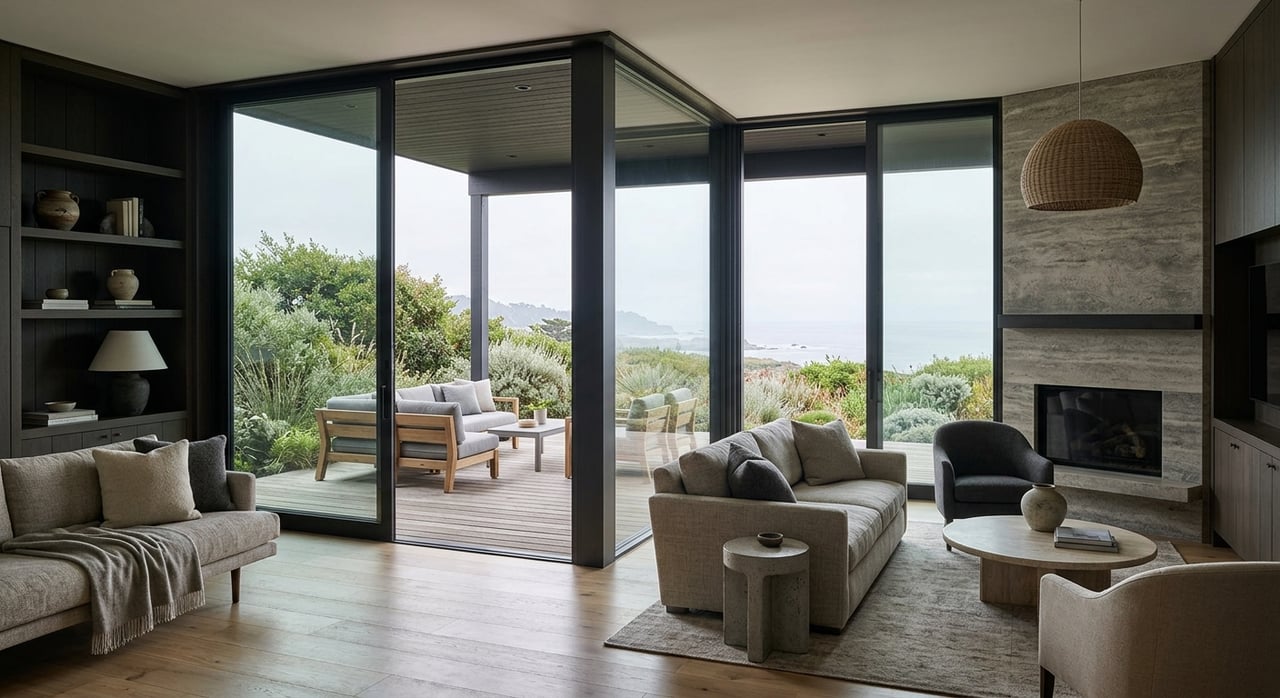
That points to a clear takeaway: in Carmet, indoor-outdoor comfort often matters more than highly specialized luxury additions. Improvements that support easy coastal living tend to serve both you and your guests well.
Helpful upgrades may include:
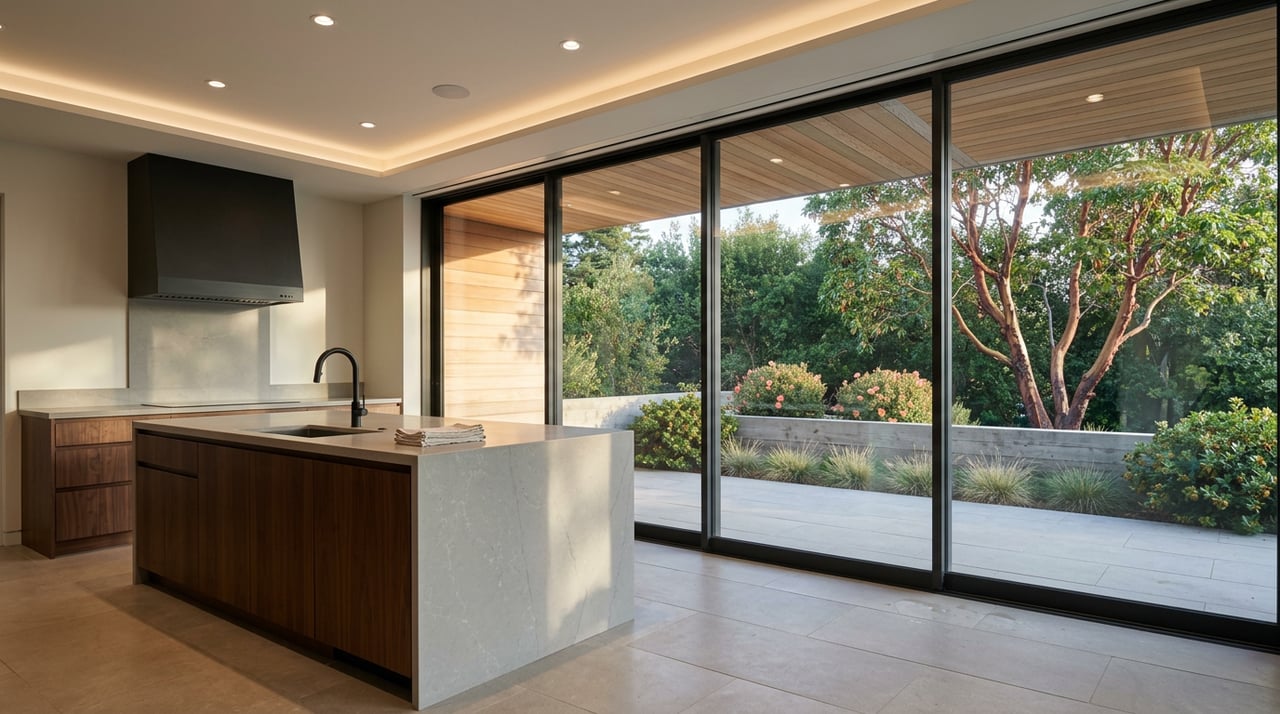
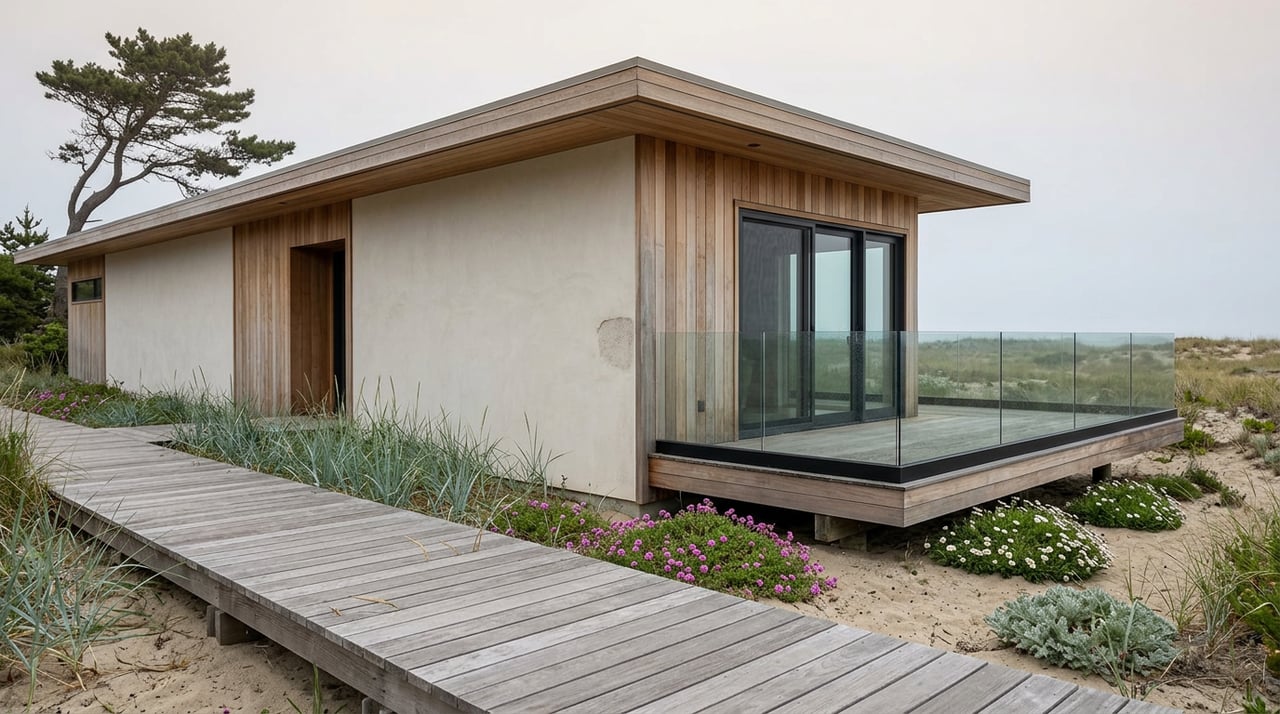
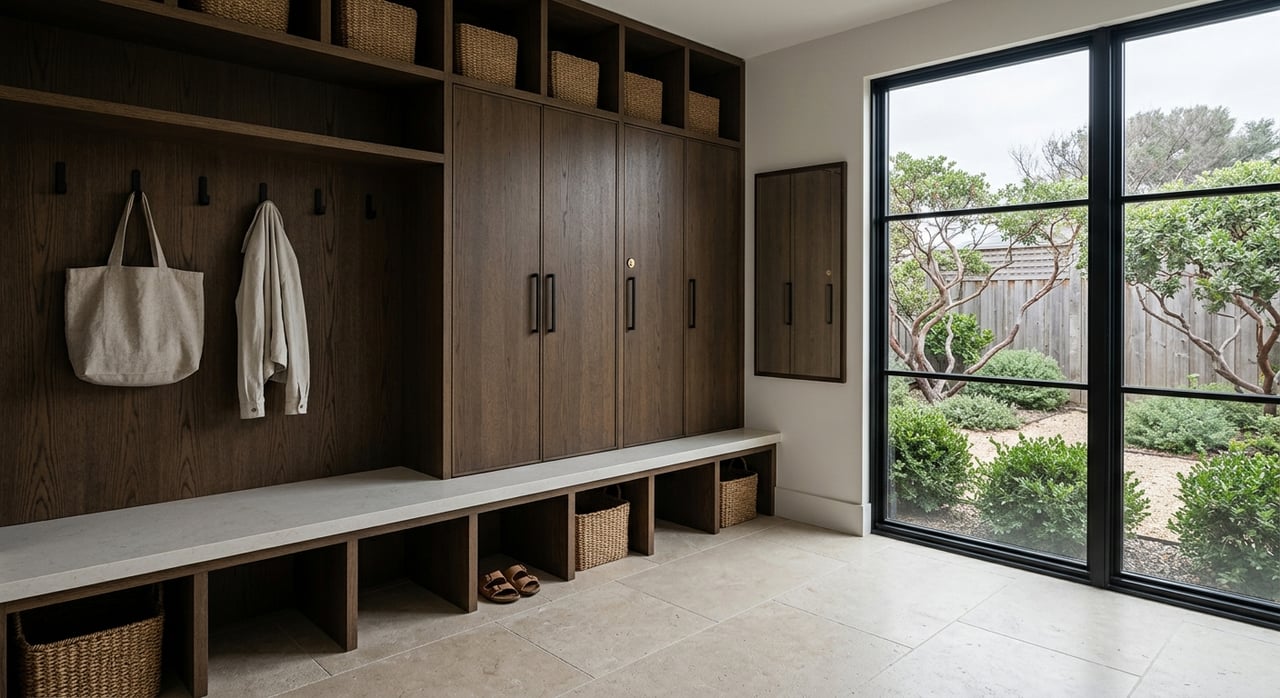
- Durable flooring that handles sand and moisture
- Easy-clean surfaces in kitchens and baths
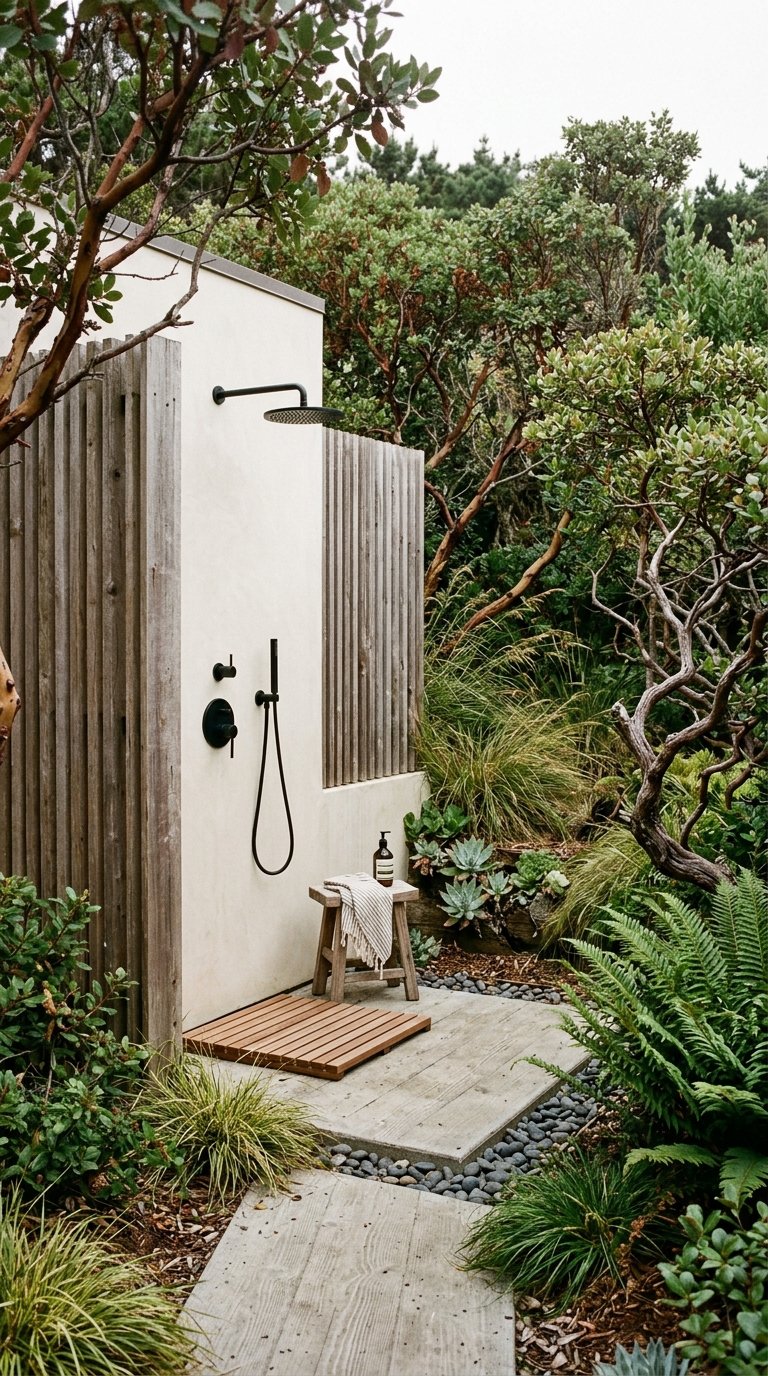
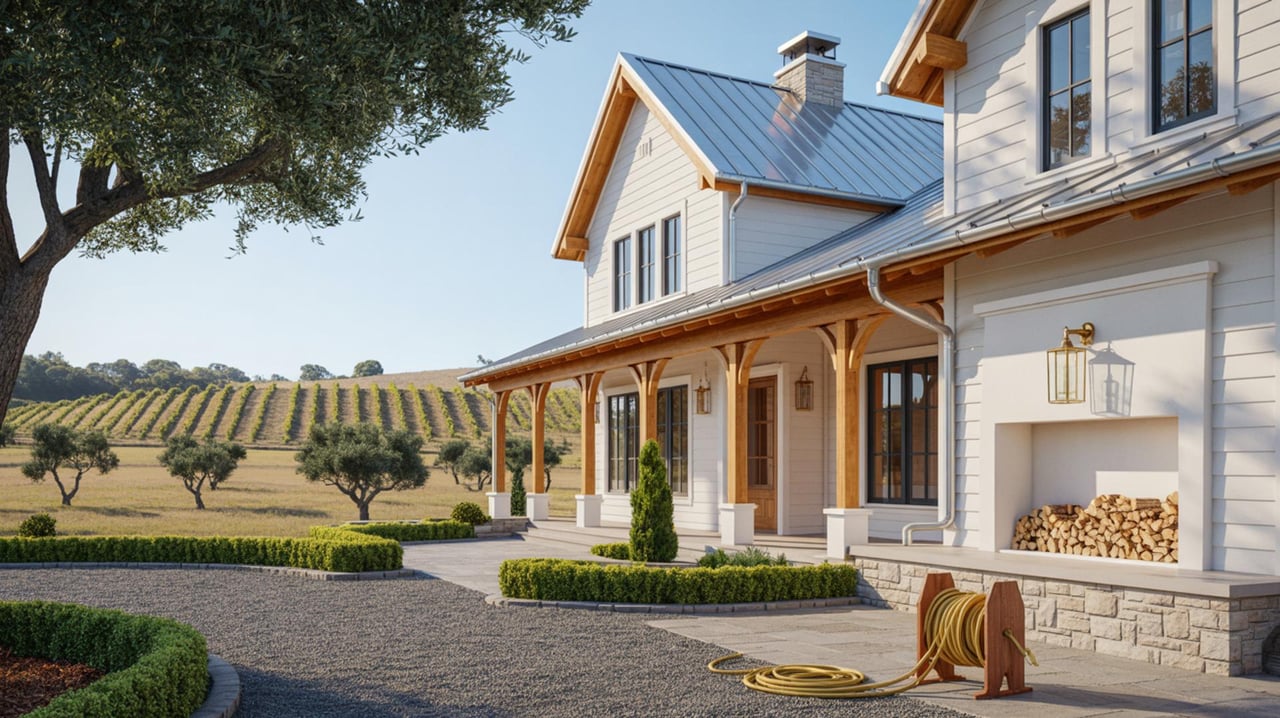
- Outdoor hose access for rinsing off gear
- Storage for beach, fishing, or walking essentials
- Layered blankets for cool mornings and evenings
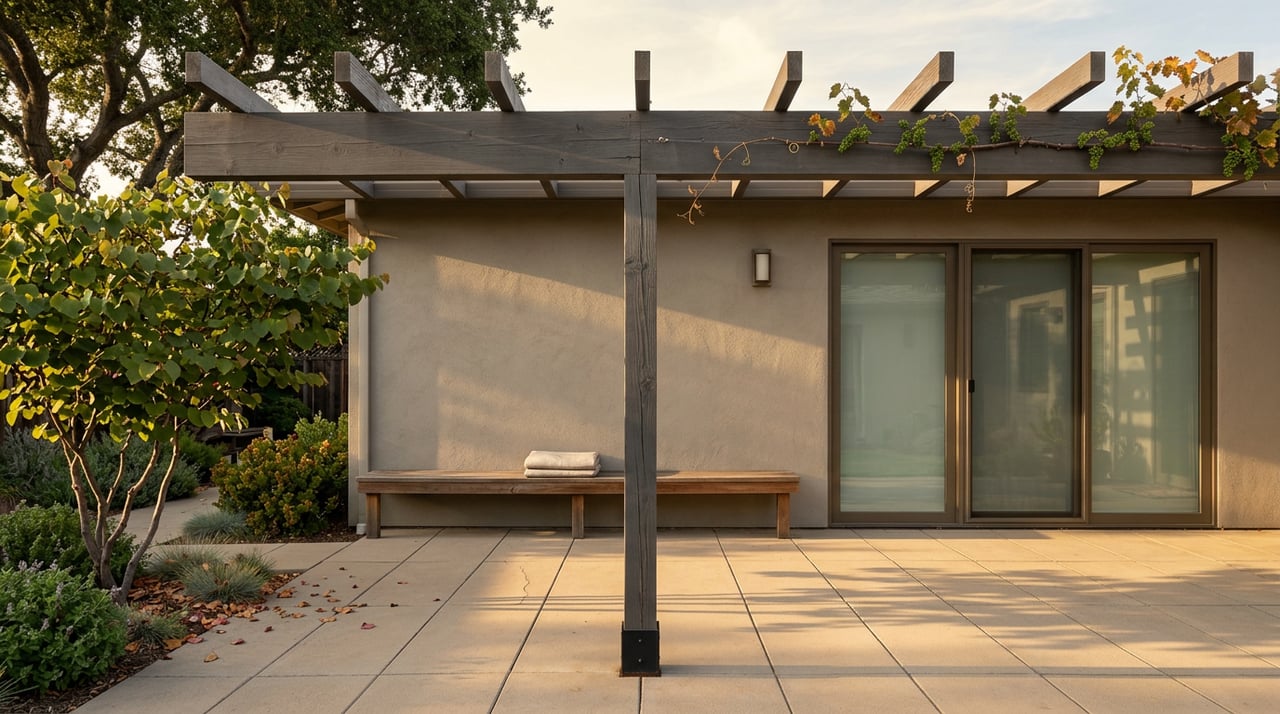
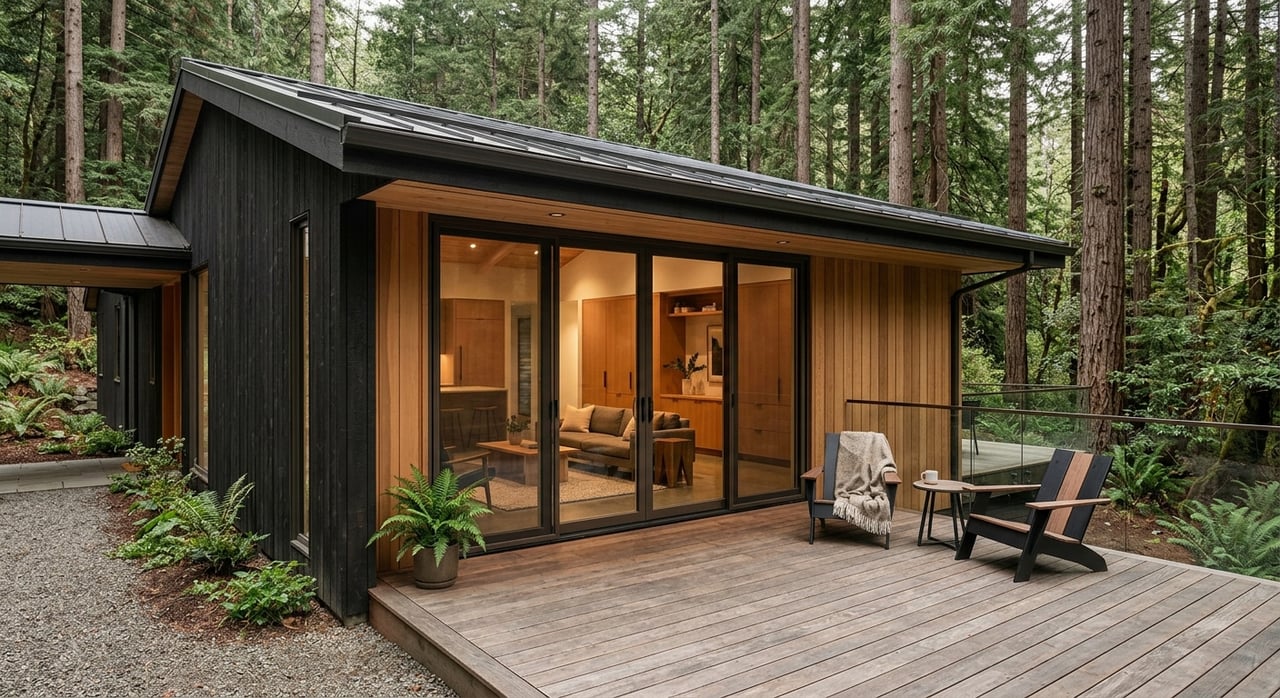
- Comfortable deck or patio seating
- Clear printed instructions for parking, beach access, and tides
Consider Pet-Friendly Features Carefully
Pet-friendly design can also be a smart fit for some Carmet properties. Sonoma County notes that Schoolhouse Beach and Carmet Beach allow dogs on leash, and dog-friendly stays appear regularly in Sonoma Coast lodging examples.
If that matches your ownership goals, practical choices like durable entry flooring, washable throws, and secure outdoor rinse areas may support both your lifestyle and guest appeal. As always, the right setup depends on the specific property and how you want to use it.
Make Safety Part of the Experience
A well-run coastal home should set clear expectations, especially near the water. Sonoma Coast State Park guidance warns against swimming because of cold water, rip currents, heavy surf, and sudden swells. The same source also notes that Carmet Beach can be unsafe at high tide because of narrow shoreline and sneaker waves.
This is one of the easiest ways to improve both owner and guest experience. Include simple house guidance about tide awareness, trail access, parking, and coastal hazards. That kind of thoughtful information is useful, responsible, and very much in line with how people actually use the Sonoma Coast.
A Balanced Carmet Strategy
The best Carmet ownership plan is rarely all personal use or all rental income. In most cases, the strongest approach is a property-specific balance that respects county rules, protects your favorite dates, leaves enough space for maintenance, and invests in upgrades that match real coastal use patterns.
That is where local knowledge matters. When you understand how Carmet’s older housing stock, beach-driven demand, coastal permitting, and vacation rental requirements all connect, you can make better decisions about how to use the home today and how to protect its long-term value. If you are weighing a purchase, preparing a home for sale, or exploring how a Carmet property could function as both a retreat and an income asset, Thera Buttaro can help you build a strategy grounded in the realities of the Sonoma Coast.
FAQs
What makes balancing personal use and rental income in Carmet different from other second-home markets?
- Carmet combines beach-driven visitor demand with older coastal housing, septic-based infrastructure, and county vacation rental rules, so owners usually need more intentional planning around calendar blocks, maintenance, and compliance.
What permit is required for a whole-home vacation rental in Carmet?
- Sonoma County says a whole-home vacation rental for stays of 30 days or less requires a Vacation Rental Permit, a certified property manager, a Vacation Rental License, a Transient Occupancy Tax number, and compliance with county performance standards.
What is the difference between a hosted rental and a vacation rental in Carmet?
- A hosted rental applies when you remain in residence and rent a room or sleeping area, while a vacation rental applies when the private residence is rented for 30 days or less as a whole-home stay.
Why should Carmet owners leave larger maintenance gaps between bookings?
- Carmet’s older homes, shared water service, and septic-based systems can make it more practical to bundle repairs and upkeep into defined maintenance blocks instead of trying to fit work between back-to-back stays.
What upgrades are most useful for a Carmet home used by both owners and guests?
- The most practical upgrades are usually full-function kitchens, comfortable indoor-outdoor living areas, durable flooring, easy-clean surfaces, outdoor gear rinse access, storage, layered bedding, and clear instructions for beach access and tides.
What coastal safety information should Carmet guests and owners know?
- Sonoma Coast State Park materials warn of cold water, rip currents, heavy surf, sudden swells, and sneaker waves, and they note that Carmet Beach can be unsafe at high tide because of its narrow shoreline.