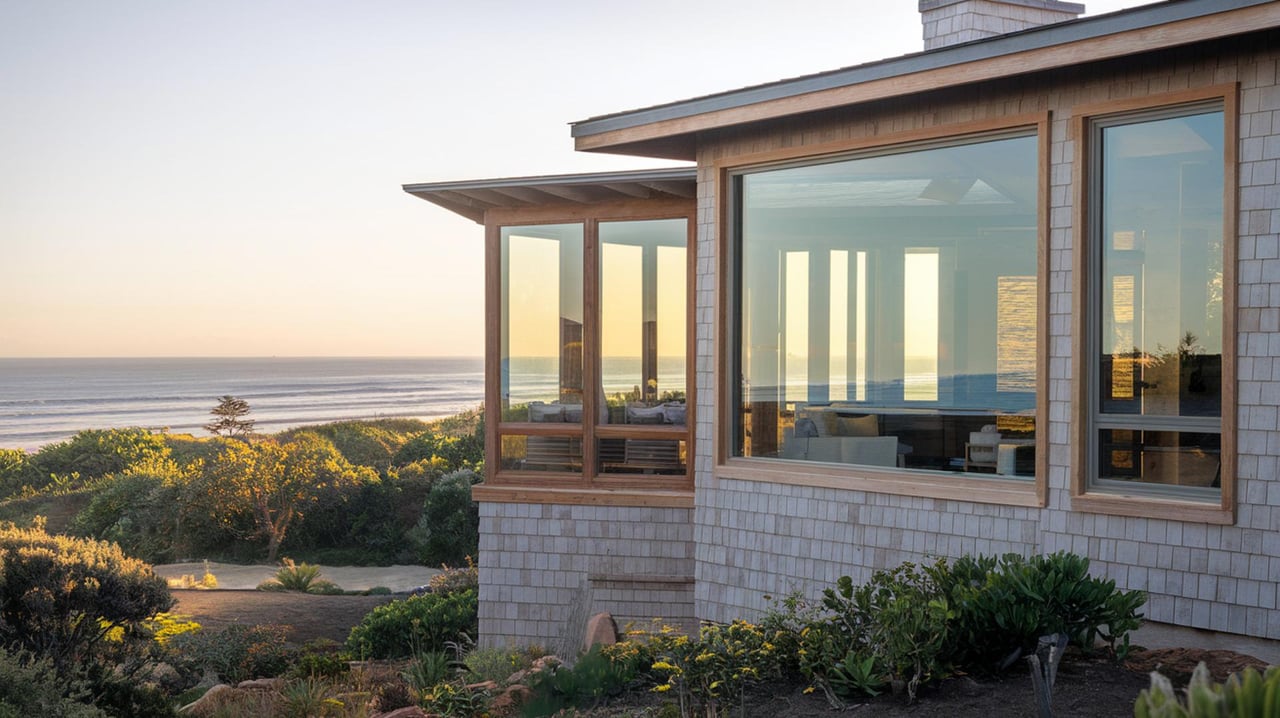
You did it. The keys are in your hand, the ocean is in view, and your goal is simple: welcome your first guest without missteps. In Bodega Bay, that means pairing smart coastal due diligence with Sonoma County’s vacation rental rules so you launch cleanly and protect your investment. This guide shows you the exact path from closing to compliant, guest-ready, and income-capable — with timelines, checklists, and links you can trust. Let’s dive in.
Permits, licenses, and taxes you need
Before you take a booking in unincorporated Sonoma County, most whole-house vacation rentals must secure four things: a Transient Vacation Rental zoning permit, a Vacation Rental License, Transient Occupancy Tax registration, and a certified local property manager on file. County guidance explains this multi-step process and notes processing can take time, especially in busy cycles. Review the steps on Permit Sonoma’s vacation rental page and plan your timeline accordingly. You cannot assume instant income the day you close. Permit Sonoma’s permit and license overview
Sonoma County levies a 12% Transient Occupancy Tax on stays under 30 days. You must register with the County’s TOT program, collect the tax, remit it on schedule, and keep the account active. County materials also recommend including your TOT certificate number in advertising and rental agreements. Treat this as a recurring compliance responsibility, not a one-time step. Sonoma County TOT policy and program
Coastal-zone properties: different path, confirm timing
Bodega Bay sits in the coastal zone. The County coordinated its vacation rental framework with the California Coastal Commission through the Local Coastal Plan. Coastal parcels have had distinct handling and, at times, extended compliance windows tied to LCP actions. Confirm the current status and timing for your specific parcel with Permit Sonoma before you promise a go-live date. California Coastal Commission LCP materials
Fast due diligence checklist
- Confirm parcel eligibility early. Ask about zoning and any coastal-zone constraints for your address.
- Request the seller’s vacation rental permits, license, and TOT records during escrow. If permits do not transfer, plan for a fresh application.
- Register for TOT and prepare to include your certificate number in listings and guest communications.
- Call Permit Sonoma with parcel-specific questions and to clarify any coastal requirements. Permit Sonoma vacation rental guidance
Performance standards to plan for
Sonoma County enforces clear operating rules for vacation rentals. County materials reference maximum guest counts in program text, quiet hours and no amplified outdoor sound, on-site parking expectations, lighting that avoids spill, wildfire defensible space, evacuation instructions, and posting your certified local property manager’s contact information. The County also runs a 24/7 complaint hotline, and managers must meet response-time targets, generally within 60 minutes during daytime and 30 minutes during quiet hours. Fines escalate for noncompliance and repeat issues, and licenses can be suspended or revoked. Build your house rules and systems to meet these standards from day one. Certified Property Manager guide from Permit Sonoma
Coastal site and infrastructure checks
Bodega Bay is a spectacular coastal environment that demands extra care. County climate and resilience planning identifies local exposure to sea-level rise, bluff erosion, storms, and related hazards. As part of due diligence, order a focused hazards review that evaluates bluff stability, flood and tsunami zones, and sea-level projections so you understand long-term risk and insurance implications. Sonoma County climate resilience plan
Many coastal properties rely on wells and septic systems. Septic capacity can limit allowable occupancy, and maintenance history matters for guest comfort and compliance. Pull well logs, septic permits, and inspection records from Permit Sonoma’s Well & Septic division, and ask for recent maintenance documentation during escrow. If the system needs work, plan upgrades before you list. Permit Sonoma Well & Septic
If your home is in an HOA or subject to coastal development conditions, review CC&Rs and past approvals. Some communities limit short-term rentals or accessory uses, and certain shoreline or bluff stabilization work requires coastal permits. Check these early so you do not set expectations that HOA or coastal rules will not support. Local Coastal Plan reference
Safety and guest-ready essentials
Before you list, confirm safety basics. State and local guidance require working smoke alarms and, where applicable, carbon monoxide alarms. Stock a visible fire extinguisher, a complete first-aid kit, and post clear emergency and evacuation instructions. A pre-list safety walk with a licensed contractor, followed by a conversation with your insurer, helps you catch gaps before guests arrive. California health and safety reference
Smart inventory checklist
- Bedding and towels: two full sets per bed and guest, plus beach towels for coastal stays.
- Kitchen essentials: pots and pans, dishes, utensils, sharp knives, cutting boards, baking sheet, coffee maker and filters, kettle, basic spices, and cooking oil.
- Toiletries and supplies: soap, shampoo, paper goods, trash liners, and cleaning basics guests can use.
- Tech and comfort: reliable Wi‑Fi, TV with streaming, spare chargers, and clear instructions.
- House manual: quiet hours, parking, trash day, wildfire defensible space notes, evacuation routes, and your local property manager’s contact card.
- Checkout checklist: what to do with linens, dishes, thermostats, and exterior lights.
Marketing, pricing, and your launch
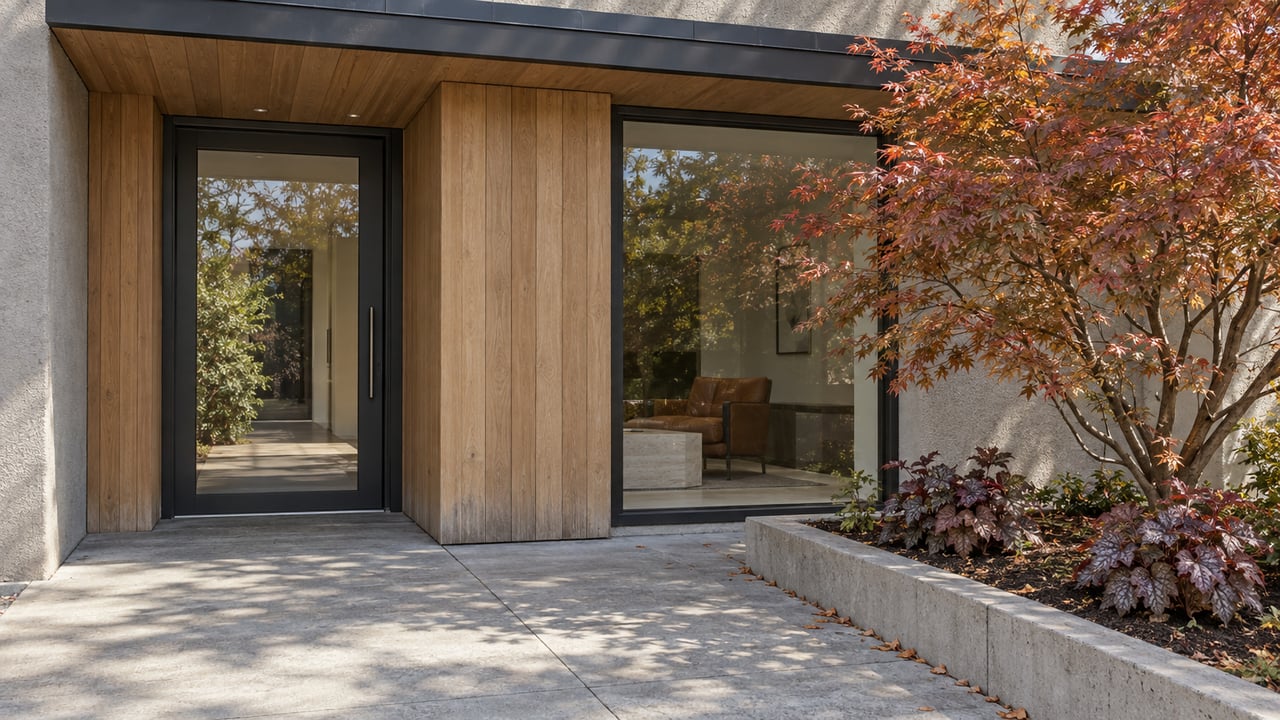
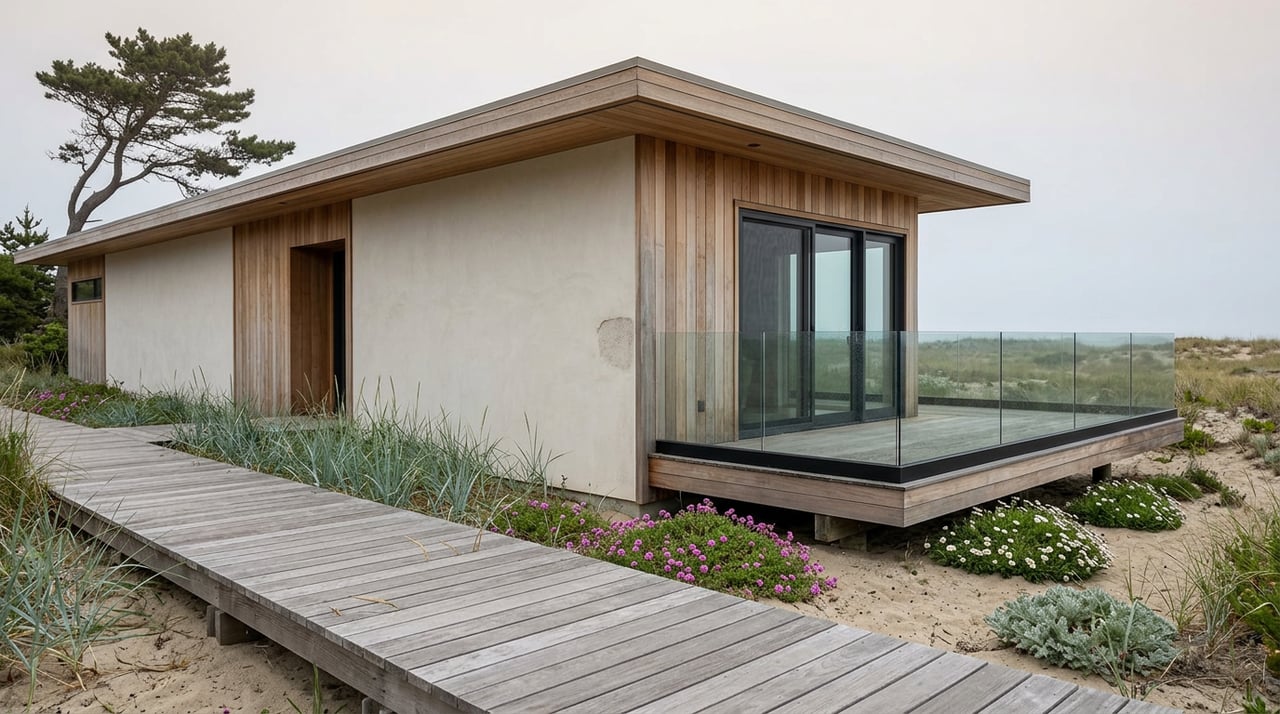
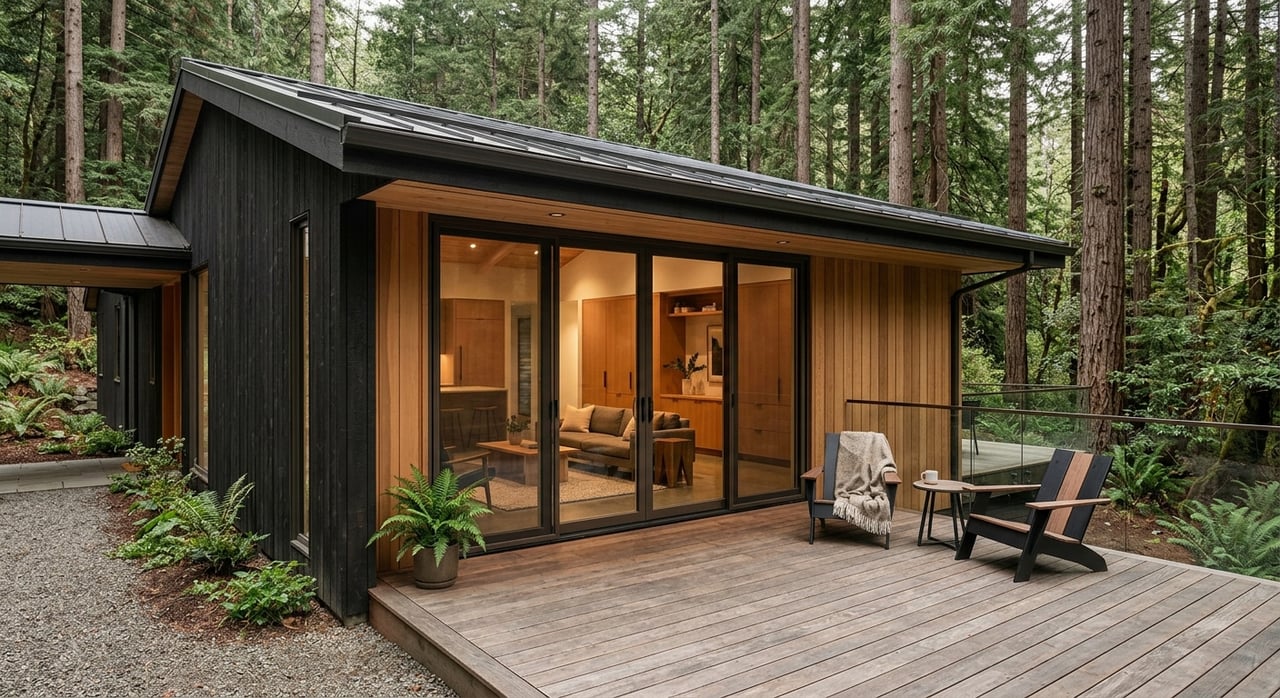
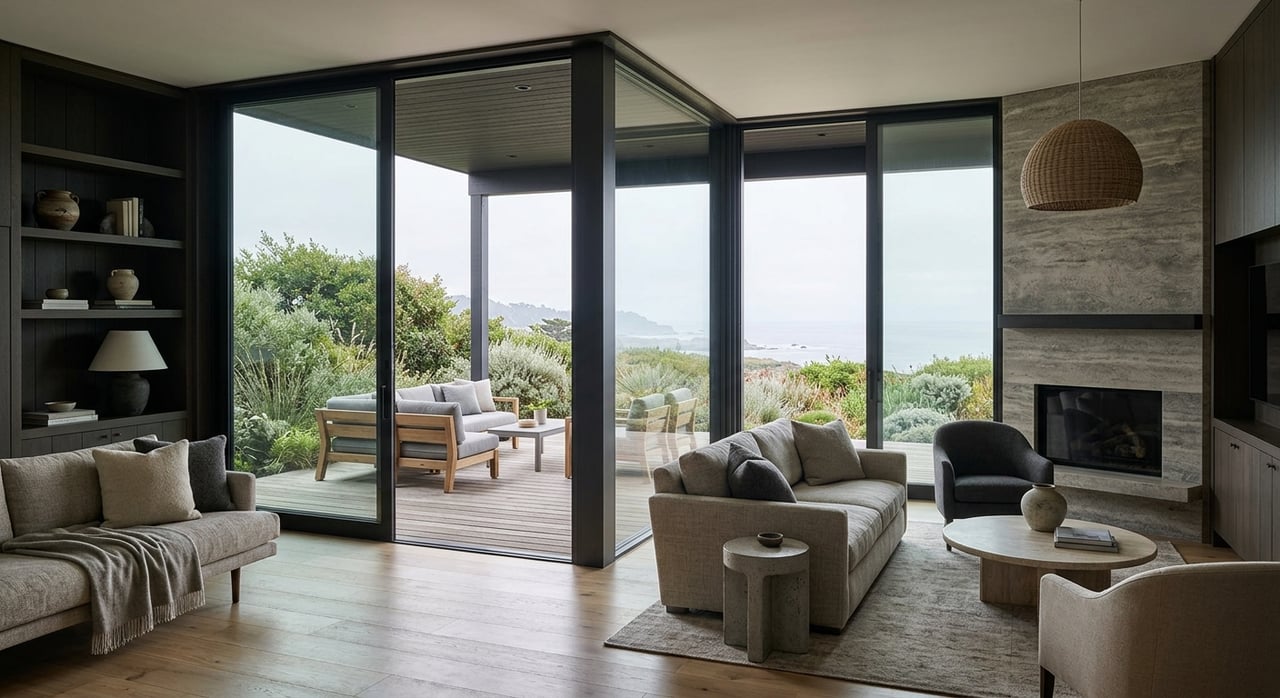
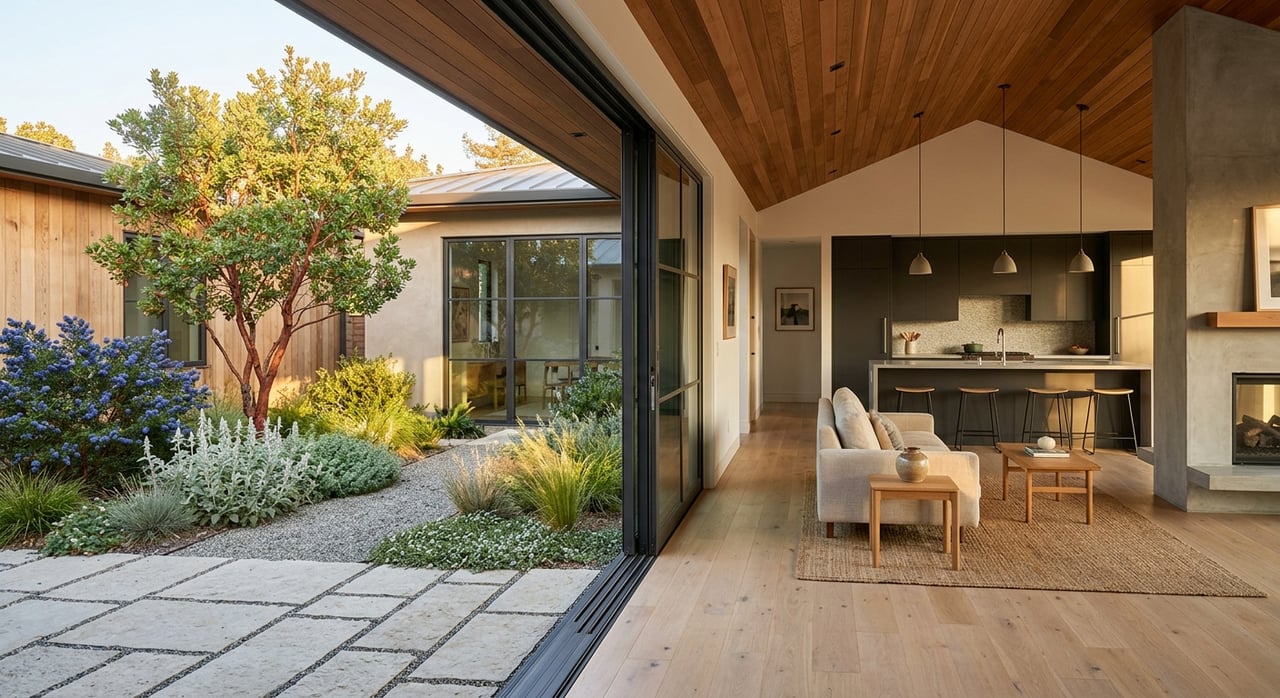
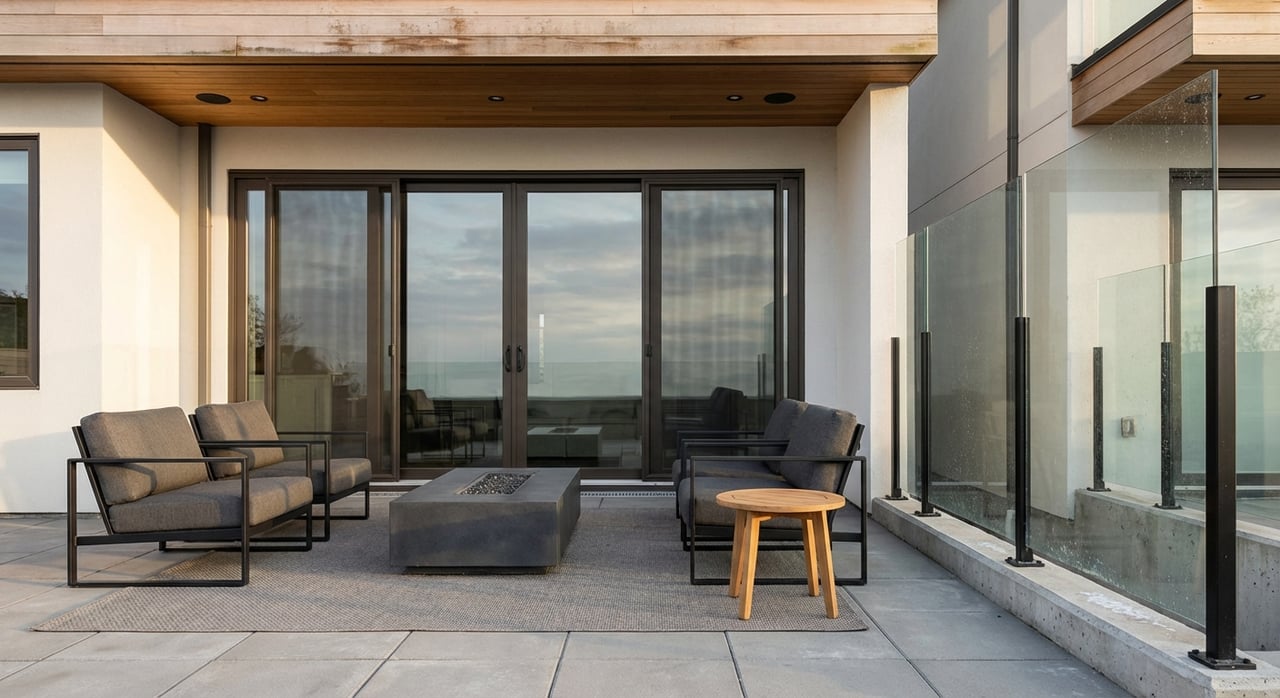
Presentation drives bookings, especially in a destination market. Capture a hero image that sells the view or primary living space, then a full walkthrough: every bedroom, bathrooms, kitchen, outdoor spaces, parking, and any trail or path guests will use. Stage for clean lines and natural light. Professional photos often pay back quickly in stronger initial conversion.
Pricing should reflect real Bodega Bay dynamics. Short-term rental analytics tools can help you set expectations for average daily rates, occupancy, and RevPAR, and Bodega Bay trends as a seasonal coastal market with strong ADRs. Use a market snapshot to guide your initial rates, date any figures you reference, and adjust with dynamic pricing tools as you collect bookings. AirDNA MarketMinder for Bodega Bay
Five-step launch timeline
- Day 0 to 7: Change locks, confirm insurance coverage, switch utilities into your name, and verify Wi‑Fi stability. Walk the property for safety and inventory needs.
- Week 1 to 6+: Apply for the required vacation rental approvals and register a certified local property manager. County processing can take multiple weeks, so plan your launch window accordingly. Permit Sonoma process overview
- Week 1 to 3: Deep clean, complete small repairs, install or test smoke and carbon monoxide alarms, and set up your guest manual and emergency postings. Stage and furnish to your target occupancy.
- Week 2 to 4: Write your listing and capture high-quality photos. Include straightforward captions that help guests understand layout, parking, and coastal safety notes.
- Week 2 to 6: Launch with conservative intro pricing, enable dynamic pricing, and have your first two turnovers handled by a vetted cleaner or your property manager to lock in consistent standards.
Insurance and property management
Standard homeowners policies often exclude short-term rental or business activity. Platform protections are not a substitute for a tailored short-term rental policy or a host endorsement. Talk to an insurance broker experienced with STRs on the Sonoma Coast, and ask about wildfire and earthquake options suitable for coastal properties. Airbnb’s coverage explanation
You can operate with a full-service local property manager or self-manage with a local co-host and cleaning team. In Sonoma County, the operator must have a certified local property manager on record who can meet response times for complaints. Ask for sample contracts and local references, and confirm how they handle 24/7 response, cleaning, maintenance, and neighbor communications. Strong neighbor relations and fast resolution matter because the County’s complaint system can trigger inspections and fines.
Your first 60 days: focus on systems
Use templates for guest rules, a pre-arrival email, and check-in instructions that clearly state quiet hours, parking, trash day, and evacuation routes. Set a repeatable turnover and laundry process sized for peak occupancy so you never run short on linens. Keep a small reserve fund for consumables and replacement linens. Finally, monitor reviews for early operational misses and fix them fast.
When you are ready for a turnkey path that blends smart acquisition with proven coastal operations, connect with Thera Buttaro. You will get local guidance rooted in decades on the Sonoma Coast and an integrated property management pathway that turns a great Bodega Bay home into a thoughtfully run guest experience.
FAQs
Do vacation rental permits transfer with a home sale in Sonoma County?
- Often no. Ask the seller for current permits, license details, and TOT records during escrow, then confirm transferability and any required new applications with Permit Sonoma for your parcel.
How long does it take to host a first guest in Bodega Bay?
- If a home is already permitted and furnished, you can list quickly. If you need permits, inspections, or coastal confirmations, plan for several weeks to months. County review queues can add weeks during busy times, so build in buffer.
What taxes apply to short stays at my Sonoma Coast home?
- Unincorporated Sonoma County charges a 12% Transient Occupancy Tax on stays under 30 days. You must register, collect, and remit, and keep your certificate number handy for listings and contracts.
What operating rules should I expect in Sonoma County?
- Expect guest count caps, quiet hours with no amplified outdoor sound, parking and lighting rules, wildfire defensible space, posted evacuation instructions, and a posted local property manager contact. Managers must respond quickly to complaints, with faster response during quiet hours.
Do I need a local property manager, even if I self-manage?
- Yes. County rules require a certified local property manager on record who can meet response-time standards. Even if you handle marketing and guest messaging, you will need a qualified local point of contact.