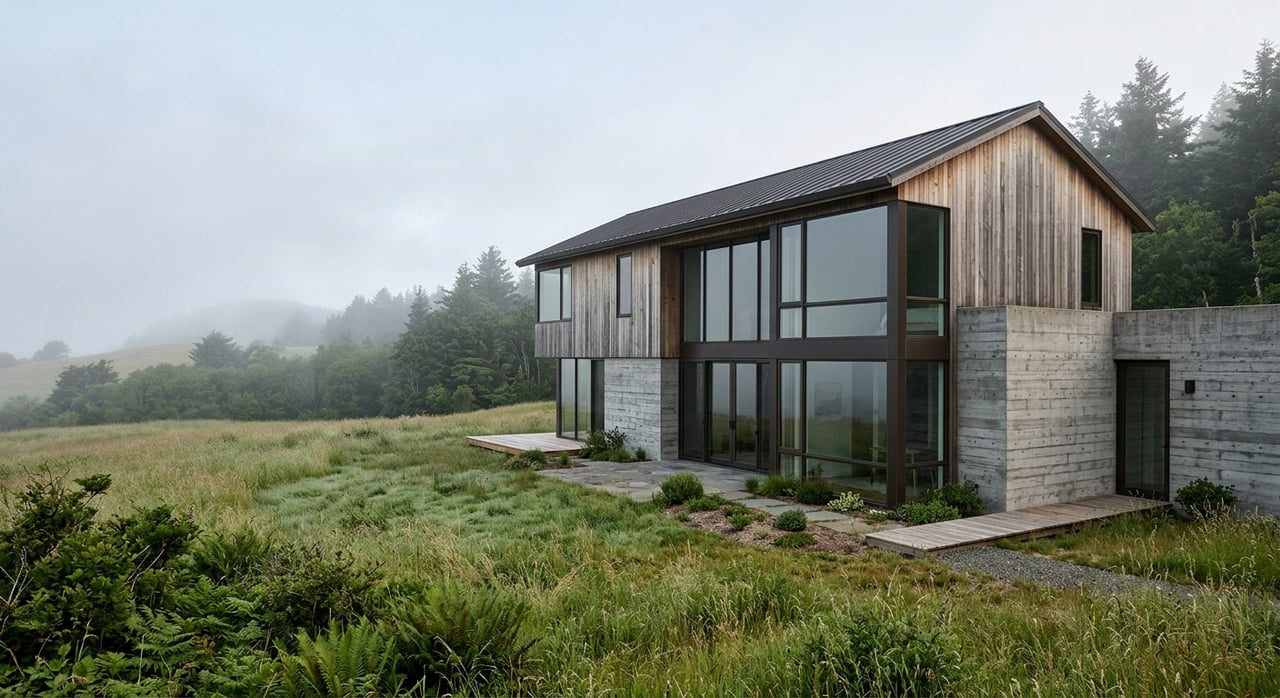
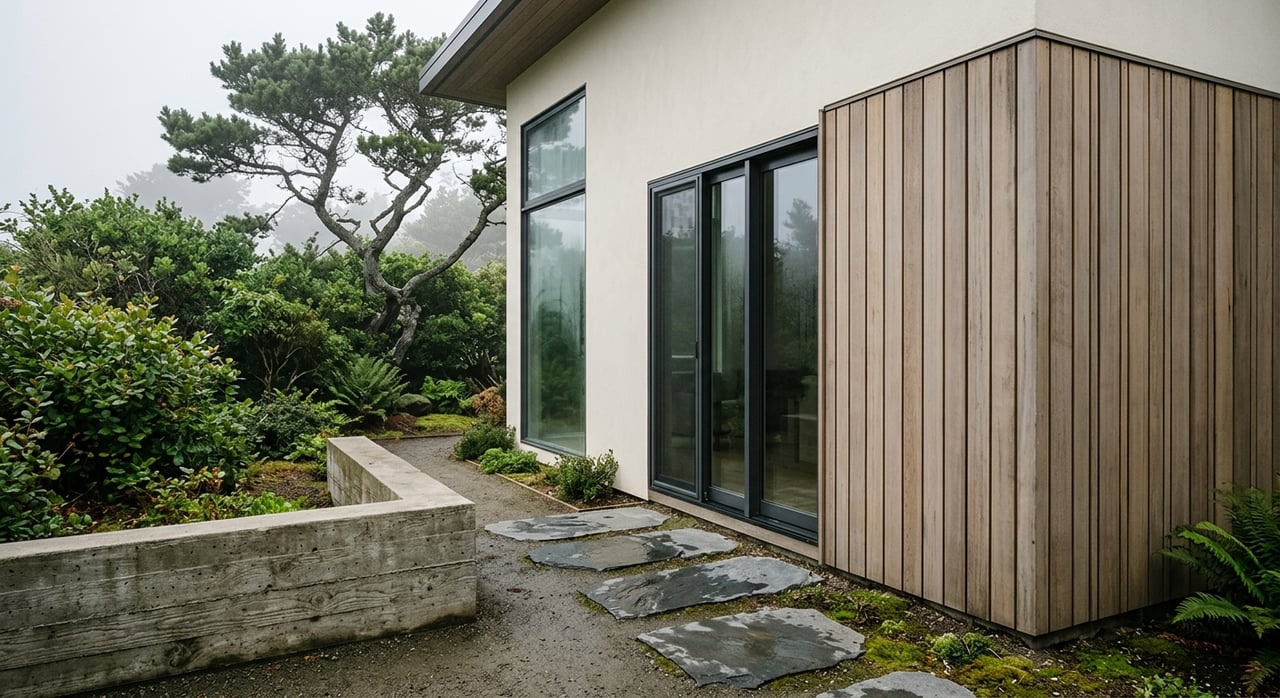
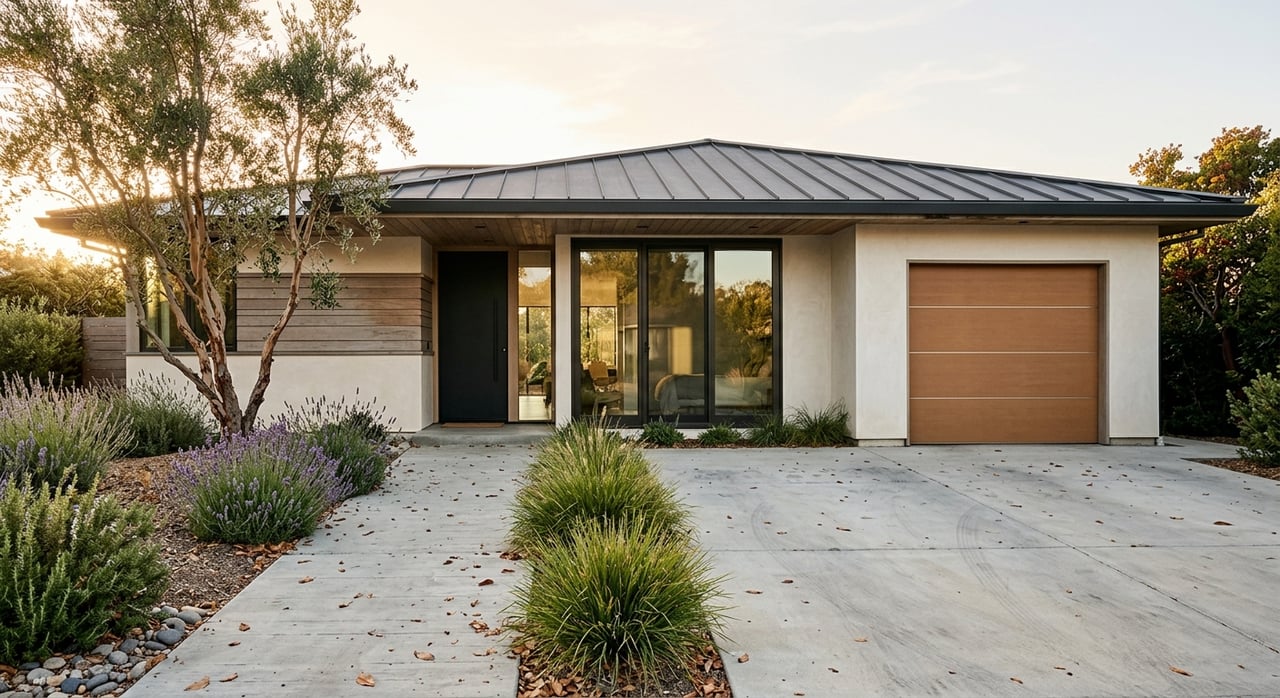
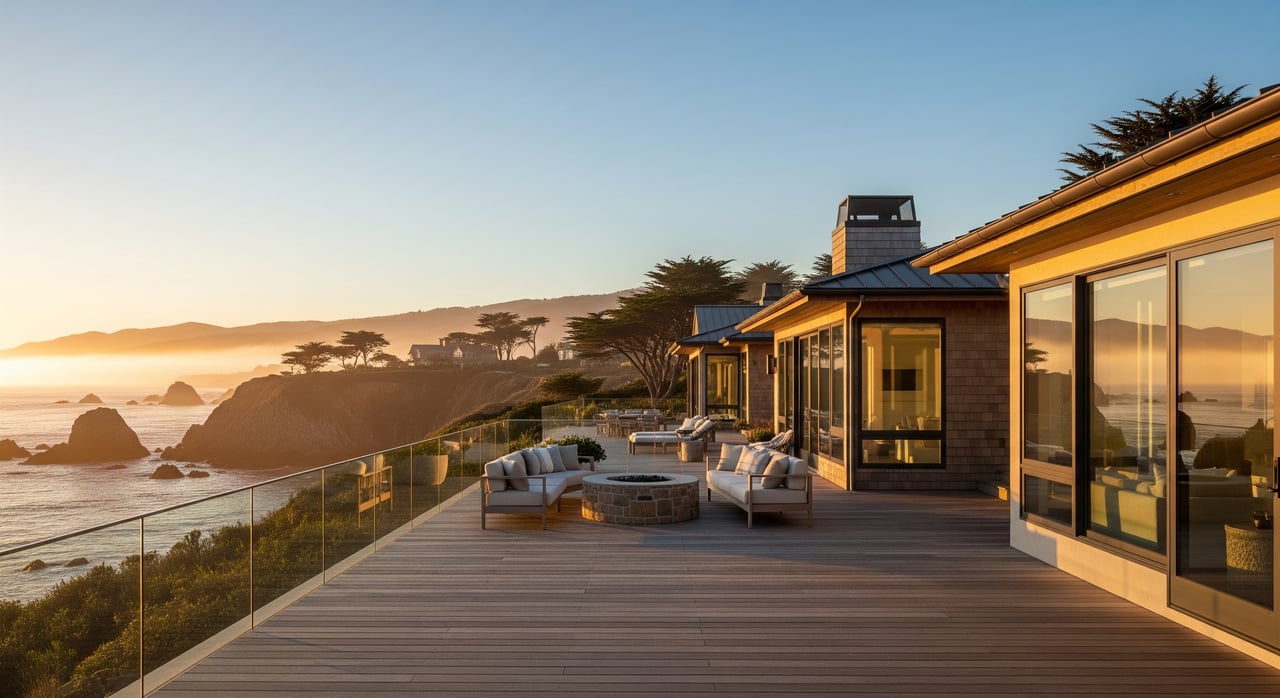
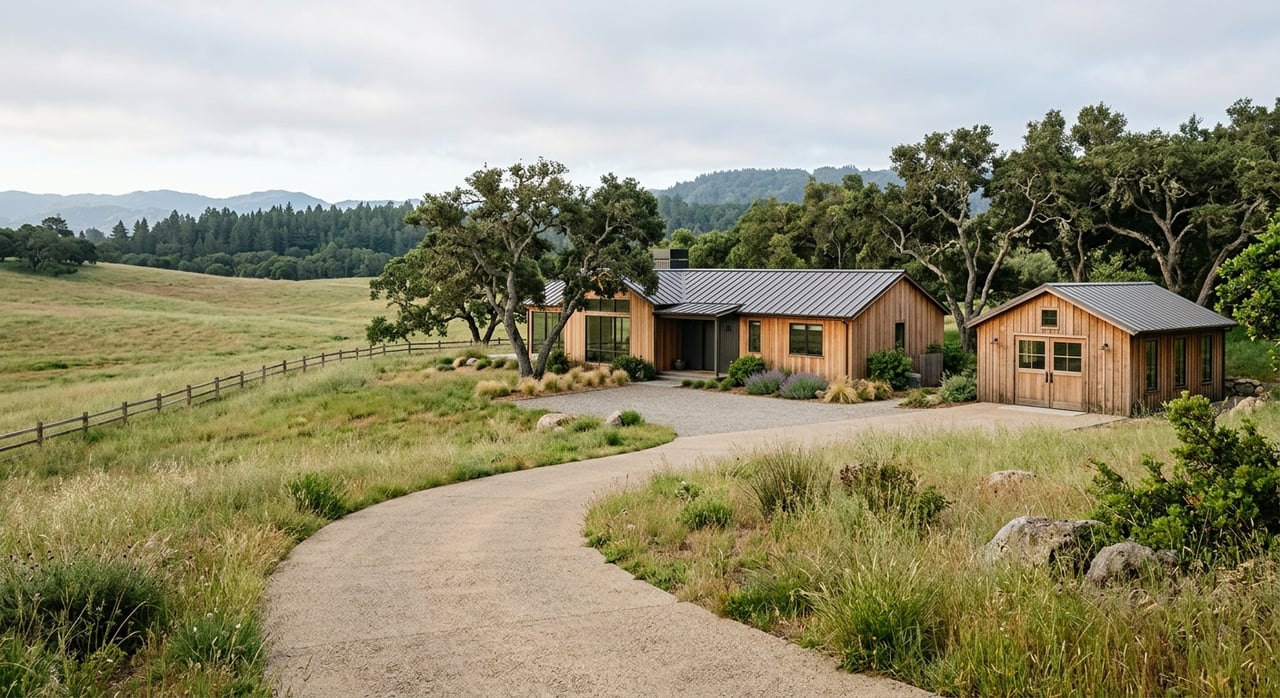
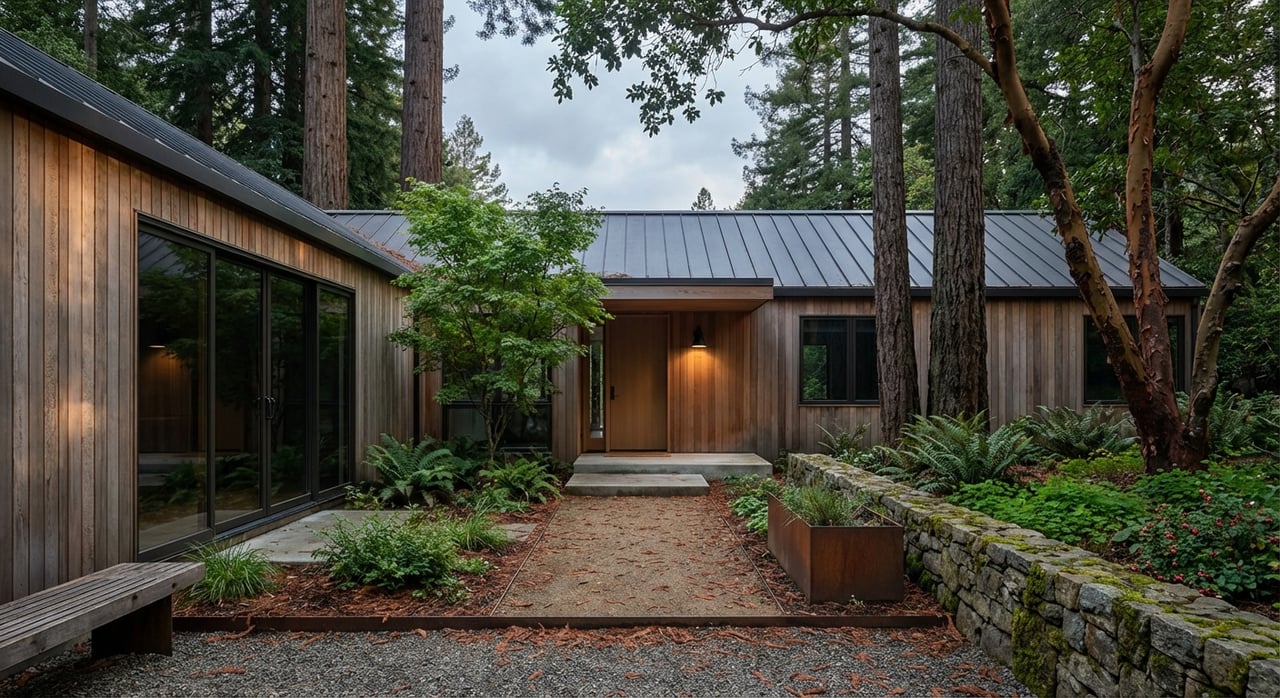
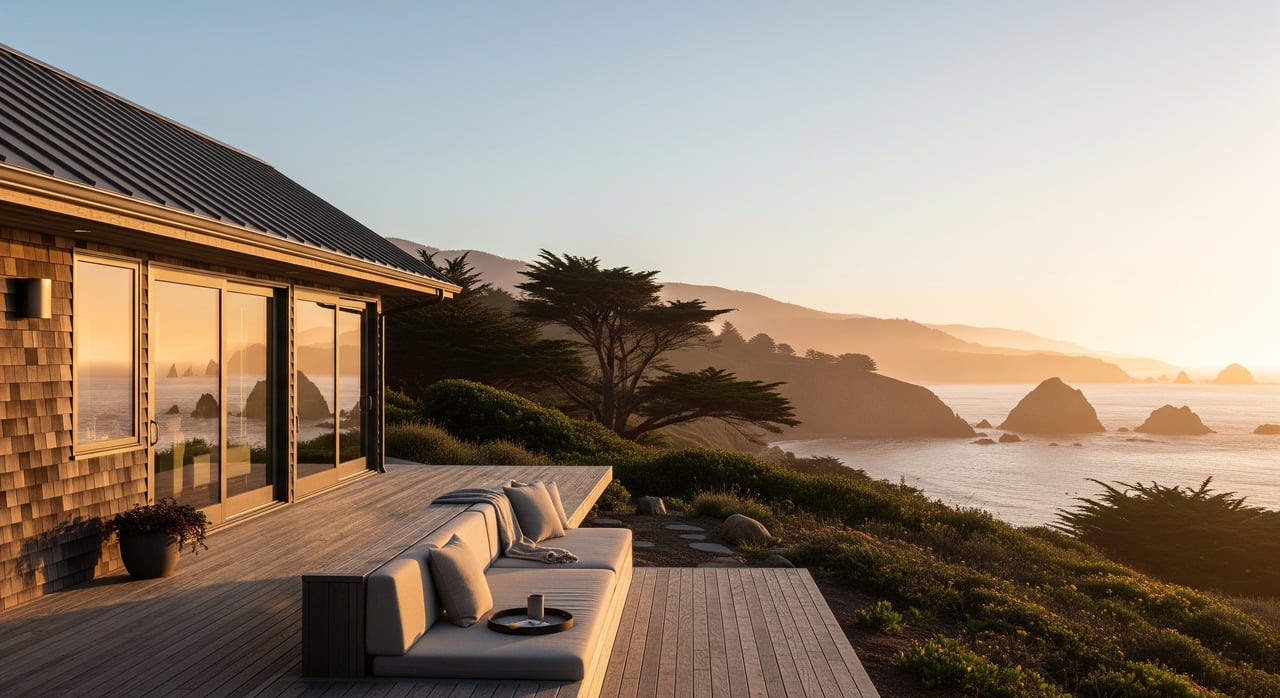
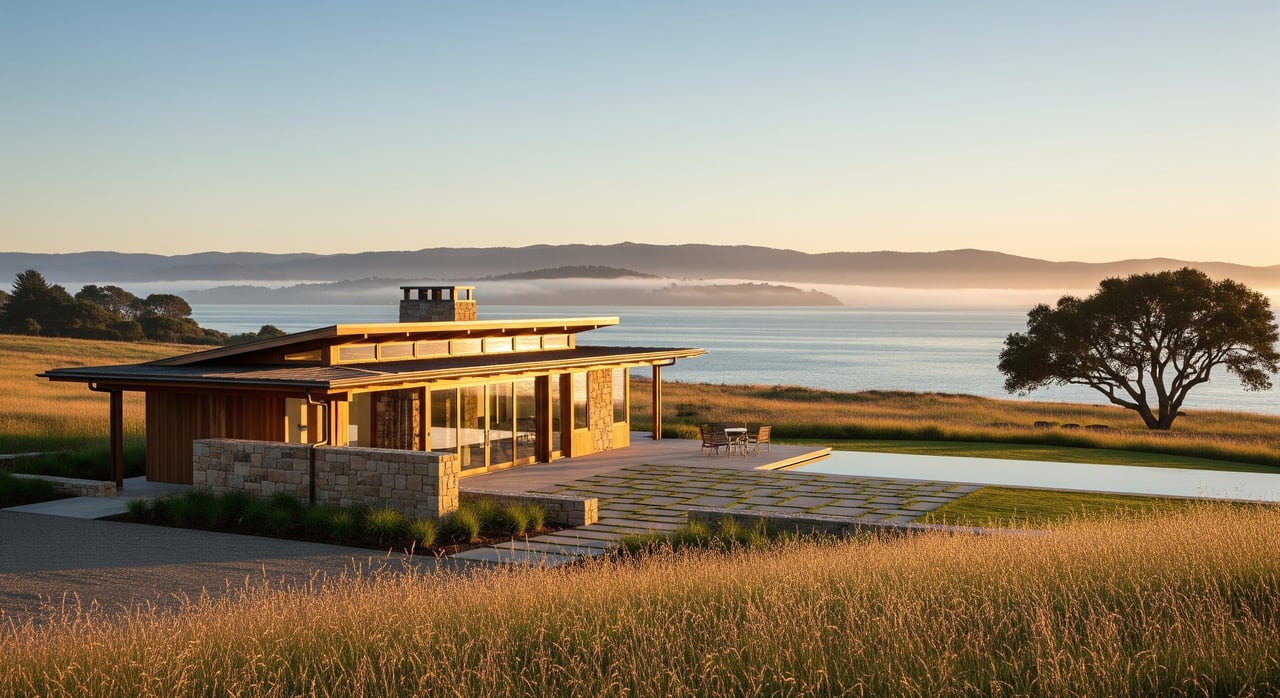
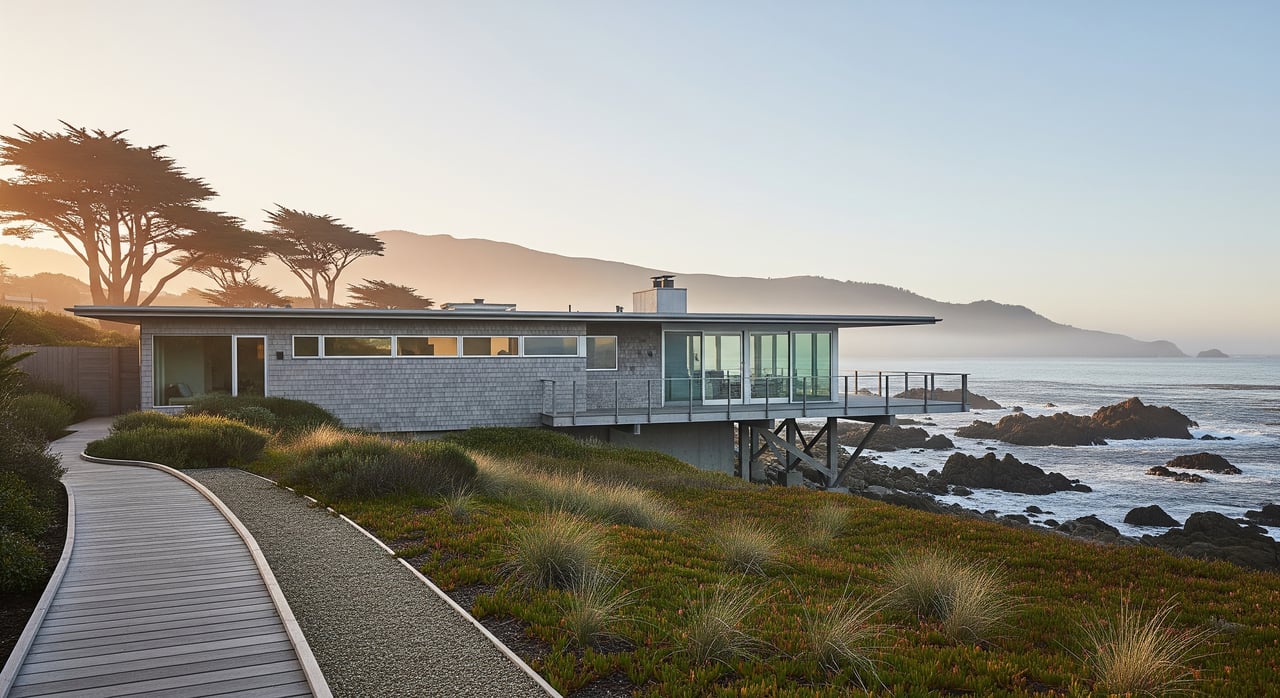
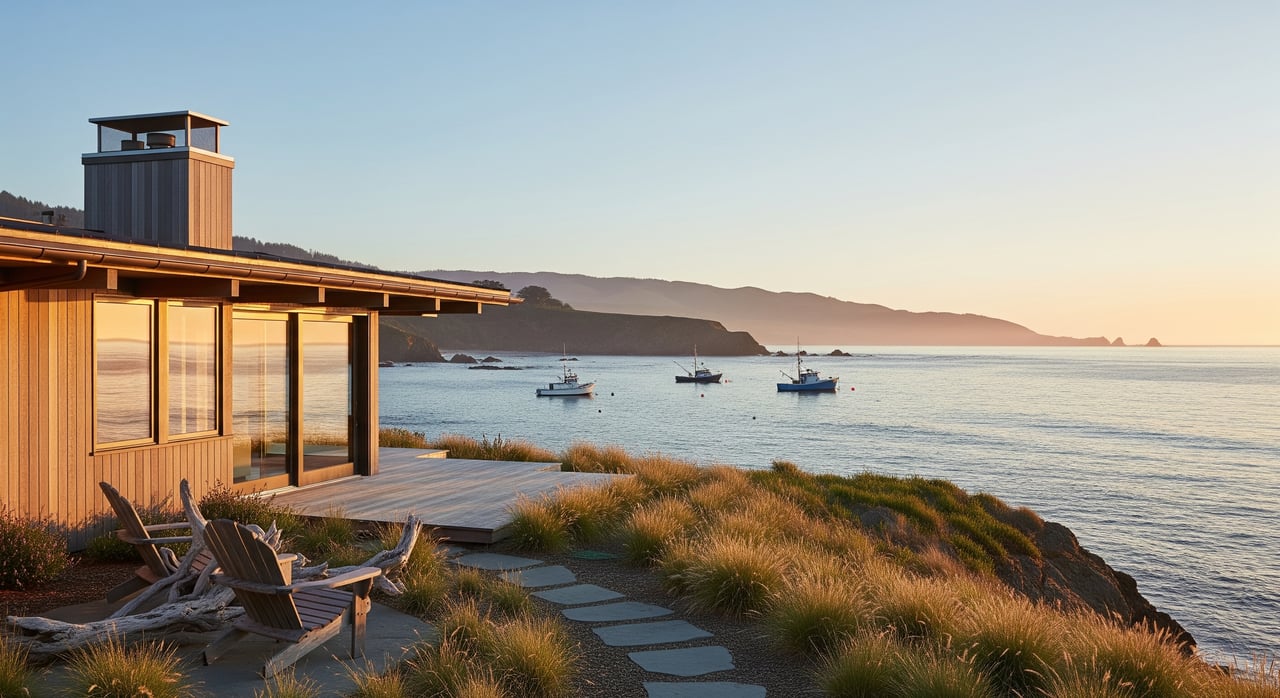
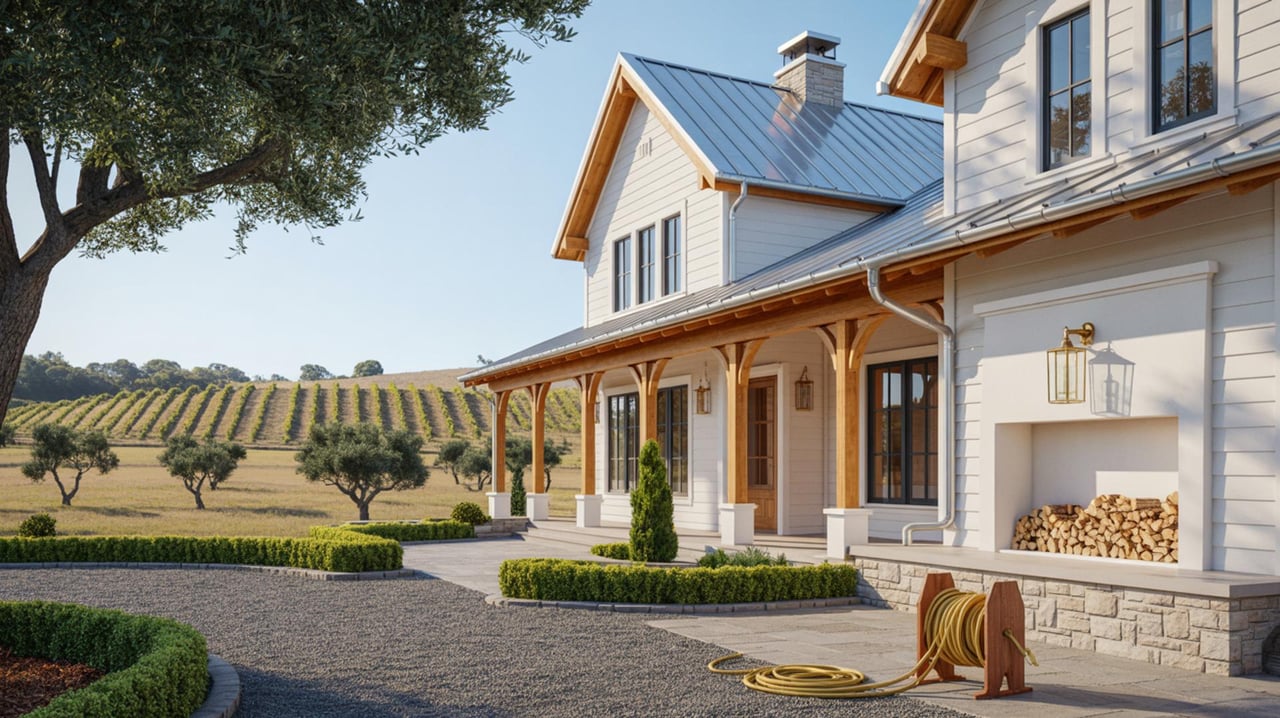
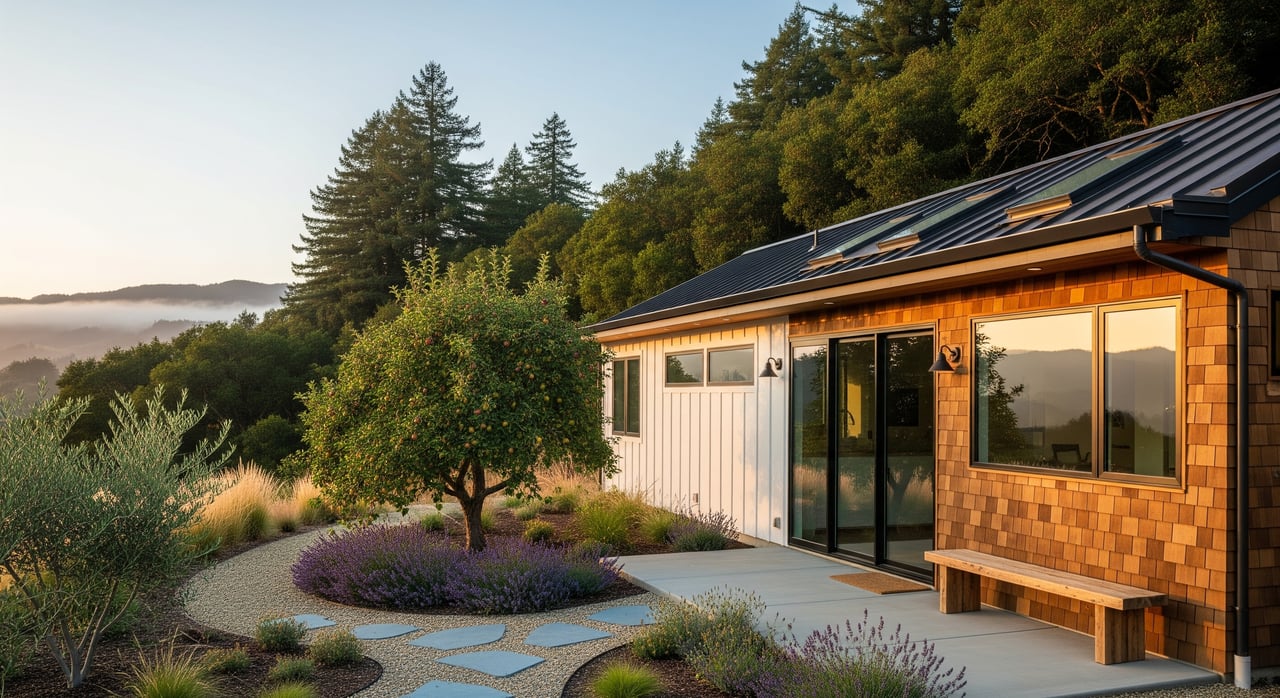
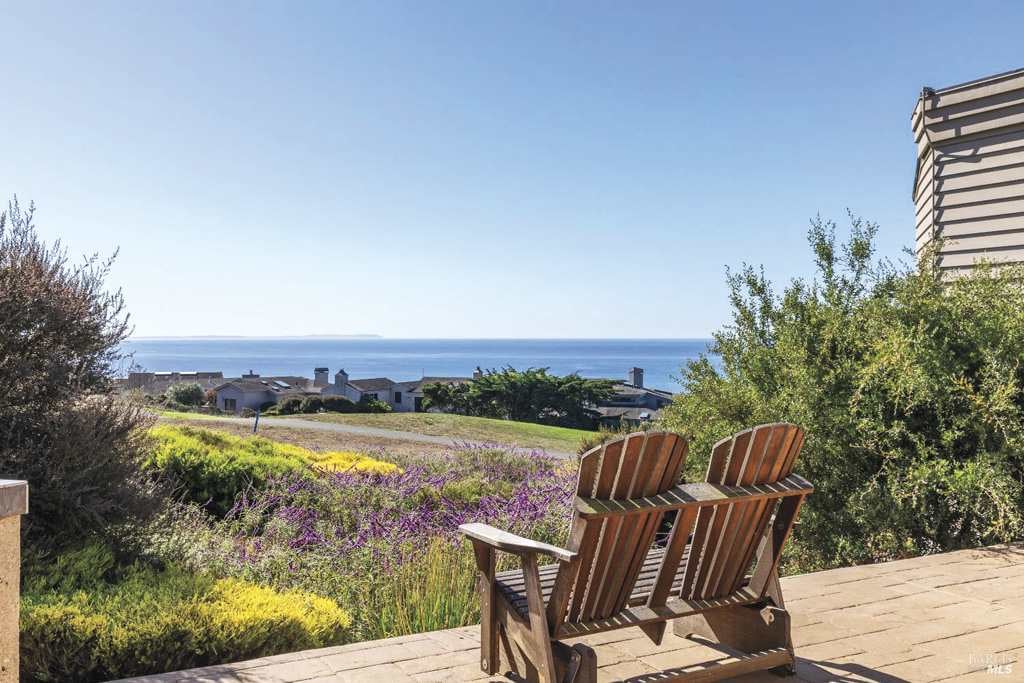
Ever picture waking up to open pasture views, ocean air, and the sound of birds instead of traffic? If you are considering a small ranch, hobby farm, or a private retreat near the Sonoma Coast, the Valley Ford area may be on your shortlist. Buying country property is different from buying in town, and a thoughtful plan can save you time and money. In this guide, you will learn what to look for with wells and septic, wildfire risk and insurance, coastal rules, road access, and daily-life logistics so you can buy with confidence. Let’s dive in.
Why Valley Ford for country living
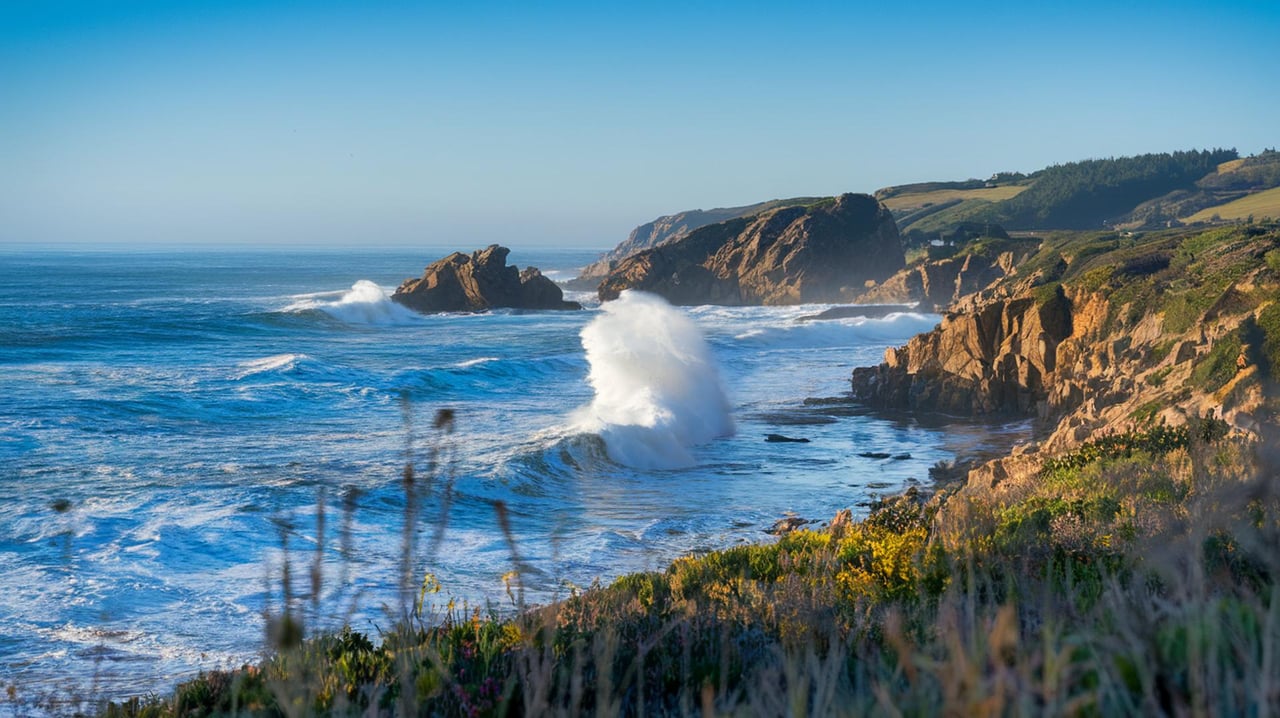
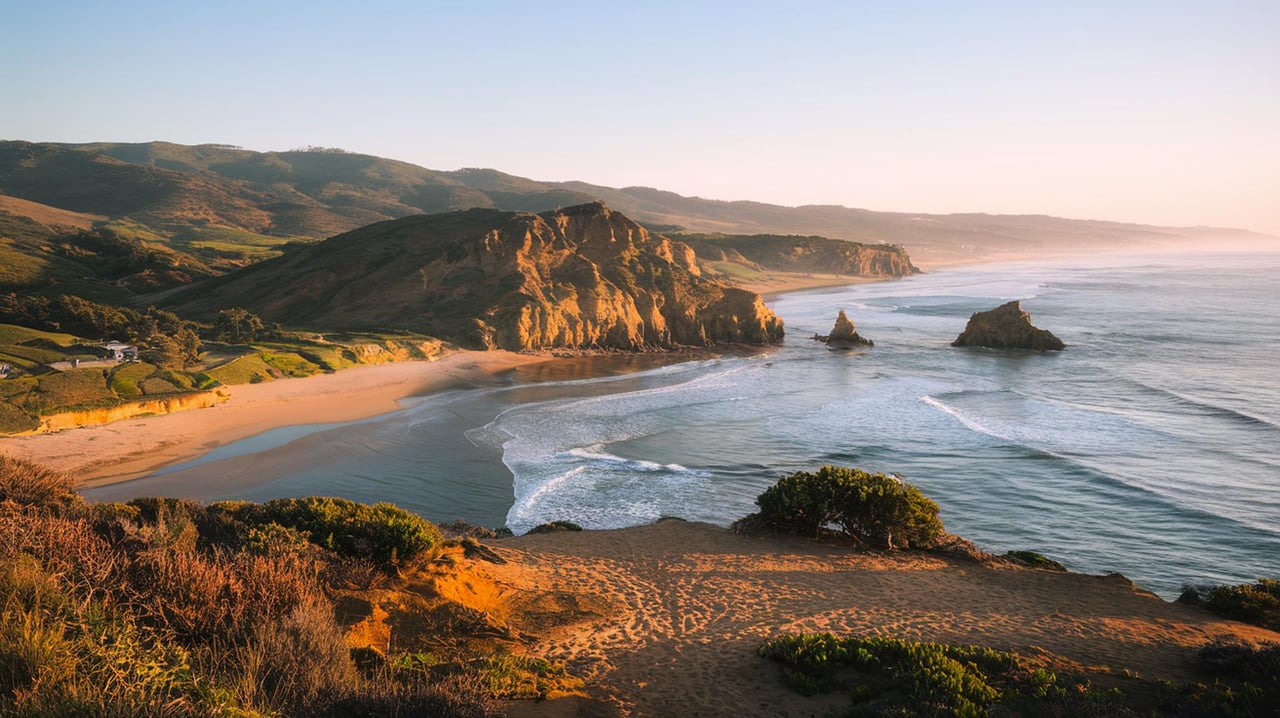
Valley Ford is a small, unincorporated community in western Sonoma County, a few miles inland from the Pacific near the Estero Americano. The population is roughly 148, which speaks to its quiet, rural feel. You will find working landscapes and long views rather than subdivisions. This coastal‑inland pocket offers quick access to Bodega Bay, and many buyers come from Marin and the Bay Area for a slower pace within weekend reach of home.
- Learn more about the community’s size and location from the Valley Ford overview on Wikipedia.
- County planning materials describe this corridor as a working rural landscape with dairies, pasture, and ranches, which shapes what you can build and do on the land. Review the Sonoma County Local Coastal Program introduction for context.
Typical drive times vary by route and season. Bodega Bay is about 8 miles away for coastal recreation. Petaluma commonly runs 25 to 45 minutes for full services and major shopping, and San Rafael is roughly 40 miles by road. Always test your commute during the times you plan to travel.
Property types you will find
- Small ranchettes and hobby farms on 1 to 20 acres.
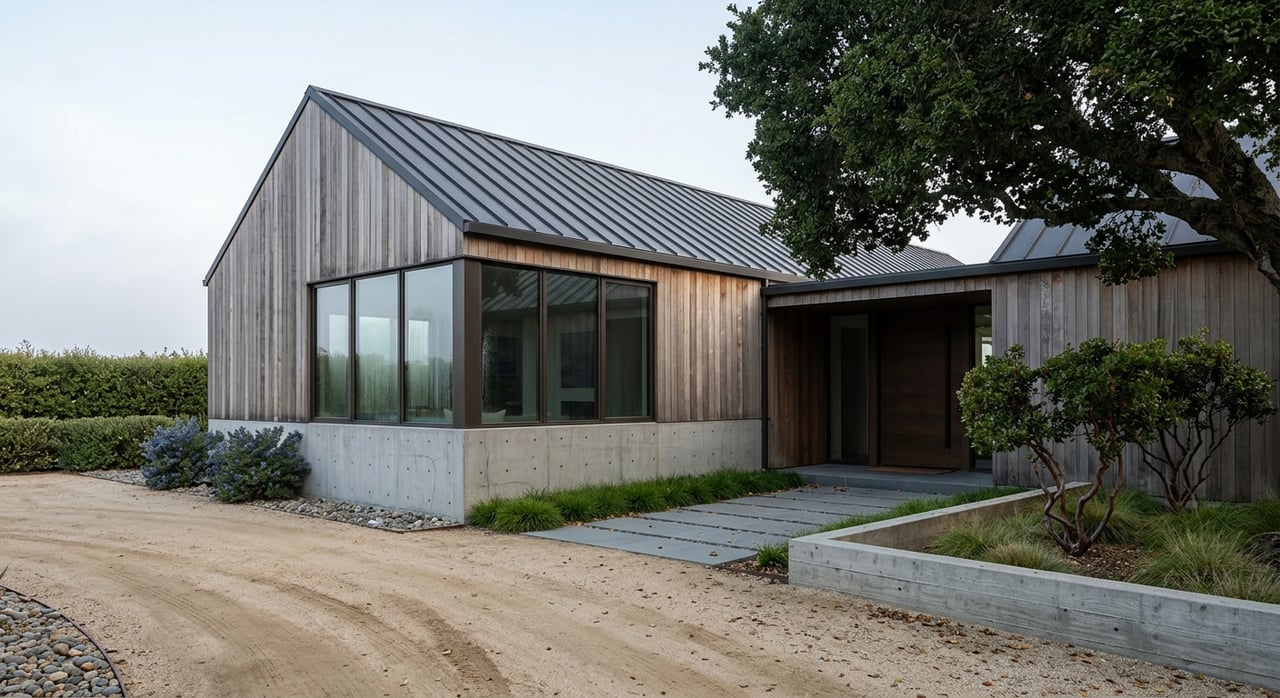
- Historic farmhouses with barns and outbuildings, plus modern remodels.
- Equestrian properties and occasional larger ranch parcels.
- Parcels sold for lifestyle use, second homes, or small‑scale agriculture. Explore the area’s feel and amenities on the Visit Sonoma Coast Valley Ford page.
What to expect from the market
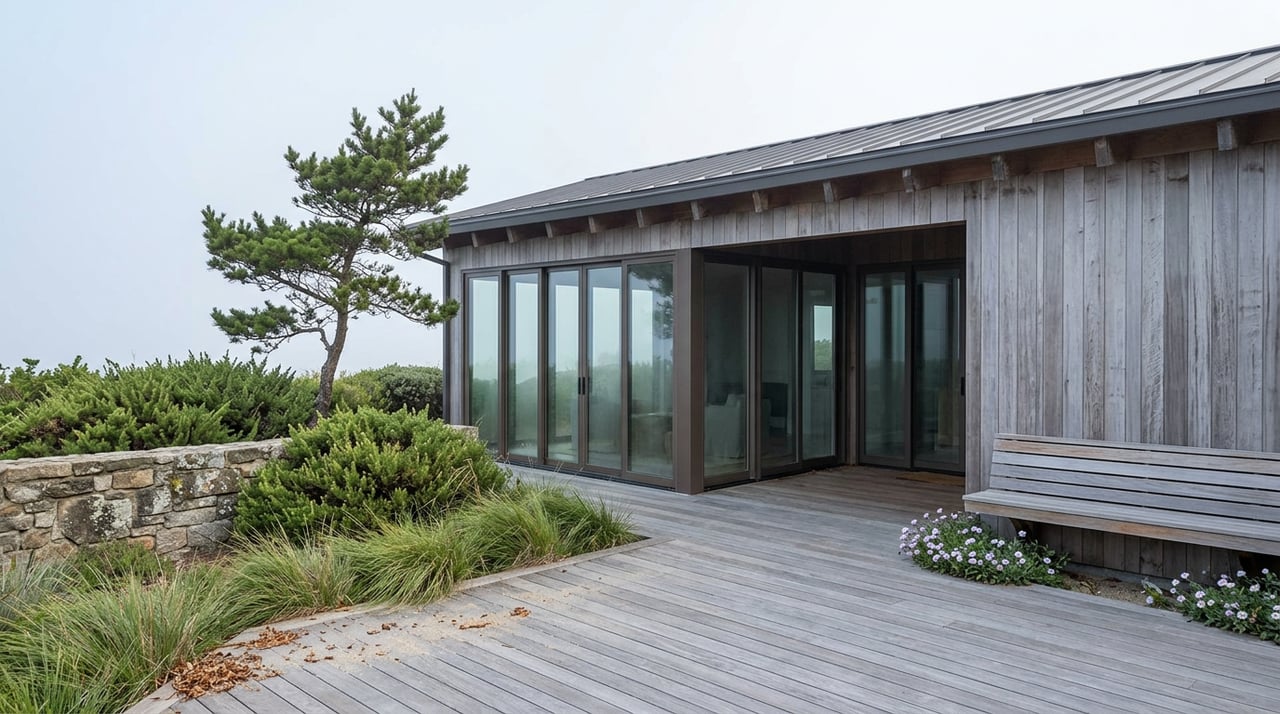
Listings near Valley Ford often highlight privacy, pastoral views, and proximity to the Sonoma Coast and Tomales Bay. Buyers typically value outdoor space, room for projects, and a slower pace that is still within reach of Marin and San Francisco. You will see a mix of older structures and updated homes, and many parcels include fenced pastures and detached buildings.
Essential due diligence for country parcels
Buying rural property means focusing on site‑specific details. The items below can affect habitability, cost, permitting, and insurance. Build them into your timeline and offer contingencies.
Water supply: wells and small systems
Most country parcels rely on private wells. Private well water is not regulated like a public water system, so you are responsible for testing and treatment. Ask for the well log, pump size, recent pump test, static level, and lab results for bacteria, nitrate, and common metals. Sonoma County Environmental Health publishes guidance for well owners. Review the county’s well water quality resources.
Important: Permit Sonoma has publicly noted a suspension of non‑emergency well permits in unincorporated areas following a court order. If a property needs a new well for a dwelling, ADU, or permit, this can affect timelines and feasibility. Verify current status on the county’s Permit Sonoma portal before you write an offer.
Septic systems and OWTS
Most parcels use onsite septic. Ask for septic permits, as‑built records, maintenance history, and any county clearance for real‑estate transfer if available. If you plan to add bedrooms or upsize a system, county siting and tiered policies may require advanced treatment or limit expansion in sensitive coastal or estuary zones. Build a county‑approved septic inspection and clearance into your offer.
Wildfire hazard and insurability
Coastal hills and ridgetops in Sonoma County include areas mapped as High or Very High Fire Hazard Severity Zones. These designations can trigger building standards and defensible‑space requirements, and they may affect insurance. Check a parcel’s designation on the CAL FIRE/OSFM Sonoma FHSZ map. Then confirm insurance availability with multiple carriers early. California’s homeowner insurance market is shifting, and rates and availability can change. For background, see this overview of California insurance market pressures.
Coastal zone rules and permits
Some parcels near the Sonoma Coast fall within the county’s Local Coastal Program and the California Coastal Commission’s jurisdiction. Coastal policies address development, habitat, public access, and sea‑level considerations. Before you plan a remodel, ADU, new septic, or grading, confirm the zoning and whether a Coastal Development Permit is required. The LCP introduction outlines coastal sub‑areas and how rules apply.
Floodplains, wetlands, soils, and slope
Valley Ford sits near Americano Creek and the Estero Americano. Low‑lying parcels and those adjacent to waterways can be in FEMA Special Flood Hazard Areas. Ask for any elevation certificates and flood insurance history, and check county flood layers. For bluffs, slopes, or clay soils, obtain a geotechnical report before you remove contingencies. Use the county mapping services to view Sonoma County GIS flood layers.
Access, private roads, and easements
Many country homes use private driveways or shared roads. Confirm recorded easements, road‑maintenance agreements, gates or access limitations, and whether the road meets emergency access standards that can affect permits and insurance. Your title review and a survey can clarify boundaries and right‑of‑way.
Services, utilities, and daily life
Electricity and broadband
Electricity is typically provided by the regional utility. Many parcels use private wells and septic, not municipal systems. Broadband can be limited in rural pockets, and some owners rely on satellite or mobile solutions. Check address‑specific options with the county’s Access Sonoma Broadband resources at Sonoma EDC before you assume wired high‑speed service.
Shopping, dining, and healthcare
Valley Ford has a small commercial area and nearby restaurants and galleries. For full services, most residents use Petaluma or Santa Rosa. Bodega Bay offers immediate coastal recreation and visitor amenities. For emergency planning, note your nearest hospital, commonly Petaluma Valley Hospital for south Sonoma County, or Novato Community Hospital from the Marin side.
Schools and community
Valley Ford is within the Shoreline Unified School District, which serves West Marin and adjacent Sonoma Coast communities. Students commonly attend Tomales Elementary and Tomales High. It is a small, rural district with consolidated programs across a large area. Review district materials for planning and transportation details in the Shoreline USD LCAP.
Your step‑by‑step buying game plan
Define your use. Weekender, equestrian, small‑scale agriculture, or full‑time living will guide the right acreage, buildings, and utility needs.
Verify water. Request the well log, recent pump test, and lab results. If you will need a new or upgraded well, confirm current permit rules on the Permit Sonoma portal.
Confirm septic capacity. Match the permitted bedroom count to current use. Order a county‑approved inspection and pump service with repair estimates if needed.
Map the risks. Pull county GIS layers for flood zones and hazards. Check the parcel’s fire hazard designation on the CAL FIRE map, then start insurance quotes early.
Check coastal and zoning rules. If the parcel is in the coastal zone, confirm whether a Coastal Development Permit applies before you price any improvements.
Validate access. Obtain easements, road‑maintenance agreements, and any shared well or utility agreements through title. Confirm emergency access standards if you plan future permits.
Test lifestyle logistics. Drive your route to Petaluma and Marin at commute times, confirm broadband options, and list your nearest grocery, pharmacy, and hospital.
Structure your offer. Include well, septic, title and access, geotechnical, insurance, and permit feasibility contingencies. Give yourself time to complete field tests.
Quick checklist for offers
- From seller: well log and pump test, recent water quality lab, septic permits and maintenance records, current septic inspection, title report with easements and road agreements, insurance coverage and claims history.
- Government data: parcel map and county GIS hazard layers, FEMA flood map, Local Coastal Program status, any agricultural preserve or conservation easement records.
- Inspections and studies: well yield test, county septic inspection, geotechnical report for slopes or bluffs, insurance market check, survey as needed.
Ready to explore the Valley Ford countryside?
If country living near the Sonoma Coast is calling, let’s make your search precise and stress‑smart. With deep local knowledge of coastal properties, land use, and rural logistics, we will help you evaluate each parcel’s water, septic, access, and permit profile so you can move forward with clarity. To start a conversation or talk through a specific property, connect with Thera Buttaro.
FAQs
How is buying country property near Valley Ford different from buying in town?
- You will likely manage a private well and septic, verify road easements, check wildfire and flood hazards, and confirm coastal or county permits before planning improvements.
What should I ask for to evaluate a private well on a rural Sonoma parcel?
- Request the well log, most recent pump test, static water level, pump size, and a current water quality lab report for bacteria, nitrate, and common metals.
Are there limits on drilling a new well in unincorporated Sonoma County?
- Permit Sonoma has noted a suspension of non‑emergency well permits, so verify current rules on the county portal early if a new or replacement well is part of your plan.
How does wildfire risk affect Valley Ford area properties and insurance?
- Some coastal hills are mapped High or Very High Fire Hazard, which can require defensible space and building standards and may affect insurance availability and cost.
What broadband options should I expect in rural parts of western Sonoma County?
- Wired broadband can be limited, so confirm address‑specific options and consider satellite or mobile solutions as documented by the county’s Access Sonoma Broadband program.
Are Valley Ford area properties in the coastal zone, and what does that mean?
- Some are, which can trigger Local Coastal Program rules and Coastal Development Permits for development, so verify zoning and permit needs before you price any project.
Is flooding a concern near Americano Creek and the Estero Americano?
- Low‑lying or creek‑adjacent parcels may be in FEMA flood zones, so review county GIS flood layers and ask for elevation certificates and any flood insurance history.