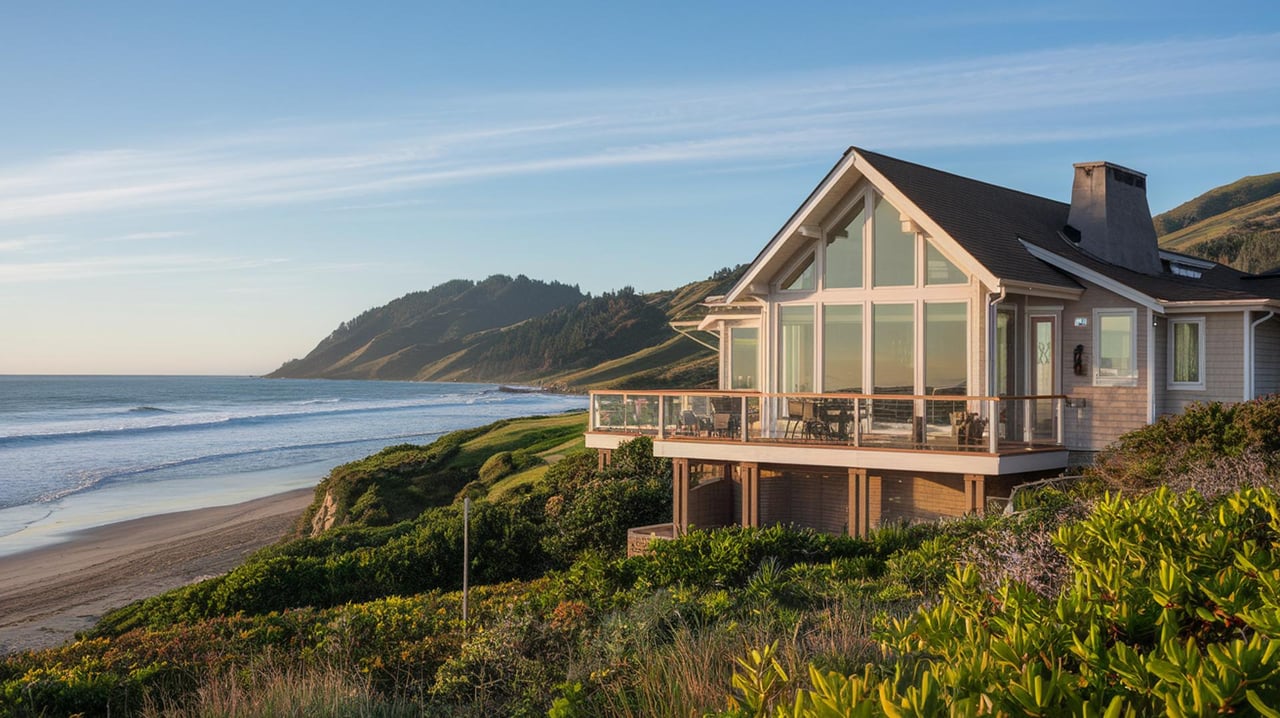
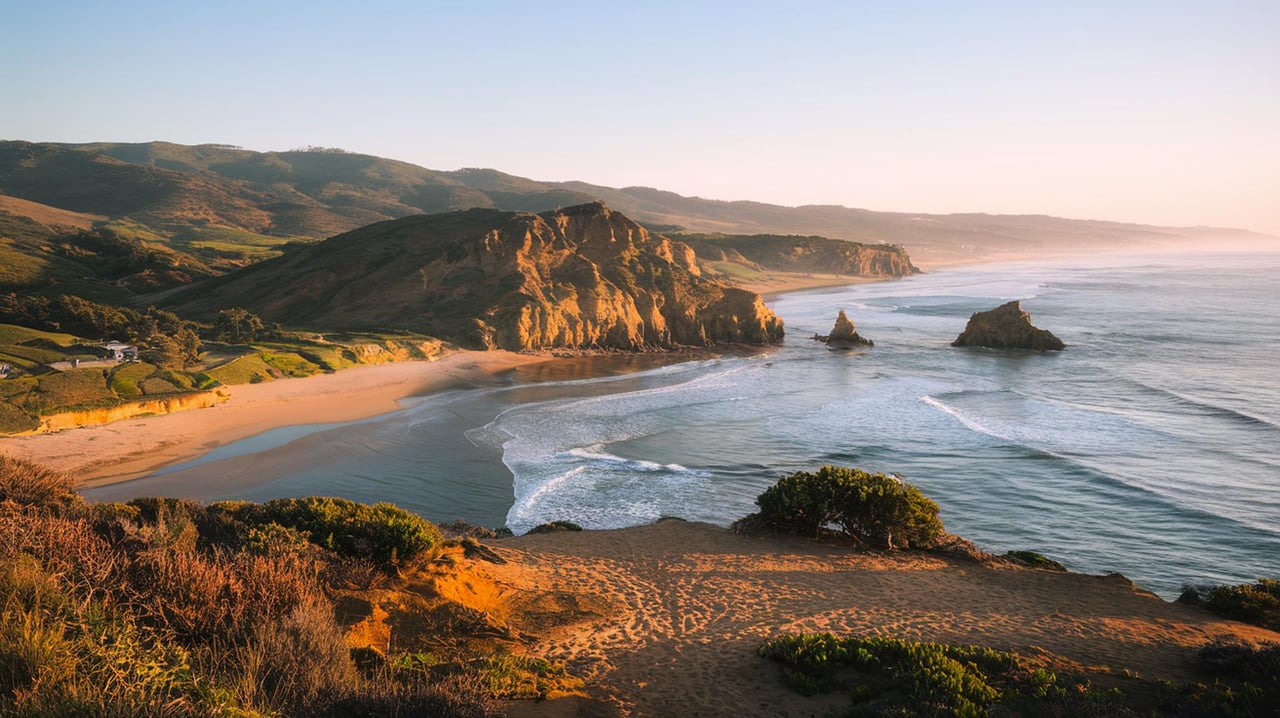
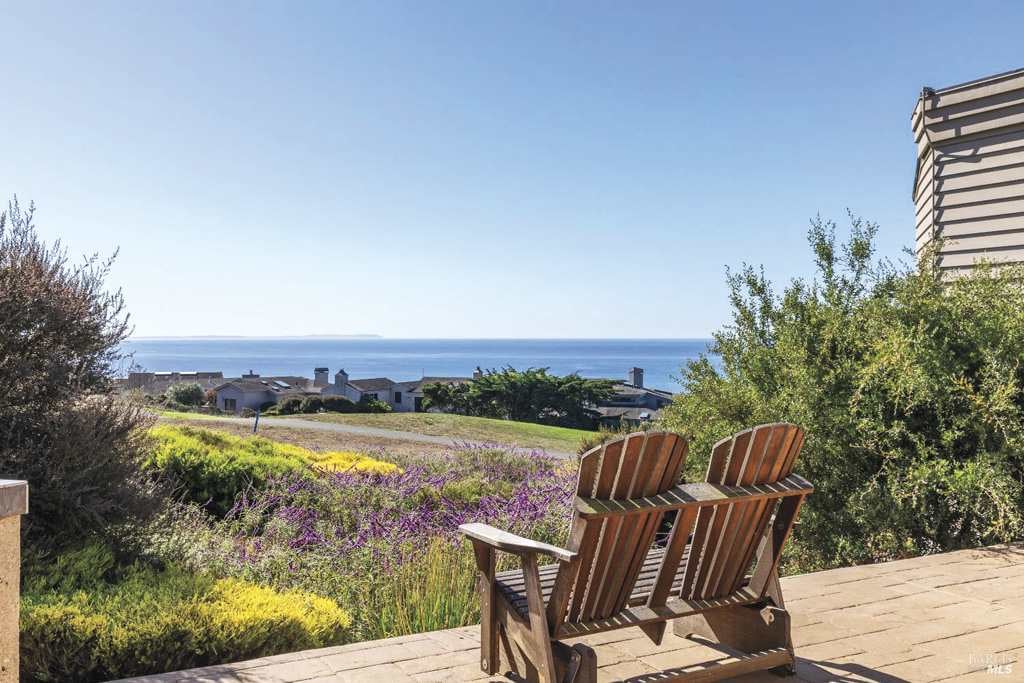
Dreaming of a place where open pasture, coastal air, and quiet mornings come together? A small acreage retreat near Valley Ford can offer exactly that, but rural property here comes with a different set of questions than a typical in-town home search. If you are considering land or a country property in this part of Sonoma County, it helps to understand the setting, the permits, and the practical details that shape long-term ownership. Let’s dive in.
Why Valley Ford Feels Different
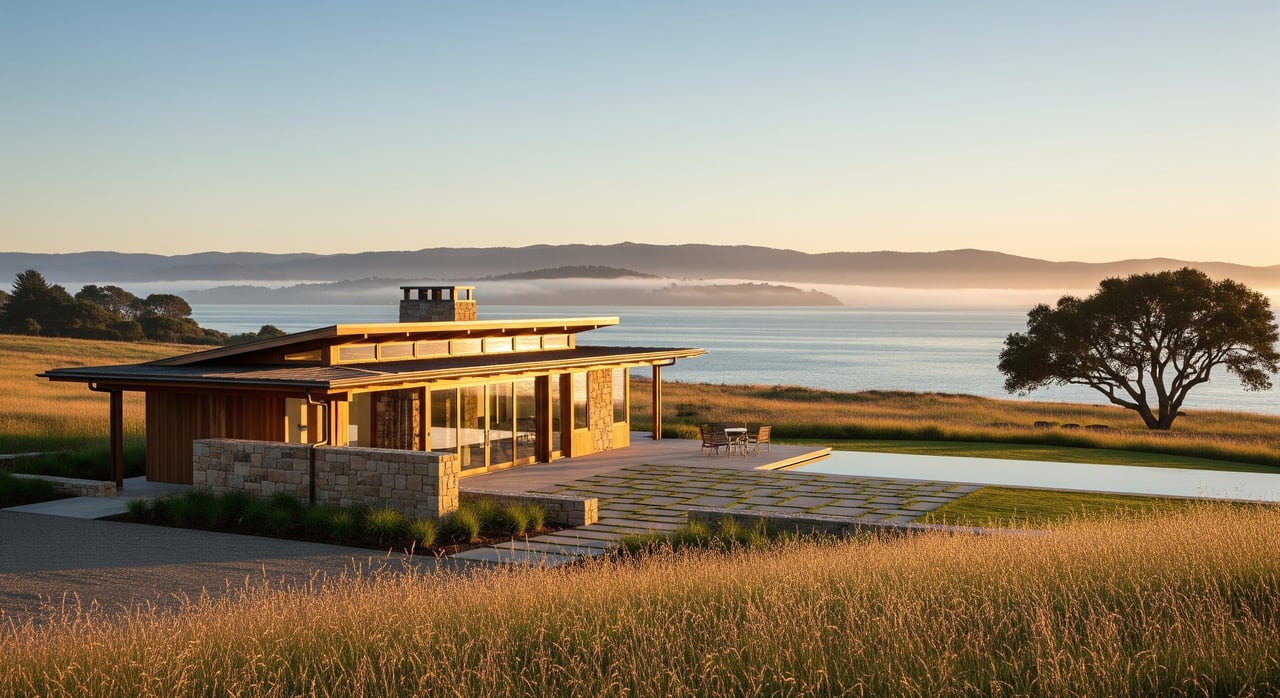
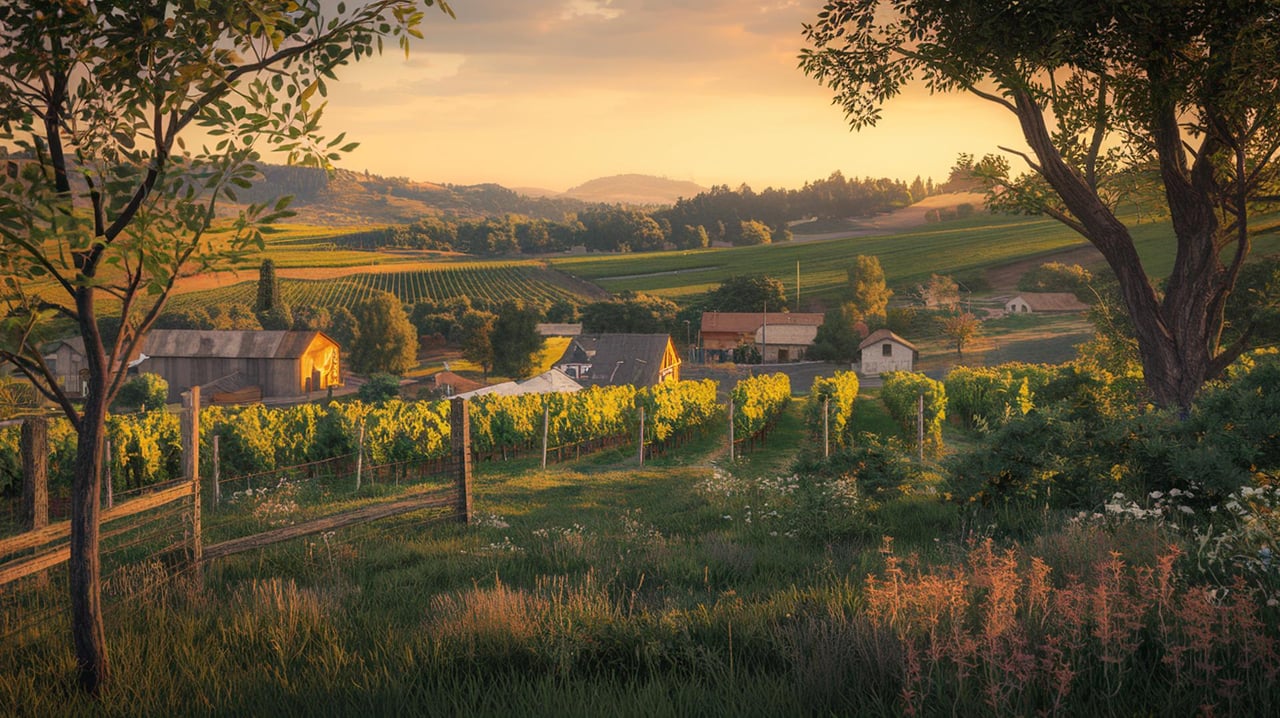
Valley Ford is a small historic Sonoma County community along the Estero Americano, a coastal estuary on the Sonoma-Marin border. The area is shaped by a long history of grazing and dairy farming, which helps explain its open, pastoral character and wide, quiet views.
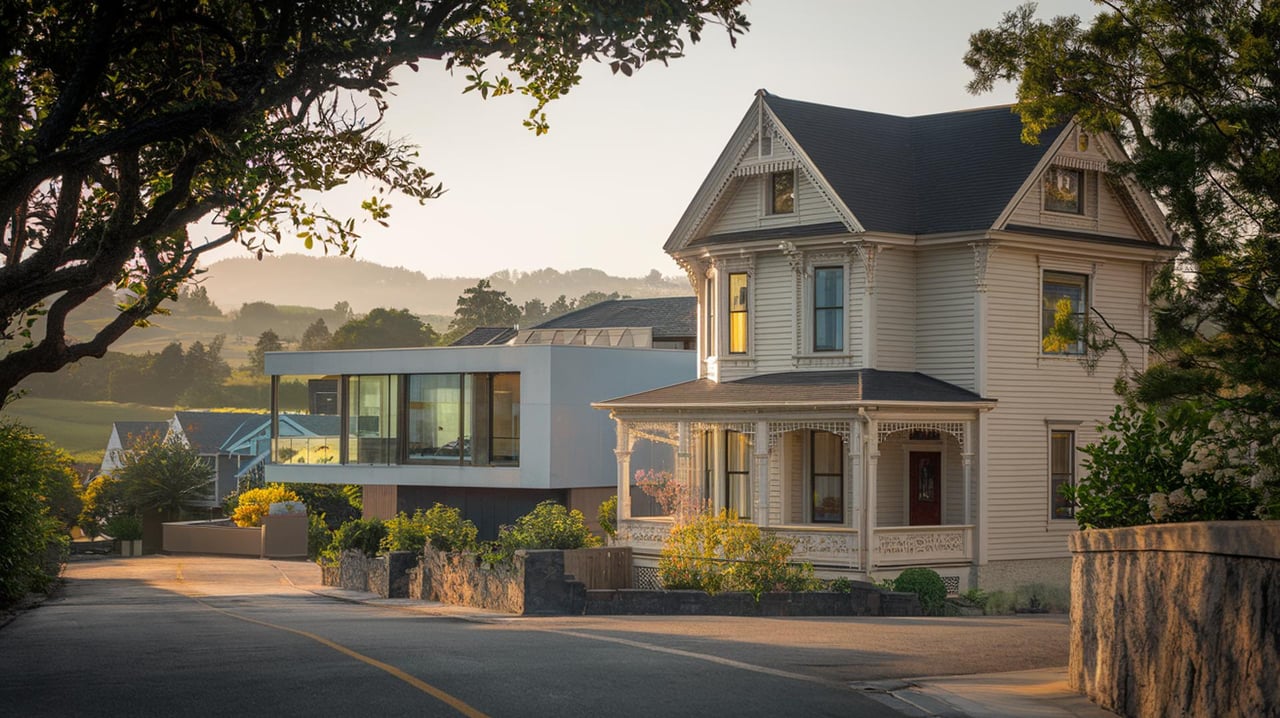
You will also notice that Valley Ford does not follow one set architectural style. County planning materials document a mix that includes Greek Revival, Queen Anne, Western Falsefront, Italianate, and bungalow buildings, with many dating back to the 1870s and 1880s. That mix adds to the area’s sense of history and individuality.
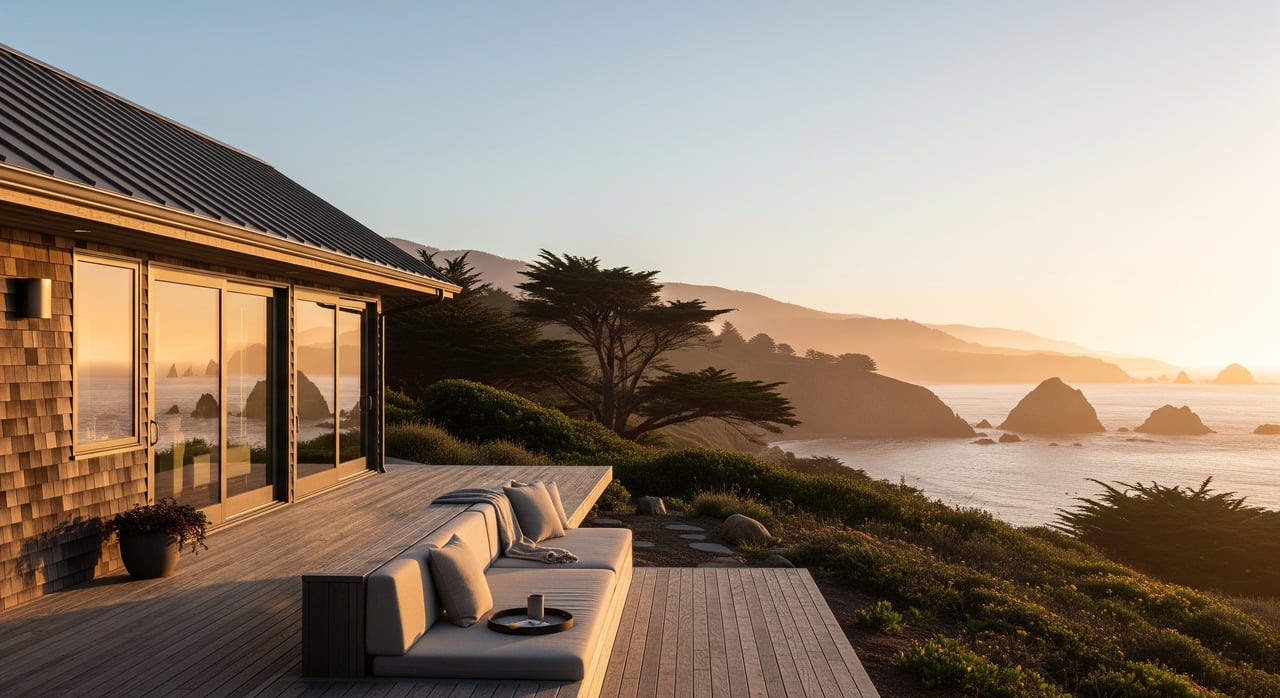
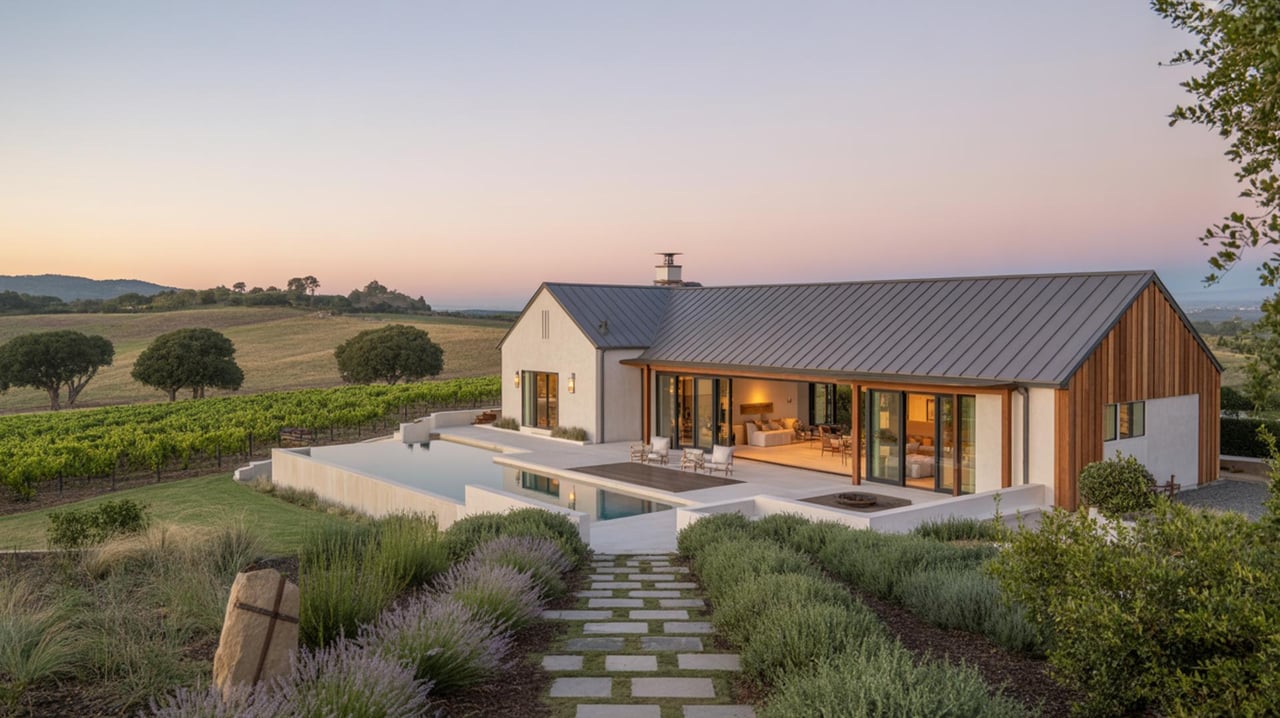
For buyers, this setting is part of the appeal. A small acreage retreat here can feel private and grounded in the landscape, while still connecting you to the broader Sonoma Coast lifestyle.
What “Small Acreage” Means Here
Near Valley Ford, small acreage is usually evaluated more like a rural land holding than a suburban homesite. That means your decision should go beyond the house itself and include how the land is zoned, how water and wastewater are handled, and what future improvements may or may not be allowed.
If you are thinking ahead to adding structures, that early research matters. In Sonoma County’s coastal zone, parcels are marked with a CC designation, and a second dwelling unit may require a building permit, a coastal permit, and either a use permit or zoning permit, along with any needed grading, encroachment, water, or sanitation permits.
This is one reason a property that looks simple at first glance may need deeper review. A retreat property can be a wonderful lifestyle purchase, but the real value often depends on understanding the parcel as a whole.
Coastal Zone Rules Matter
One of the most important things to know about Valley Ford is that the county’s coastal zone reaches farther inland here than many buyers expect. Sonoma County documents note that the Local Coastal Plan extends up to five miles inland in the Valley Ford area.
That planning context can affect what you may want to build, remodel, or expand later. The county’s Local Coastal Program materials explain that some approvals are appealable to the California Coastal Commission, especially for development between the first public road and the sea or near beaches, bluffs, wetlands, estuaries, or streams.
In practical terms, you should not assume a future improvement is straightforward just because the parcel has acreage. Before you make plans, it is important to confirm whether the property is in the coastal zone and what overlays or permit paths apply.
Start With Parcel Search
One of the smartest early steps is to use Permit Sonoma’s Parcel Search. The county says the Parcel Report can provide general parcel information, associated addresses, county-issued permits, and public documents.
The county’s zoning search can also show details that are especially useful for rural buyers. Depending on the parcel, that may include groundwater availability, Williamson Act land contract status, and the fire protection response area.
For a Valley Ford-area property, that search may also surface floodway or floodplain fields and fire-district or fire-hazard data. That kind of information can help you ask better questions before you get too far into escrow.
Check Coastal Overlays Carefully
If the parcel is in the coastal zone, the next step is to check the exact overlay districts. Sonoma County notes that coastal-zone parcels may include combining districts such as F1, F2, SR, BR, HD, G, MR, Z, and RC.
Those codes are not just technical details. They can shape what uses are allowed, what studies may be needed, and how hard or easy it may be to move forward with future improvements.
This is especially important near sensitive coastal resources. County materials explain that approvals may be appealable for development near beaches, bluffs, wetlands, estuaries, or streams, so buyers should look closely at the parcel’s exact location and planning constraints.
Well and Septic Are Core Due Diligence
For small acreage, water and wastewater systems deserve close attention. Permit Sonoma handles well and septic permits, and the county notes that some new or replacement wells require dry-weather testing.
The county also states that some septic systems with supplemental treatment are subject to an operational permit and monitoring program. That means ownership can involve not just installation and repair costs, but also ongoing compliance and maintenance.
As a buyer, you will want to review a well and septic system’s age, permit history, capacity, and maintenance record. These are not side issues on a rural property. They are central to how comfortably and confidently you can use the land.
Fire Planning Deserves Its Own Review
Rural beauty often comes with rural responsibility, and fire planning should be treated as a separate due-diligence category. Sonoma County says defensible-space requirements differ depending on whether a parcel is in a Local Responsibility Area or State Responsibility Area.
The county’s zoning lookup can help identify the Fire Protection Response Area. For small acreage, this review should also include vegetation management, driveway access, and emergency planning with the right professionals.
This matters whether you plan to use the property full time or as a weekend escape. A long driveway, heavy vegetation, or limited turnaround area may affect both safety planning and daily peace of mind.
Flood and Drainage Need Early Attention
Valley Ford’s relationship to the Estero Americano is part of what makes the area so striking, but it also means buyers should pay attention to flood and drainage conditions. County planning materials for the estuary describe mud flats, tidal marsh, freshwater marsh, ponds, seeps, riparian drainage, and adjacent grasslands.
That landscape can create beauty, habitat, and open-space value, but it can also create constraints. If a parcel sits near watercourses or low ground, you should confirm flood and drainage conditions early rather than assuming future improvements will be simple.
This is another reason parcel-level research matters so much here. Two properties with a similar look and similar acreage can have very different planning and site conditions.
The Lifestyle Appeal Is Real
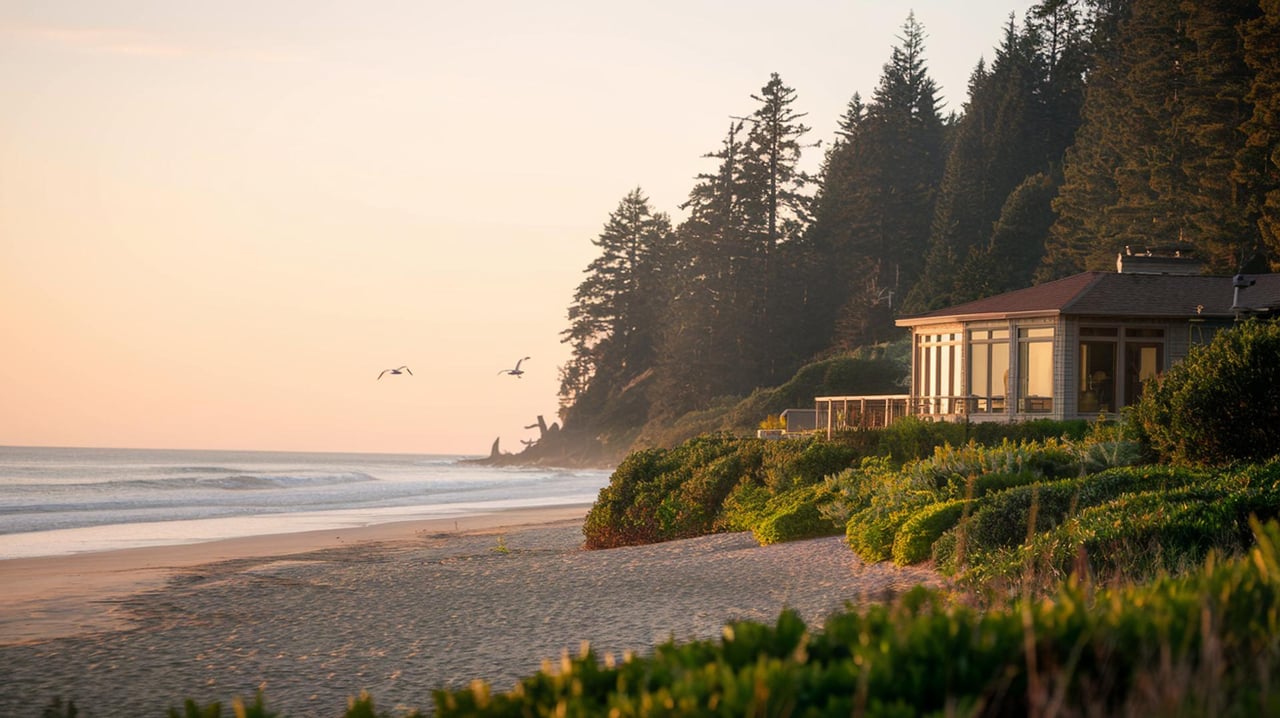
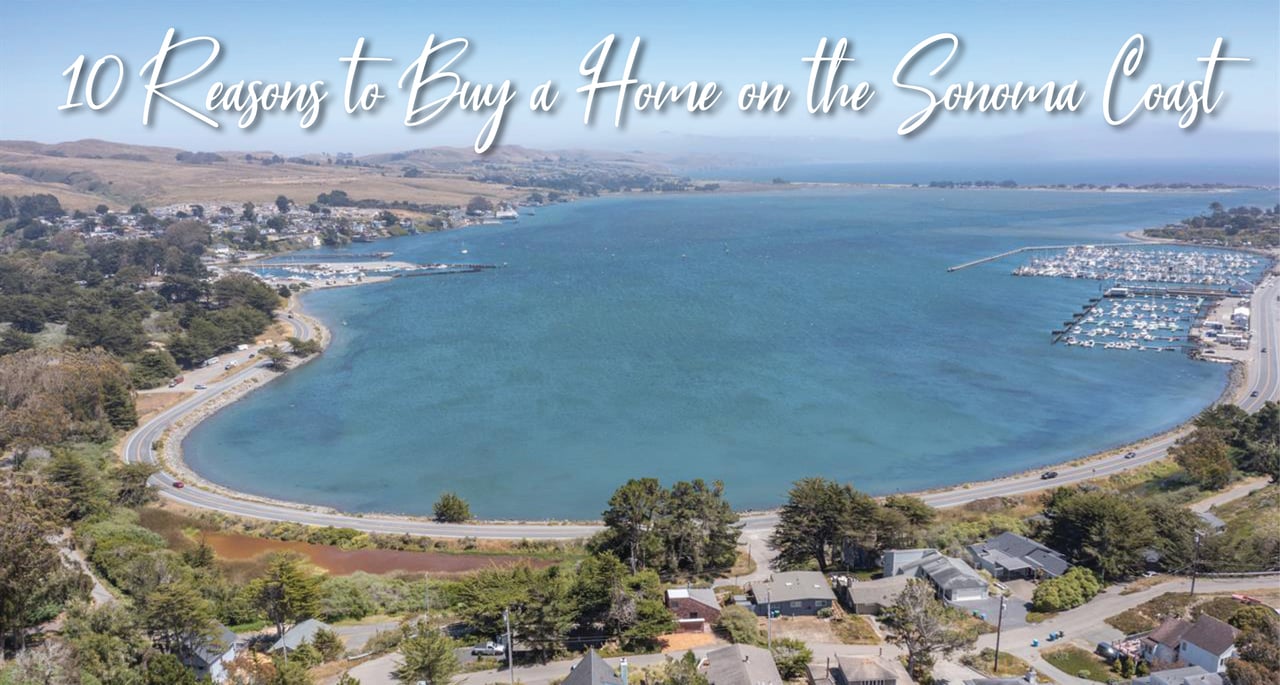
For many buyers, the biggest draw is the blend of space and coastal access. Sonoma Coast State Park describes a 17-mile stretch from Bodega Head to the Vista Trail north of Jenner, with beaches, rugged headlands, secluded coves, tide pools, camping, and whale watching.
Nearby public access points also add to the lifestyle picture. Sonoma County Regional Parks highlights Shorttail Gulch, the Coastal Prairie Trail, and Chanslor Ranch for birding, coastal views, and hiking.
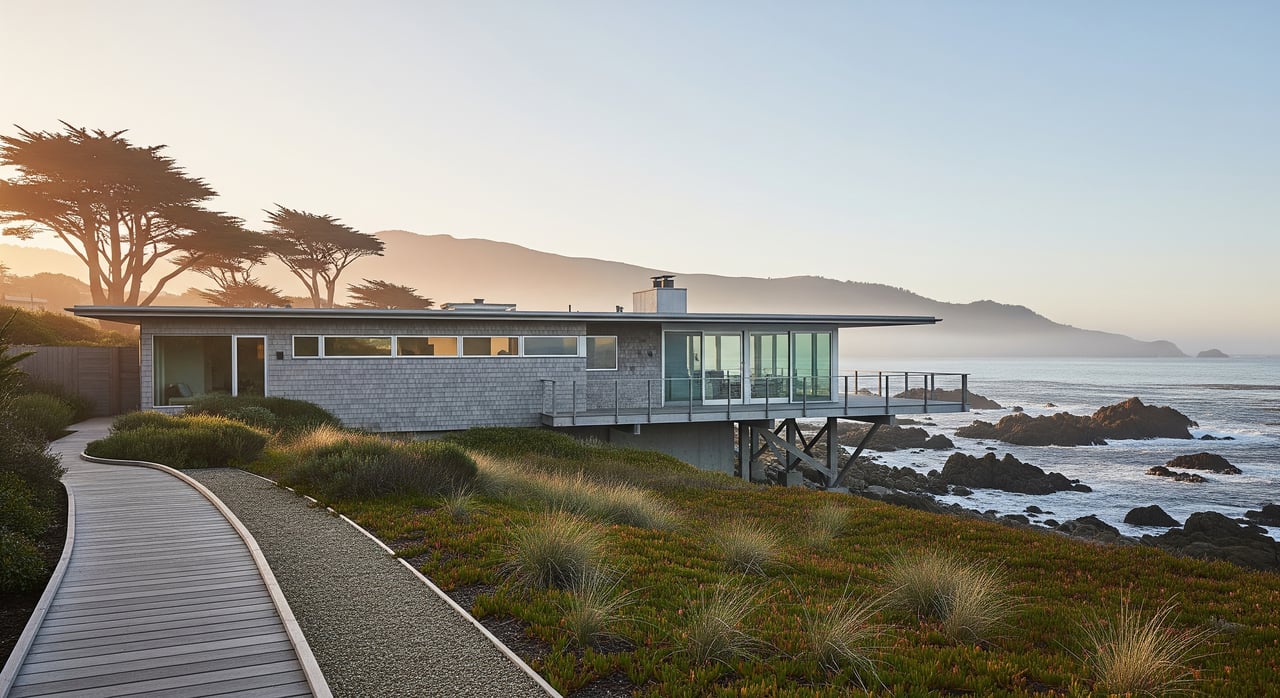
That means a Valley Ford retreat can offer more than land alone. It can become your base for quiet mornings, scenic drives, and regular access to some of the most memorable coastline in the region.
Expect Practical Tradeoffs Too
The same coast-oriented setting that makes the area special also shapes day-to-day ownership. Sonoma Coast State Park notes that summer weather can be foggy, often clearing by midday, with cool ocean breezes and variable conditions.
That climate can be part of the charm, but it also affects maintenance, outdoor plans, and how the property feels across seasons. County materials for Shorttail Gulch also note that shoreline access can be limited to low tide and may be challenging or hazardous in some conditions.
If you are looking for a retreat, it helps to be honest about your lifestyle goals. Some buyers love the changing weather, the quiet, and the slower rhythm, while others need to think carefully about upkeep and year-round use.
How to Buy With More Confidence
A strong rural purchase process usually starts with a few simple priorities:
- Confirm zoning and whether the parcel is in the coastal zone
- Review Parcel Search and permit history early
- Check groundwater, floodplain, and fire-response information
- Investigate well and septic age, capacity, and records
- Ask about future improvement potential before making assumptions
- Factor in weather, access, and maintenance into your long-term plan
For buyers considering a second home or lifestyle property, this kind of preparation can protect both your experience and your investment. It also helps you compare properties based on what truly matters, not just first impressions.
Why Local Guidance Helps
Small acreage near Valley Ford is rarely a one-size-fits-all purchase. Each property has its own mix of setting, infrastructure, permit history, and future potential.
That is where local, place-based guidance can make a real difference. When you are weighing a coastal-adjacent retreat, it helps to work with a brokerage that understands rural parcels, land questions, and the practical realities of owning property near the Sonoma Coast.
At Sonoma Coast Living, that local perspective is part of how we help buyers think beyond the listing photos and toward the full ownership picture. If you are exploring a small acreage retreat near Valley Ford, Sonoma Coast Living can help you evaluate the property, the setting, and the lifestyle with clear, informed guidance.
FAQs
What should you check first when buying small acreage near Valley Ford?
- Start with Permit Sonoma’s Parcel Search to review parcel information, permit history, associated addresses, and public documents.
Why does the coastal zone matter for Valley Ford properties?
- In the Valley Ford area, Sonoma County’s Local Coastal Plan extends farther inland than many buyers expect, which can affect permits and future improvements.
What well and septic details matter for a Valley Ford rural property?
- You should review the age, permit history, capacity, and maintenance record of the well and septic system because these systems are central to rural property use.
Can you add a second dwelling on a coastal-zone parcel near Valley Ford?
- It depends on the parcel and permit path, since Sonoma County says a second dwelling unit in the coastal zone may require a building permit, a coastal permit, and either a use permit or zoning permit, plus other related permits.
What environmental conditions should buyers review near the Estero Americano?
- Buyers should check flood, drainage, and site constraints early because the surrounding landscape can include tidal marsh, freshwater marsh, ponds, seeps, riparian drainage, and low-lying ground.
How does the Sonoma Coast climate affect a Valley Ford retreat?
- You should expect fog, cool ocean breezes, and variable conditions, especially in summer, which can influence comfort, maintenance, and everyday use of the property.