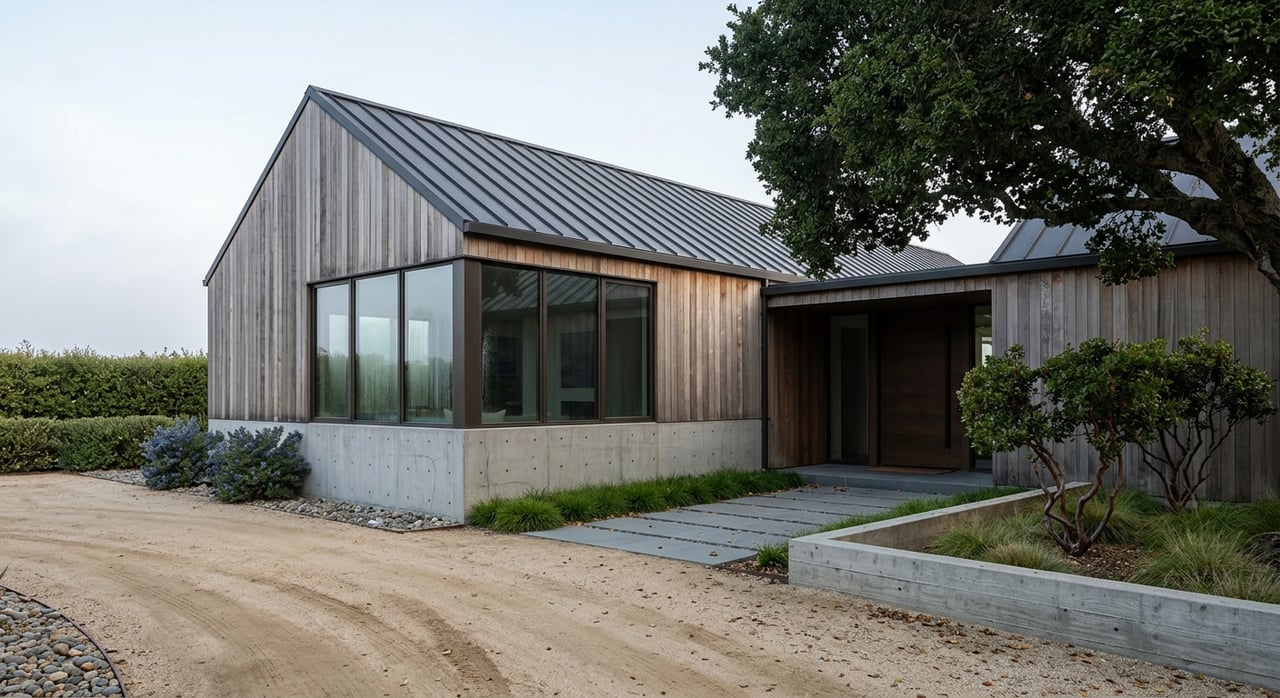
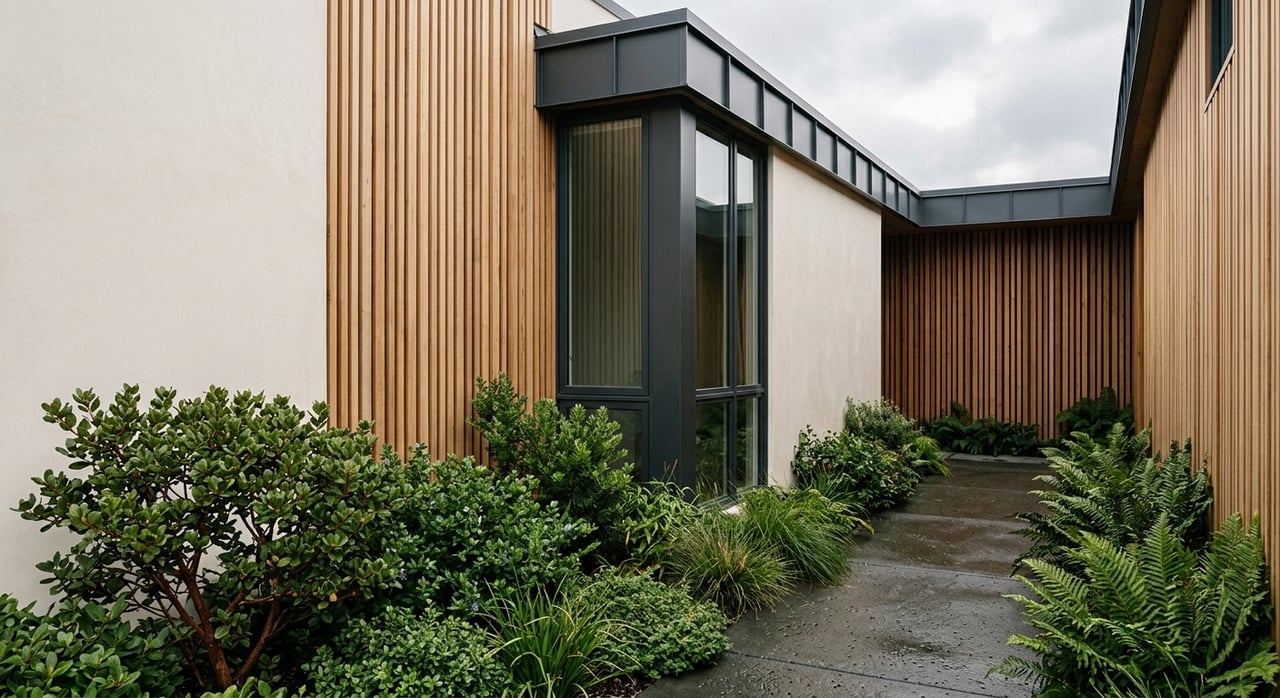
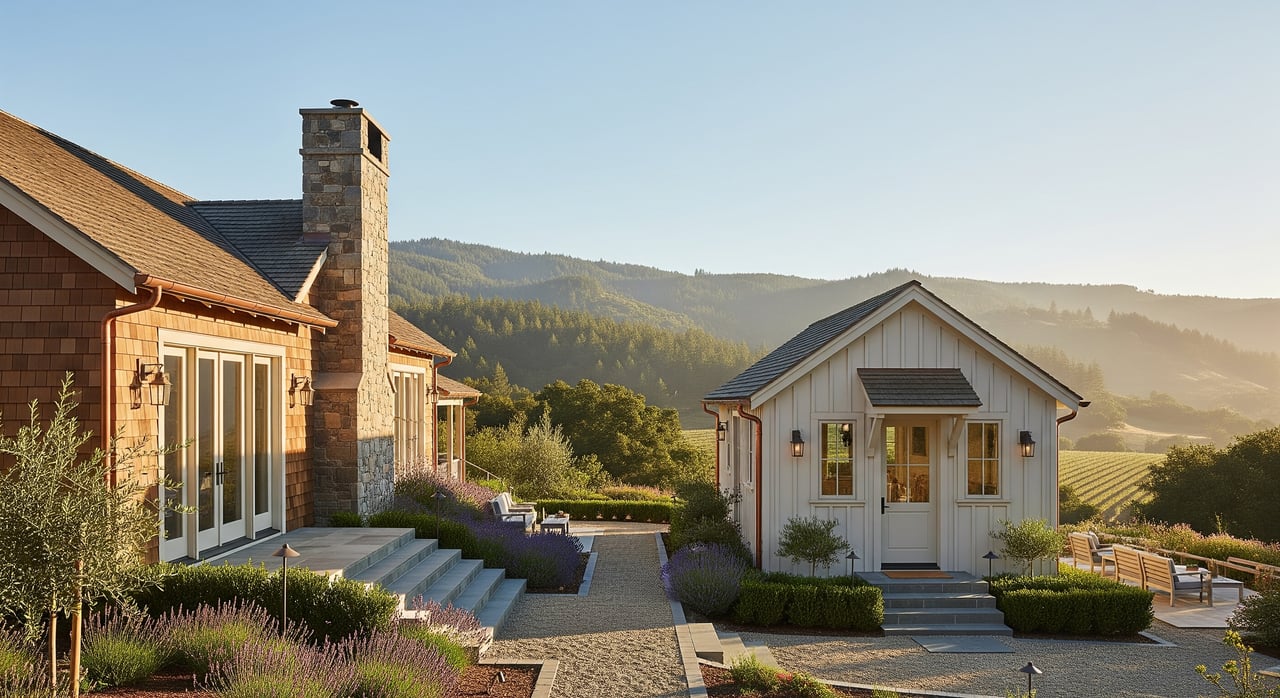
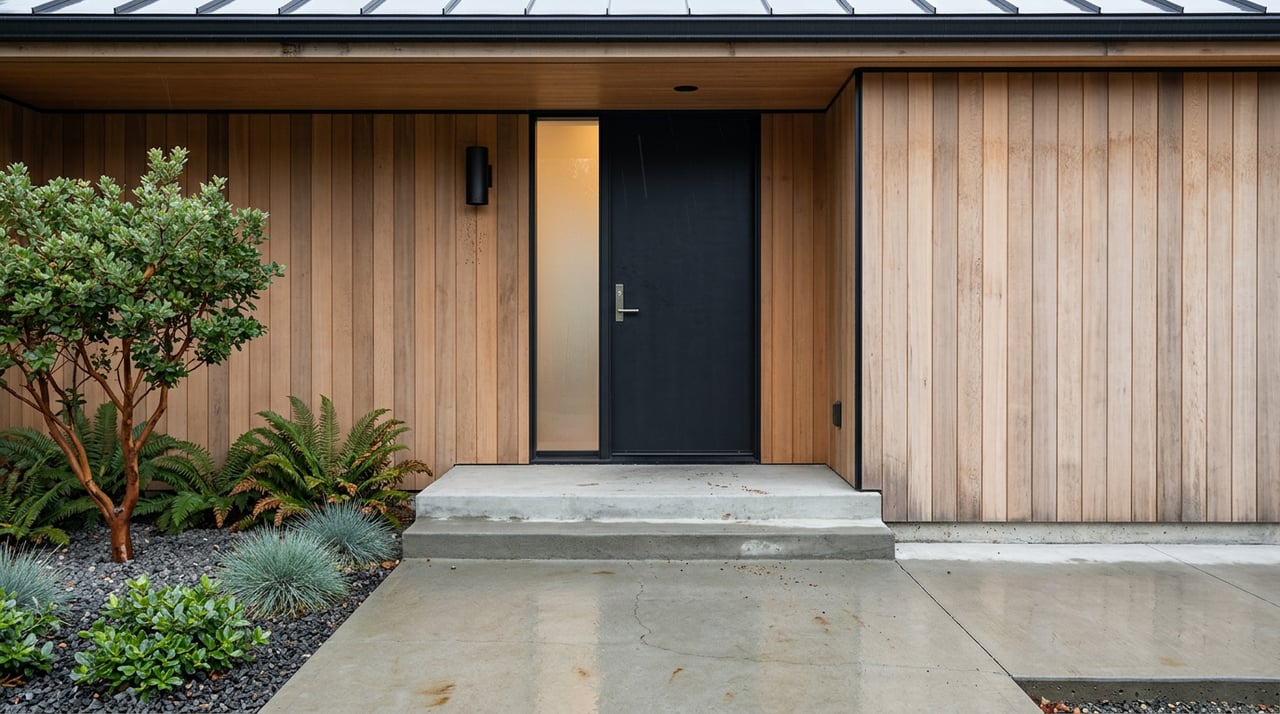
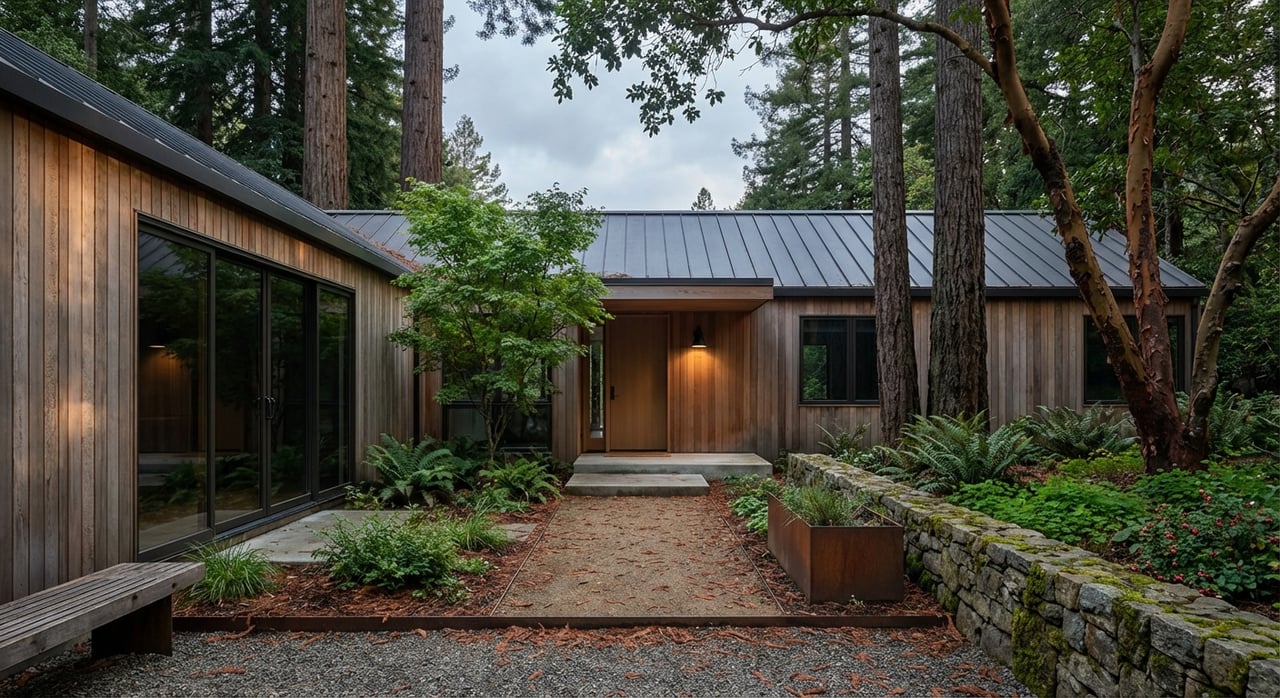
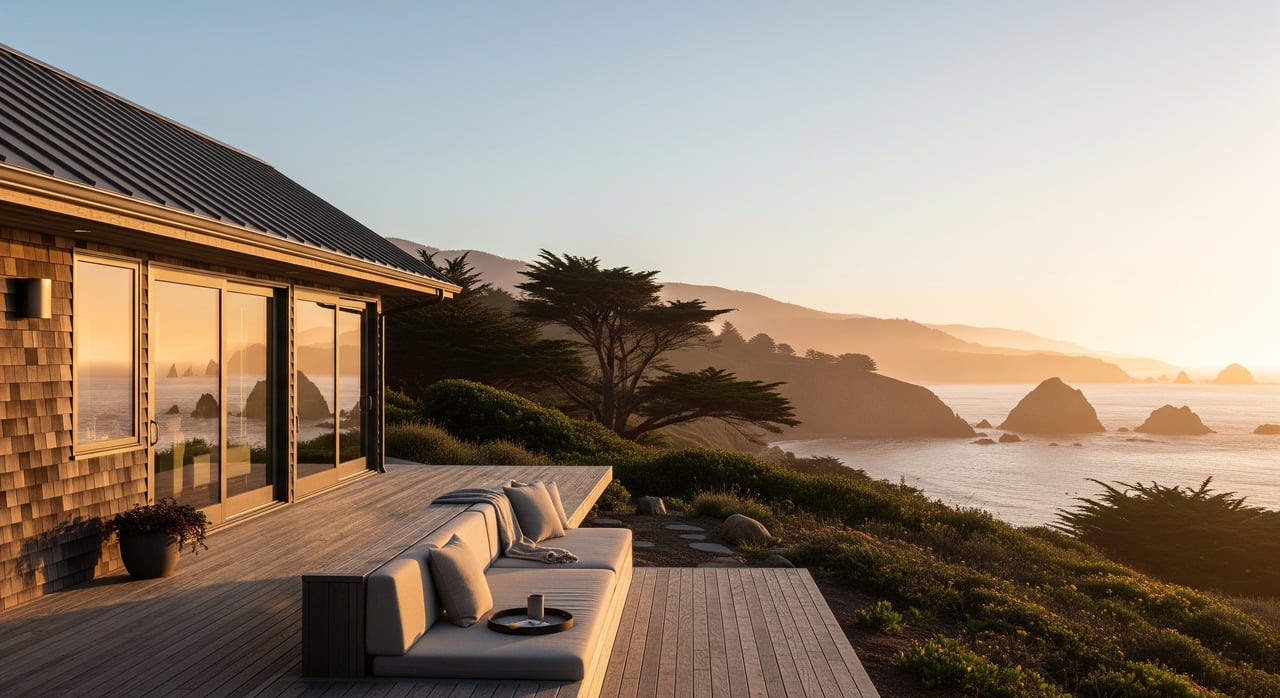
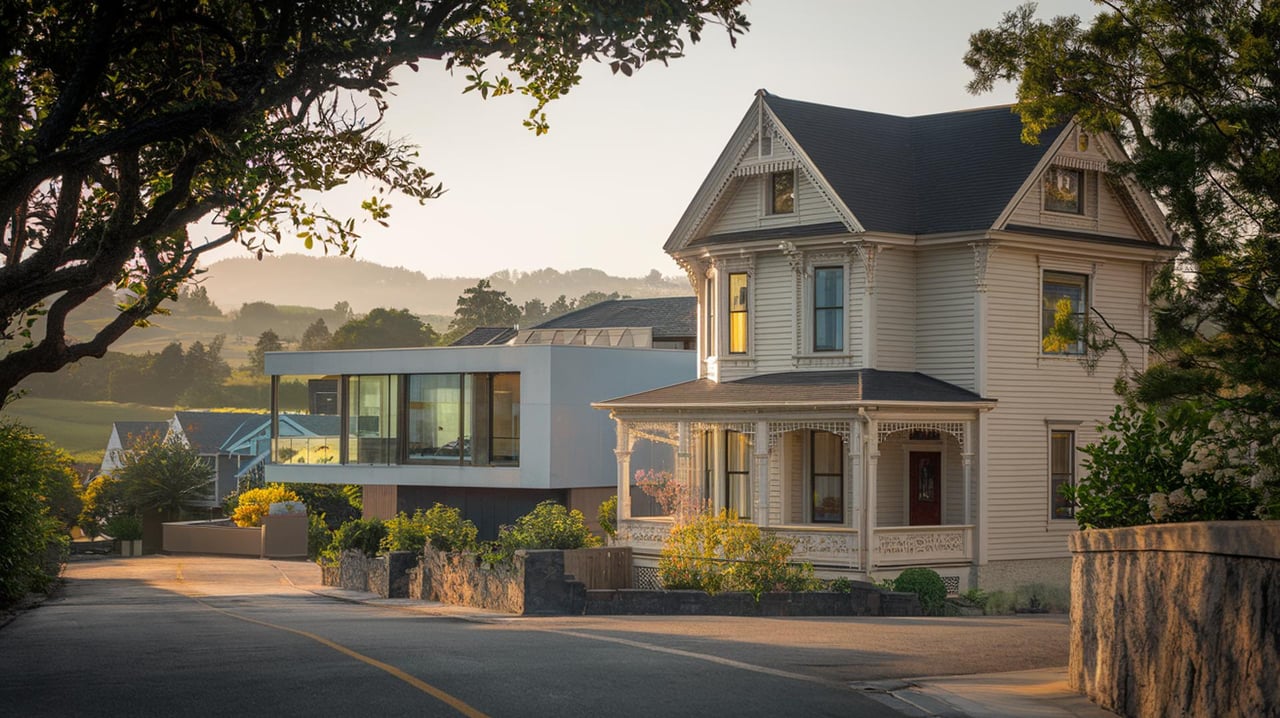
If you own a historic home in Bodega, you already know the challenge: today’s buyers want charm and authenticity, but they also want clarity, condition, and confidence. Preparing an older property for the market is rarely about a fast cosmetic refresh. It is about showing that your home has been cared for, understood, and updated with respect for its history. Let’s dive in.
Why Bodega homes need a different approach
Bodega is not just another small Sonoma County town. Sonoma County recognizes the Bodega Historic District as one of its five multi-parcel historic districts, covering roughly 44 properties along Bodega Highway, Bodega Lane, and Salmon Creek Road.
That matters when you prepare a home for sale. County guidance is focused on protecting the area’s historic qualities while allowing necessary change, with an emphasis on retaining key building features, landscape, and views so new work stays compatible with the setting.
For you as a seller, that means the best strategy is usually not to “modernize everything.” In many cases, today’s buyer will respond more strongly to a home that feels preserved, documented, and thoughtfully maintained than one that has been stripped of its original character.
Start with records before repairs
Before you schedule painters, swap fixtures, or replace trim, start by pulling the property record. In Bodega, that step can save you time, money, and stress later.
Permit Sonoma offers tools for permit record searches, document searches, and parcel research. The county also notes that some older construction records may be with the Sonoma County Assessor, and well records from before 1973 may be with the State of California.
This record review helps you answer one of the first questions serious buyers ask: what work was done, and was it permitted? It also helps you spot any missing paperwork tied to older exterior work, additions, fences, decks, wells, or septic systems.
Check for historic review triggers
The county’s Historic Resource Inventory is used to identify historic or potentially historic resources and to determine when demolition or proposed development should be referred for Landmarks Commission review. It is also a source for researching the history of specific structures and places.
If your home is within the historic district or tied to the inventory, even simple assumptions about “minor improvements” may need a second look. Exterior alterations and new construction in a historic district are reviewed for compatibility, and the Landmarks Commission determines landmark significance and historic district zoning matters.
Confirm coastal permit history
Some Bodega-area parcels may also fall within the Coastal Zone. Sonoma County says a coastal permit is required for development on parcels with CC zoning, and those permits may be processed administratively or through a hearing.
If your property has older exterior changes such as decks, additions, or fencing, it is wise to confirm they went through the proper permit path. Buyers notice gaps in paperwork, especially in a niche market where location and regulatory context matter.
Gather well and septic information
If your property is served by a private well or septic system, collect that file early. Sonoma County’s Well & Septic Division issues those permits, and buyers often want to see the permit trail along with any testing or maintenance history.
Having this information ready does more than answer questions. It signals that you have approached ownership as a steward, which is exactly the tone that tends to resonate in a historic home sale.
Focus on repair before replacement
When sellers prepare older homes, it is tempting to replace visible elements to make the property feel fresh. In historic Bodega homes, a more restrained approach is often the stronger one.
County guidance supports retaining key features, landscape, and views while keeping changes compatible with district character. In practical terms, that often means repairing original details where possible instead of removing them.
Think about the elements that give the home its identity:
- Porch lines and original proportions
- Exterior trim and architectural details
- Older windows and openings
- Site features and landscape context
- The way the home sits within its historic setting
If an element is failing, repair may still be possible. If replacement is necessary, aim for compatibility rather than a totally different style.
Be careful with paint and pre-sale updates
Many historic homes in Bodega date to at least the 1860s, 1870s, or later older periods, so pre-1978 issues often come up. That is especially important if you are planning paint prep, sanding, patching, or repairs before listing.
Most housing built before 1978 is covered by the federal lead-based paint disclosure rule. Sellers must provide any known information and records about lead-based paint, and buyers receive a 10-day opportunity to conduct lead testing.
There is also a second layer to think about before work begins. EPA guidance says paid firms doing renovation, repair, or painting that disturbs painted surfaces in pre-1978 homes generally must be certified and use lead-safe practices because that work can create dangerous lead dust.
Safe pre-listing work usually looks like this
If you are getting a historic Bodega home ready for market, the safest cosmetic plan is usually modest and well documented:
- Clean and declutter carefully
- Repair damaged surfaces before replacing original materials
- Use appropriately qualified professionals for painted-surface work
- Keep records for any work completed
- Avoid unnecessary exterior changes that could affect historic compatibility
This kind of prep helps you improve presentation without creating avoidable permit or disclosure issues.
Build a listing package around stewardship
A strong buyer for a historic Bodega home is rarely just buying square footage. More often, that buyer is responding to a sense of place, authenticity, and continuity.
That is why your listing package should tell a clear stewardship story. Instead of relying only on surface-level updates, show buyers that the home has been researched, maintained, and responsibly prepared.
What to include
Consider organizing a simple seller file with:
- Permit history
- Dates of major repairs or improvements
- Well and septic records, if applicable
- Historic-resource references or district context
- Notes on system upgrades
- Disclosure materials prepared in advance
This approach aligns well with Sonoma County’s use of the Historic Resource Inventory as a factual research tool. It also helps buyers see history as an asset, not just a list of unknowns.
Answer buyer concerns before they ask
Historic homes attract serious interest, but they also invite careful questions. If you can answer those questions clearly from the start, you reduce friction and build trust.
Here are some of the issues buyers commonly want clarified:
Permits and past work
California’s Transfer Disclosure Statement addresses the property’s physical condition and potential hazards or defects. Buyers will also expect transparency about what is original, what has been updated, and whether work was properly permitted.
Historic district review
Buyers may want to know whether future exterior changes could be subject to historic-district review. In Sonoma County, exterior alterations and new construction within a historic district are reviewed for compatibility.
Lead-based paint disclosure
For many older homes, this is not a surprise, but it is still important. Clear, early disclosure and available records help buyers move forward with realistic expectations.
Wildfire readiness
CAL FIRE says homeowners should harden the home and maintain defensible space. California requires 100 feet of defensible space, or to the property line if that is closer.
If you have already addressed vegetation management or basic hardening measures, include that in your preparation. It shows buyers the home has been cared for in ways that matter today.
Market the home’s character with clarity
The best marketing for a historic Bodega home does not oversell or over-edit. It should present the home as it truly is: an older property with character, context, and a clear ownership record.
That means your presentation should highlight authenticity and condition together. Original details, setting, and architectural personality matter, but so do practical facts like repair history, system updates, and permit documentation.
For the right buyer, that combination is powerful. It turns the conversation from “What might be wrong here?” to “This home has been thoughtfully cared for, and I understand what I am buying.”
A thoughtful sale protects value
Preparing a historic home for today’s buyer is not about making it look new. It is about helping buyers see the value in a home that has lasted, evolved carefully, and still holds a strong connection to Bodega’s historic setting.
When you lead with documentation, thoughtful repair, and respectful presentation, you put your home in the best position to attract serious buyers. You also protect the qualities that make these properties rare in the first place.
If you are thinking about selling a historic or character-rich property on the Sonoma Coast, Sonoma Coast Living offers local, property-specific guidance rooted in long experience with coastal homes, presentation strategy, and thoughtful market positioning.
FAQs
What makes preparing a historic Bodega home different from preparing a newer home?
- Historic homes in Bodega may be within the Bodega Historic District or connected to county historic review standards, so preparation should focus on documentation, compatible repairs, and preserving key features rather than broad cosmetic remodeling.
What records should you gather before listing a historic Bodega home?
- You should gather permit history, document search results, major repair dates, well and septic records if applicable, and any historic-resource references that help explain the home’s condition and history.
Do exterior changes to a Bodega historic property require extra review?
- In Sonoma County historic districts, exterior alterations and new construction are reviewed for compatibility, so it is important to verify whether past or planned exterior work may be subject to historic review.
What should you know about lead-based paint in an older Bodega home?
- Most homes built before 1978 are subject to lead-based paint disclosure rules, and sellers must provide known information and records while buyers receive a 10-day opportunity to test for lead.
Why do buyers ask about wells and septic systems in Bodega homes?
- Many buyers want the permit trail and any available testing or maintenance history for private well and septic systems because those records help them understand how the property has been maintained.
How can you make a historic Bodega home more appealing to today’s buyers?
- The strongest approach is usually restrained preparation: repair before replacement, preserve character-defining features, organize records, and present the home as a well-cared-for property with both authenticity and clear next steps.