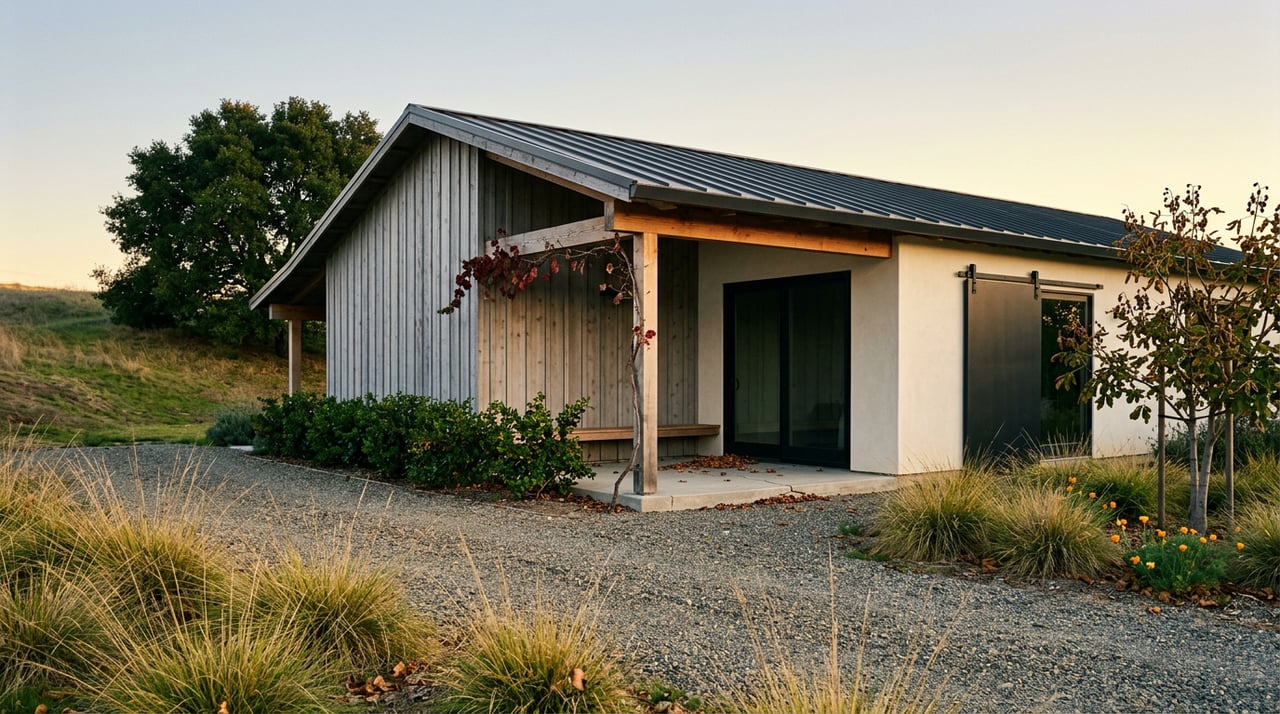
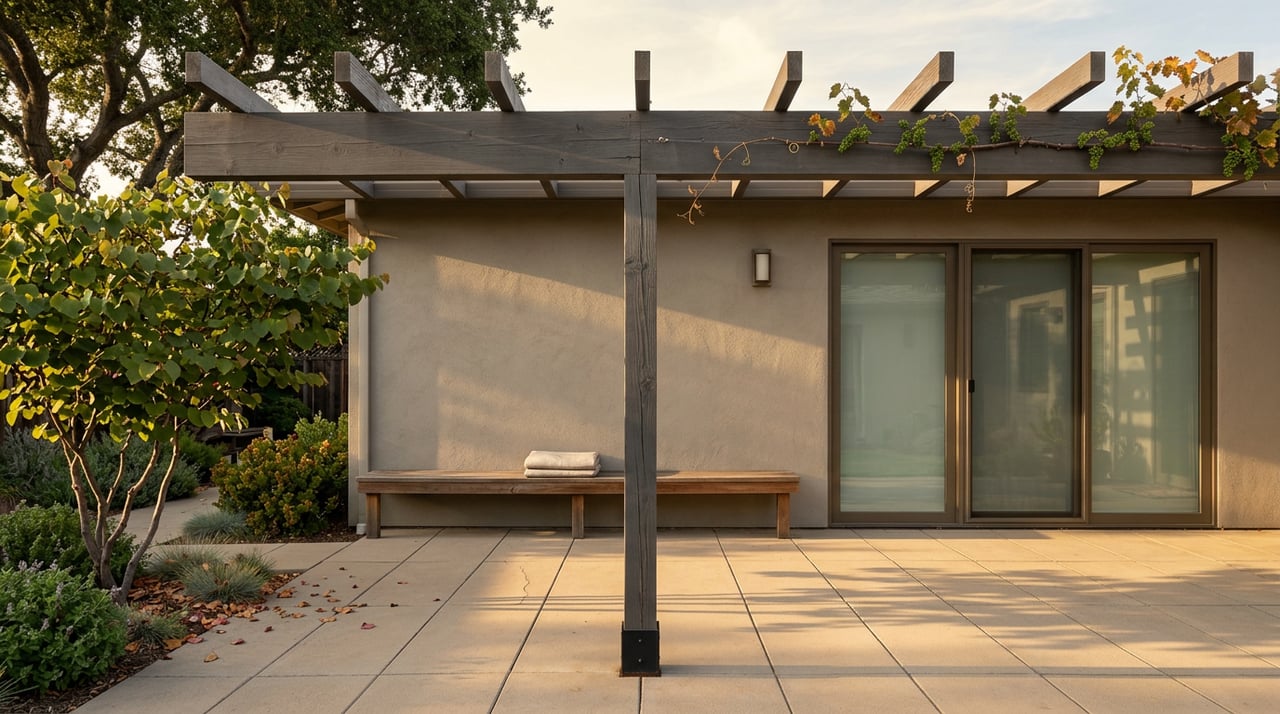
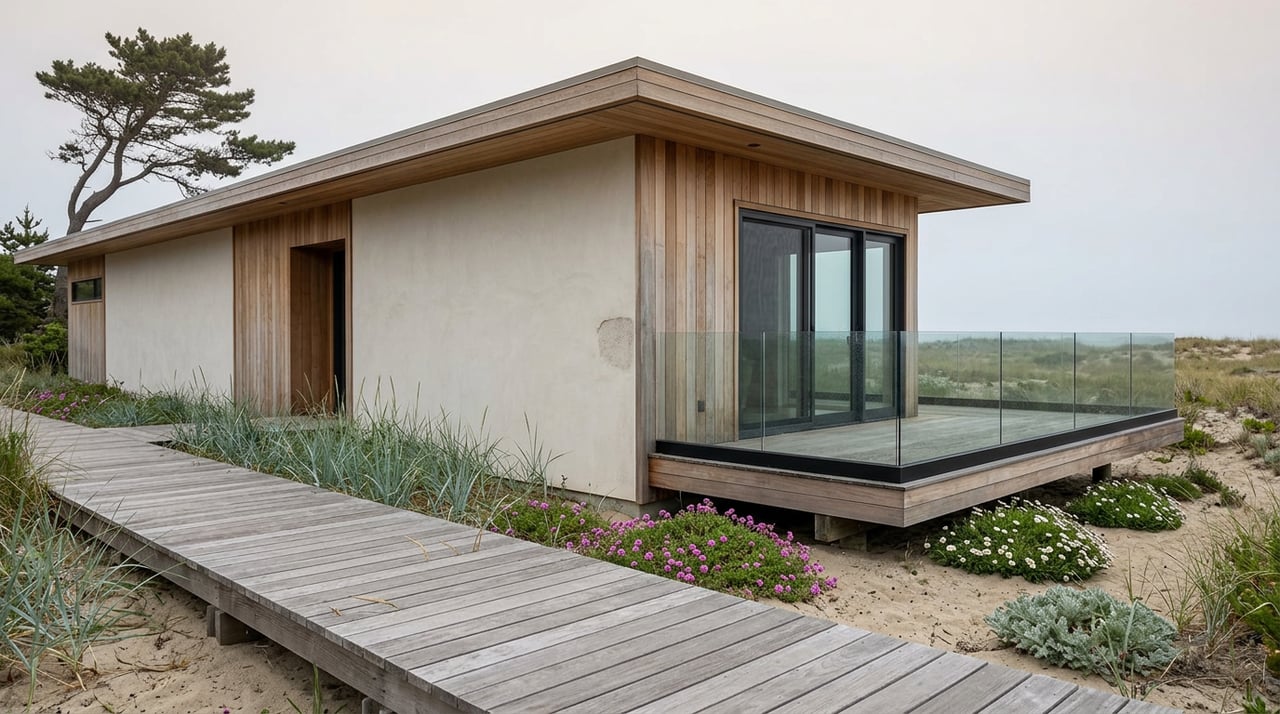
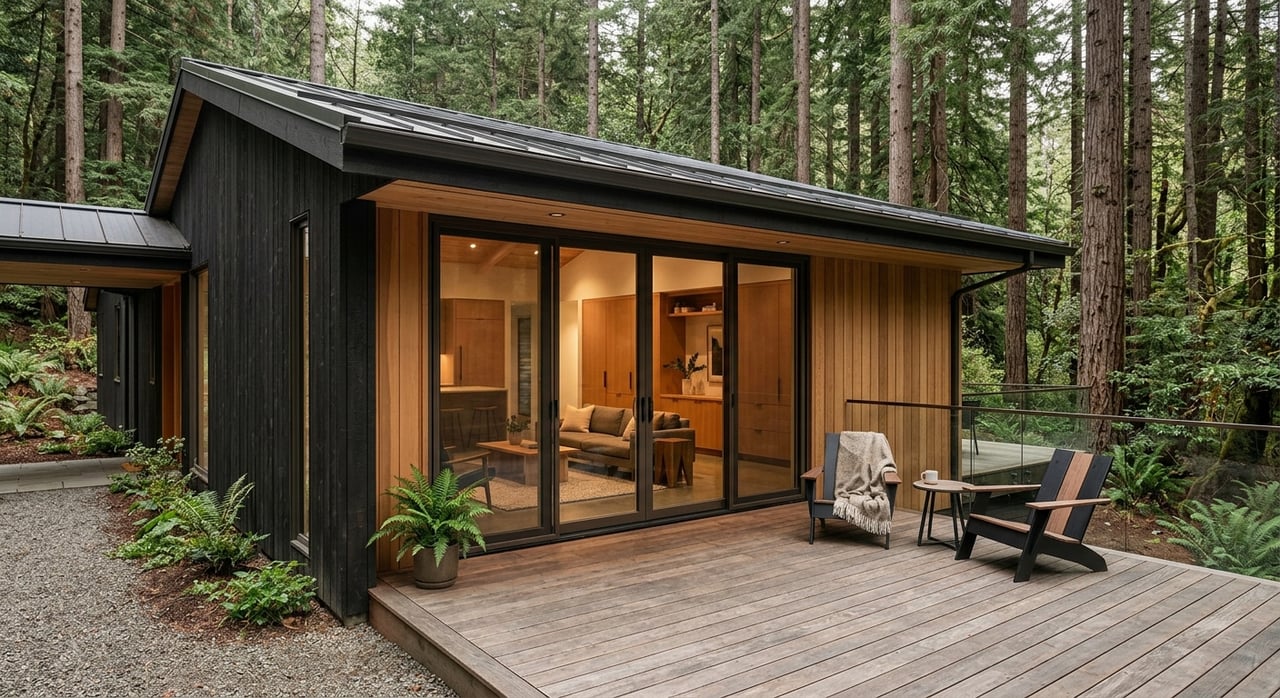
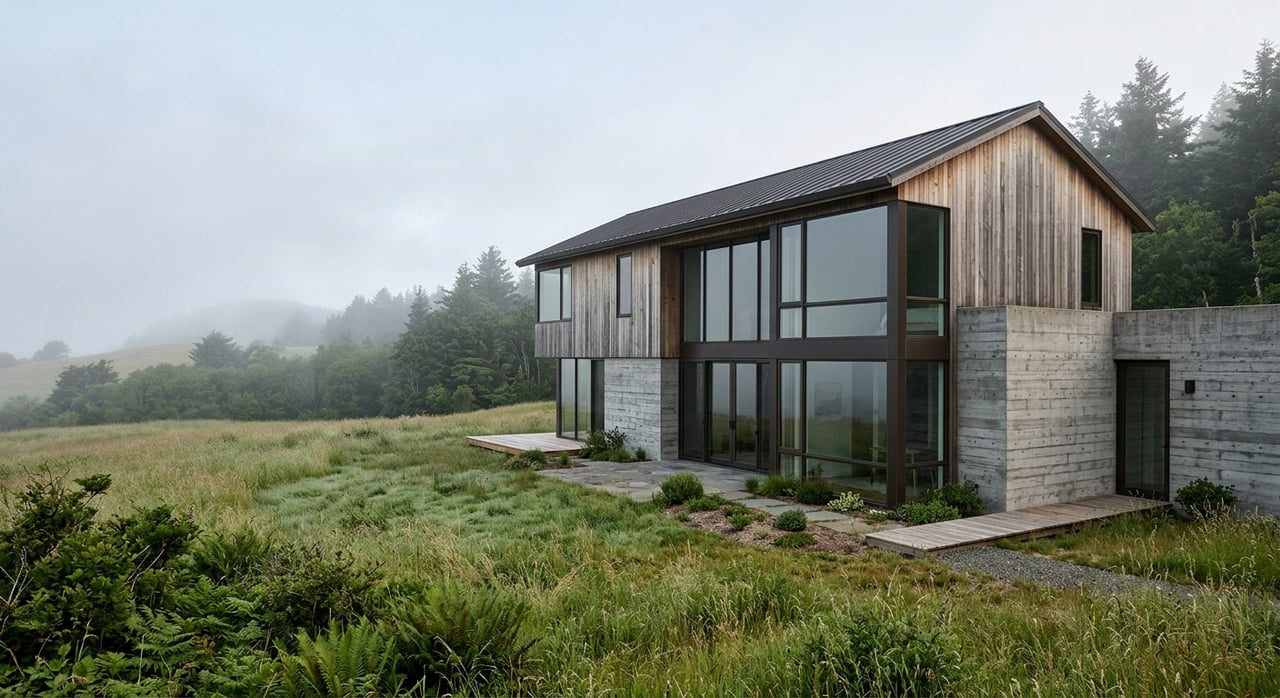
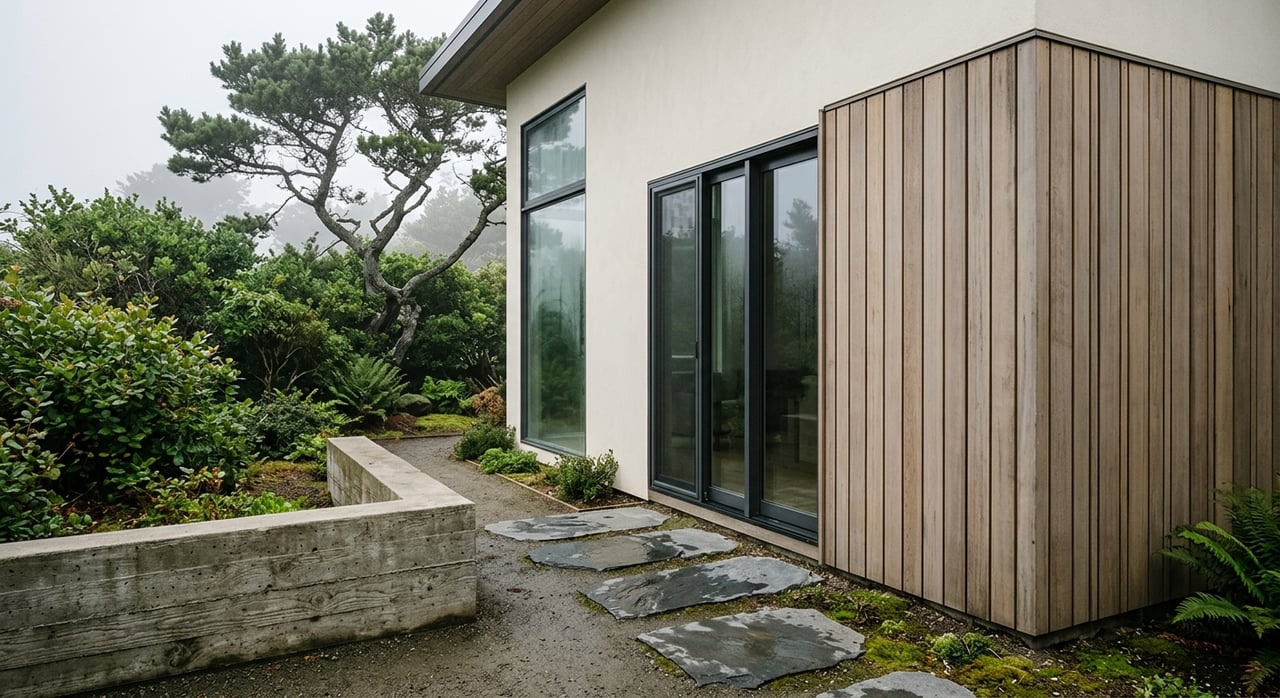
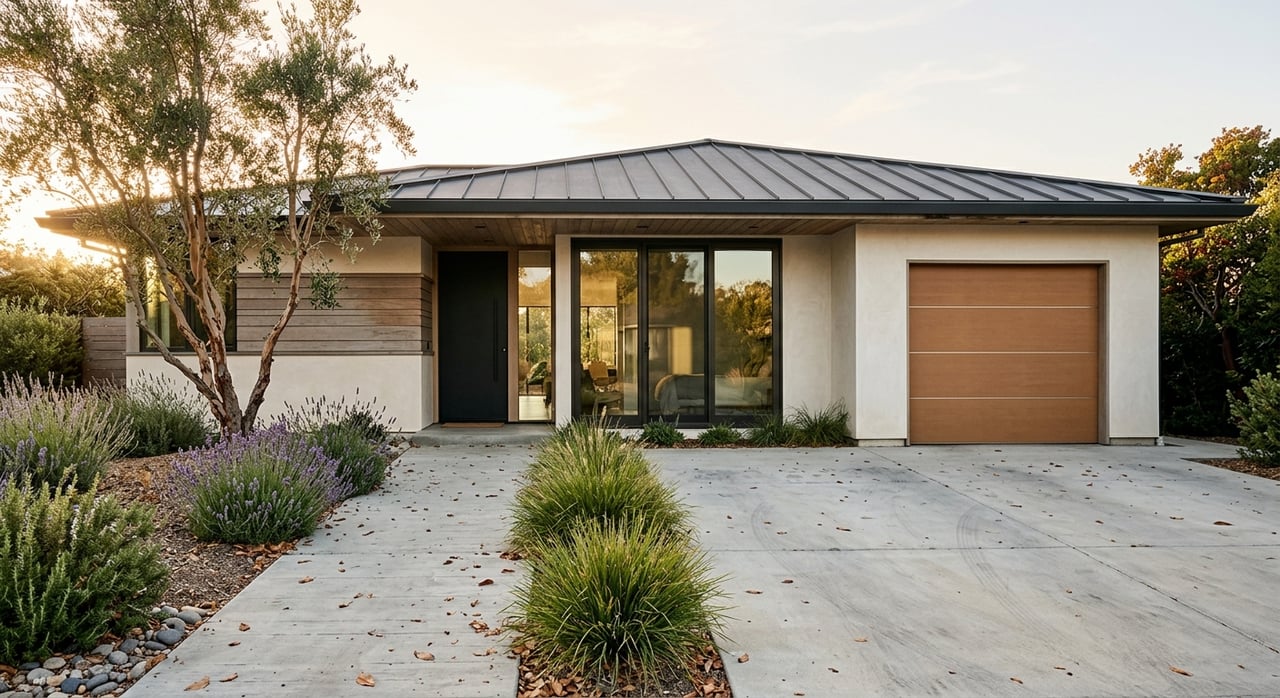
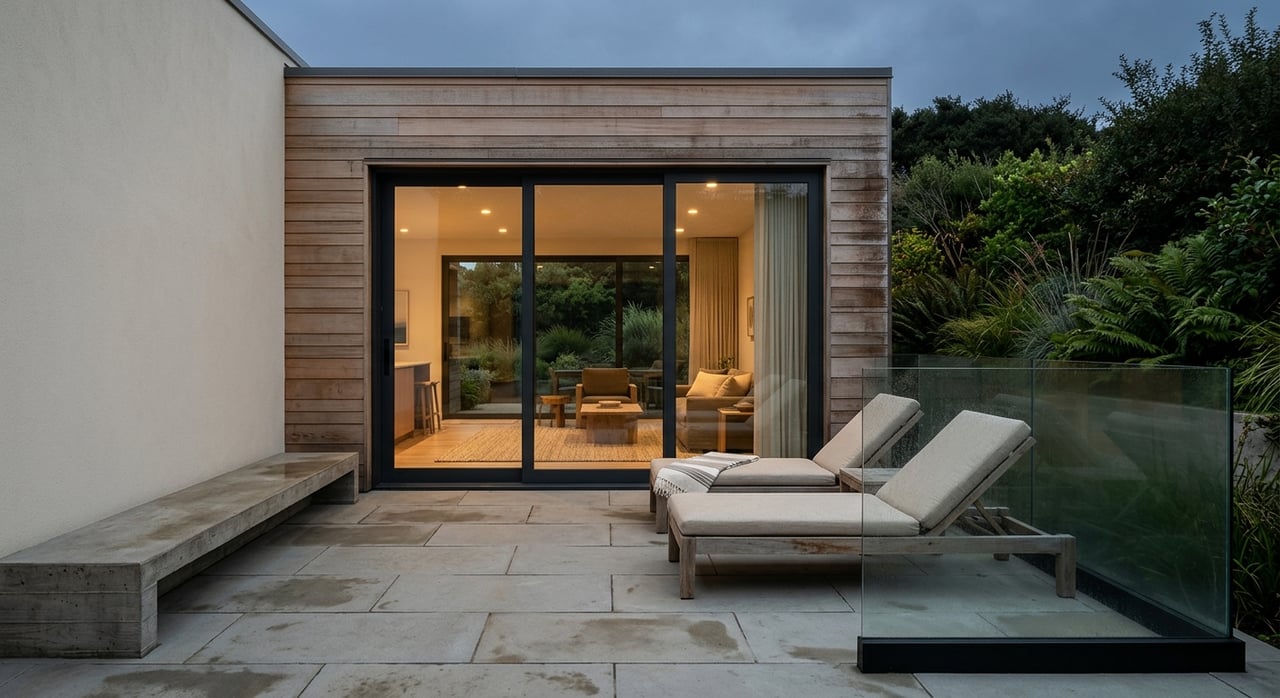
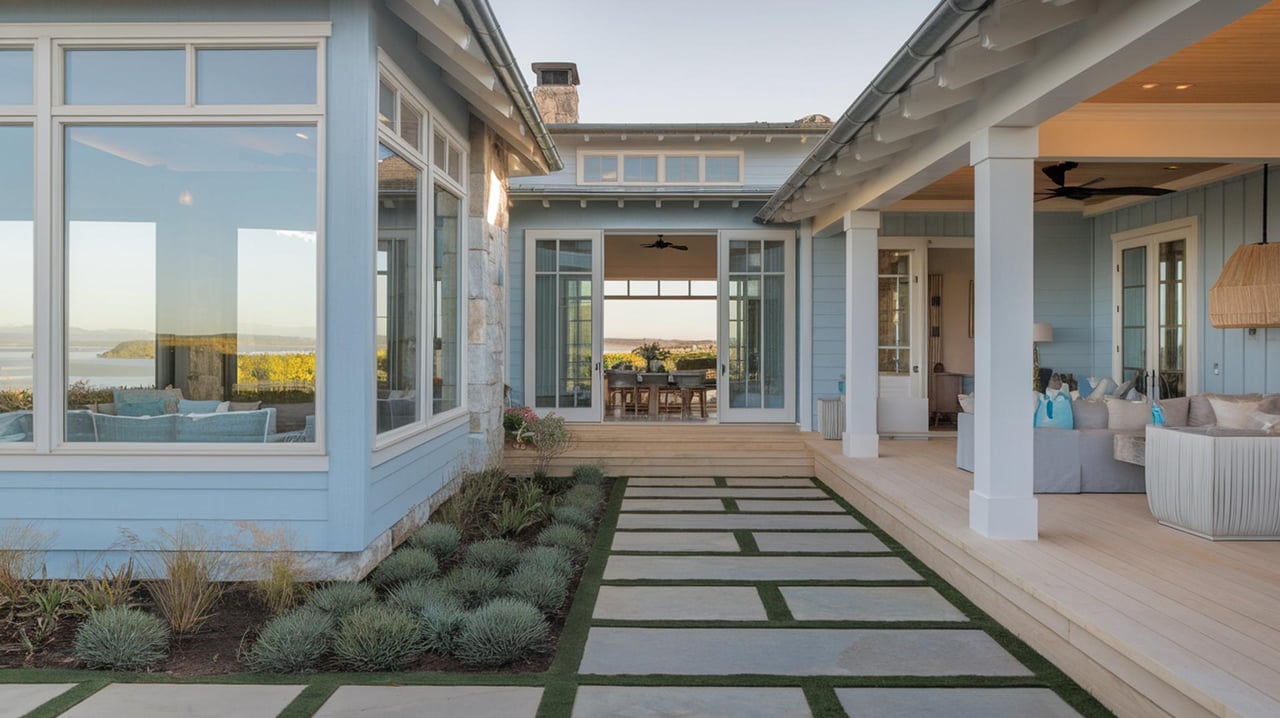
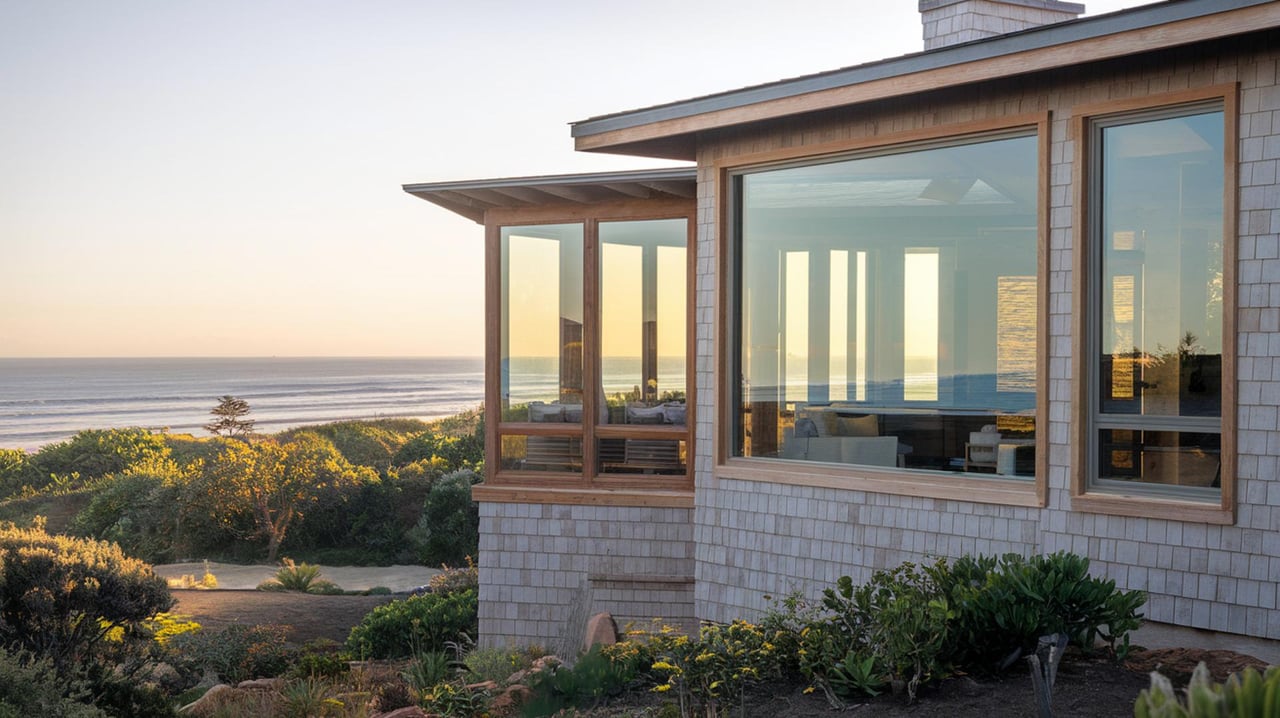
If you have ever walked into a Jenner home and felt the answer before you saw the square footage, you already understand this market. In a place shaped by ocean scenery, estuary light, and tightly constrained development, value often comes down to how a home captures its setting and how easily you can live in it. If you are buying or selling in Jenner, understanding the link between views, layout, and coastal constraints can help you judge value more clearly. Let’s dive in.
Why Jenner behaves differently
Jenner is not a market where price is explained by size alone. Sonoma County planning materials describe it as a coastal community with slow growth, limited water-system connections, and small lot sizes that can restrict septic capacity. That combination creates a small, highly constrained housing environment where what already exists can carry extra weight.
Jenner is also surrounded by scenic assets that shape buyer perception. Sonoma Coast State Park stretches from Bodega Head to just north of Jenner, and the area includes public access points and scenic places like Wright’s Beach, Goat Rock, and Vista Point. In practical terms, buyers are not just comparing homes. They are comparing how each property connects to a very specific coastal setting.
Why views carry real value
Broad water views usually matter most
Research on housing markets has shown that water views can add meaningful value, but the premium depends on view quality, distance, and market conditions. One coastal study found that the best ocean views added far more value than lower-quality views, with a wide spread between top-tier and modest view premiums. That matters in Jenner, where not all “view homes” offer the same experience.
A broad, uninterrupted view of the ocean or estuary is typically more compelling than a narrow peek between structures or vegetation. Even a partial water view can still matter, but the strongest premiums are generally tied to a cleaner, more immersive visual experience. In a small coastal market, buyers often notice that difference quickly.
View composition shapes buyer response
It is not only about seeing water. Research also shows that sale prices can rise when homes are closer to open space features like parks, trails, lakes, and streams, and when the view includes more water and grassy land. Simpler, less cluttered natural scenes also tend to perform better than visually mixed or busy outlooks.
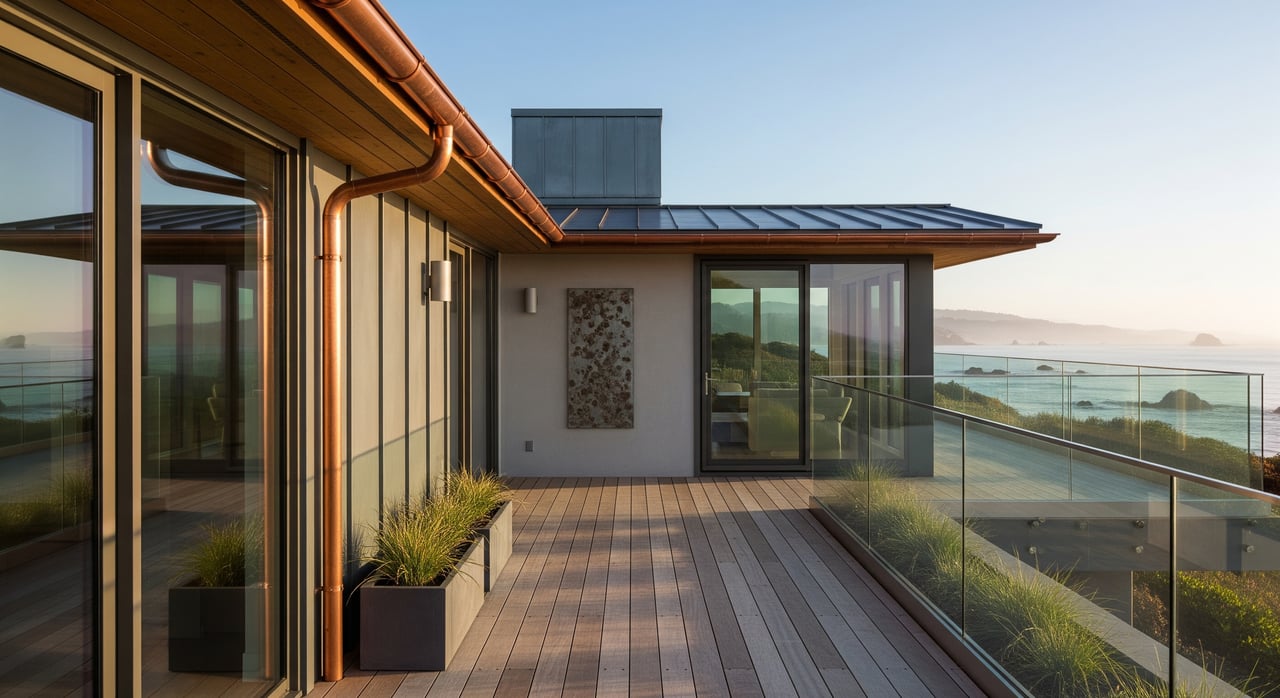
In Jenner, that helps explain why buyers often respond strongly to homes with a clear sightline, a feeling of openness, and a deck or sitting area that lets the landscape do the work. A nominal view mention may catch attention, but a well-framed experience is what often supports stronger value.
Why layout can change perceived value
The best rooms should face the view
Once the lot and setting are fixed, layout can still have a major impact on value. Research on floor plans has found that layout and visual plan design help explain price even after accounting for location and structural features. In other words, two homes with similar size and similar outlooks may not feel equally valuable if one uses the view better.
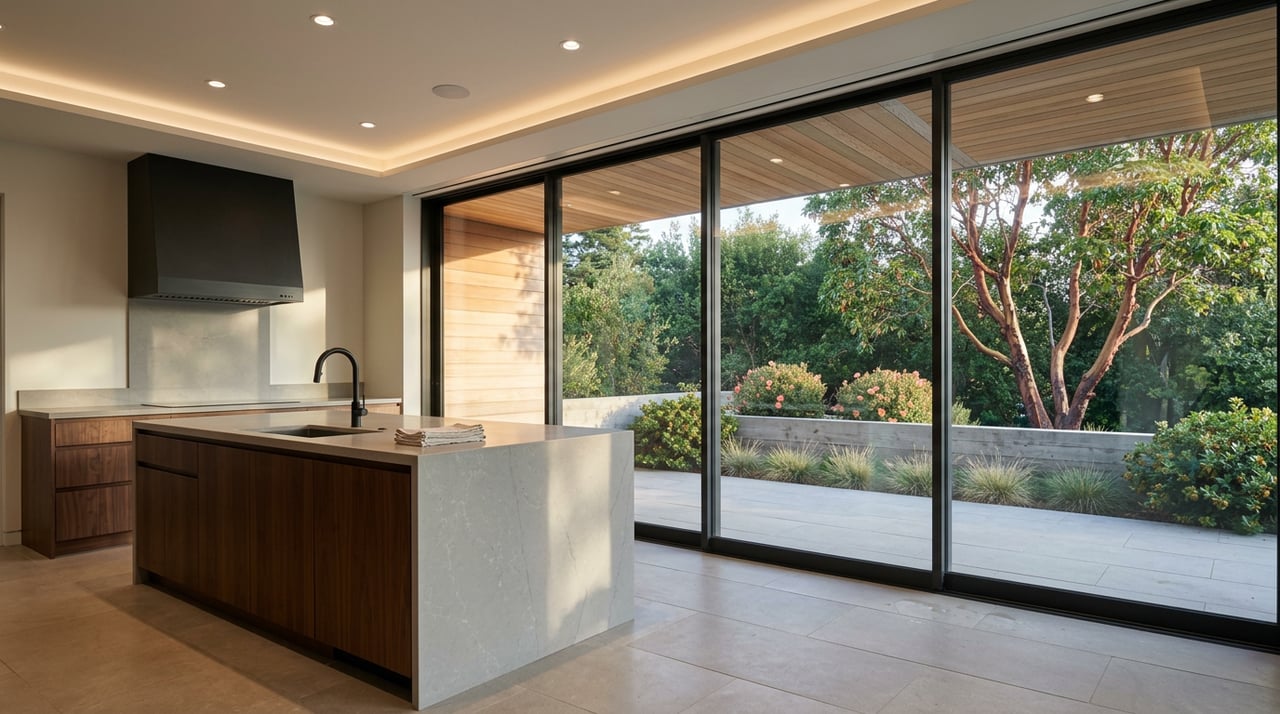
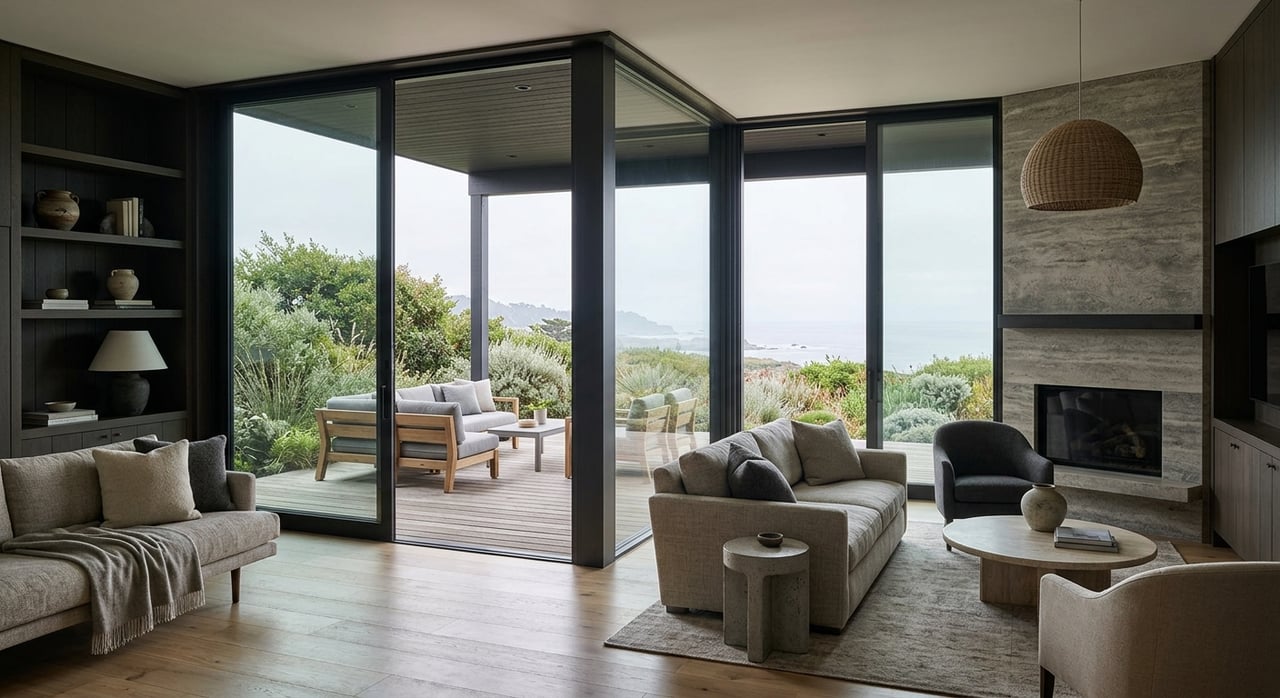
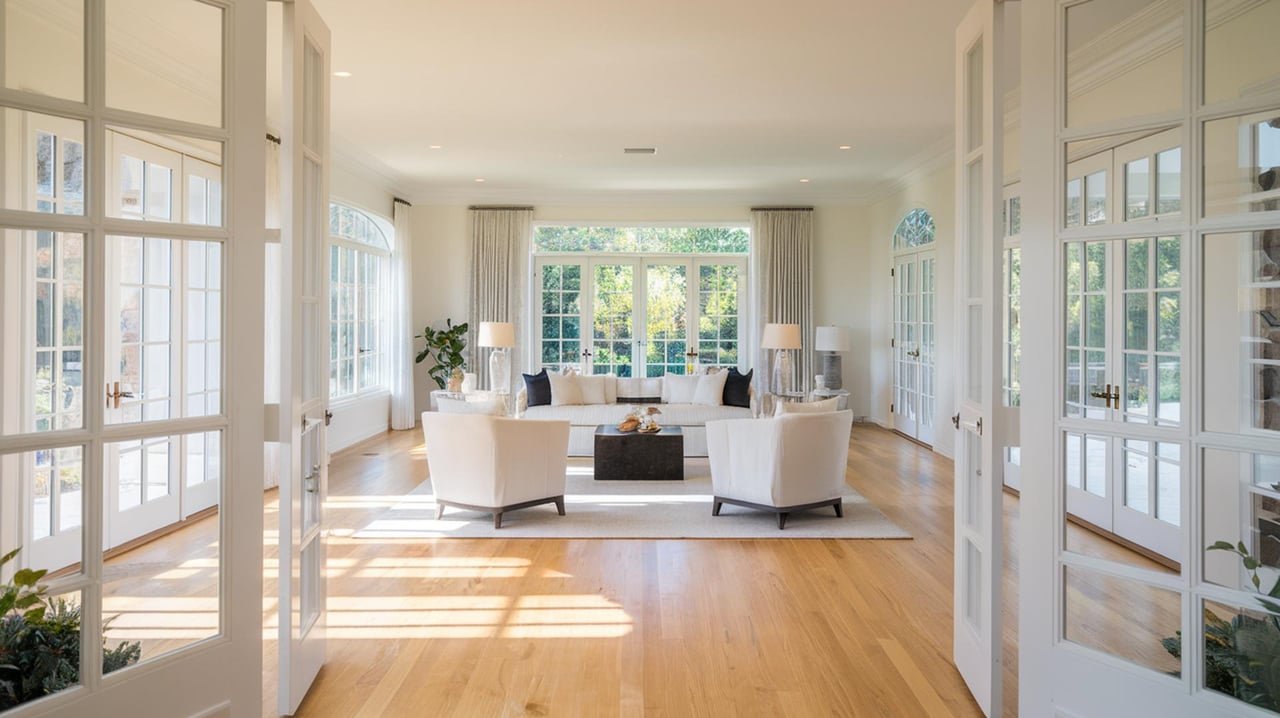
In Jenner, buyers usually respond best when the kitchen, main living area, primary suite, and outdoor access are positioned on the view side of the home. That arrangement makes the scenery part of everyday living instead of something reserved for a hallway, guest room, or occasional corner. A home that delivers the view where you spend the most time often feels more intuitive and more desirable.
Flow matters as much as square footage
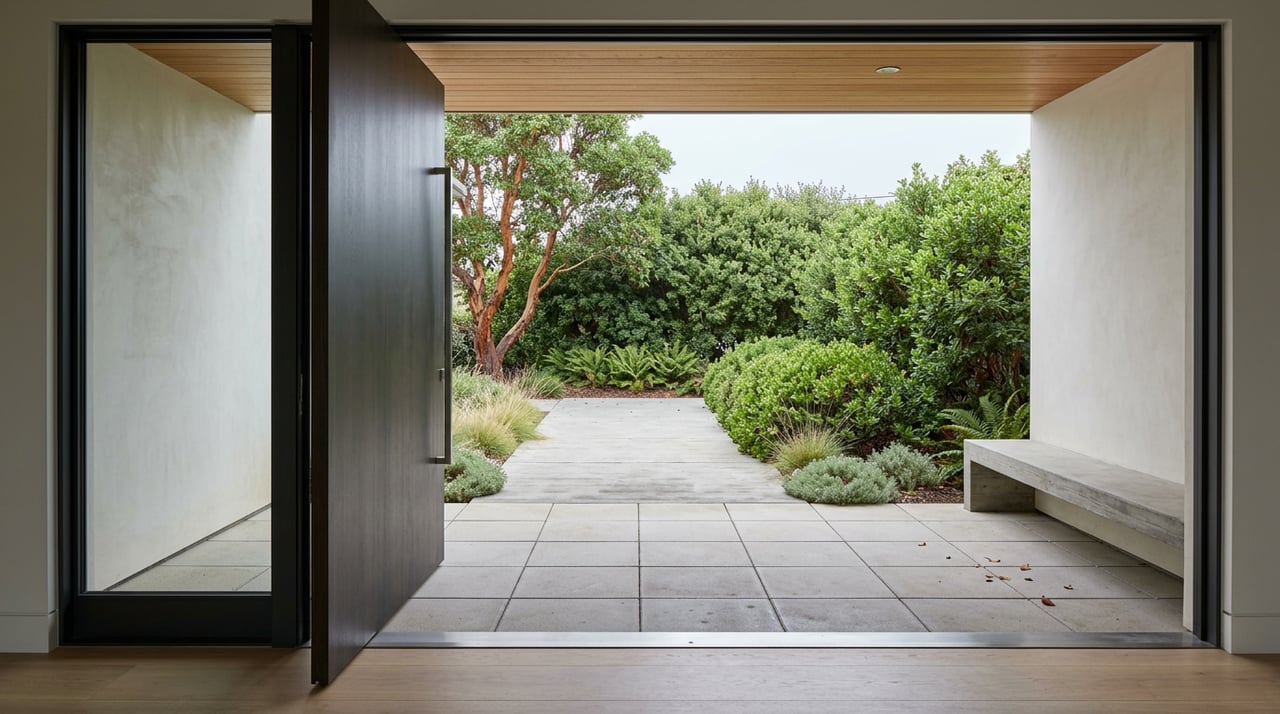
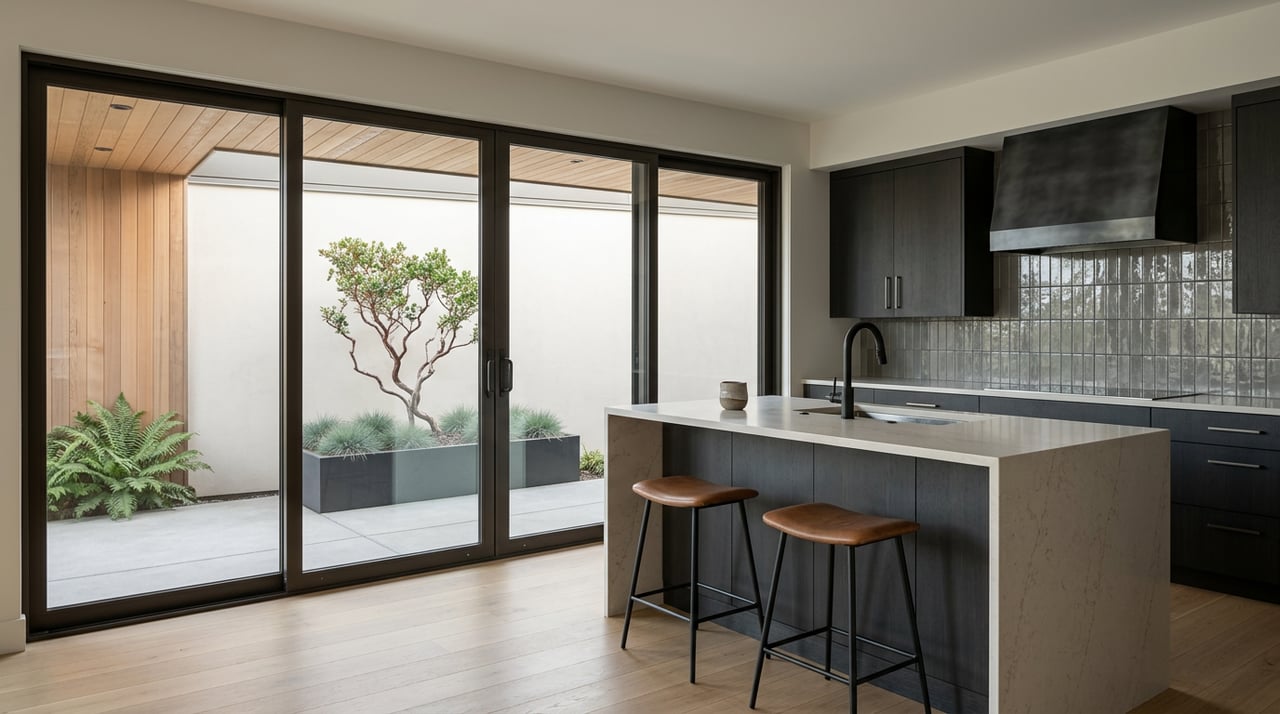
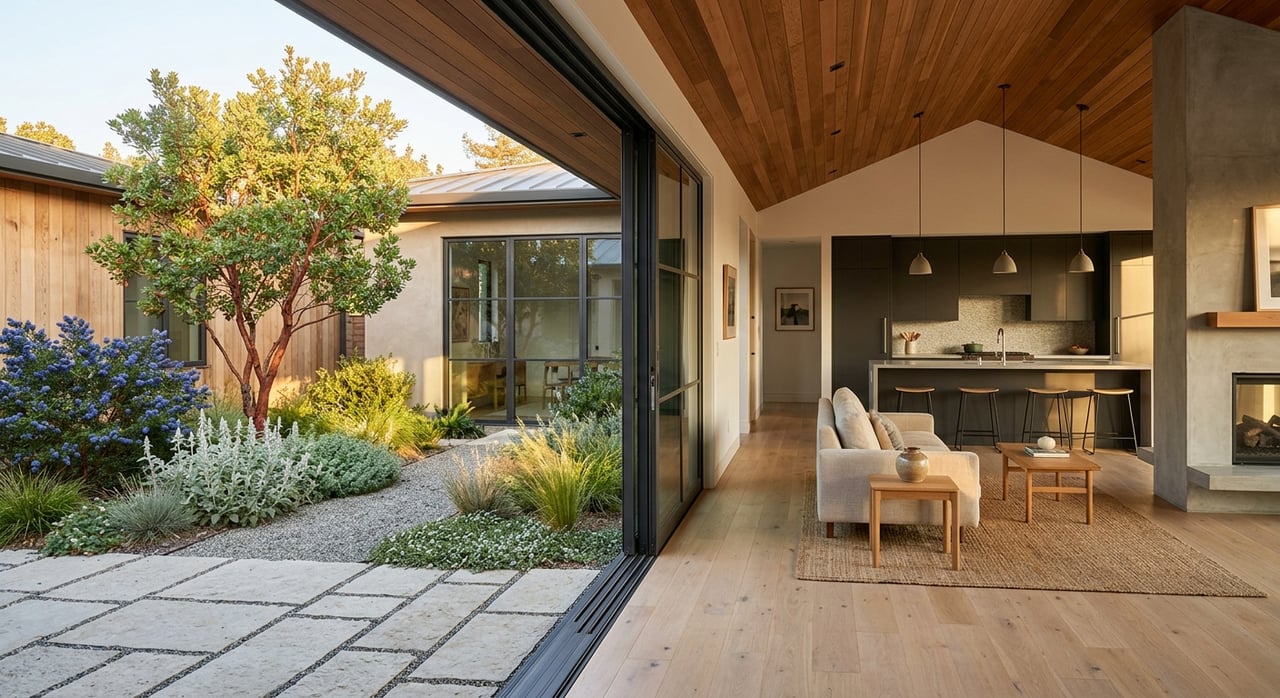
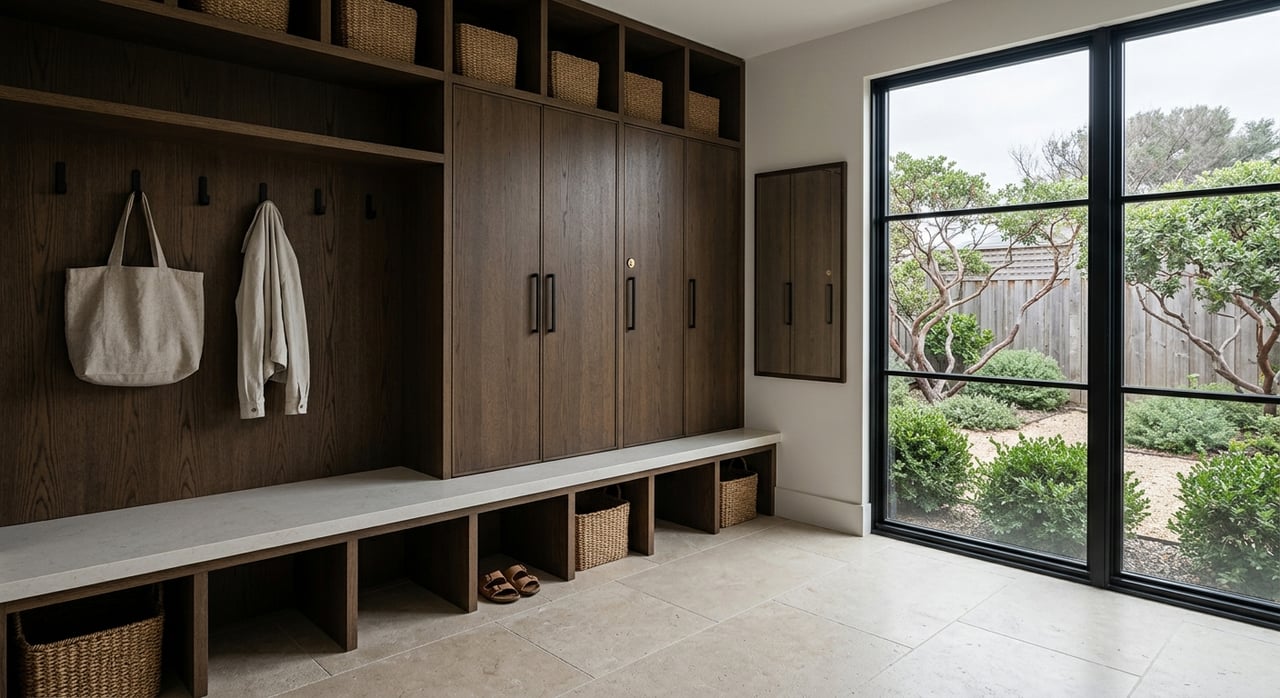
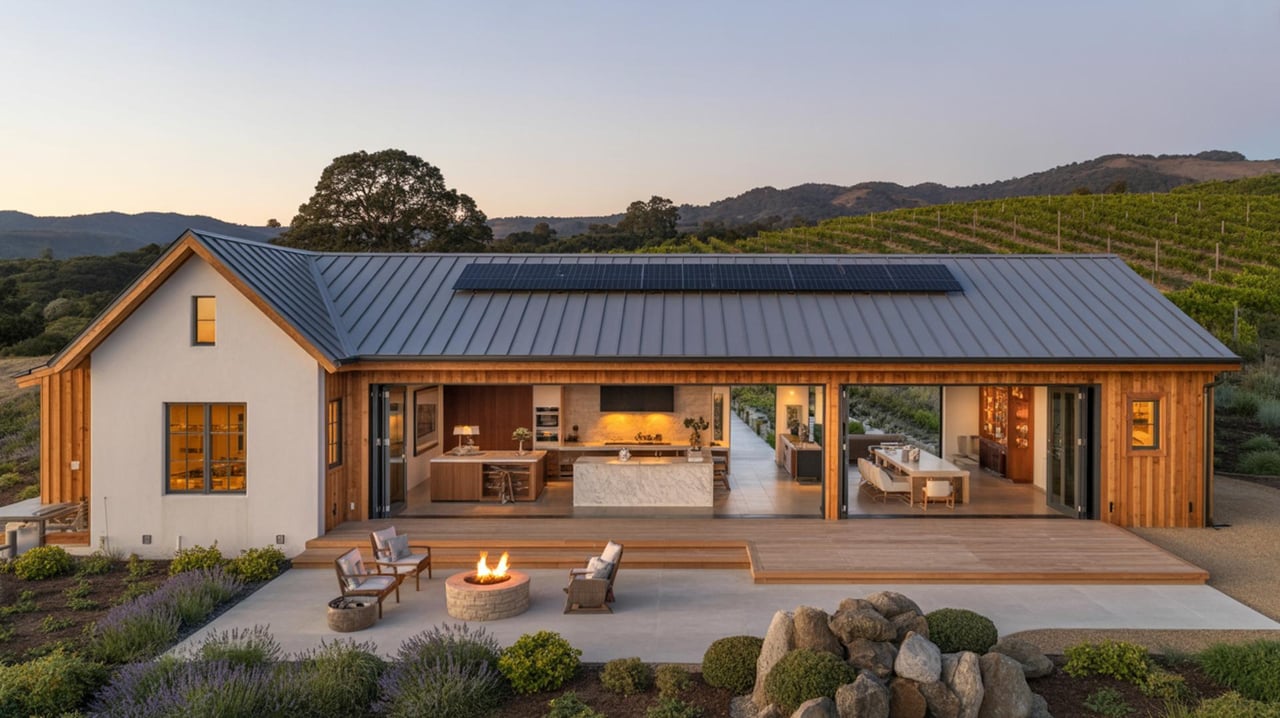
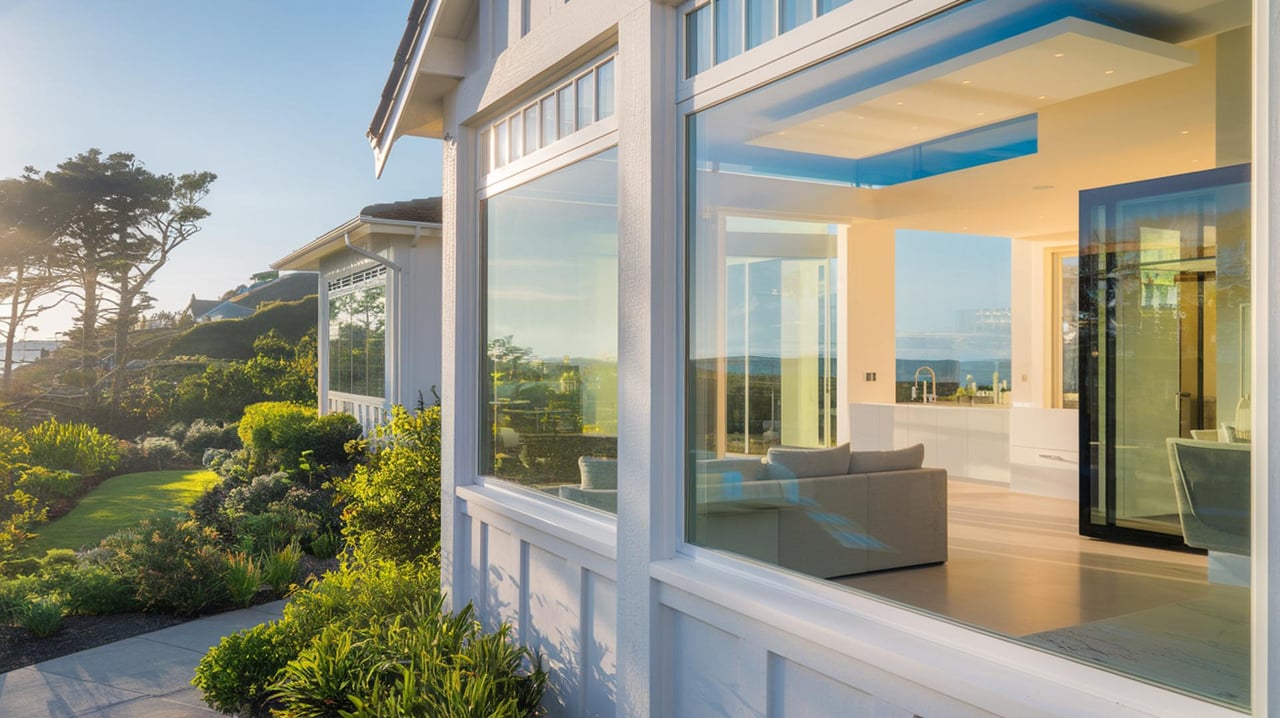
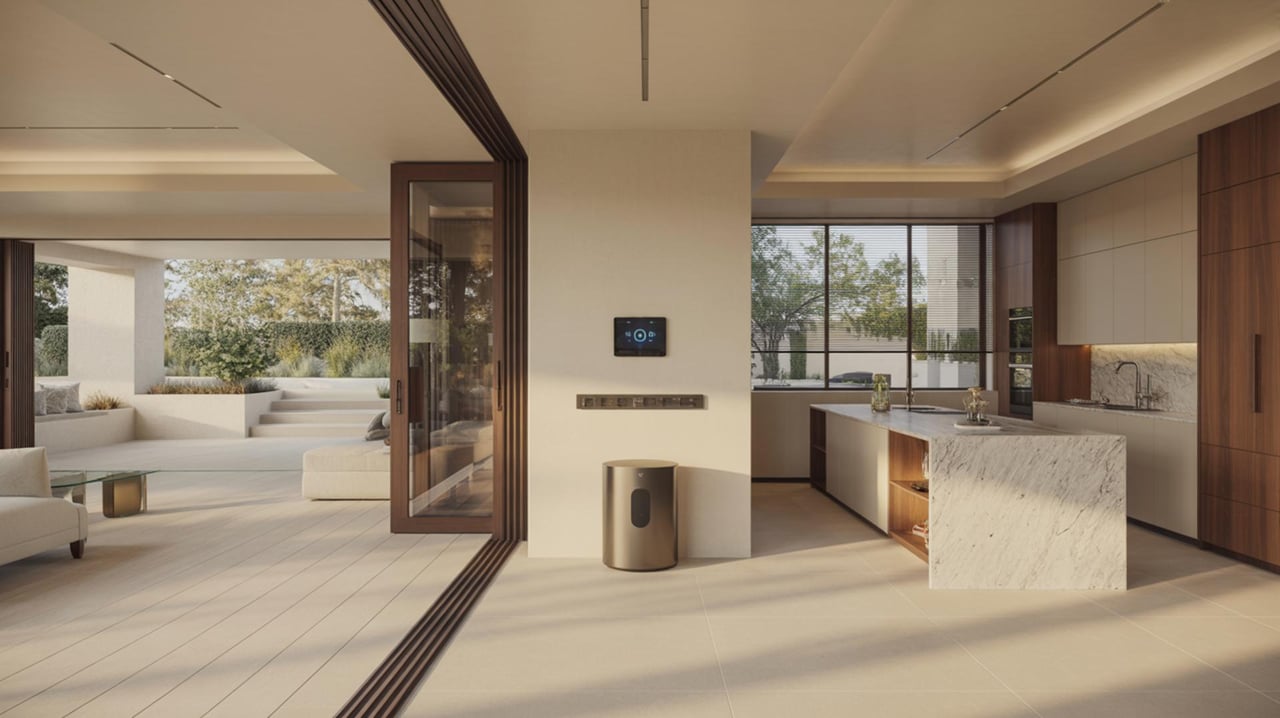
Open-concept living can be especially effective in a coastal setting because it helps light move through the home and strengthens the connection to the outdoors. If the great room opens directly to a deck, patio, or sheltered seating area, the home may feel larger and more useful even without adding interior square footage. Buyers often experience that as a quality upgrade, not just a design choice.
By contrast, awkward circulation can weaken an otherwise strong location. If the route to the deck feels disconnected, if the best windows face secondary rooms, or if indoor and outdoor spaces do not work together, the home may not fully capitalize on its setting. In Jenner, that can limit how much of the view premium actually shows up in buyer demand.
Outdoor living is part of the value story
A usable deck can outperform a nominal yard
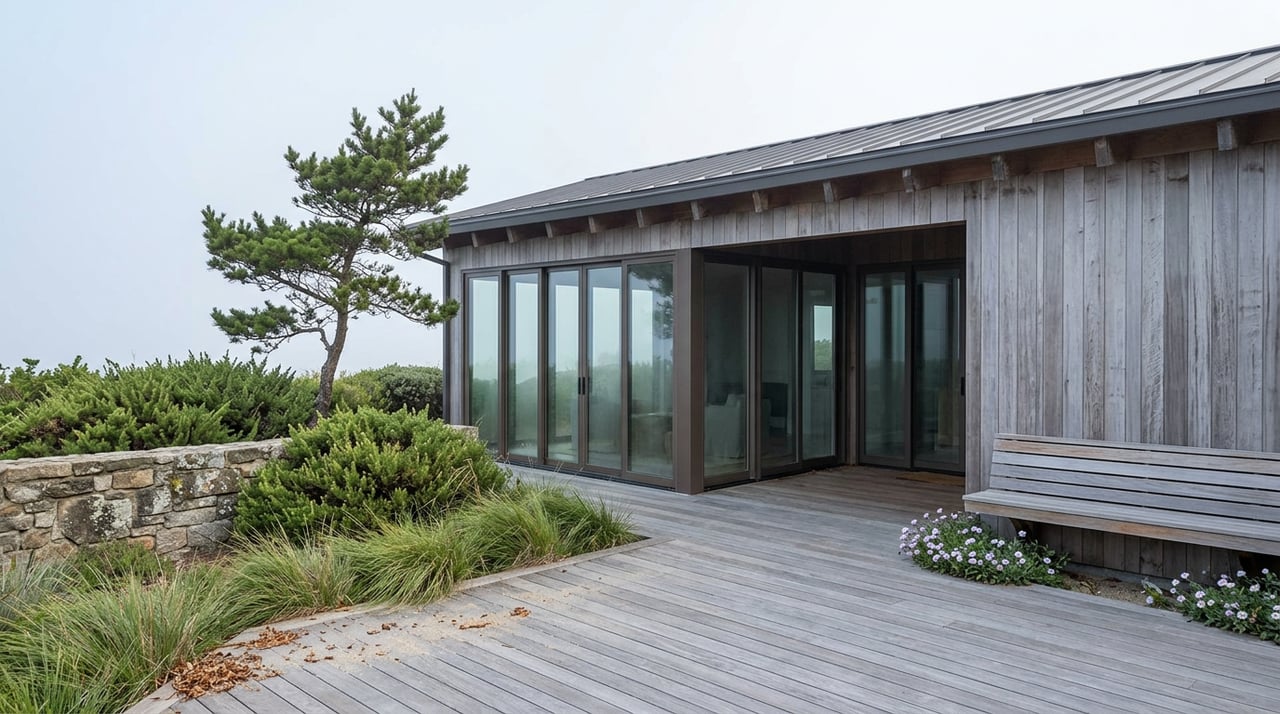
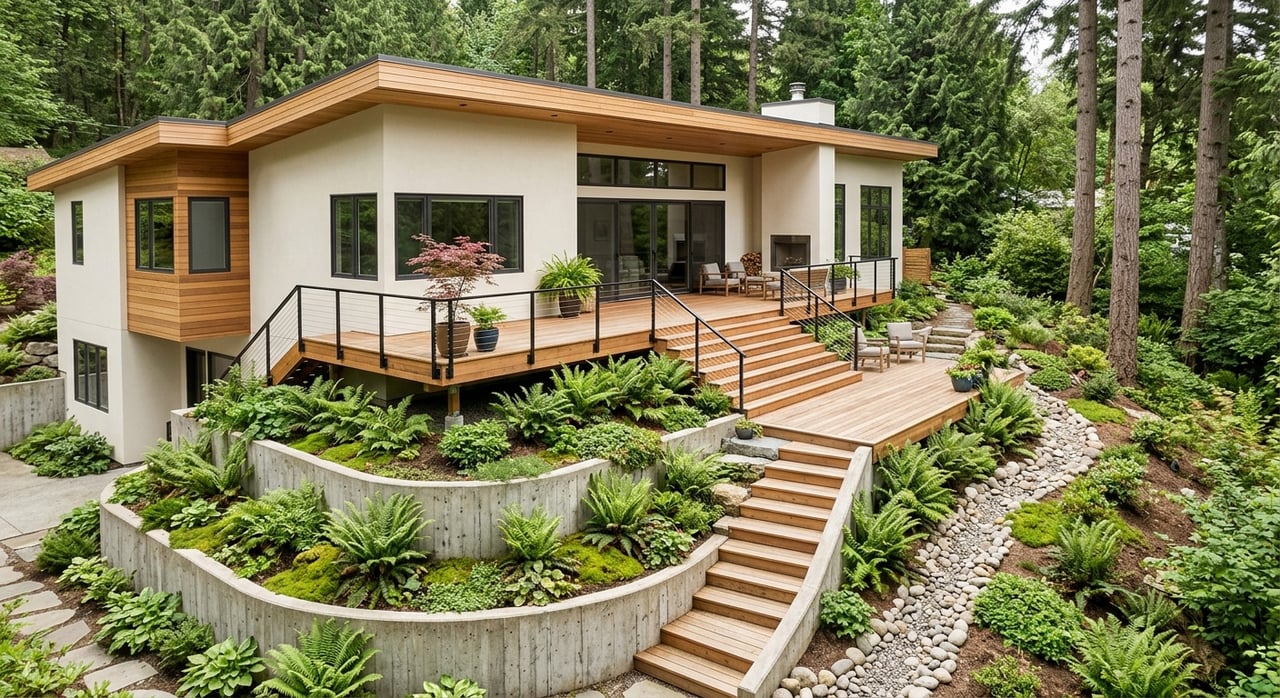
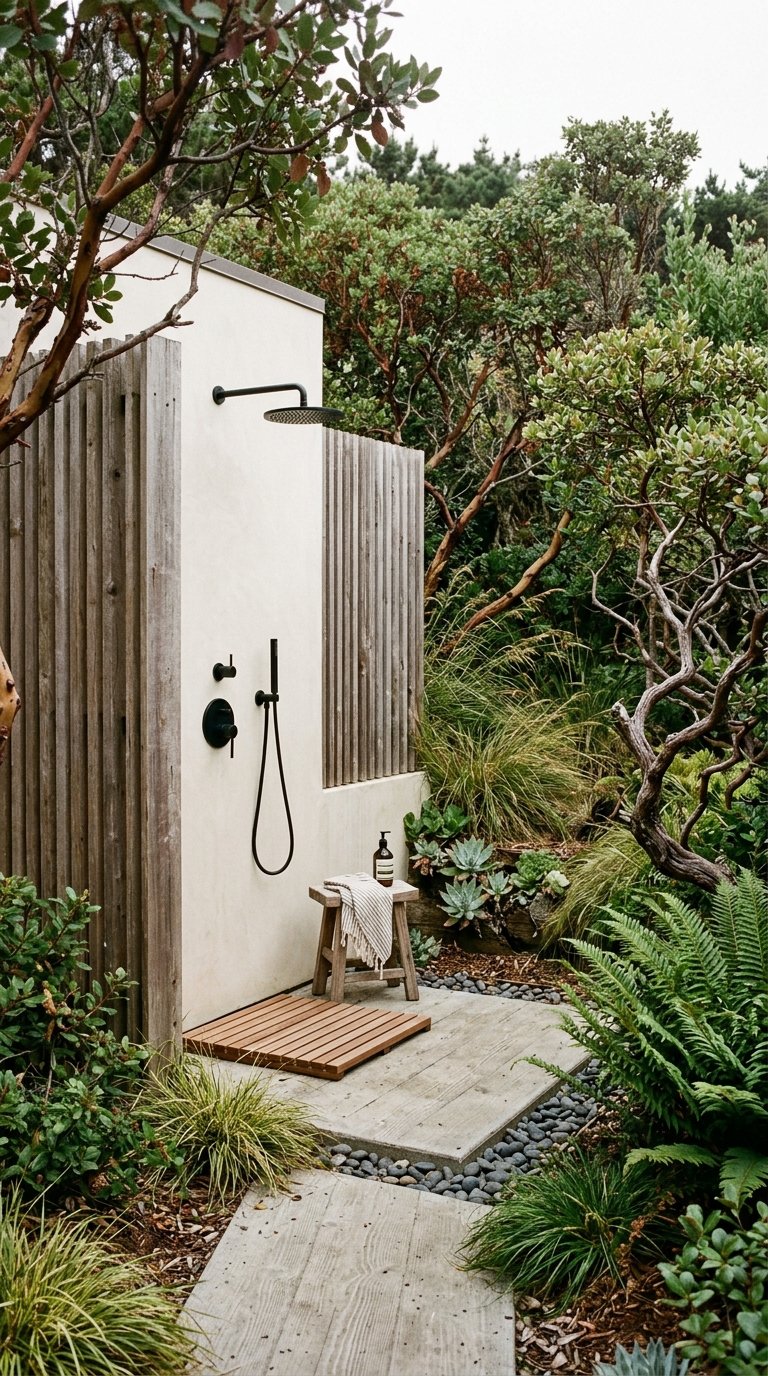
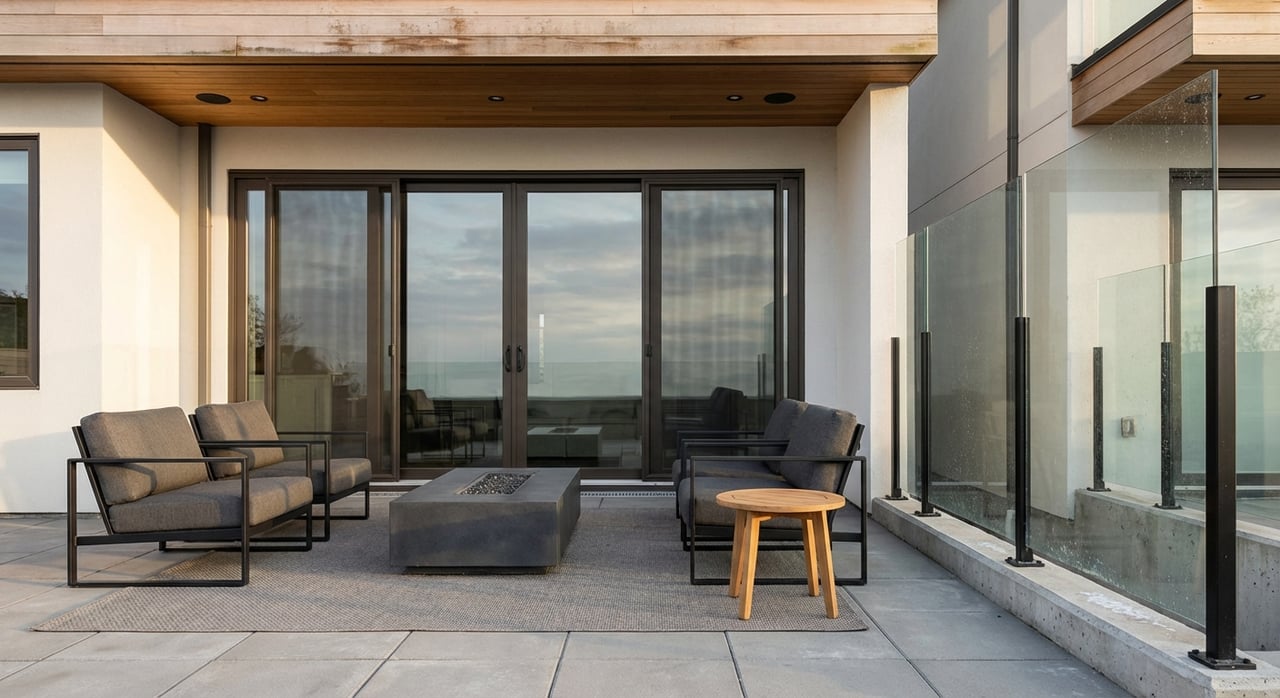
In many Jenner properties, outdoor living is not about having the biggest yard. It is about having a space you will actually use. A well-positioned deck, terrace, or seating area with a clear outlook can carry more weight than a larger but less practical outdoor area shaped by slope, wind exposure, or poor access.
That is important because buyers are often evaluating the full coastal experience. They want to know whether they can have coffee outside, host friends, or unwind at the end of the day without the setting feeling exposed or awkward. In a view-driven market, usable outdoor living becomes part of how value is felt.
Privacy often comes from design
Sonoma County’s coastal design guidance says fences should not obstruct coastal views, and it encourages parking to be screened while exterior lighting remains subtle and integrated. The county also notes that Jenner is highly visible from Highway 1, which makes visual sensitivity part of development and design review.
For homeowners, that means privacy often depends more on thoughtful site design than on closing off the property. Landscaping, building orientation, window placement, and outdoor room design may all matter more than a tall barrier. When a home balances openness, privacy, and view preservation well, buyers tend to see that as a meaningful advantage.
What can limit a Jenner view premium
Hazard exposure affects how buyers price risk
Jenner’s beauty comes with real environmental considerations. The California Coastal Commission says sea-level rise is increasing flooding, inundation, wave impacts, erosion, and saltwater intrusion. Sonoma County has also warned that low-lying parts of Jenner can flood when the Russian River estuary closes and water levels rise.
That does not erase the value of a coastal location, but it can affect how buyers compare one property with another. A dramatic setting may still command attention, yet flood or erosion concerns can influence both price and buyer comfort. In some markets, higher flood risk has been associated with measurable value reductions, though the exact effect can vary.
Permitting can support or undercut value
In Jenner, what has been permitted matters. The California Coastal Commission says development in the coastal zone generally cannot begin until a coastal development permit is issued, and Sonoma County confirms that coastal permits are required for development on parcels in the Coastal Zone. The county also notes that certain second dwelling unit projects in the coastal zone may require multiple approvals, along with water and sanitation review.
For buyers, that means a deck expansion, reconfigured outdoor area, or added living space is not just a design feature. Its approval status can shape future flexibility and risk. For sellers, permitted improvements can strengthen the property’s value story, while unpermitted or visually intrusive changes may raise questions.
How buyers should compare Jenner homes
When you are evaluating Jenner homes, the best comparisons usually go beyond bedroom count and interior square footage. A more useful review looks at how the home captures the setting and how easily you can live with it over time.
Focus on questions like these:
- Is the water view broad, partial, or obstructed?
- Is the view available from the main living spaces or only secondary rooms?
- Does the deck or outdoor area feel usable given wind, fog, and slope?
- Does the floor plan create a strong indoor-outdoor connection?
- Are there flood, erosion, or coastal permitting issues that could affect future use?
- Are existing additions, decks, or other improvements properly permitted?
In Jenner, these factors often do more to explain price differences than a simple side-by-side of square footage. They also help you understand whether a home’s asking price reflects lived experience or just a view label.
How sellers can present value more clearly
If you are selling, your job is to make the experience of the home easy to understand. In a market like Jenner, buyers do not just want to hear that a property has views. They want to see how those views show up in daily life.
That usually means presenting the home through the rooms that matter most. Photography from the main living spaces and deck can be far more persuasive than a single exterior shot. Clear presentation of sightlines, orientation, openness, and indoor-outdoor flow helps buyers connect the asking price to the lifestyle the home offers.
It also helps to organize the property’s practical story. If additions, decks, or exterior improvements were approved, that information can add confidence. In a highly regulated coastal market, preparation and documentation can meaningfully shape how buyers interpret value.
For some owners, there may also be a second layer to that story. A well-positioned Jenner property can appeal not only as a personal retreat, but also as a lifestyle asset with income potential, depending on the property and ownership goals. That is where local market knowledge and operational insight can make the pricing and marketing strategy more precise.
If you are trying to understand what truly drives value in Jenner, local context matters. The team at Sonoma Coast Living brings deep Sonoma Coast knowledge, boutique marketing, and practical guidance for coastal buyers and sellers who want a clearer read on what makes a property stand out.
FAQs
How do ocean views affect Jenner home values?
- Higher-quality water views generally support stronger premiums, especially when the outlook is broad, open, and visible from the main living areas.
Why does layout matter in Jenner real estate?
- Layout shapes how you experience the view, light, and outdoor access, so a well-planned floor plan can make a similarly sized home feel more valuable.
What outdoor features matter most for Jenner homes?
- Usable outdoor living areas like decks or terraces often matter more than raw yard size, especially when they offer good access, openness, and practical shelter from coastal conditions.
What can reduce the value of a Jenner view home?
- Flood exposure, erosion concerns, permitting complications, obstructed views, and a floor plan that wastes the best sightlines can all limit premiums.
What should sellers highlight when listing a Jenner home?
- Sellers should clearly show the view from the main rooms, explain indoor-outdoor flow, and organize documentation for any permitted additions or exterior improvements.
What should buyers check before purchasing a Jenner property?
- Buyers should review view quality, layout, outdoor usability, hazard exposure, and whether past improvements appear consistent with coastal permitting requirements.