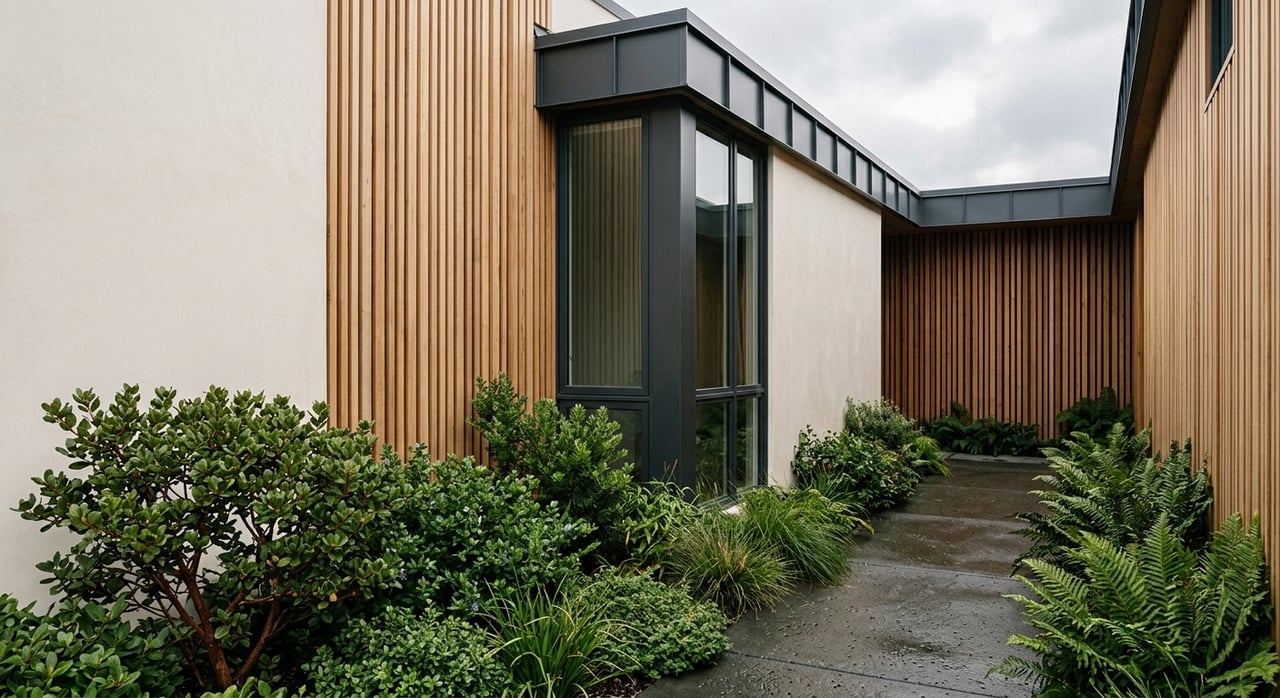
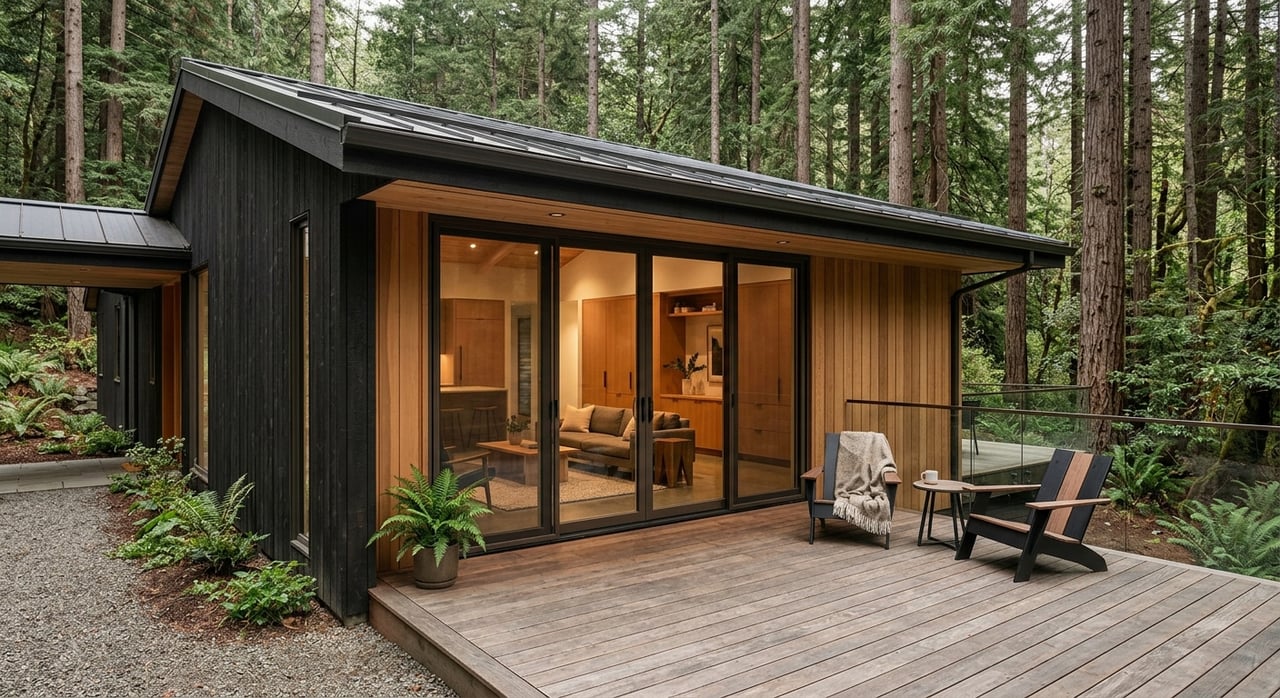
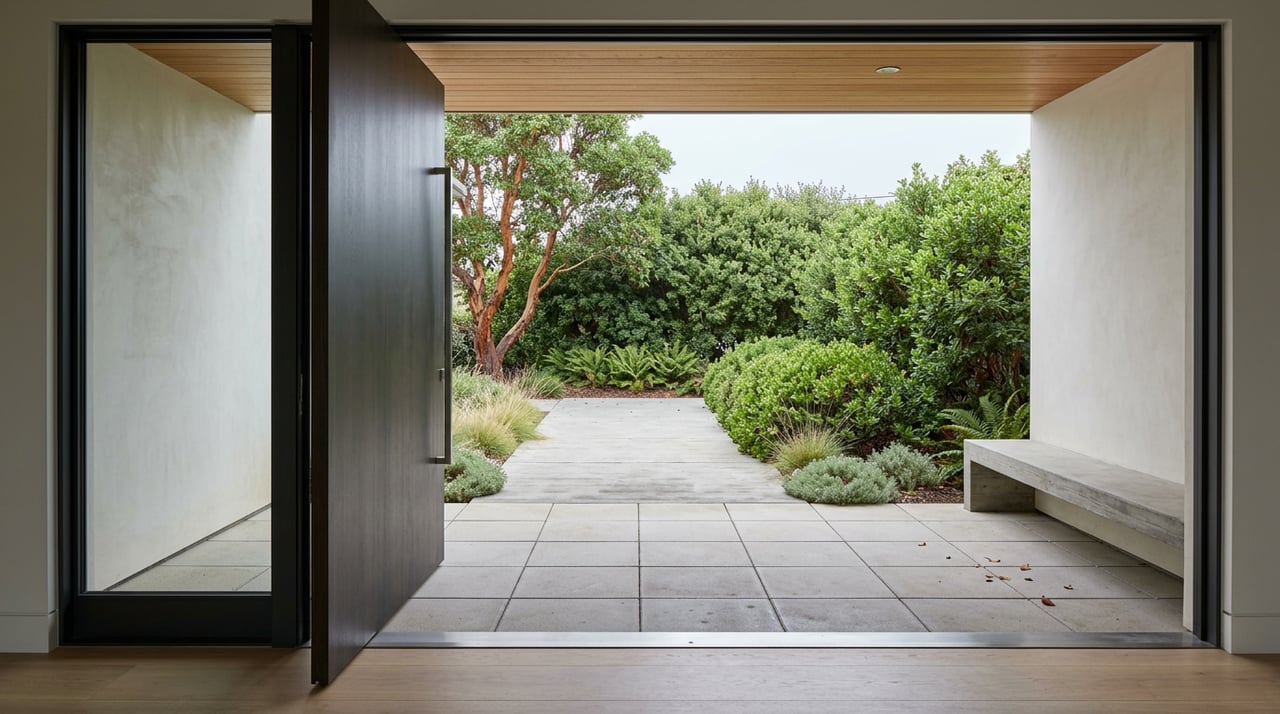
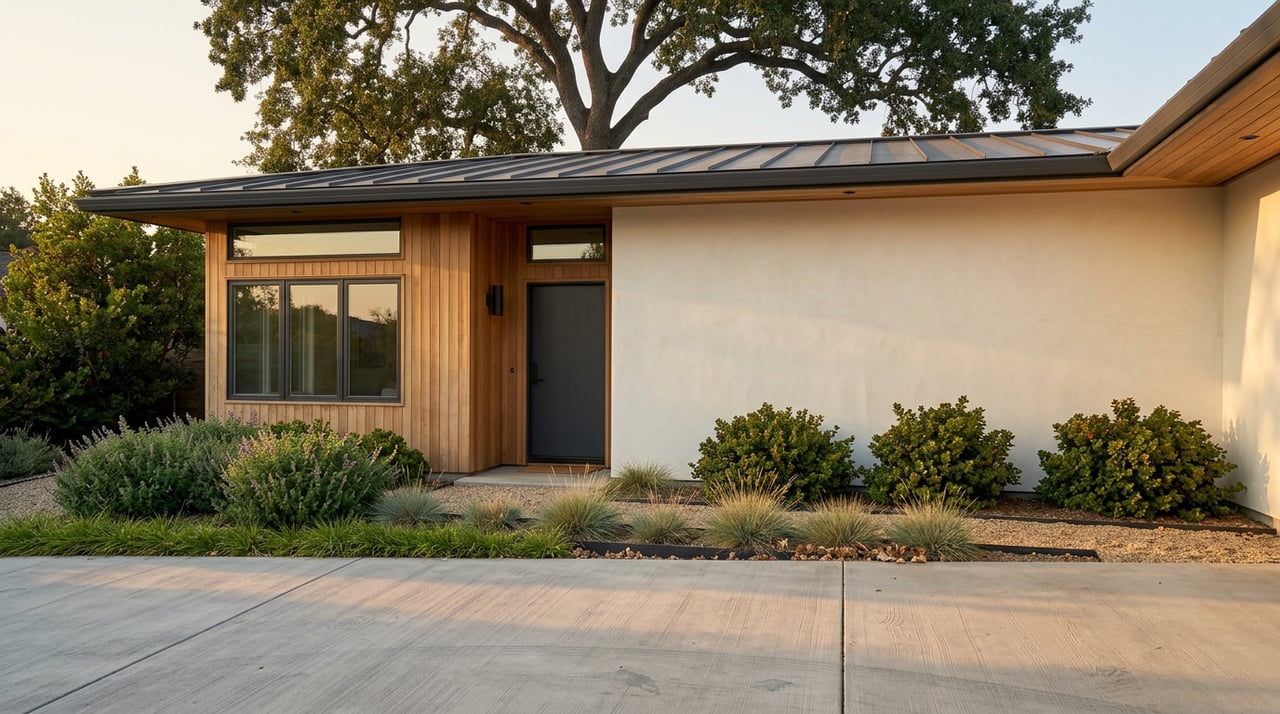
Thinking about buying in Sereno del Mar because of the coastal setting, larger lots, and low-profile homes? Before you fall in love with a view or a floor plan, it helps to understand what you may or may not be able to change later. In this part of the Sonoma Coast, design review and permitting can shape everything from a remodel to landscaping plans. If you know the rules early, you can buy with more clarity and fewer surprises. Let’s dive in.
Why Sereno del Mar Is Different
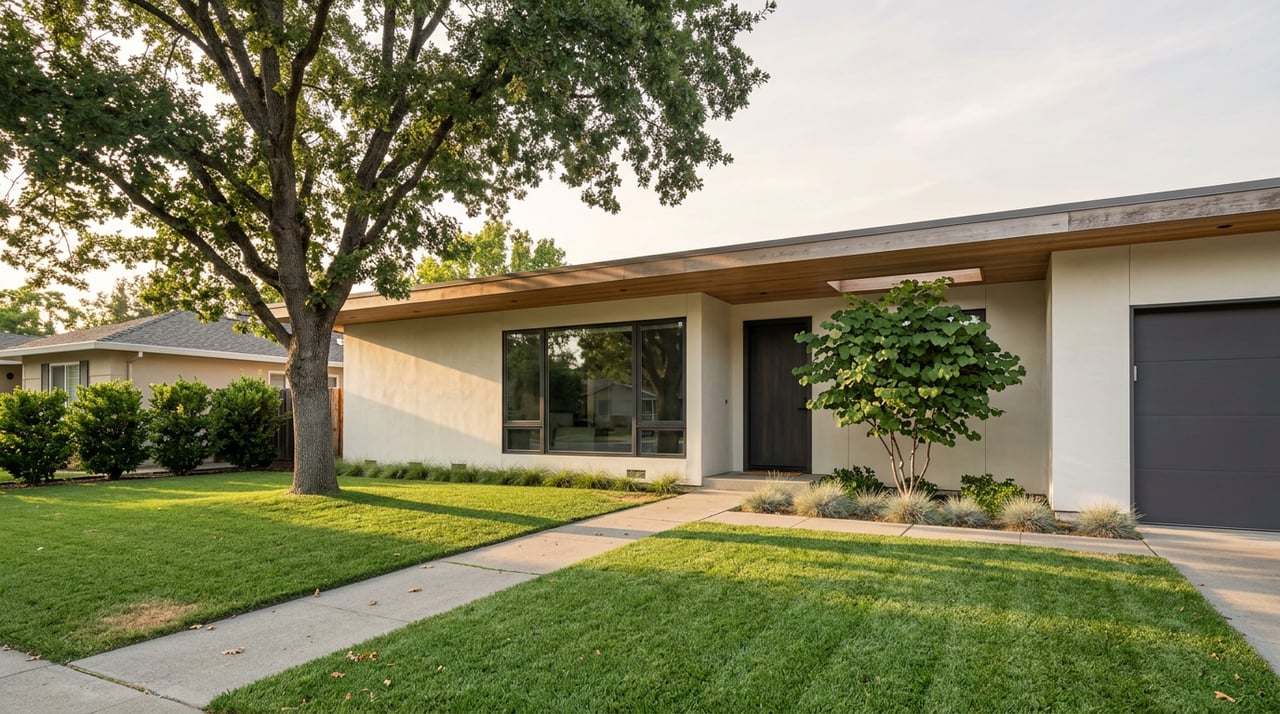
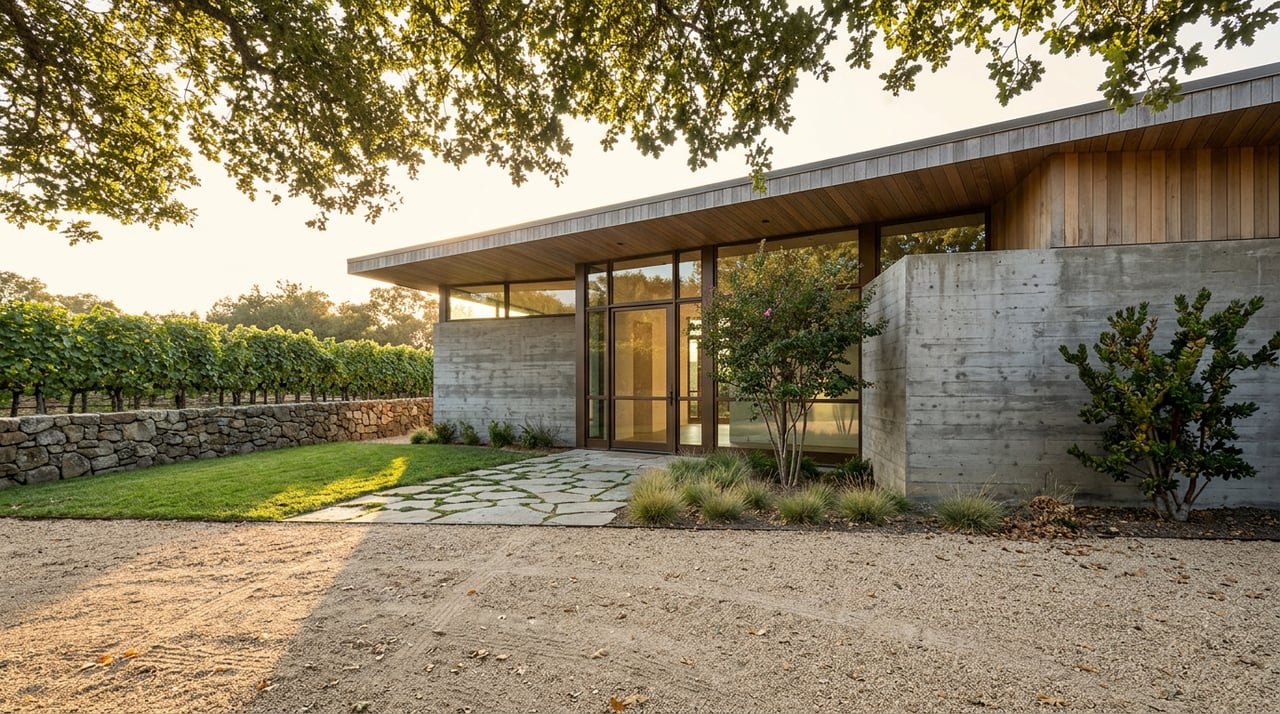
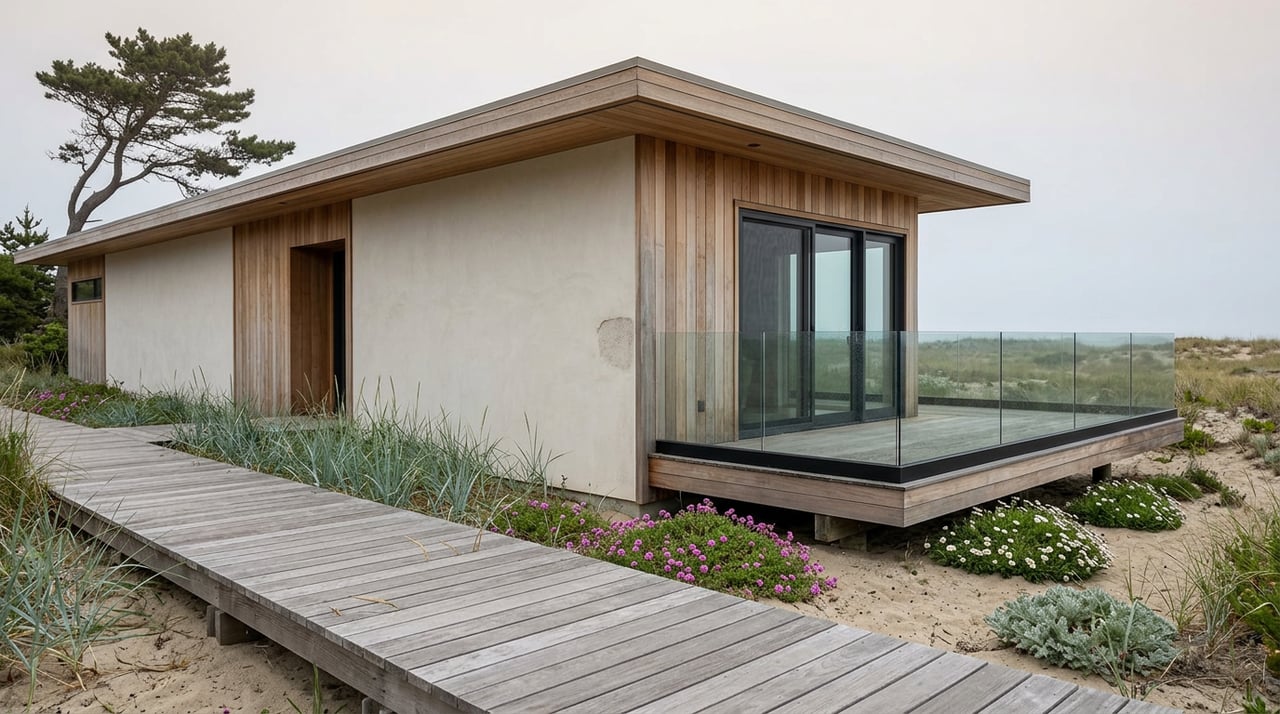
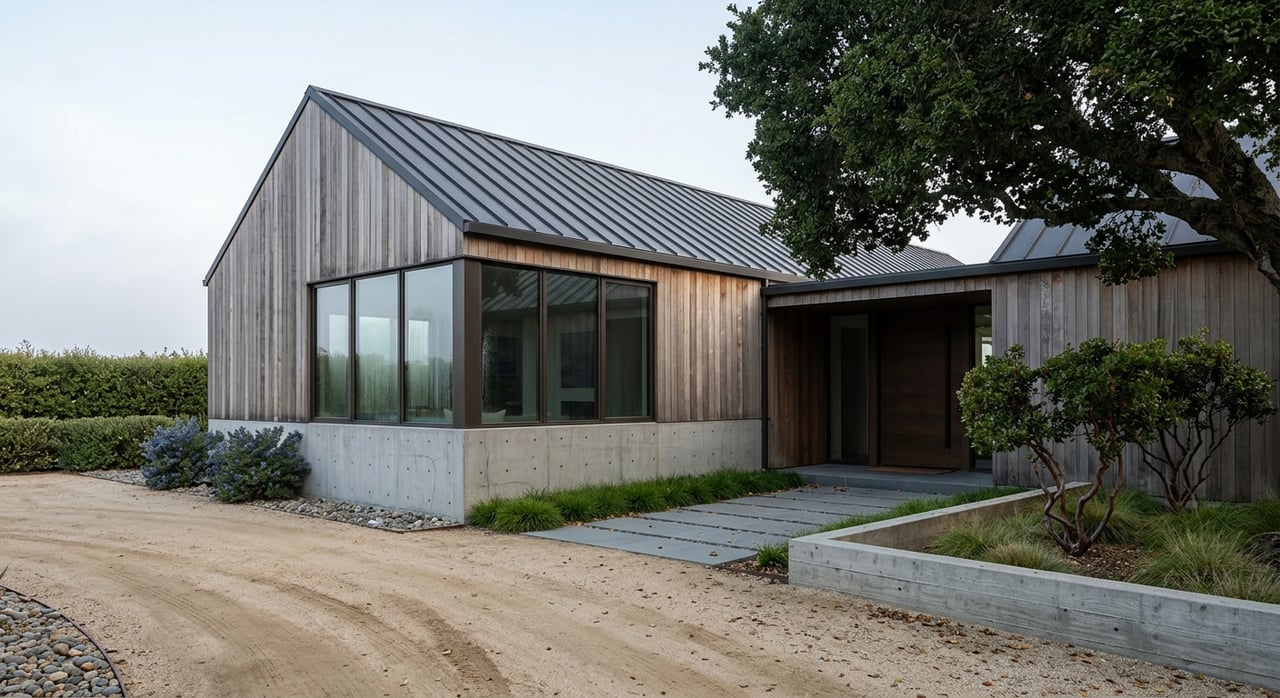
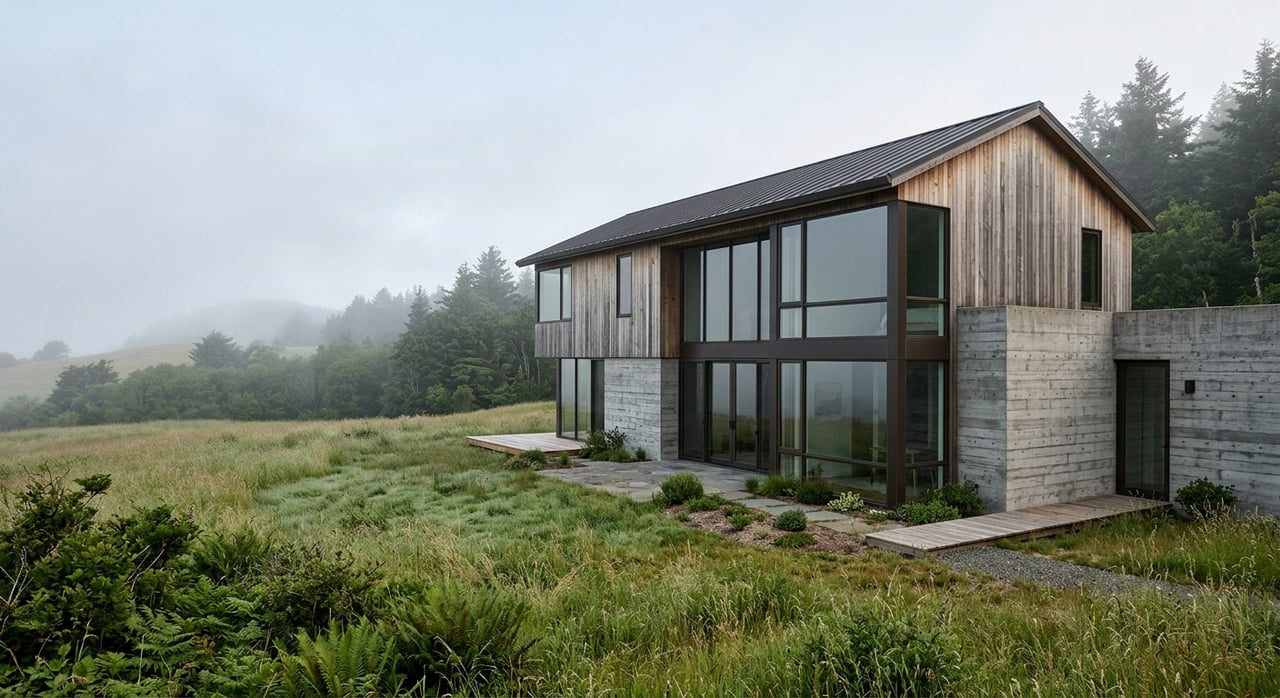
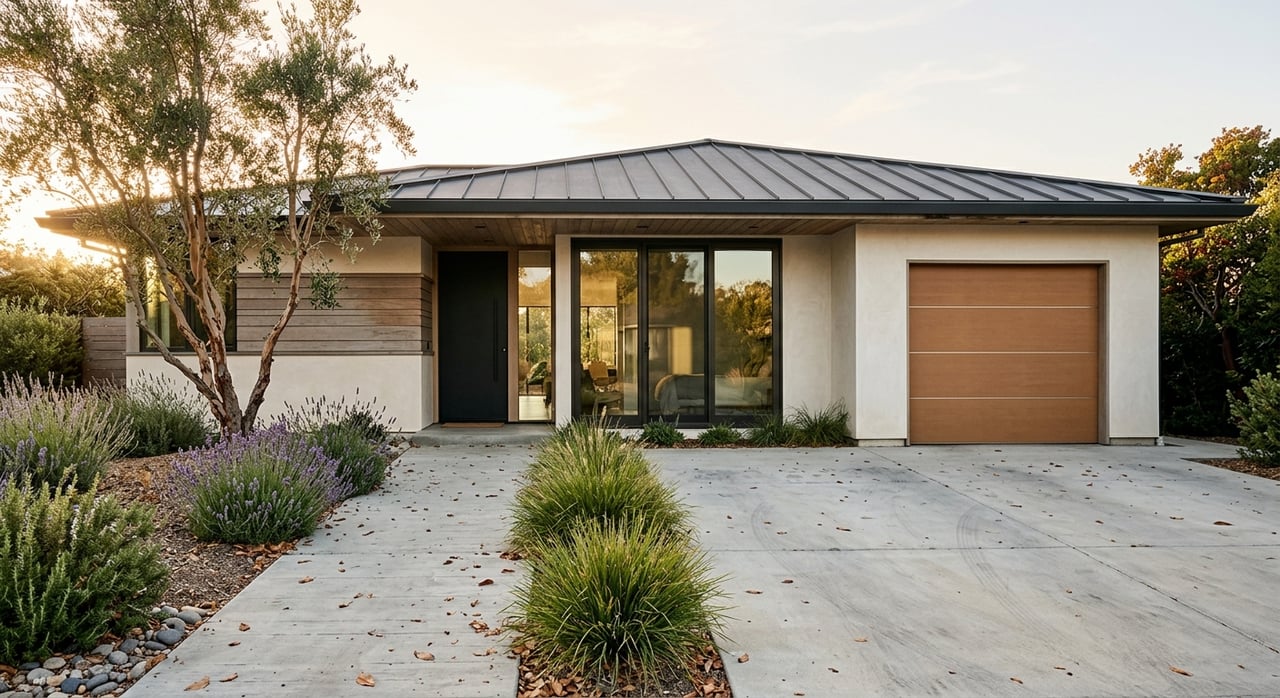
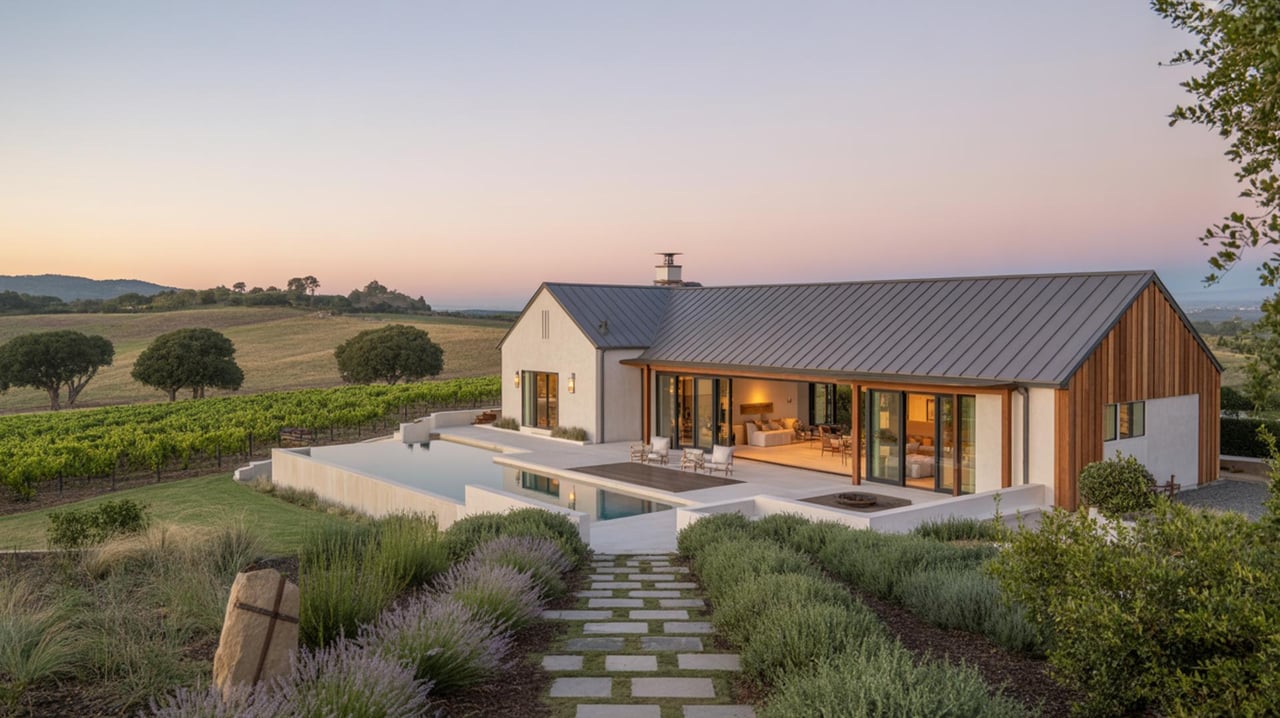
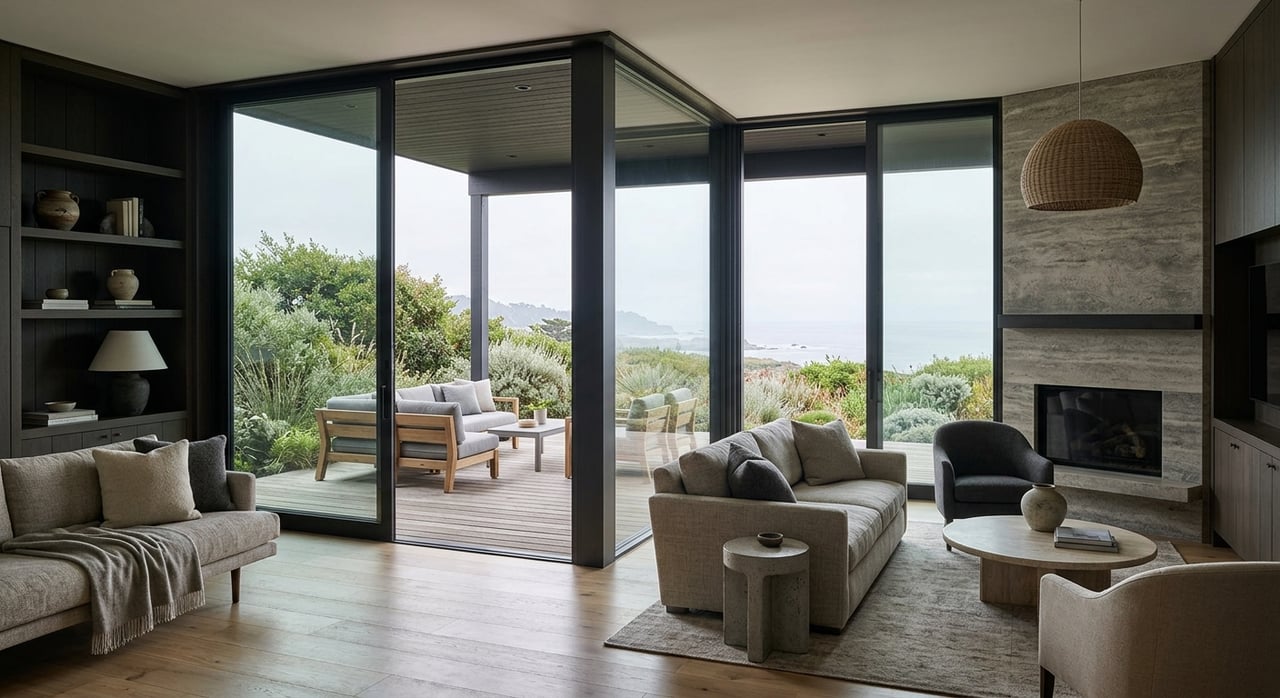
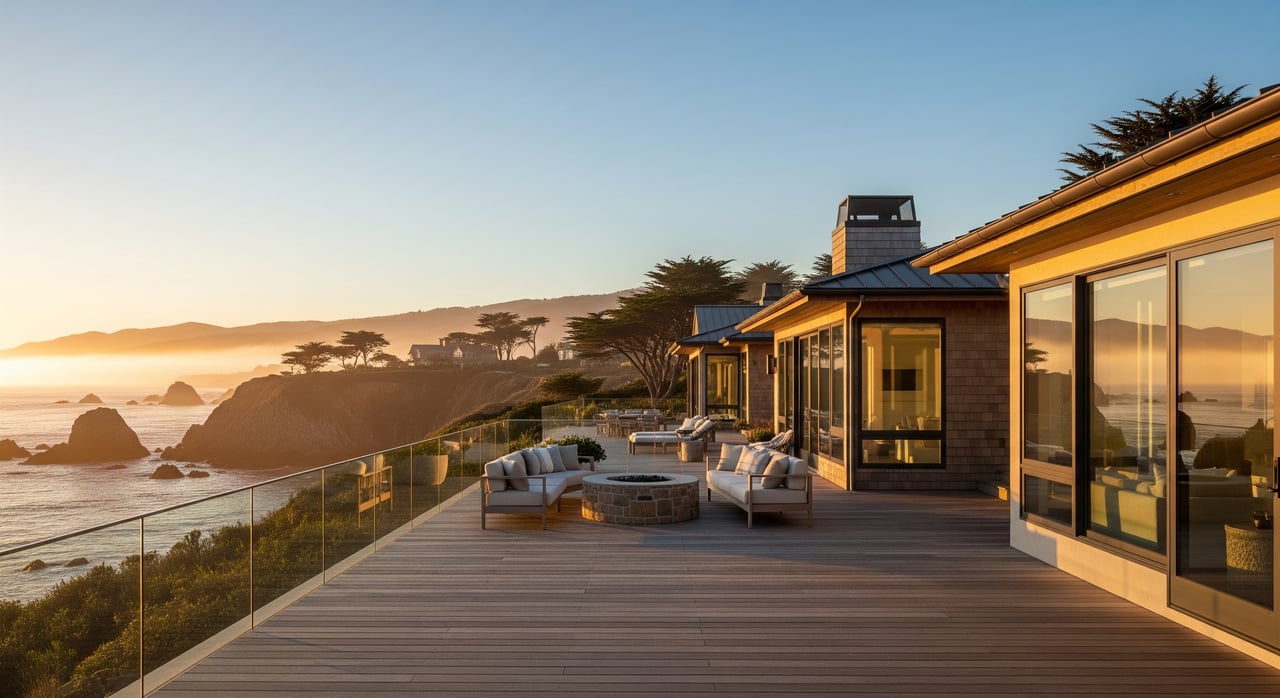
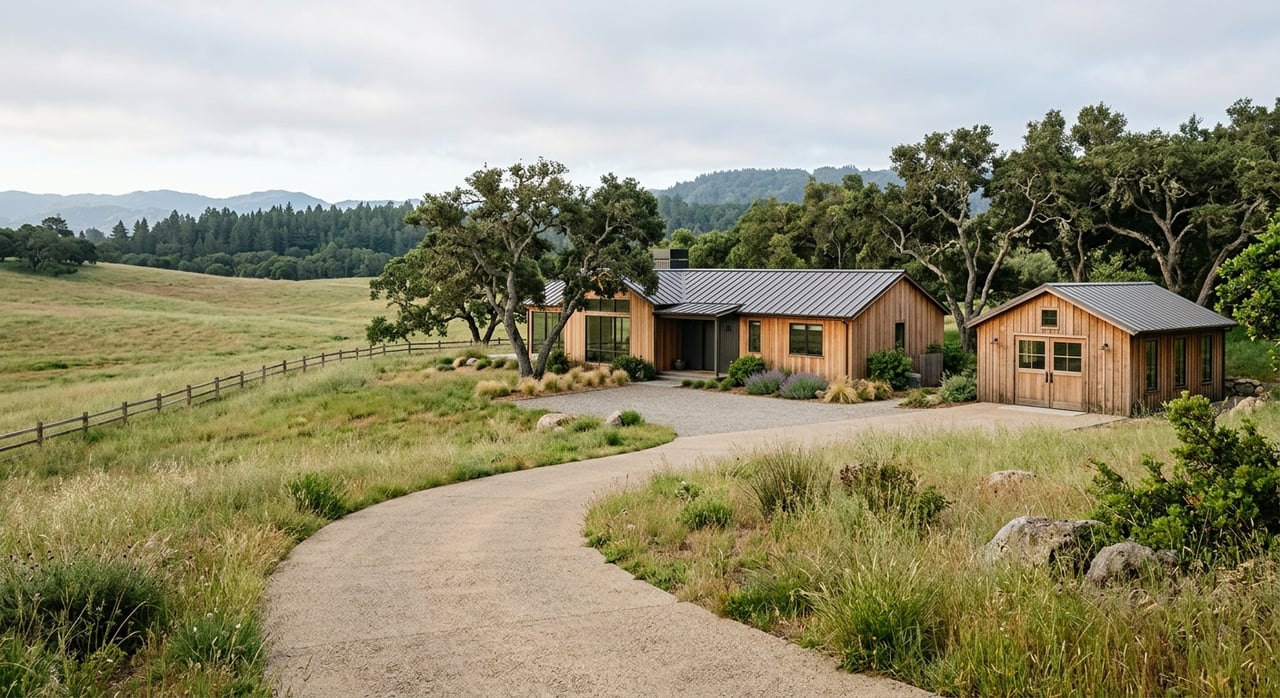
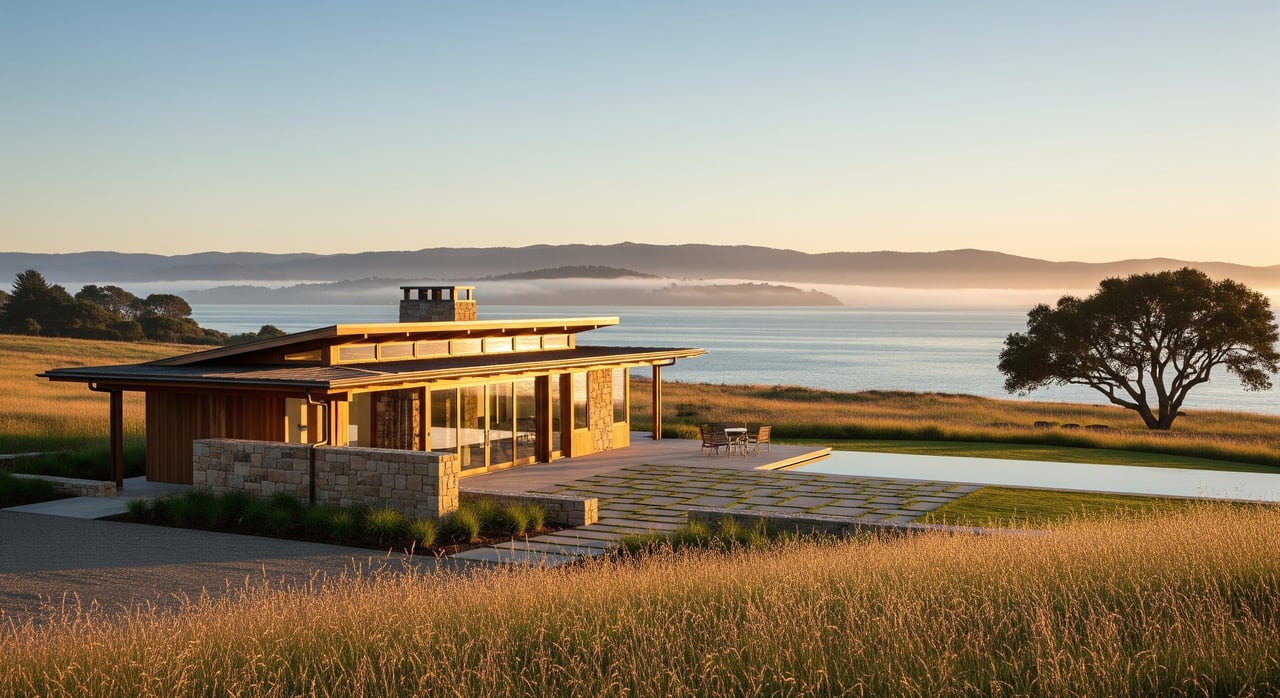
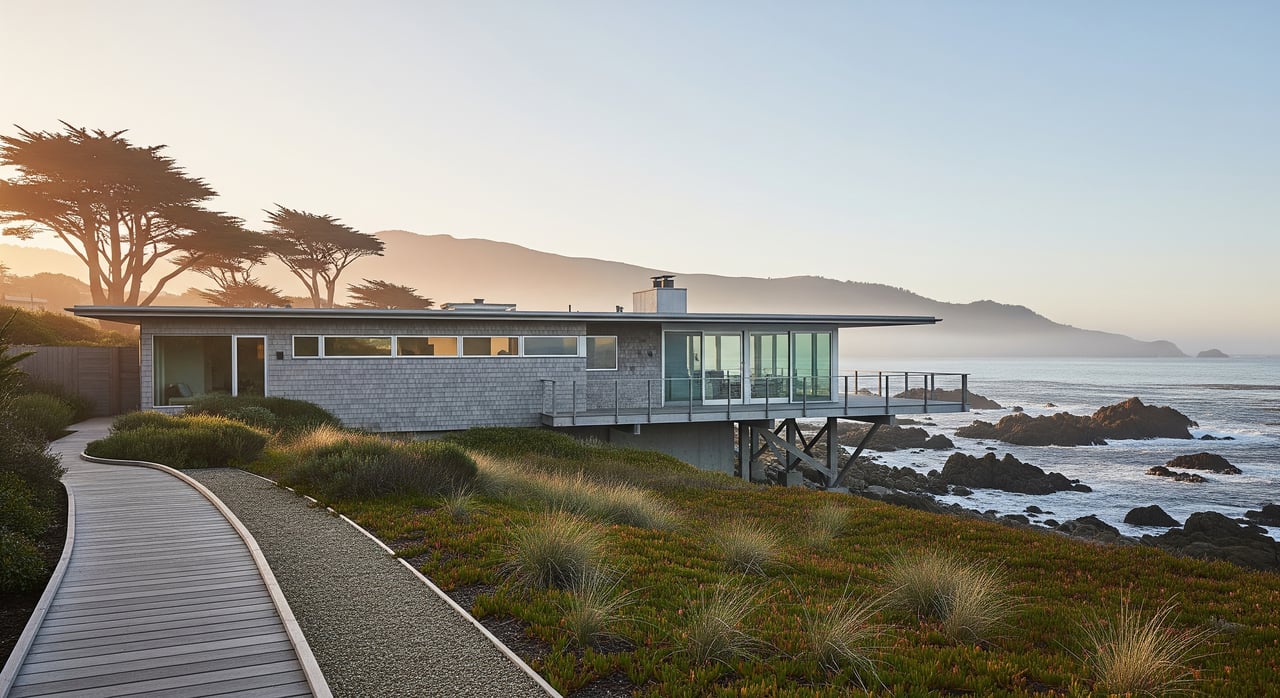
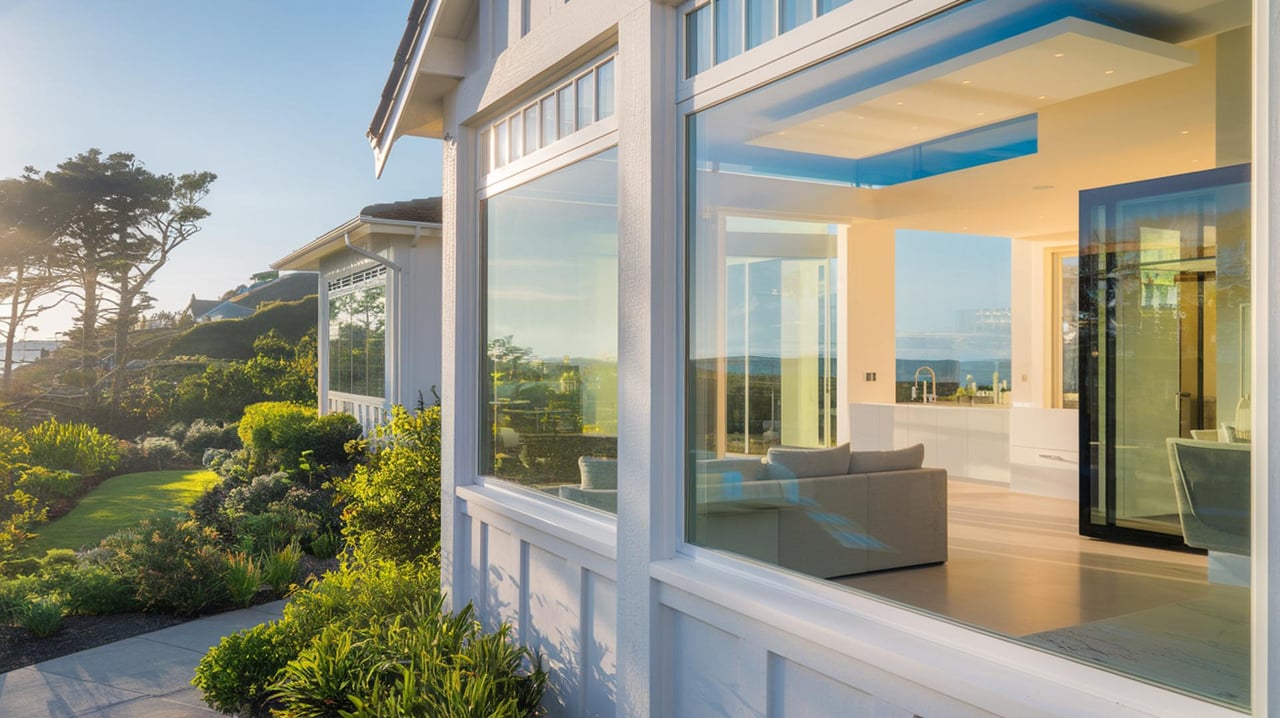
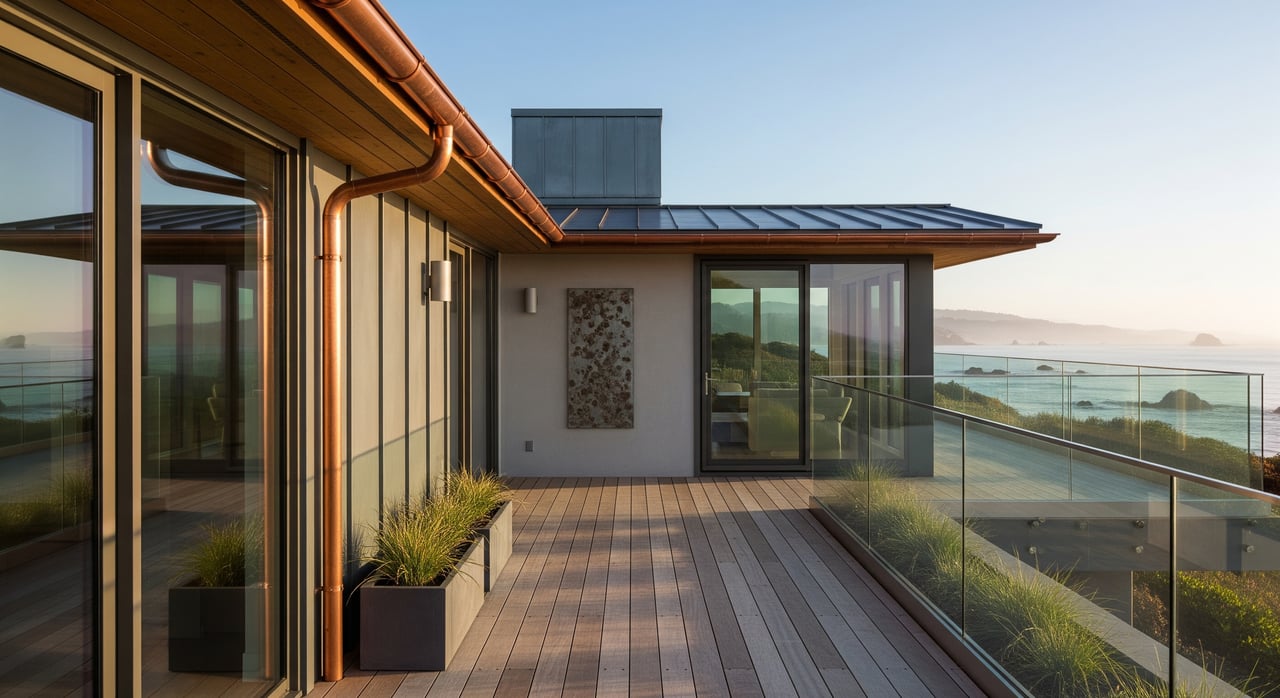
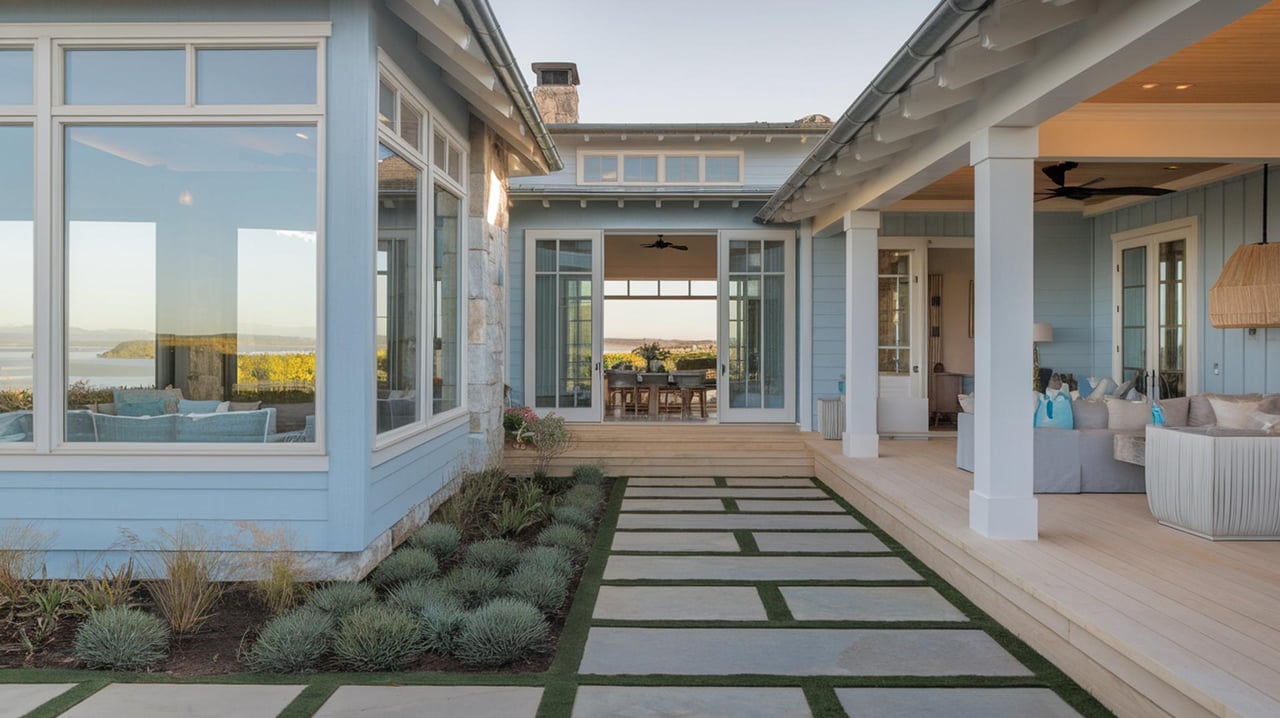
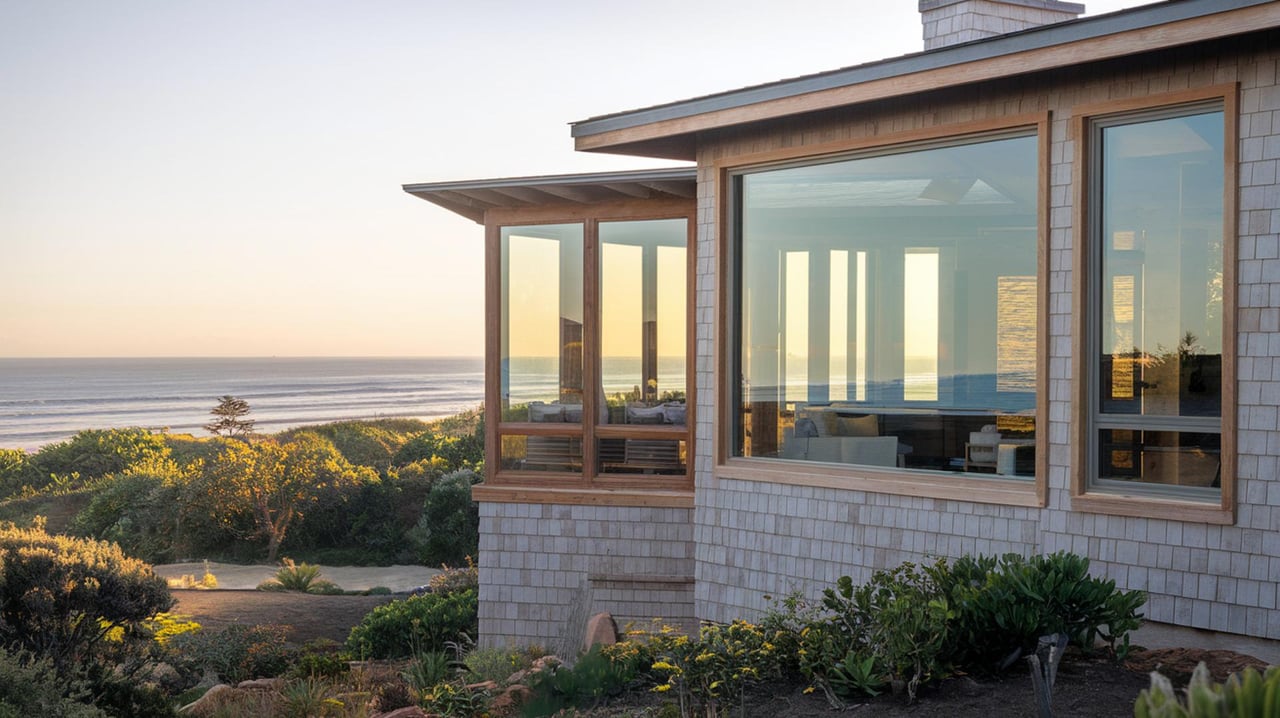
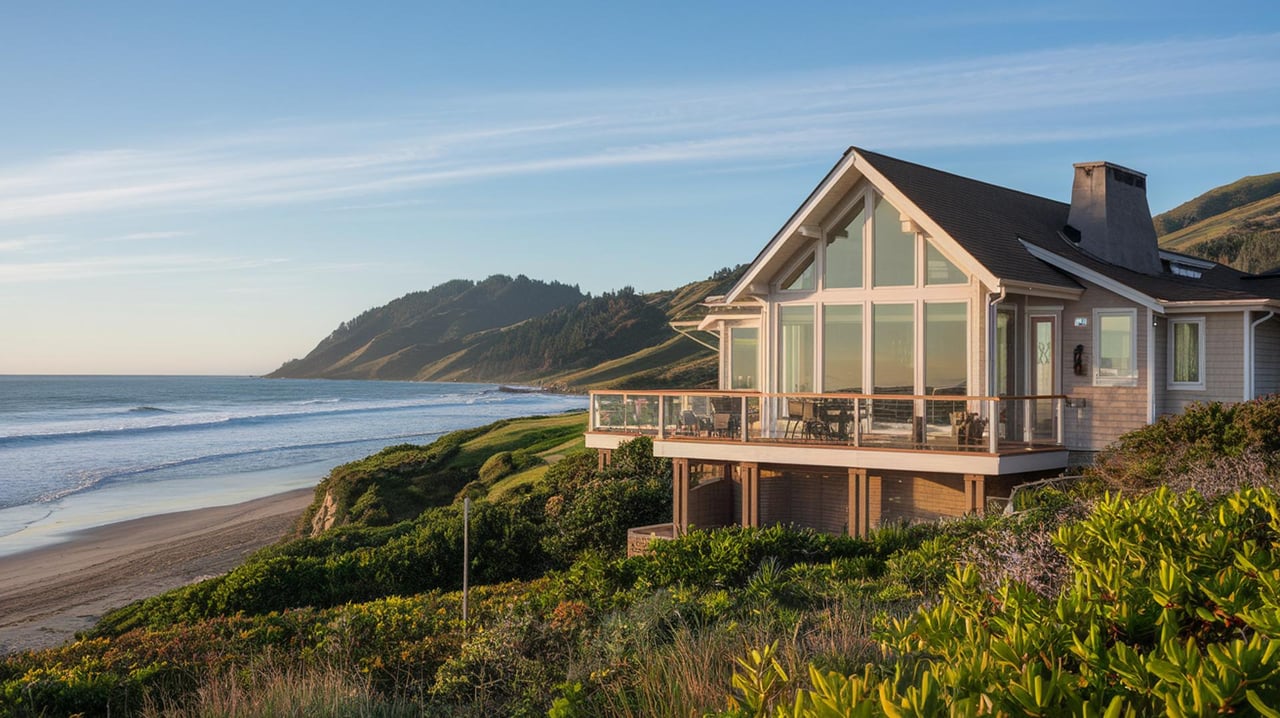
Sereno del Mar is a coastal subdivision north of Bodega Bay in Sonoma County. County planning documents describe it as highly visible from Highway 1, with large lots and homes that are generally one to one-and-one-half stories tall. That low-profile pattern is tied in part to the area’s 16-foot height limit.
For you as a buyer, that means the property’s future potential may depend as much on design controls as on the lot itself. A home, lot, or fixer may look straightforward at first, but the approval path can be more layered than in other neighborhoods.
Understand the Two Review Tracks
HOA Design Review
In Sereno del Mar, the subdivision’s design guidelines are contained in the CC&Rs and applied by the Sereno del Mar Design Review Committee. Sonoma County also states that new-home construction in Sereno del Mar is subject to architectural review by the homeowner’s association.
Just as important, county permit materials say evidence of HOA approval must accompany the county application for covered projects. That makes the HOA review a practical first checkpoint for many buyers planning exterior changes.
County Coastal Review
Sereno del Mar is also shaped by county coastal regulation. Sonoma County says development in the Coastal Zone requires a coastal permit, and county materials for coastal-zone second dwelling units show that additional permits may be required beyond a building permit.
The county’s local coastal framework also says community-specific design guidelines are used together with Coastal Design Guidelines, with the more restrictive rule controlling if there is a conflict. In plain terms, HOA approval does not replace county approval, and county approval does not replace HOA approval.
Why Buyers Should Care Early
If you are planning a remodel, addition, new home, or major landscape work, this two-track process matters before you close. A project that seems simple in concept may require HOA review, county coastal review, and supporting plans that affect cost and timing.
That is why early due diligence is so important in Sereno del Mar. When you understand the full approval path up front, you can make a better decision about fit, budget, and timeline.
Key Design Standards to Know
Height Limits and Massing
The county code sets a 16-foot residential height limit east of Highway 1 in the Sereno del Mar subdivision. The Sereno Del Mar Architectural Review Committee may approve a higher structure up to 24 feet in some cases.
This is one of the first items to study if you are considering an expansion or new build. The limit affects not only square footage planning, but also rooflines, upper-level design, and how a home sits on the lot.
Building Location and Grading
County planning documents summarize Sereno del Mar’s design guidelines as including specific building-location requirements. The same county summary references a maximum of 150 cubic yards of cut or fill per dwelling unit and states that benched cuts or fills are not allowed.
For buyers, this can affect whether a lot is as build-friendly as it looks. Slope, grading needs, and site layout can all influence what is realistic for construction or renovation.
Views, Screening, and Visual Compatibility
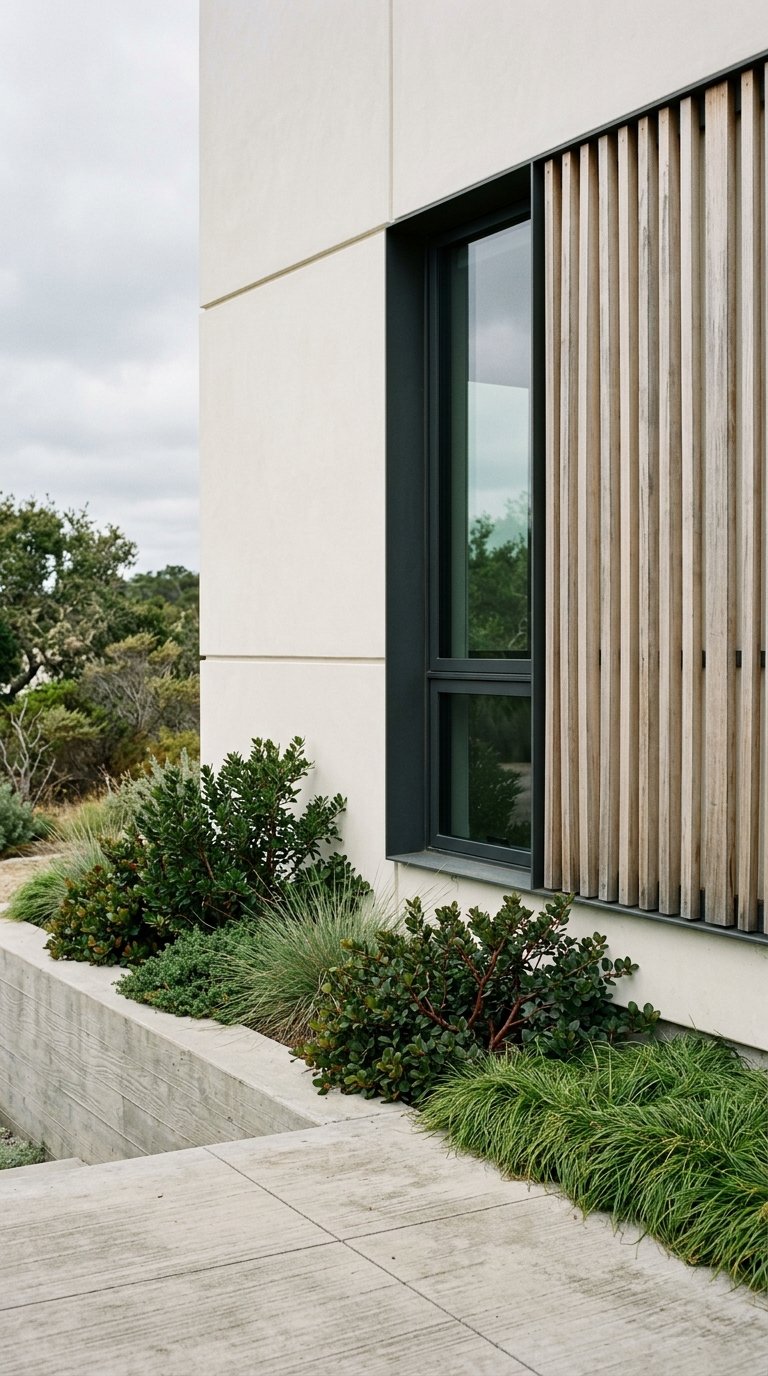
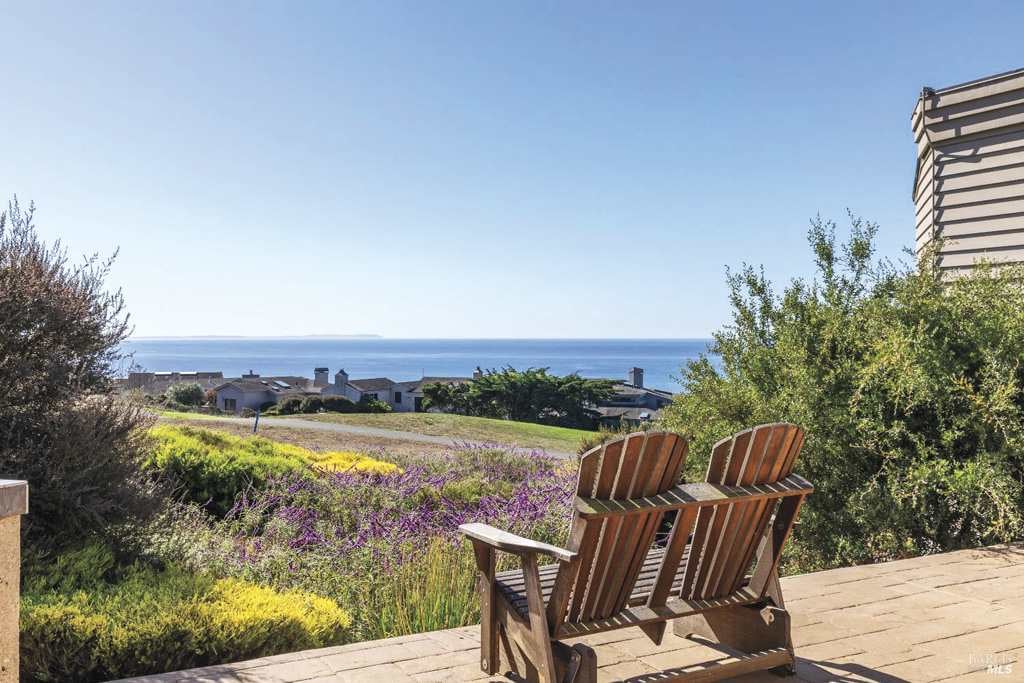
County materials describe Sereno del Mar as visually sensitive, with minimal landscaping used for screening and an open hillside character in many areas. They also note that some six-foot fences interrupt that feel, which helps explain the emphasis on view protection and visual compatibility.
County summaries also state that fuel or gas tanks may not be unsightly or impair views. Trees may not be of unusual height or density if they block views, and fences, walls, hedges, trees, and shrubs are limited where they would obstruct sight lines on corner lots.
Garage Limits
County planning summaries state that garages are limited to no more than three cars. That may not matter to every buyer, but it is worth noting if you are comparing homes based on storage, workshop needs, or future plans.
Site Conditions Can Affect What You Build
Water and Septic Matter Here
Sonoma County says water in Sereno del Mar is supplied by the Sereno Del Mar Water Company, while homes rely on septic systems for wastewater disposal. County coastal-plan materials also describe steep slopes, slowly draining soils, and seasonally high groundwater in the area.
Those same materials say many homes use non-standard mound OWTS systems because of those site conditions. For you, this means a project may be limited not just by design rules, but also by utility and site capacity.
Grading, Drainage, and Erosion Are Part of the Picture
County application materials show that site review can involve drainage planning, setbacks to septic systems and easements, tree inventories, and erosion-control measures during and after construction. On some lots, these items can become central to whether a design is workable.
That is especially true if you are buying with the intention to add square footage, move structures, or significantly alter the landscape. In Sereno del Mar, the site itself often plays a major role in what gets approved.
Landscaping Is More Than a Finishing Touch
Sonoma County’s low-water-use landscaping ordinance applies to new and rehabilitated landscaping in projects subject to county discretionary review, including common areas. That means landscaping may need to be evaluated alongside the home design, not after the fact.
In practical terms, screening, drainage, water use, and visual character can all connect. A landscape plan may be part of the project strategy from the start.
What to Request Before Removing Contingencies
If you are serious about a property in Sereno del Mar, ask for documents early. The goal is to confirm not just what exists today, but also what rules and approvals may affect future use.
Start with this checklist:
- Current CC&Rs
- Any design guidelines used by the HOA or design review committee
- Architectural review forms and submission requirements
- Any rule amendments
- Records of prior approval for existing improvements
- Confirmation of whether the parcel is in the Coastal Zone
- Confirmation of whether a coastal permit is required for your planned project
- Information showing whether prior exterior changes were HOA-approved and county-permitted
This step can be especially important if a home has been remodeled over time. You want clarity on what was approved, what was permitted, and what may need closer review later.
If You Want to Remodel or Build
Expect Detailed Submittals
The county’s coastal permit checklist shows that projects may require a detailed site plan, tree-retention and removal information, grading and drainage plans, and a water-service letter. If a home may be visible from Highway 1, the county may also require a visual assessment or story poles.
Depending on the proposal, biological-resource documentation and peer review of technical reports may also be required. That does not mean every project becomes highly complex, but it does mean you should not assume a simple approval path.
ADUs Need Special Attention
If you are hoping to add an ADU or second unit, Sonoma County says coastal-zone ADUs are handled as second dwelling units. County guidance states that these may require additional permits beyond the building permit, including coastal, use, zoning, and any needed water, sanitation, or grading approvals.
The county also makes clear that inland ADU rules do not apply in the coastal zone. If an ADU is part of your long-term plan, it is smart to confirm feasibility before moving forward with a purchase.
Smart Questions to Ask Before You Buy
The most helpful question is often the simplest one: what is the full approval path for this specific lot? In Sereno del Mar, the answer can vary based on visibility, topography, septic conditions, prior improvements, and the type of work you want to do.
Here are a few practical questions to ask your team:
- What approvals would be needed for my planned remodel, addition, or new build?
- Are there records showing prior HOA approval and county permits for existing exterior improvements?
- How do height limits affect this property’s expansion potential?
- Could septic, drainage, or grading conditions limit future plans?
- If the property is visible from Highway 1, would additional visual review likely apply?
- If I want an ADU or second unit, what permits would be required here?
When the answers are clear, you can move forward with more confidence. When they are not, that is often a sign to slow down and investigate further.
The Bottom Line for Sereno del Mar Buyers
Sereno del Mar can be a compelling choice if you value the Sonoma Coast’s open views, larger lots, and low-profile coastal character. But for many buyers, the bigger question is not only what you are buying today, but what you may be able to change tomorrow.
Because this community combines HOA design review with county coastal permitting, it pays to do your homework early. If you are considering a purchase in Sereno del Mar, Sonoma Coast Living can help you evaluate the property, the approval path, and the practical details that matter before you commit.
FAQs
What design review rules apply to buyers in Sereno del Mar?
- Buyers in Sereno del Mar should expect private design review through the subdivision CC&Rs and the Sereno del Mar Design Review Committee, along with county review for projects that require coastal or building permits.
What is the height limit for homes in Sereno del Mar?
- Sonoma County sets a 16-foot residential height limit east of Highway 1 in Sereno del Mar, although the Sereno Del Mar Architectural Review Committee may approve a higher structure up to 24 feet in some cases.
Do buyers in Sereno del Mar need both HOA approval and county permits?
- For many exterior projects, yes. County materials indicate that HOA approval may be required as part of the county application, and county coastal or building approval may still be needed even after HOA review.
What property constraints should buyers check in Sereno del Mar?
- Buyers should closely review septic capacity, grading, drainage, slopes, groundwater conditions, tree impacts, and parcel visibility, since these factors can affect what improvements may be approved.
Can buyers add an ADU in Sereno del Mar?
- Buyers should verify ADU feasibility carefully because Sonoma County treats coastal-zone ADUs as second dwelling units, which can require permits beyond a building permit, including coastal, use, zoning, and other related approvals.
What documents should buyers request for a Sereno del Mar property?
- Buyers should request the current CC&Rs, design guidelines, architectural review forms, rule amendments, prior approval records for improvements, and confirmation of coastal-zone status and permit history before removing contingencies.