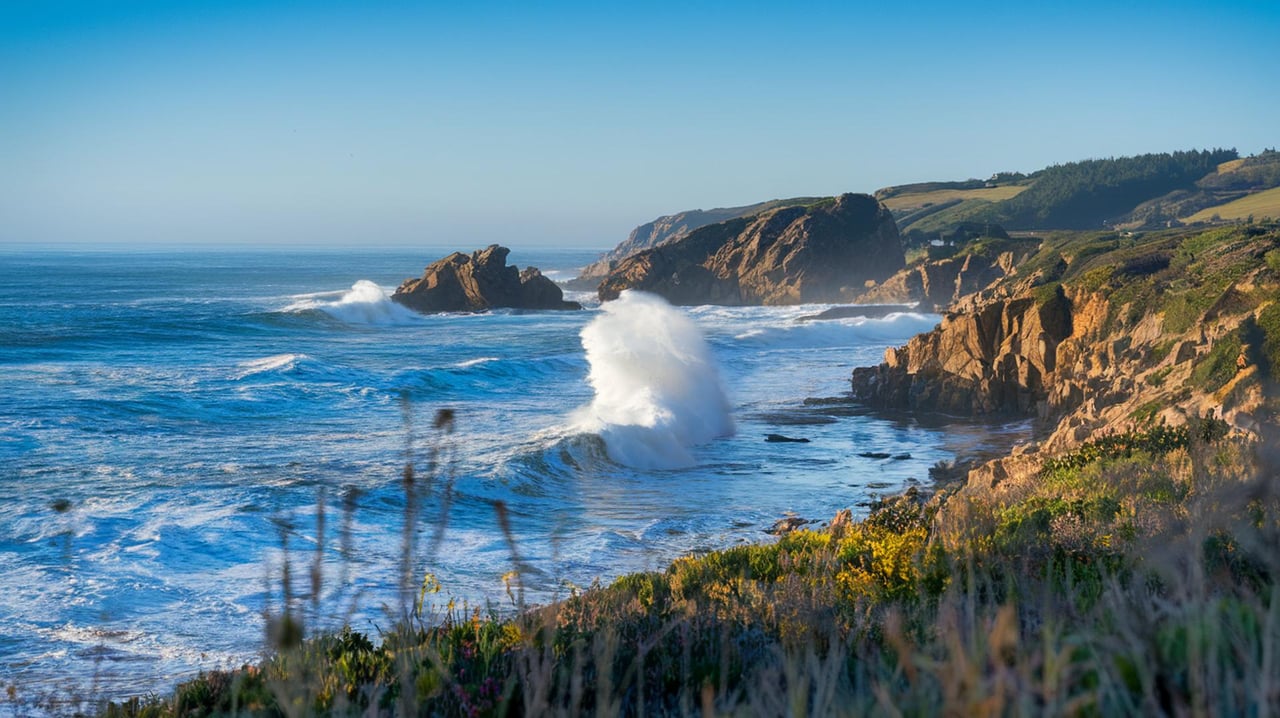
Most weekend guides to Jenner read like a postcard. The Russian River meets the Pacific, seals bask on a sand spit, a few restaurants sit above the water. All true, all useless if you actually live here. What visiting friends never understand, and what residents learn by the second August, is that Jenner is not a fixed picture. It is a set of conditions that change week to week: whether the sandbar is open, where the pups are hauling out, which kitchens are running full hours, and how the northwest wind is behaving on the estuary by two in the afternoon. Read those variables and a Saturday plans itself. Ignore them and you drive out for lunch to find the kitchen closed at 6:30 and the wind pushing your kayak sideways.
This is a resident's read on the next few weekends, built from what is actually happening on the water and in the kitchens right now.
Start With The Sandbar
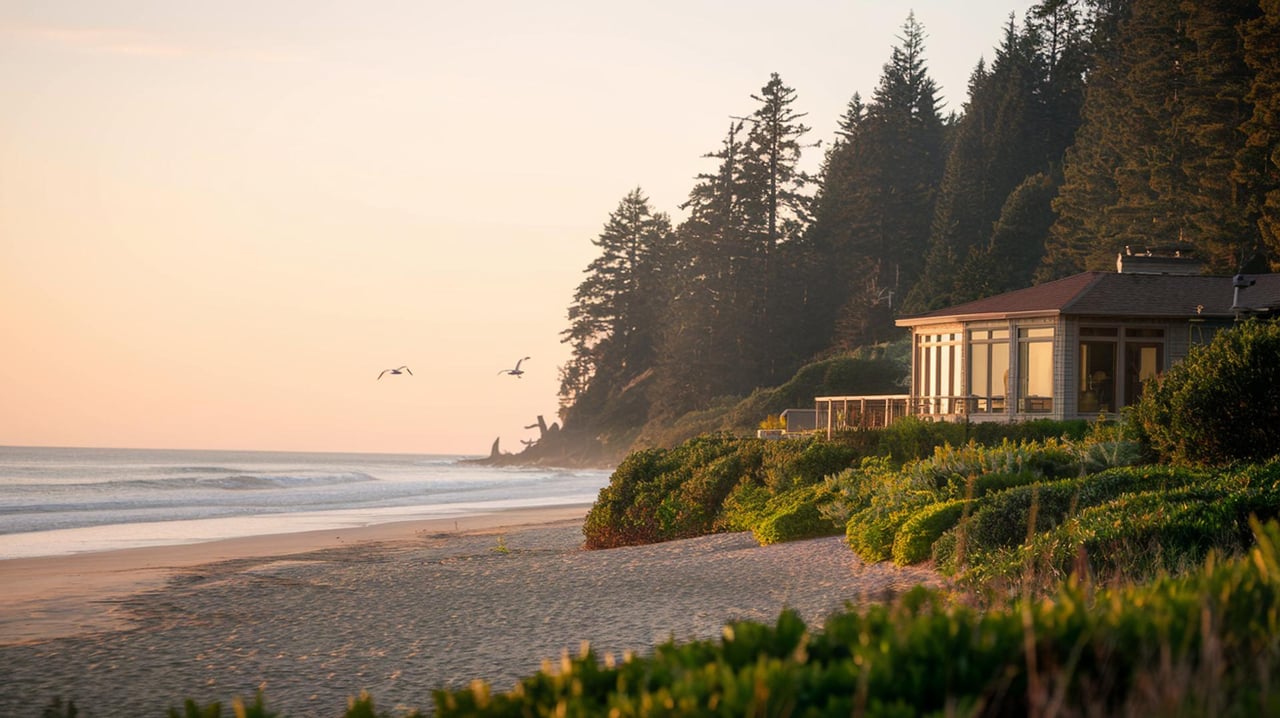
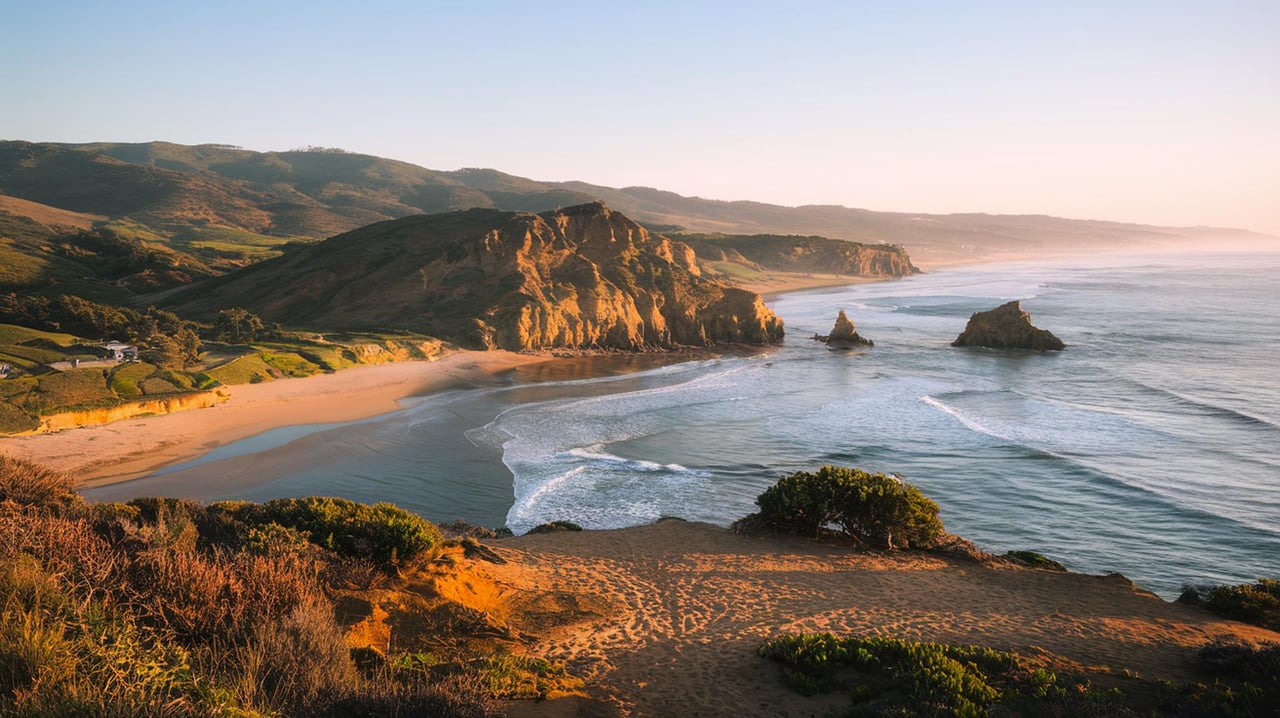
The stretch of water you can see from the Highway 1 pullouts is not a river in any usual sense. It is a tidal estuary whose personality depends on whether the sandbar at the mouth is open to the ocean or closed. When the bar closes, water backs up behind it. When it opens, ten miles of estuary flushes out toward Goat Rock.
Sonoma Water manages this on a permit stack that includes the U.S. Army Corps of Engineers, National Marine Fisheries Service, and the California Coastal Commission, and the current plan calls for mechanical breaching when the water surface level in the estuary is between 4.5 and 7 feet NGVD. In summer the pattern flips toward closure: the sandbar typically closes during spring, summer, and fall when river flows are relatively low and long-period waves transport sand landward, rebuilding the beach that winter waves removed.
Why this matters for a Saturday plan: a closed mouth means calmer, lake-like water for paddling and a broader, walkable spit for the seals. An open mouth means noticeable currents, cooler water, and a narrower haul-out. The USGS Highway 1 gage at Jenner is a public dataset you can pull up on your phone before you leave the house. It is more useful than any weather app.
The Pups Are Still On The Spit
August is the tail end of pupping season, which is precisely when residents stop paying attention and start assuming the show is over. It is not. The Sonoma County Tourism guidance is to stay 50 yards from the seals during pupping season, which runs March through August, and State Park Seal Watch Program docents can be found at Goat Rock on weekends during that window. Late-August pups are the fat ones, weaned or nearly so, and they are the easiest to photograph without disturbing a nursing mother.
A few things worth knowing that most weekend visitors do not:
- The Jenner rookery is one of the largest seal rookeries in Northern California, which is why the buffer is enforced by trained volunteers, not just posted signs.
- Because of the protected status of the seals, no dogs are allowed on Goat Rock Beach. If you are hosting out-of-town family with a dog, plan a different beach for that morning.
- The Seal Watch program is run by Stewards of the Coast and Redwoods in partnership with California State Parks, and the buffer they maintain is a legal one under the Marine Mammal Protection Act, not a suggestion.
The origin story is worth telling guests while you have the binoculars out. Local accounts trace the program to the 1970s, when a raw sewage release from the city of Santa Rosa into the Russian River caused the seals to abandon the Jenner rookery entirely, and they did not return until the water ran clear again. The colony you are watching today came back because a handful of Jenner residents refused to let it disappear.
Paddle With Someone Who Was Raised Here
If you have lived in Jenner for more than a year you already know Suki Waters by sight. If you have not walked into her shop lately, this is the summer to do it. WaterTreks has been renting kayaks since 2005 and running guided tours since 1999, and the operation sits at 10440 Highway 1 directly across from Cafe Aquatica.
Two things about the timing. Rentals remain open daily through September, and Fridays through Sundays throughout the rest of the year, weather and water permitting. And the local wind pattern is not what visitors expect: northwest winds blow out the estuary, meaning a paddle that felt easy at ten in the morning turns into a shoulder workout by mid-afternoon. Residents launch early for a reason.
Suki's own take on winter closures is a useful thing to hear from a paddler, not a portal. She has described the mouth closing a "crazy" number of times some winters, with combinations of low river flow and heavy wave action keeping the sandbar sealed shut. When she calls to cancel a reservation because the estuary is behaving strangely, she is not being cautious. She is reading conditions that the rest of us cannot see from Highway 1.
For hosting purposes, the estuary loop around Penny Island is the right call for anyone new to a kayak. No shuttle, two to six hours depending on how much you linger, and a real chance of seeing river otters and harbor seals from the boat.
Four Tables, Four Different Weekends
The single most common mistake residents make when hosting is treating Jenner's restaurants as interchangeable. They are not. Each of them solves a different weekend problem, and the hours have shifted enough in 2026 that even long-time locals should recheck before driving over.
| Where | What It Solves | 2026 Notes |
|---|---|---|
| River's End (11048 CA-1) | Sunset dinner with out-of-town family who want the postcard view | Operating as River's End since 1927, on a bluff overlooking the Russian River entering the Pacific; dinner Monday through Friday from 5 pm, with lunch service added Saturday and Sunday from noon |
| Cafe Aquatica (10439 Hwy 1) | Coffee and a sandwich before or after a paddle; the shop is directly across from WaterTreks | Order-at-the-counter, outdoor tables perched over the estuary, sandwiches and salads often incorporating locally caught fish and seafood |
| Jilly's Real Food Roadhouse (9960 Hwy 1, Bridgehaven) | The burger-and-a-view lunch that residents actually keep going back for | Named to Sonoma Magazine's 25 best burgers list in 2025 and 2026; kitchen closes at 6:30 pm; closed Tuesday and Wednesday |
| Jenner Inn Cafe | Breakfast on a foggy morning, or clam chowder any time | Open for breakfast and lunch daily from 8 am until 3 pm, under Chef Julian Vasquz, a classically trained chef who moved to Jenner for the coast; menu runs from gourmet Caesar dressing to clam chowder to soft-shell crab |
The Jilly's story is the one worth telling. The roadhouse reopened on Valentine's Day 2026 after an outpouring of support from the community, which is the kind of thing you only know if you were here for the closure. If you have not been back since the reopening, the menu has changed, the hours are tighter than they used to be, and Jill Lippitt is running the room with the same from-scratch approach as before. Reserve. The dining room is small.
One practical footnote for evening plans. Jilly's closes the kitchen at 6:30 pm but keeps the dining room and patio open for another hour for people to linger. That extra hour, with a beer on the dog-friendly patio watching the estuary go gold, is the closest thing Jenner has to a happy hour.
One Stop Most Residents Skip
Seagull Gifts has been in the same spot for as long as anyone can remember. If you have not walked in since your kids were small, walk in again. It is where you send visiting family for the tide chart, the local wildlife book, and the shell that becomes the souvenir. It is also, quietly, one of the few places in town where you can ask a real person what the estuary has been doing this week and get an answer that is not filtered through Yelp.
The Jenner Visitors Center at 10451 Highway 1 is the other undersung stop. It is open weekends in winter, and during the week and weekends in summer, and the docents there are the same volunteer network that staffs the seal watch. If you have out-of-town guests who want context before they walk to Goat Rock, twenty minutes at the visitor center is more useful than an hour of Googling.
The Small Read That Makes The Weekend
The residents who love living in Jenner the most are the ones who have learned to check three things before Saturday morning: the estuary gage, the WaterTreks weather note, and whichever kitchen they were planning to hit that night. Ten minutes of reading, and the day builds itself around water conditions instead of fighting them.
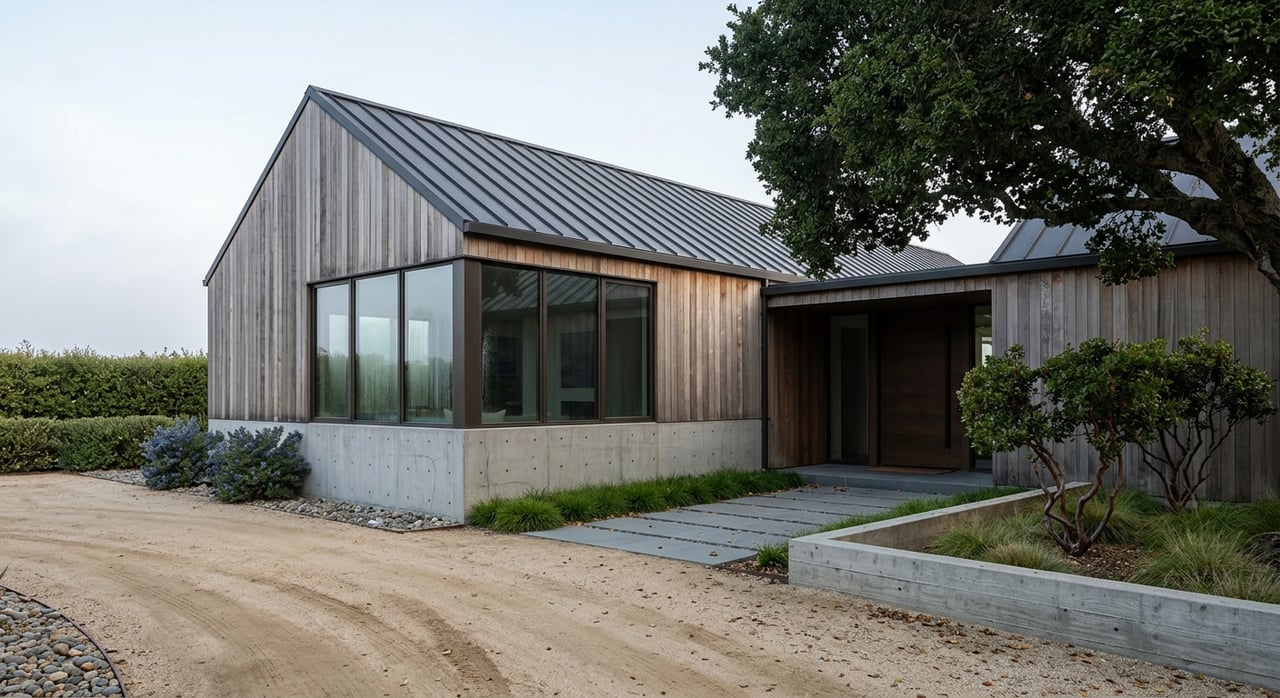
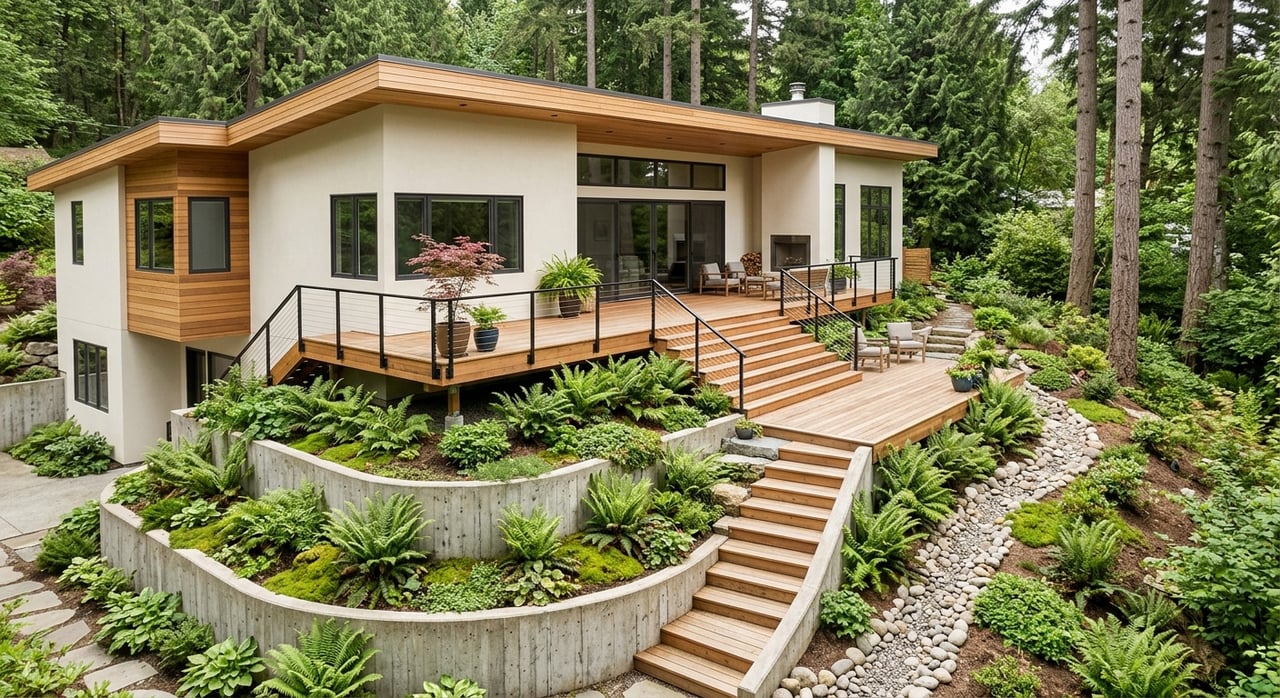
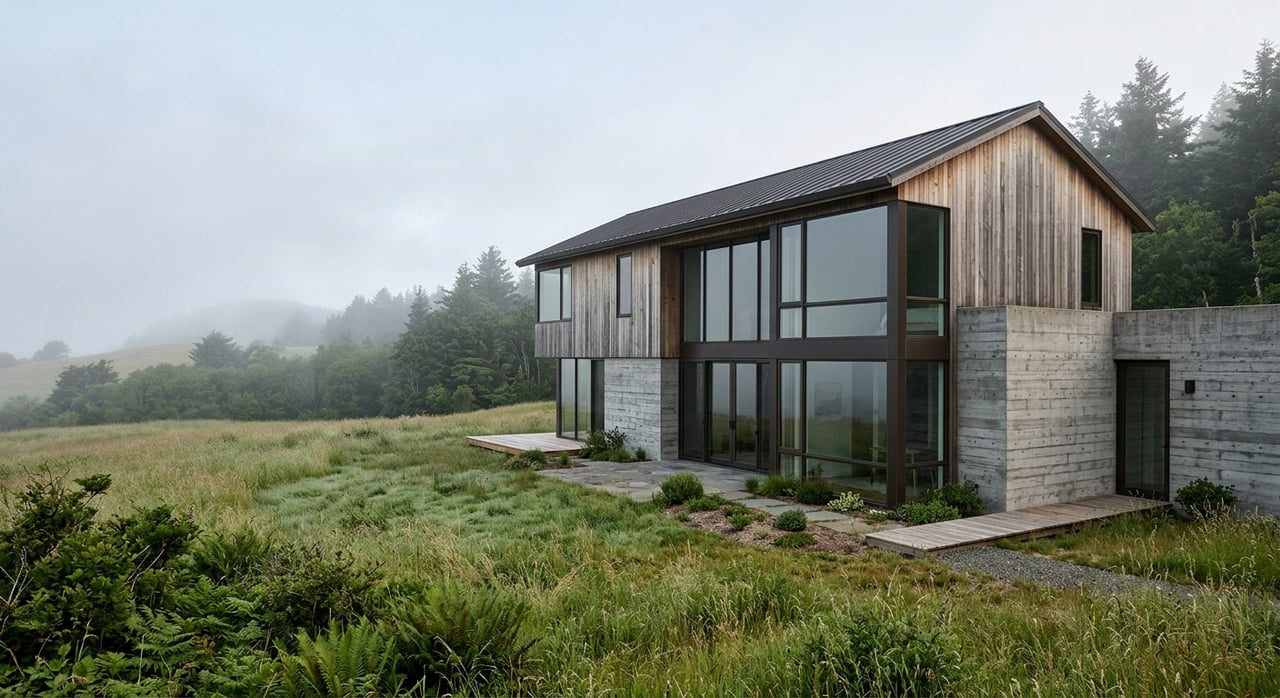
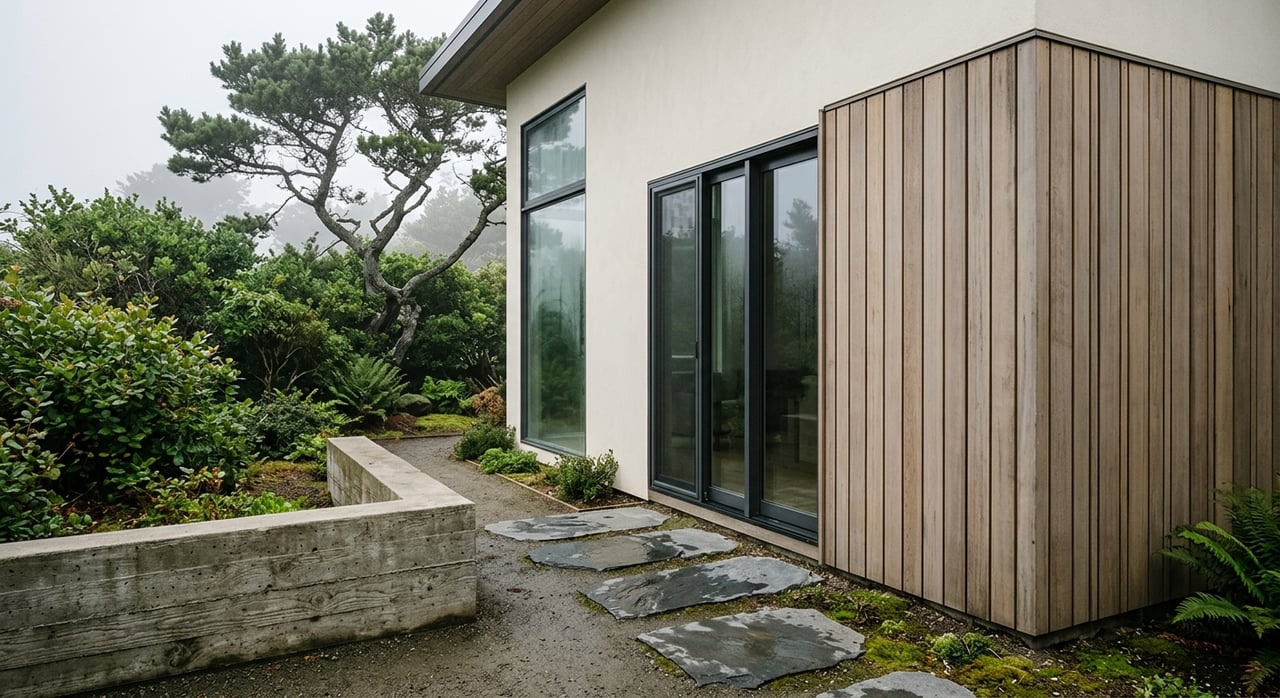
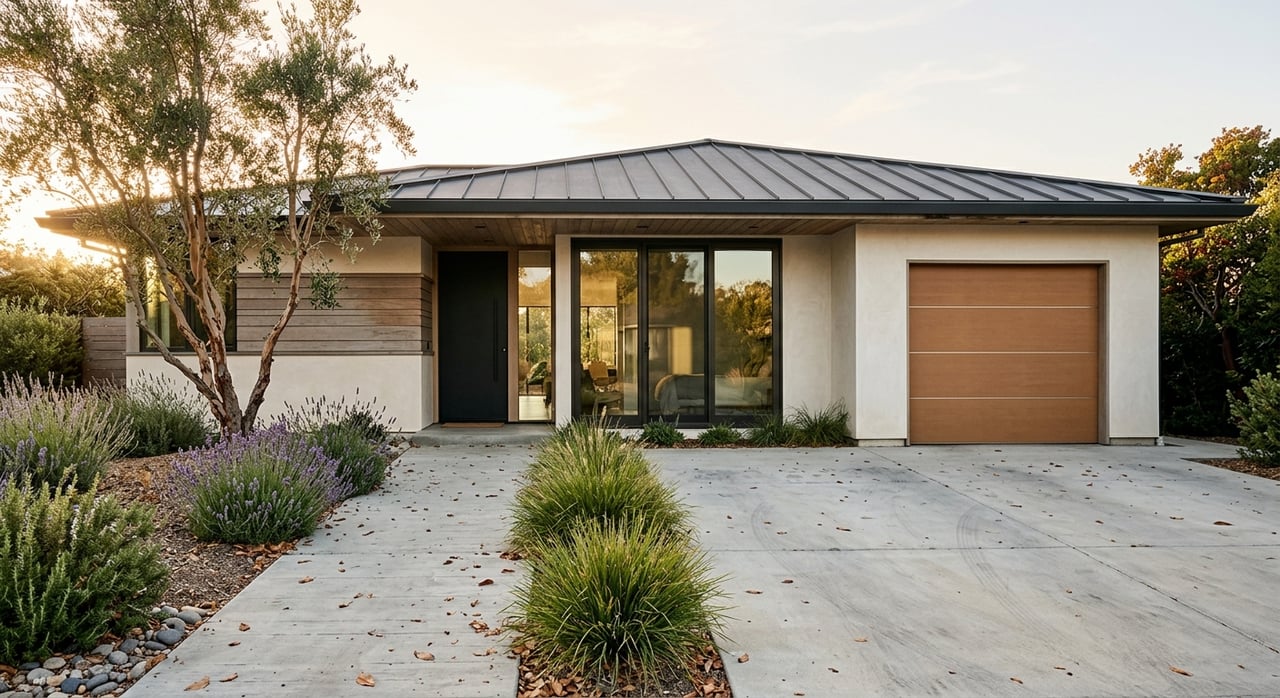
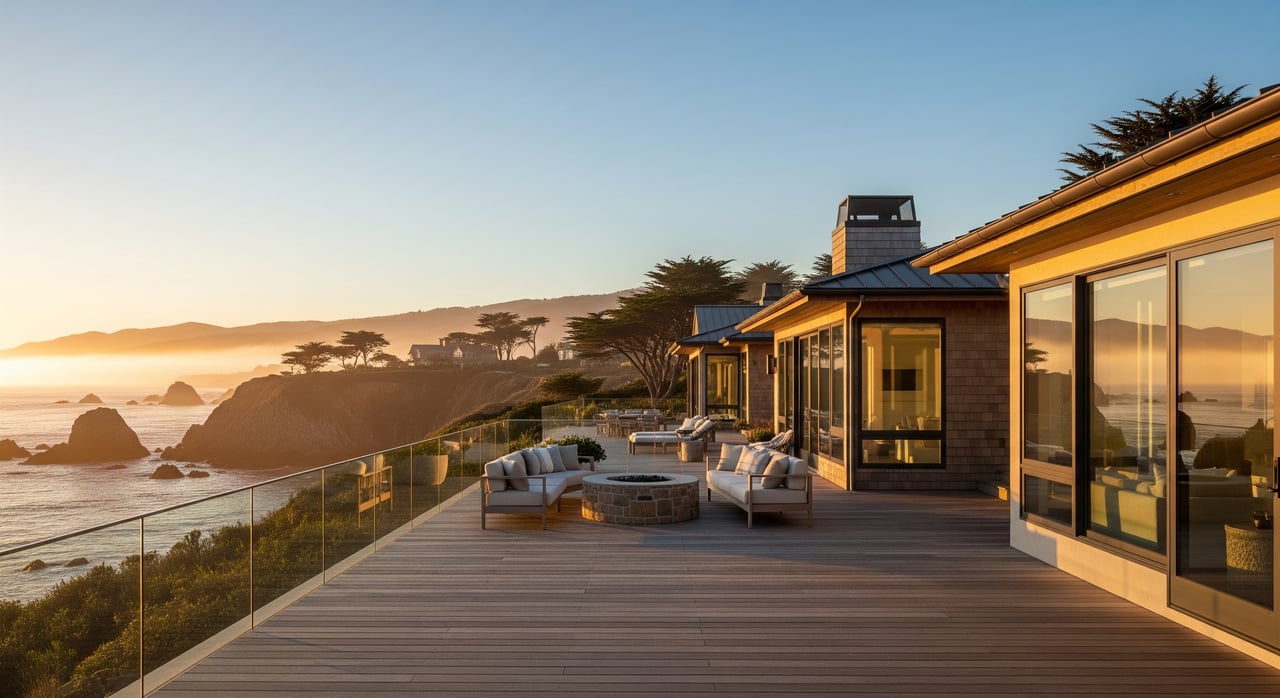
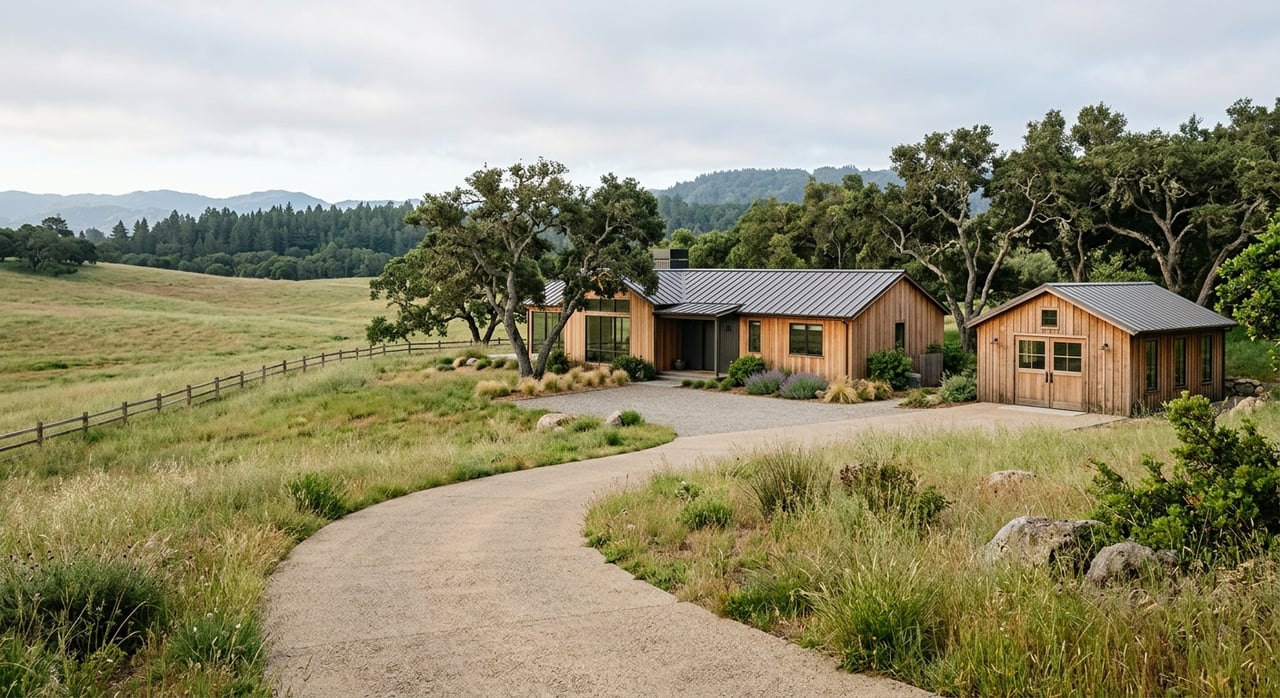
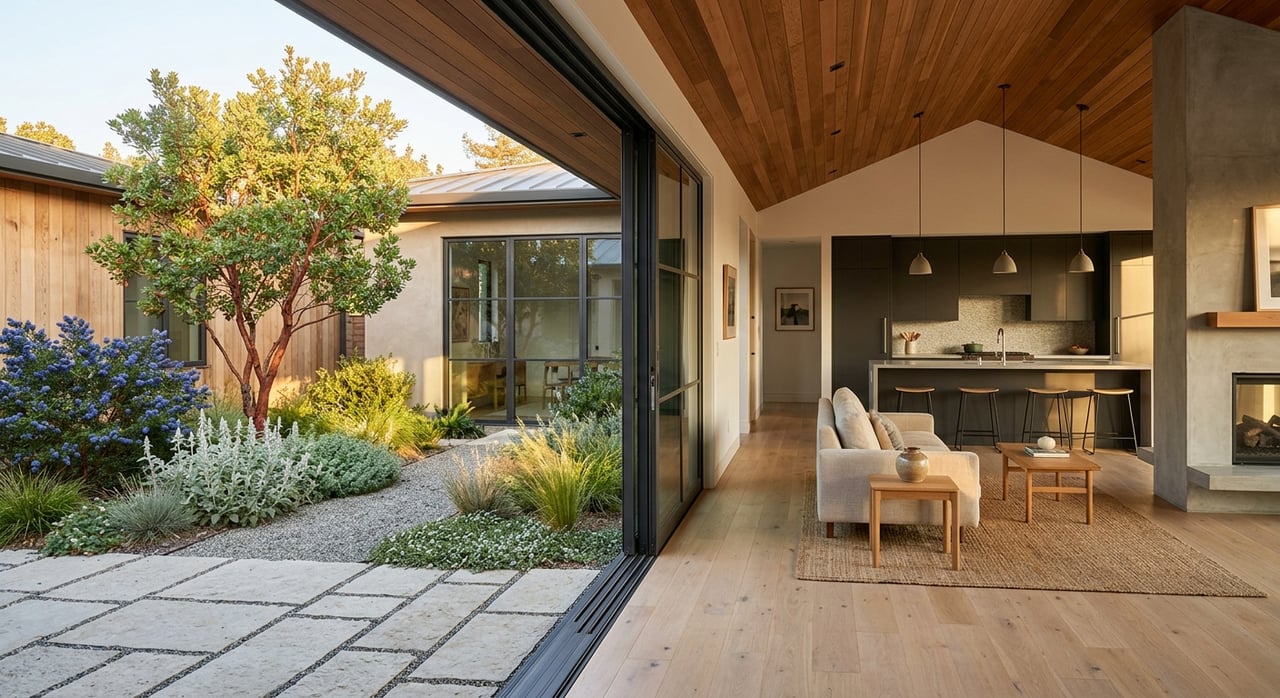
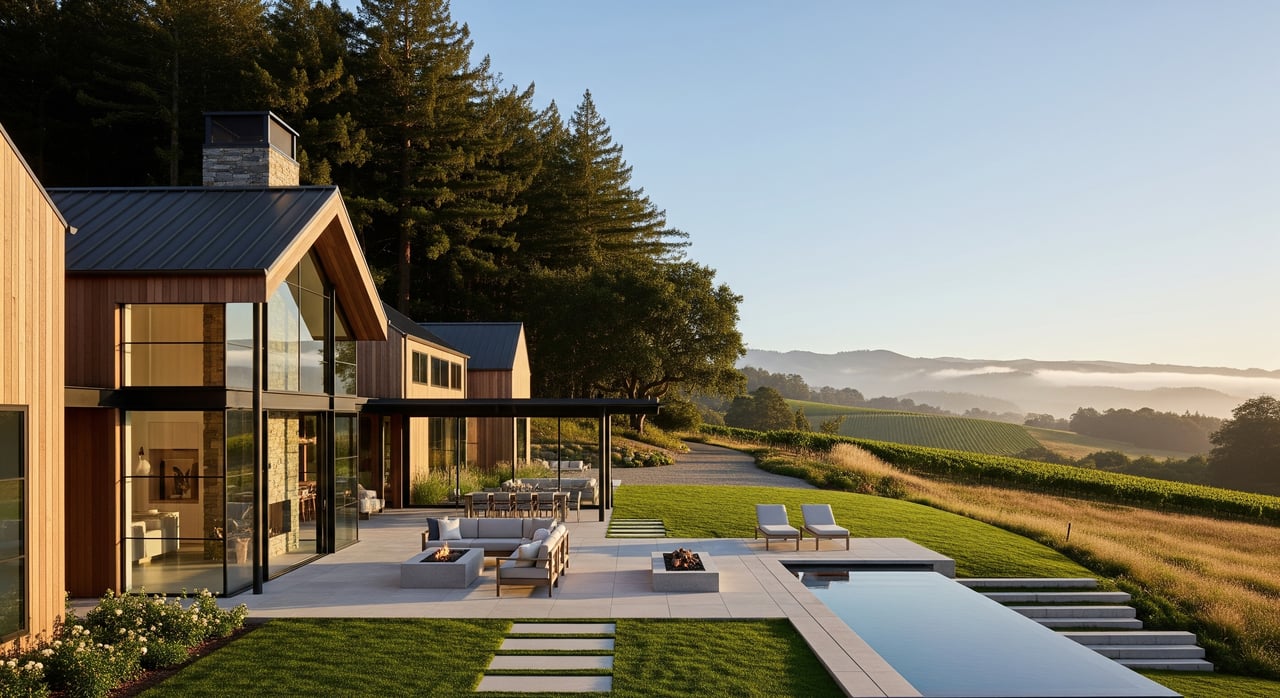
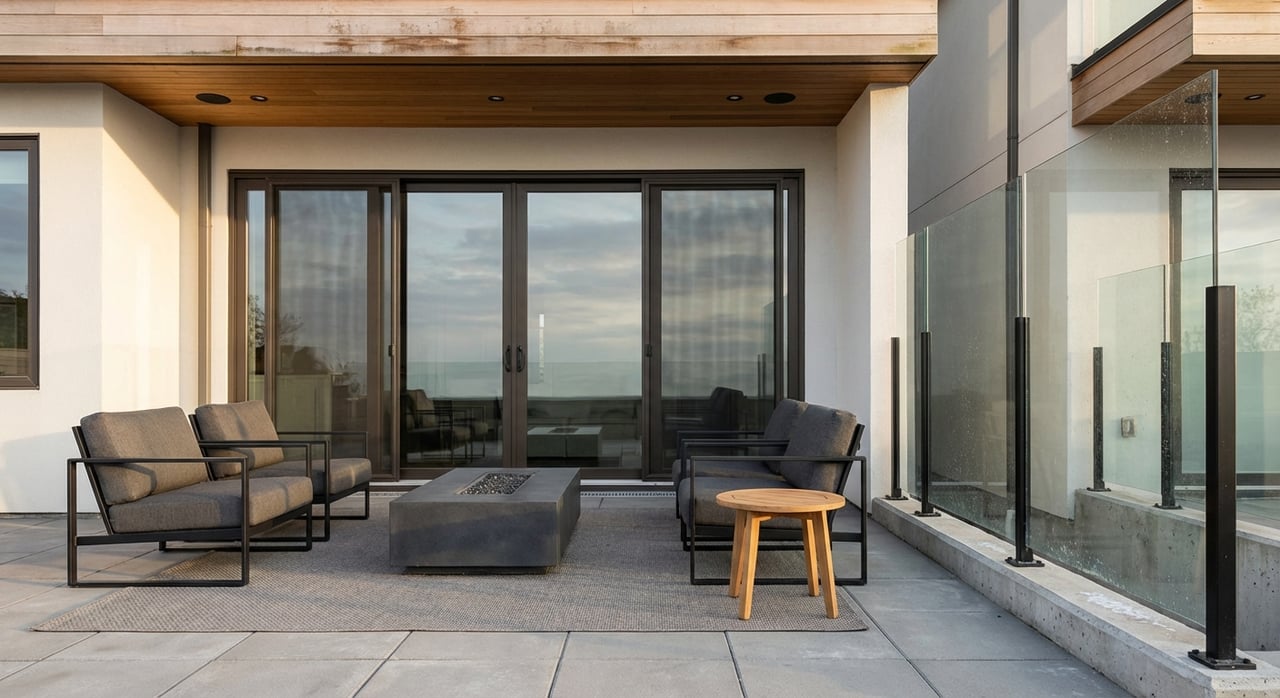
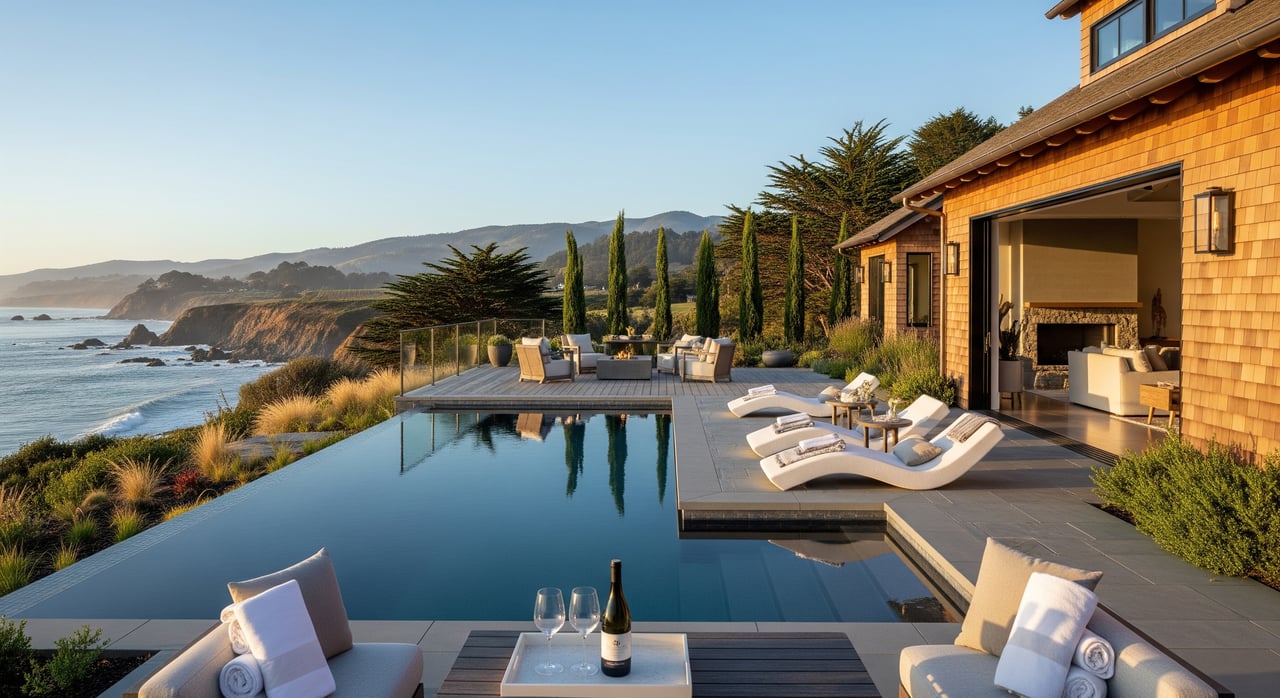
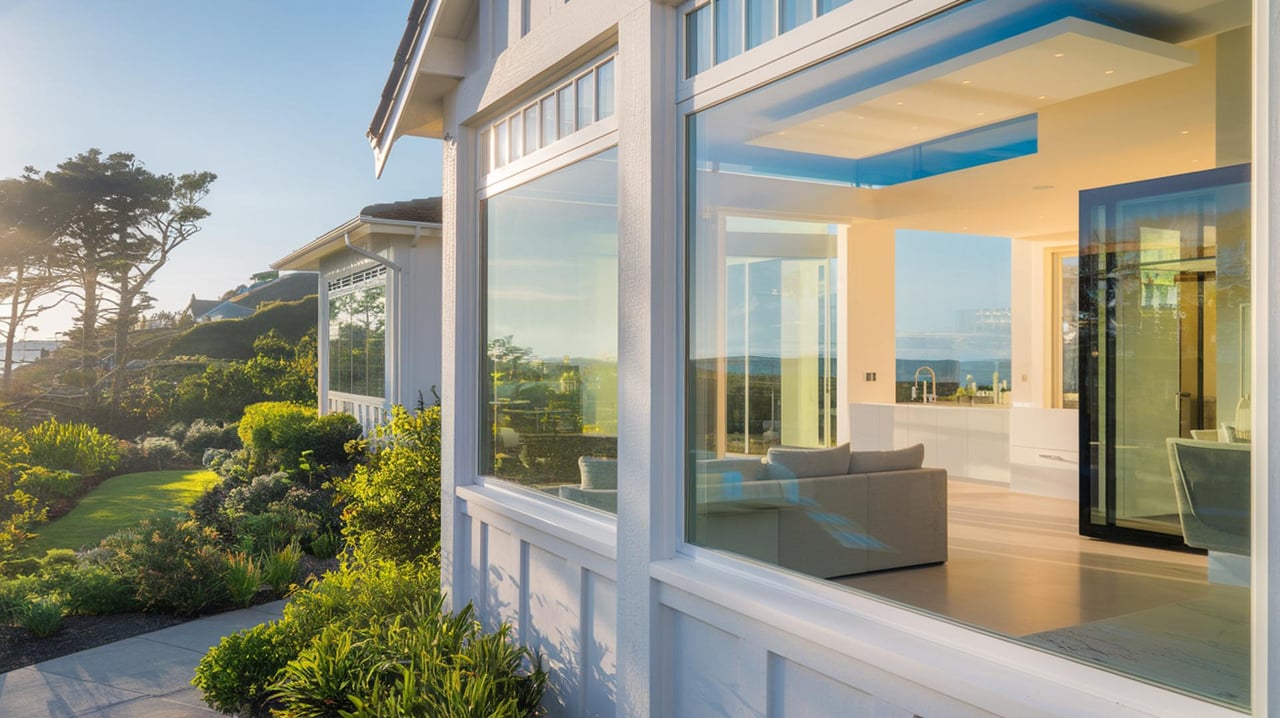
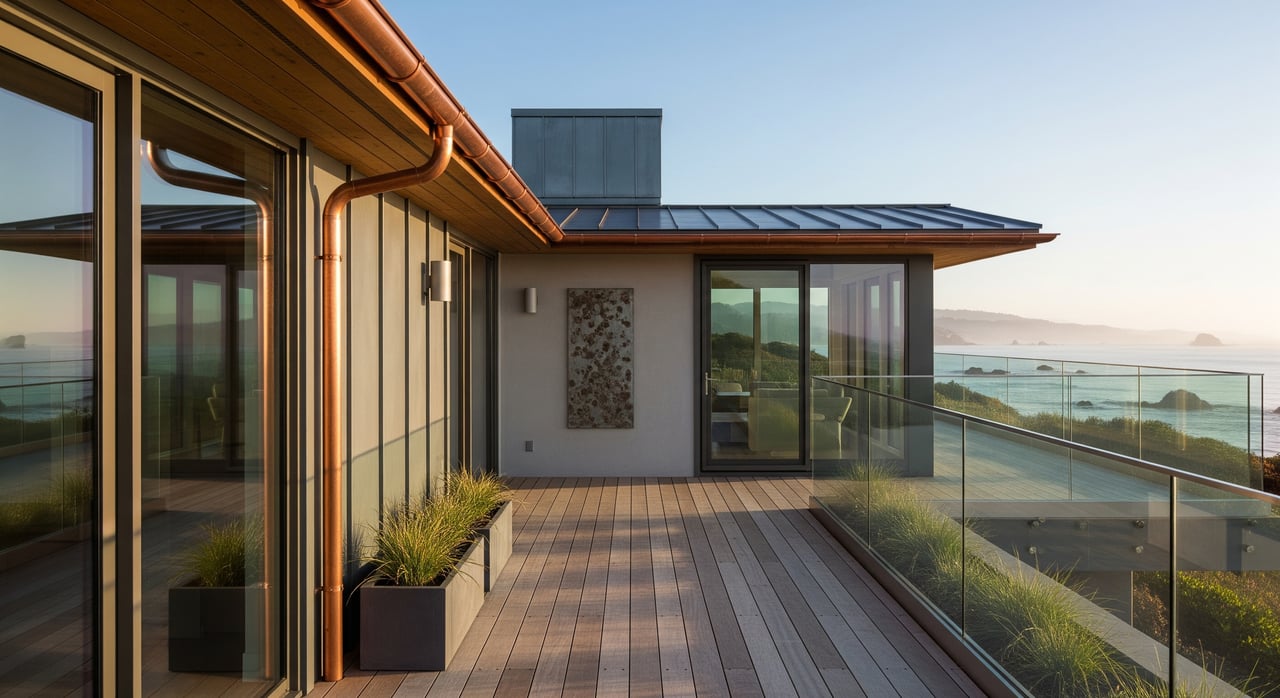
That is the argument for staying here through the shoulder seasons, and it is the argument for the kind of coastal property that rewards attention. Homes on this stretch of coast are not passive. They ask their owners to notice things: fog patterns, wind shifts, when the seals arrive, when the river opens.
If you have been thinking about what a home on the Sonoma Coast could actually look like beyond the weekend, Sonoma Coast Living has spent more than four decades reading this coastline from Bodega Bay to Jenner. View the Luxury Market Report when you are ready to see how these places move.