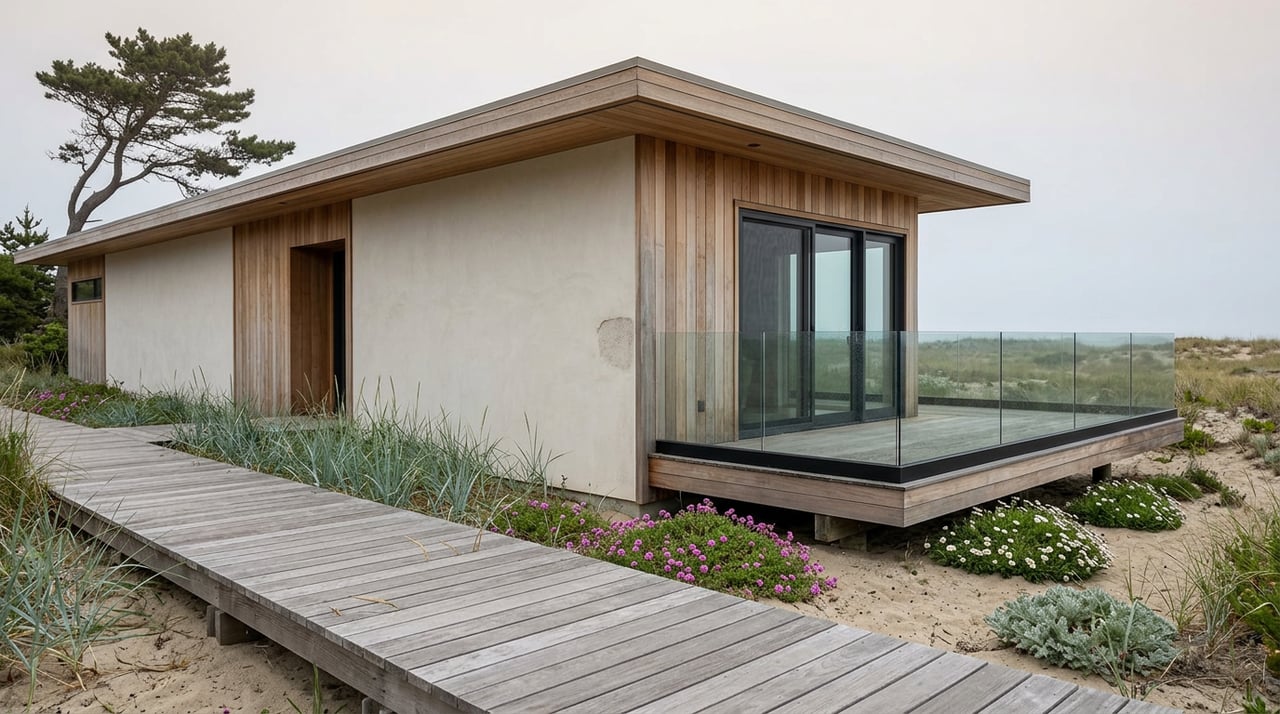
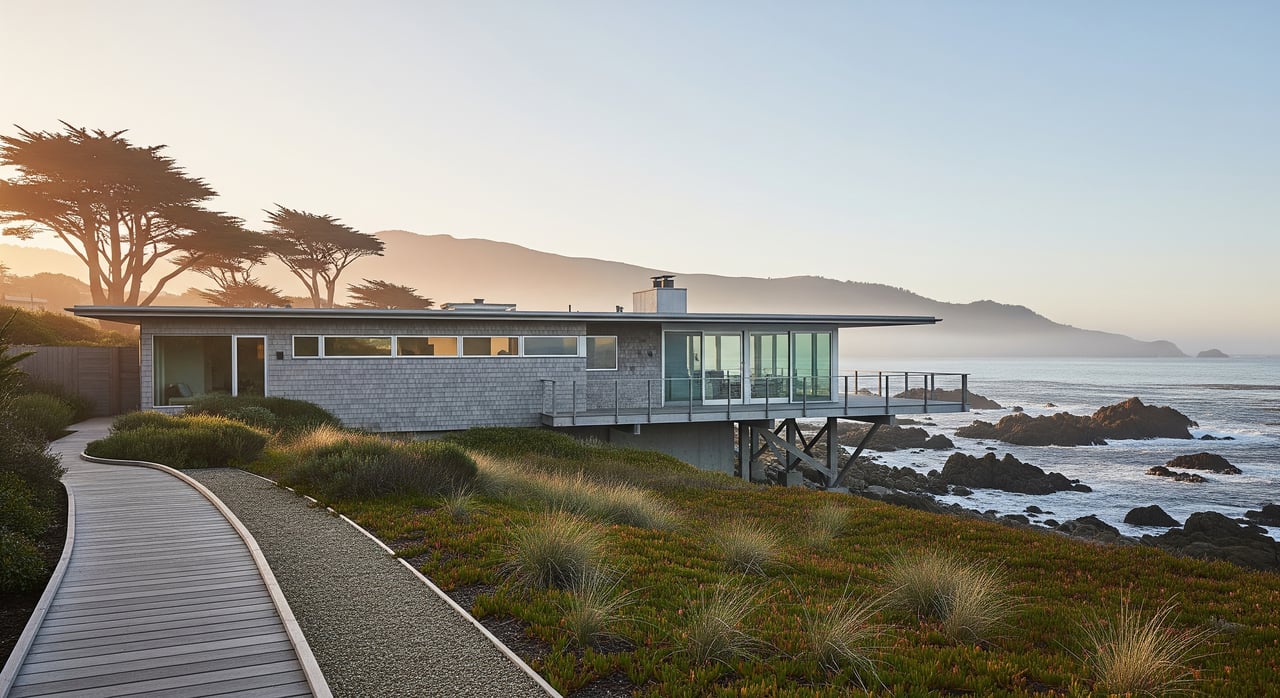
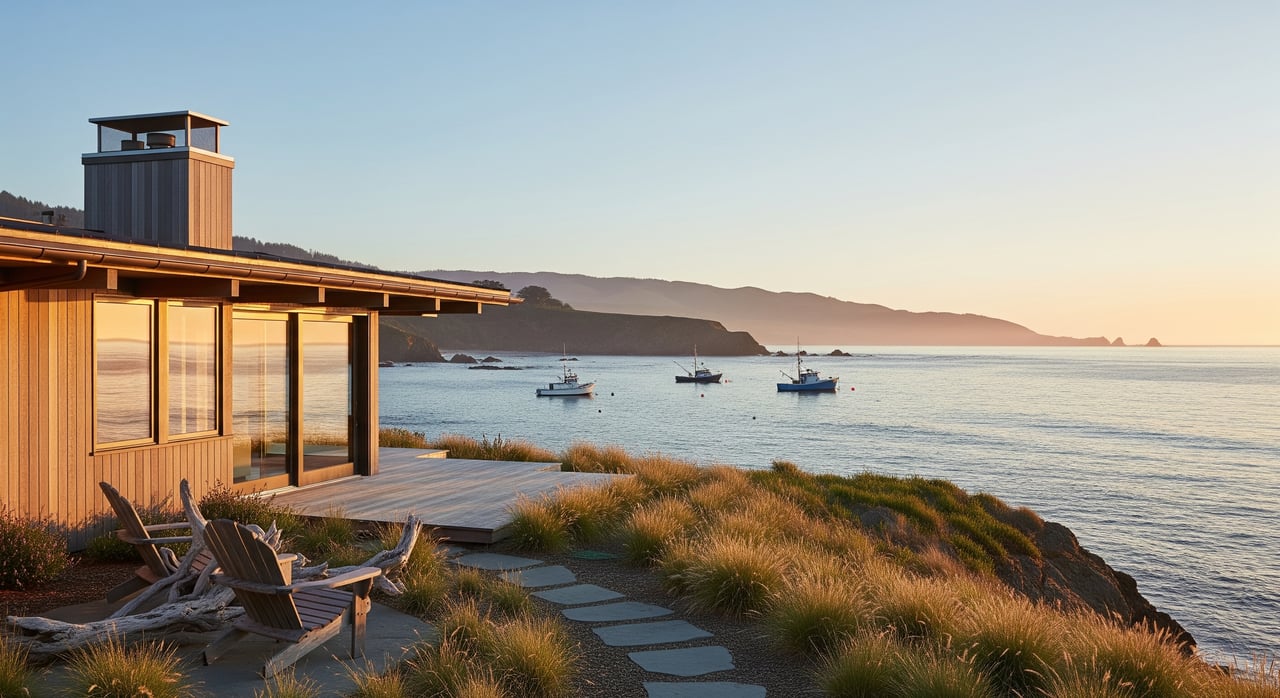
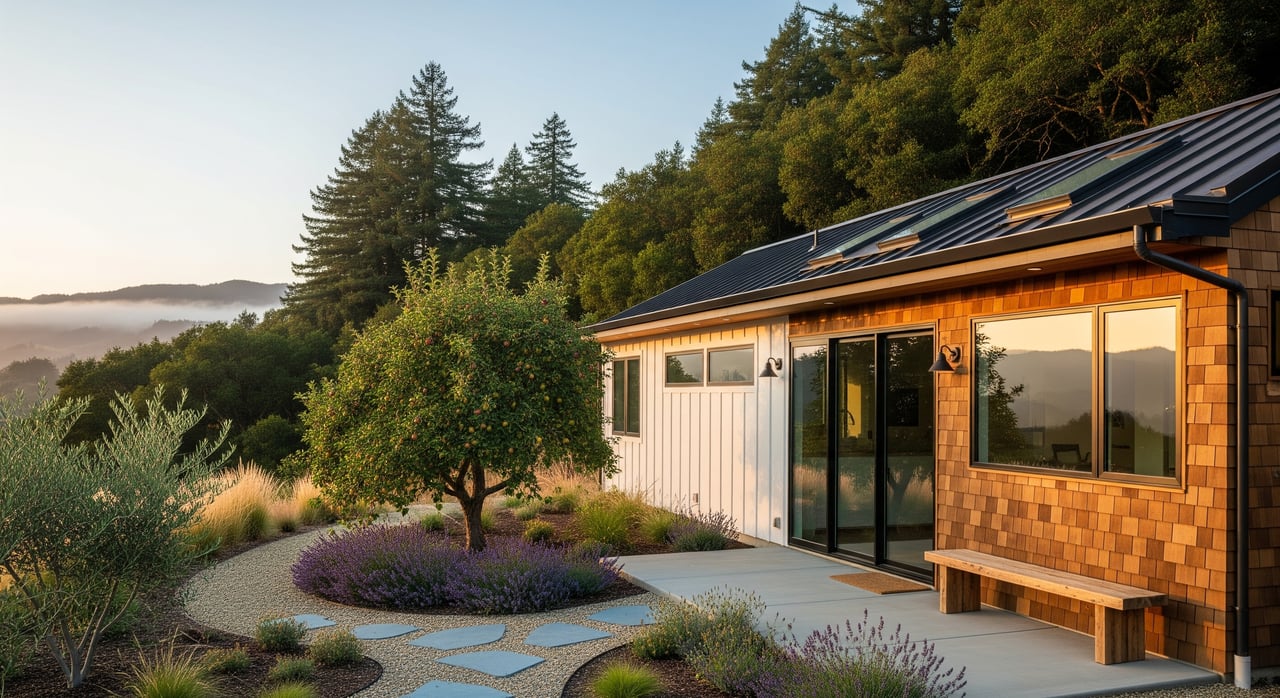
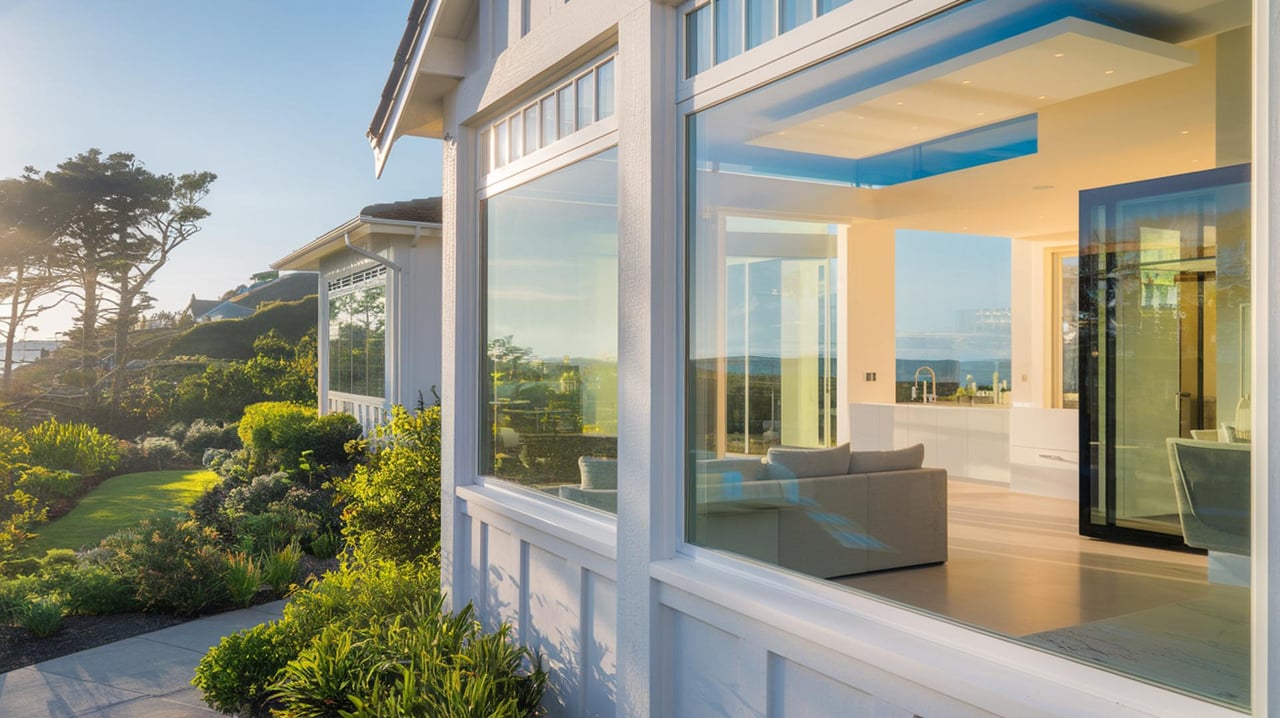
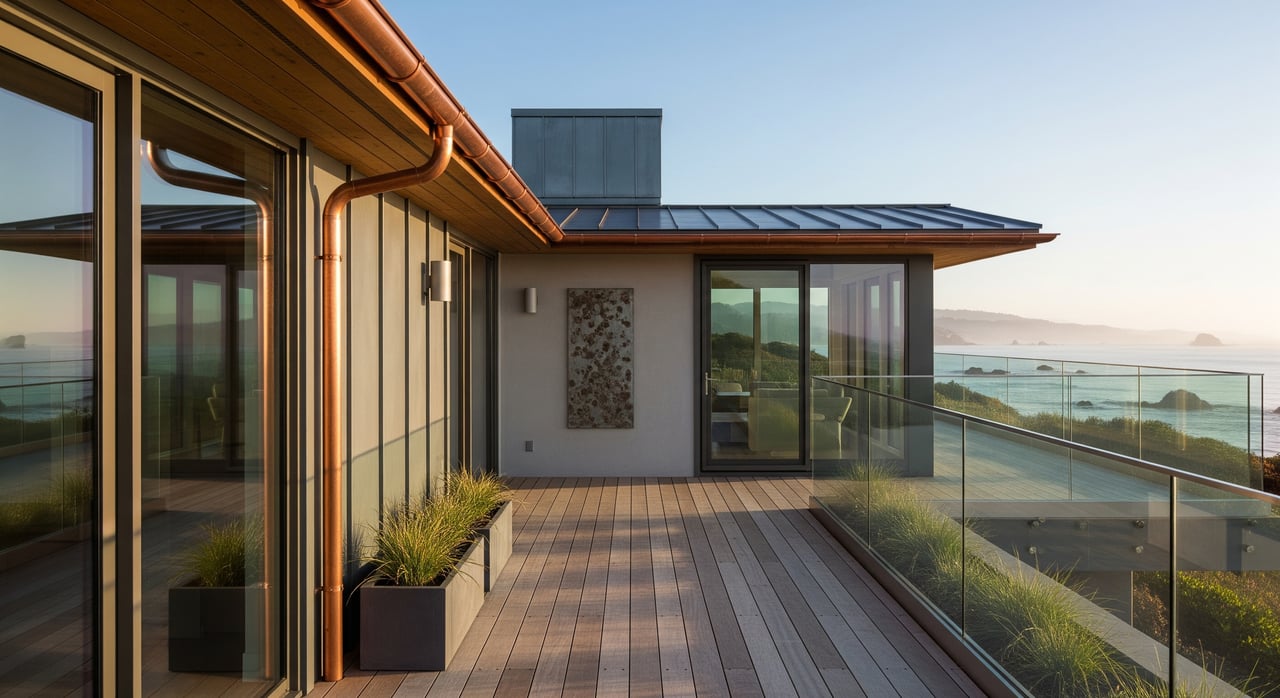
Wondering how to pick the right Salmon Creek beach home when no two properties seem to work the same way? That is a smart question, because buying on this stretch of the Sonoma Coast is often less about finding the prettiest house and more about finding the property that fits how you plan to use it. If you are looking at Salmon Creek for a weekend escape, a full-time coastal move, or a future income property, this guide will help you weigh the details that matter most. Let’s dive in.
Understand Salmon Creek’s coastal character
Salmon Creek is not a typical year-round neighborhood with uniform lots and predictable use patterns. According to the 2020 Census profile, the community is very small, with 111 residents, 111 housing units, 47 occupied units, and 64 vacant units. Sonoma County’s local coastal plan also notes that vacation-home use still predominates, even though some homes are occupied full-time.
For you as a buyer, that means the market often behaves more like a second-home coastal enclave than a conventional subdivision. Expectations around privacy, occupancy, upkeep, and even the feel of the area across seasons can be different from inland Sonoma County. It helps to approach each home as a very specific coastal asset, not just a standard house search.
Match the home to your access style
One of the first questions to answer is simple: how do you want to experience the beach? Some buyers want a true walk-to-the-sand setup, while others are perfectly happy driving a short distance and using public beach parking.
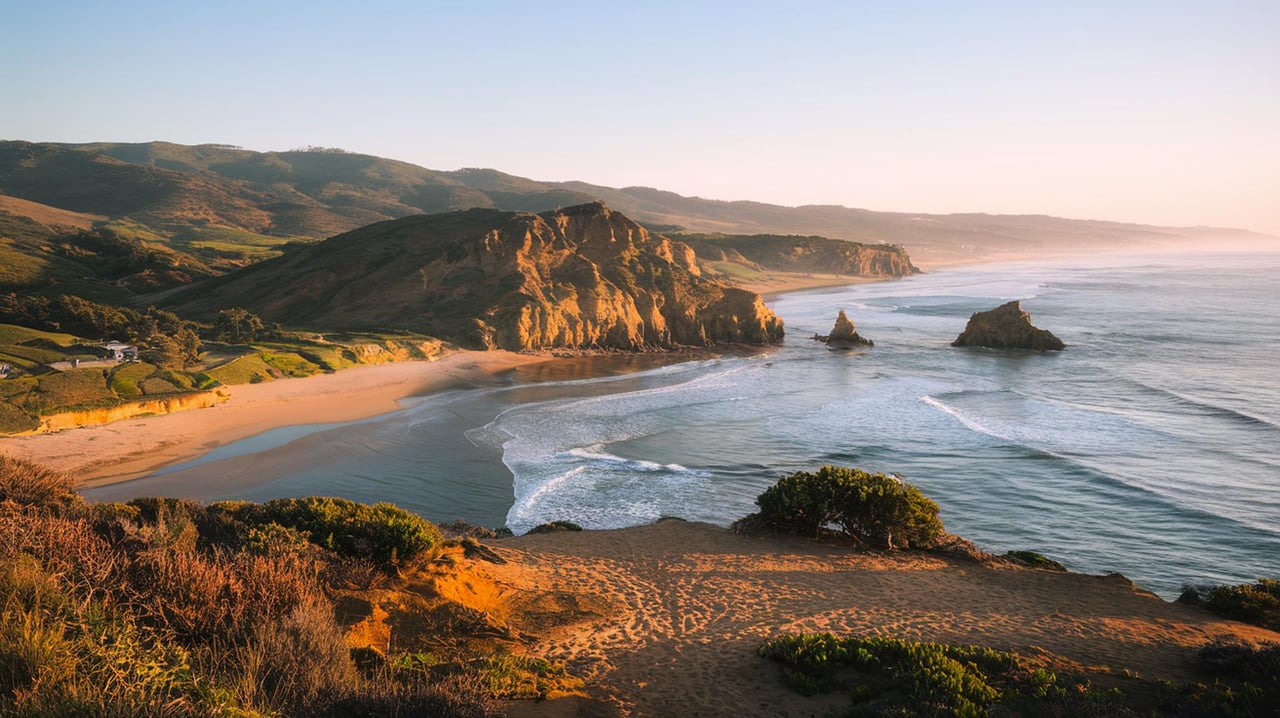
Salmon Creek Beach is part of Sonoma Coast State Park. State Parks identifies the North and South Salmon Beach parking lots off Highway 1, with the Salmon Creek Ranger Station located between them. If beach access is central to your lifestyle, think carefully about whether you want to be close enough to walk regularly or whether easy car access meets your needs.
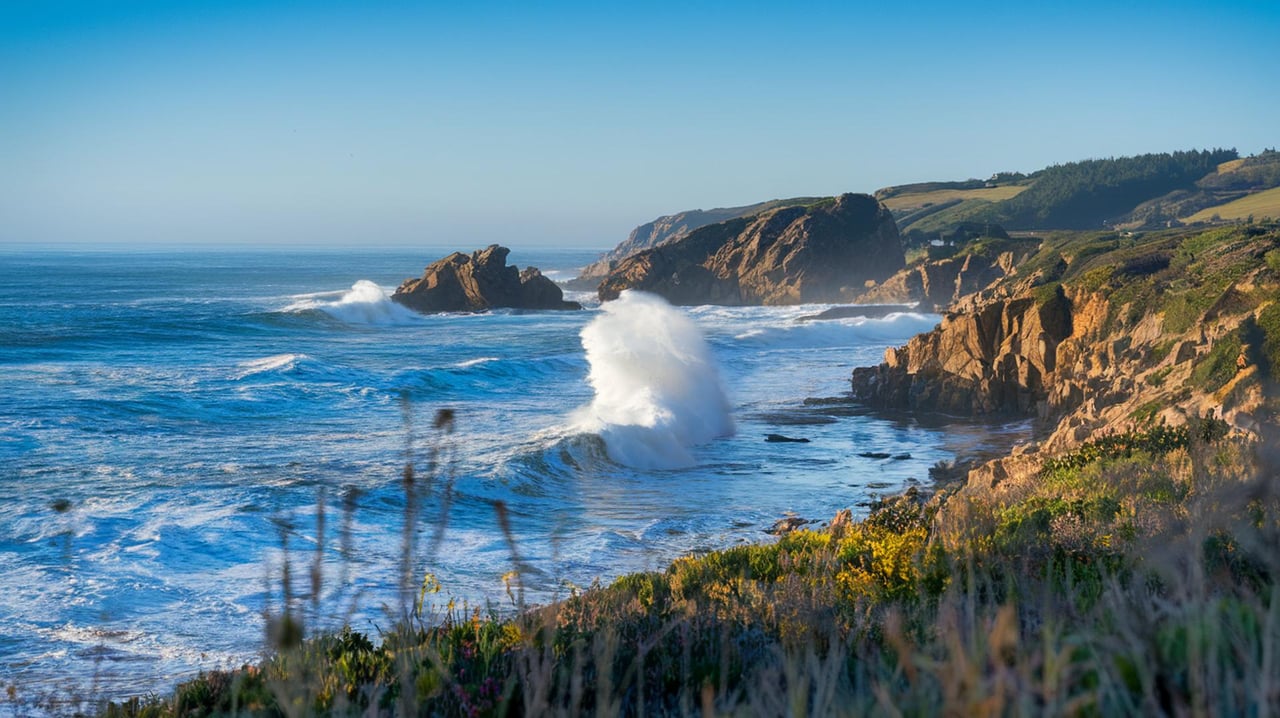
It is also important to understand how the beach is actually used. State Parks says the beaches are popular with surfers, but they are not intended for swimming because of strong surf and rip currents. That practical distinction can shape what “beach living” really means for you at Salmon Creek.
Think beyond the postcard view
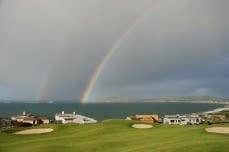
A home near the coast can look perfect in listing photos, but daily use matters more. You may love ocean views, but your real routine might center on morning walks, surf access, or simply watching fog lift by midday.
State Parks notes that summer fog often burns off by midday, and coastal conditions can shift the feel of the area throughout the day and year. A home that fits your rhythm will usually feel right longer than one chosen on scenery alone.
Choose the right lot size
In Salmon Creek, lot size is not just a numbers issue. It often reflects two very different ownership experiences.
Recent local examples show compact lots on Churchill Street of roughly 2,879 and 9,993 square feet, while properties on Salmon Creek Road can span around 3.98 to 8.5 acres. In practical terms, that gives you a choice between a smaller cottage-style parcel with less day-to-day land management and a larger rural coastal holding with more responsibility.
If you want a lower-maintenance retreat, a smaller lot may be the better fit. If you want separation, open space, or land that changes the feel of ownership, a larger parcel may be worth the added upkeep.
Ask what kind of owner you want to be
It helps to be honest here. Do you want a simple lock-and-leave beach place, or are you comfortable managing more land, more exposure, and more moving parts?
On the Sonoma Coast, more acreage often means more maintenance decisions, not just more privacy. Wind, salt air, and fog can affect exterior materials and outdoor areas, so your ideal lot should match your maintenance comfort level as much as your lifestyle goals.
Look closely at water and septic constraints
In Salmon Creek, a charming home site can come with real infrastructure limits. Sonoma County’s local coastal plan says new development is constrained by limited water-system connections and limited septic area on the small lots located on coastal dunes.
That matters whether you are buying an existing home, considering a remodel, or comparing a finished property with a land purchase. If a future addition, deck, or outdoor improvement is part of your plan, these site constraints should be part of your review early, not later.
Make due diligence practical
Before you commit, confirm the property’s water source, septic setup, and site limitations with Permit Sonoma. This is especially important in a location where coastal dunes, small lots, and older development patterns can affect what is feasible.
A home that works beautifully as-is may not offer much flexibility later. If your long-term plan includes changes, make sure the site can support them.
Consider views, visibility, and privacy together
Many Salmon Creek buyers come for the natural setting, but not every scenic home offers the same sense of privacy. Sonoma County’s local coastal plan specifically notes that homes near the Salmon Creek lagoon are highly visible.
That means you should weigh not just what you can see, but how exposed the property feels. Ocean, creek, dune, and lagoon views can all be compelling, yet each setting comes with a different relationship to neighboring homes, roads, and the landscape itself.
Know that the shoreline can change
The beach and creek environment is also seasonal. State Parks notes that a lagoon can form when sand closes the mouth of Salmon Creek.
For you, that may affect how the property feels across the year, including drainage patterns, visual outlook, and access expectations. If direct creek or beach proximity is part of your wish list, seasonal shoreline changes should be part of the conversation before you buy.
Treat remodeling plans as a permit question
A lot of buyers assume they can sort out additions and exterior changes after closing. In Salmon Creek, that can be a costly assumption.
Because the community sits in Sonoma County’s coastal zone, county code says a coastal permit is required for development unless an exemption applies. The code also states that coastal program standards take precedence over the underlying zoning in the CC combining district.
Review exterior plans early
If you are comparing homes based on future potential, ask early about the permitting path for decks, additions, exterior rework, and other visible changes. In a coastal setting with sensitive natural features and established scale, exterior design and site impact can matter as much as square footage.
This is one area where local guidance is especially valuable. A property with limited expansion potential may still be the right fit, but only if that matches your expectations from the start.
Be realistic about vacation rental goals
If rental income is part of your plan, Salmon Creek requires careful parcel-by-parcel review. Sonoma County defines a vacation rental as residential occupancy of 30 days or less that is subject to transient occupancy tax. County code requires both a zoning permit and a vacation-rental license, limits each parcel to one vacation rental, requires parking, and states that the permit expires when the parcel is sold or transferred.
Those rules make rental use more than a marketing idea. They make it a legal, operational, and property-specific question.
Verify coastal-zone eligibility before closing
For Salmon Creek buyers, one of the most important facts is that you should not assume the same short-term rental path used in other parts of Sonoma County applies here. Sonoma County’s public transient-vacation-rental GIS layer says Permit Sonoma does not issue vacation rental permits within the Coastal Commission Zone.
If income potential matters to you, confirm zoning, existing entitlements, parking, septic capacity, and any coastal permit issues before you close. At Sonoma Coast Living, we know that many buyers want a property that supports both lifestyle and income goals, and clear answers up front can help you avoid buying the wrong fit.
A simple Salmon Creek decision checklist
When you compare homes, keep your focus on the basics that shape ownership most:
- Access: Do you want to walk to the beach, or are the North and South Salmon Beach parking lots enough for how you will use the coast?
- Lot size: Does a compact cottage lot suit you better, or do you want acreage with more land-management responsibility?
- Water and wastewater: Have water access, septic conditions, and site constraints been checked?
- Views and privacy: Are you buying for ocean, dune, creek, or lagoon views, and are you comfortable with a more visible setting?
- Maintenance: Are you prepared for salt air, wind, fog, and a hands-on exterior upkeep profile?
- Income intent: If you want rental income, has the parcel’s actual eligibility been verified under coastal-zone and parking rules?
In Salmon Creek, the right beach home is usually not the one with the longest feature list. It is the one whose access pattern, parcel size, permitting path, and maintenance load match the way you really plan to live on the coast.
If you are weighing a Salmon Creek purchase and want local insight grounded in day-to-day coastal ownership, Sonoma Coast Living can help you compare properties with a clear view of lifestyle, land use, and long-term fit.
FAQs
What makes buying a Salmon Creek beach home different from buying inland Sonoma County property?
- Salmon Creek functions more like a small coastal second-home market, with vacation-home use still predominating and property decisions often shaped by access, site constraints, permits, and maintenance.
What should you check before buying a Salmon Creek property for vacation rental use?
- You should verify parcel-specific zoning, existing entitlements, parking, septic capacity, and any coastal permit issues before closing, because vacation rental rules and coastal-zone restrictions can affect eligibility.
What lot sizes can you expect in Salmon Creek?
- Local examples range from compact lots of about 2,879 square feet to larger holdings around 8.5 acres, so you may be choosing between lower-maintenance cottage living and a more rural ownership experience.
What beach conditions should Salmon Creek homebuyers know?
- Salmon Creek Beach is popular with surfers, but State Parks says it is not intended for swimming because of strong surf and rip currents, and summer fog often burns off by midday.
Why do permits matter for Salmon Creek home improvements?
- Because Salmon Creek is in Sonoma County’s coastal zone, development may require a coastal permit unless an exemption applies, so additions and exterior changes should be reviewed early in the buying process.