Drive to the end of Osprey Drive on a clear Saturday this fall and you will see red paint on the curb where there used to be none. That paint is new since March. It marks the compromise Sonoma County reached after a quiet cul-de-sac in Bodega Harbour spent the better part of a year absorbing traffic meant for a beach that, for a century, nobody but ranchers and cattle were allowed to see. The signs solved the emergency-access problem. They did not solve the parking problem, and the people who live closest to the Shorttail Gulch trailhead will tell you the difference matters.
From Ranch Gate to Viral Trailhead
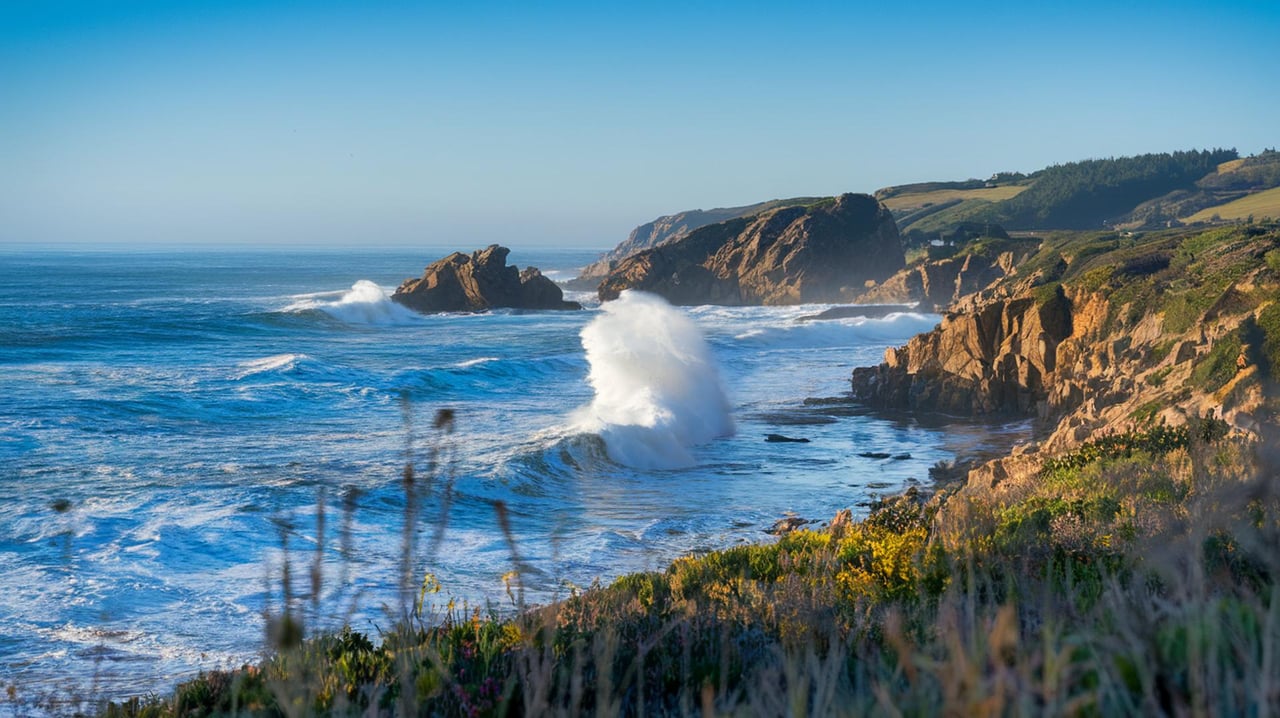
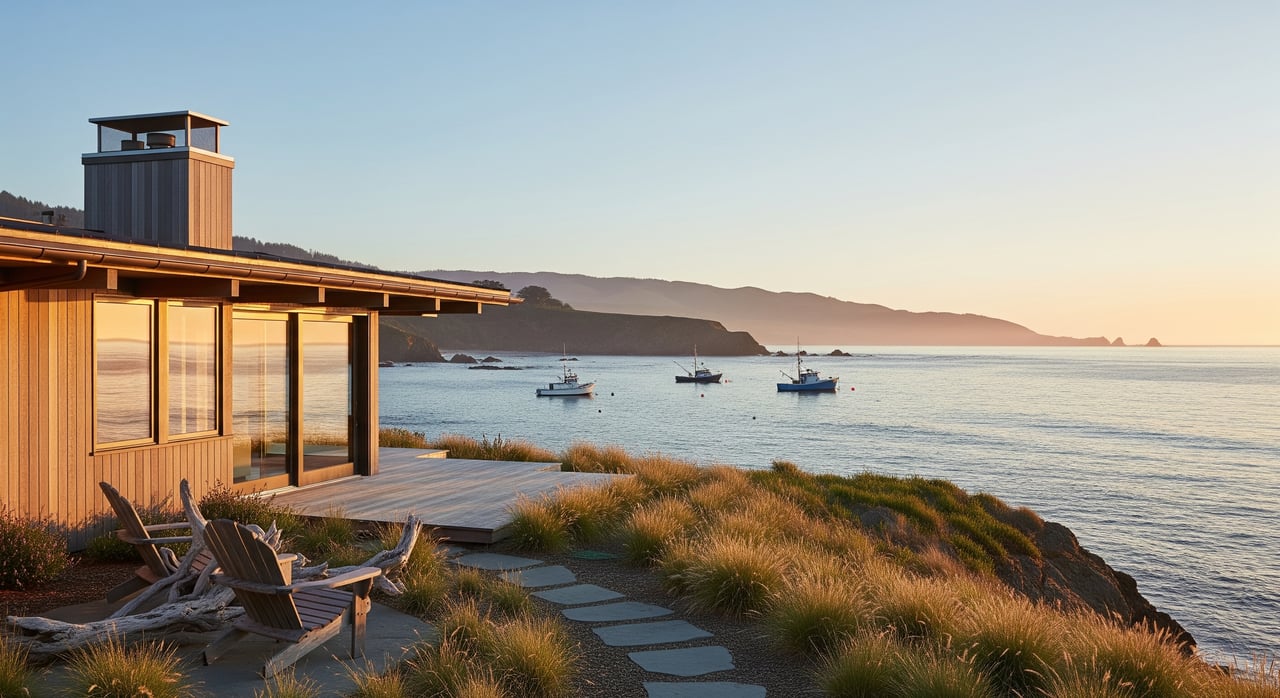
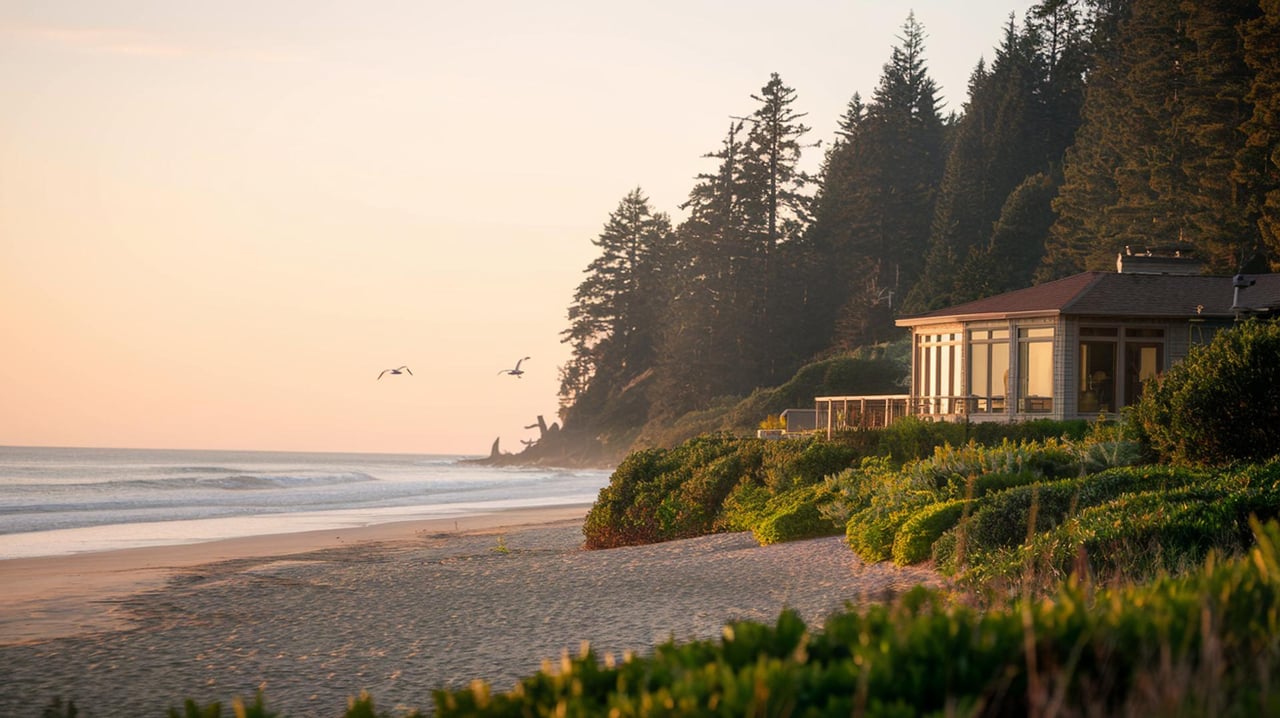
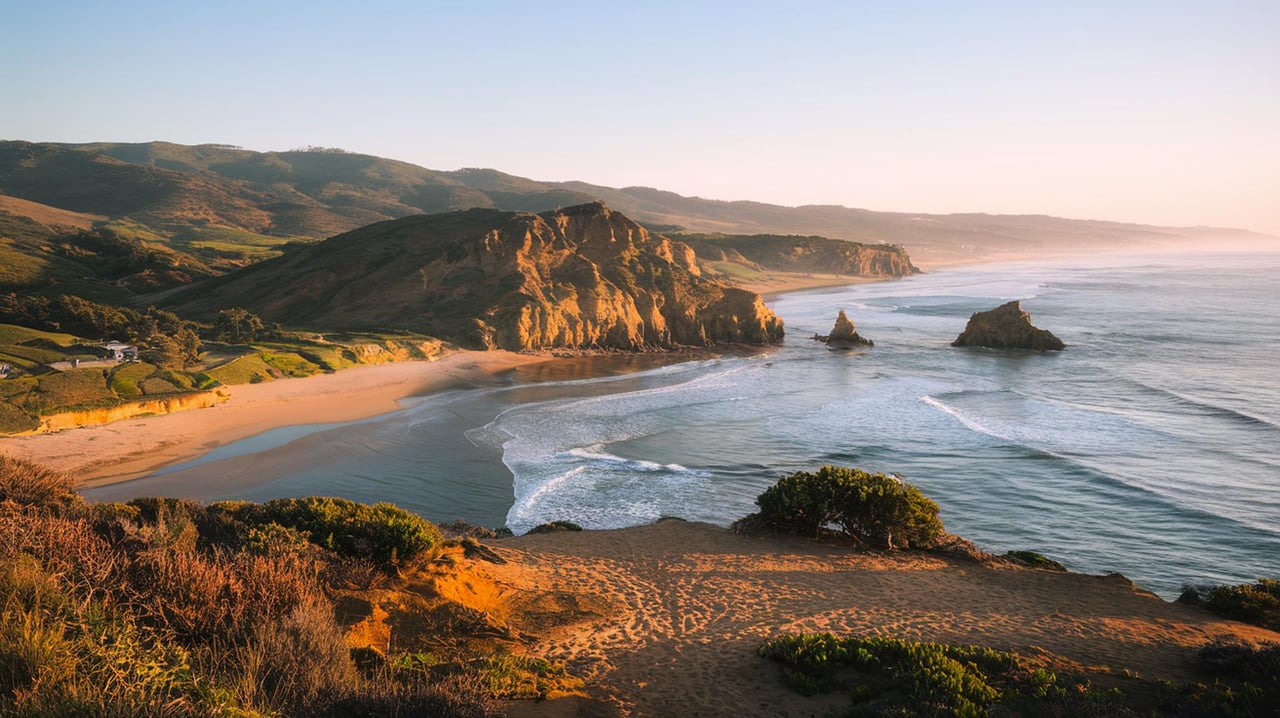
The Estero Americano Coast Preserve sits just south of Bodega Bay, 547 acres of bluff and estuary that The Wildlands Conservancy bought for $3.8 million in 2015 after it had operated as a working ranch, known locally as the Bottarini Ranch, since at least 1919. The nonprofit spent the following decade building trails, settling an access dispute over a private road called Estero Lane, and securing a Coastal Development Permit that the California Coastal Commission approved in November 2024. After a phased trial period covering three days a week, the preserve fully opened to daily visitors in November 2025.
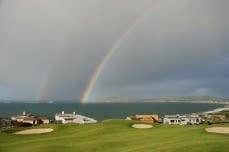
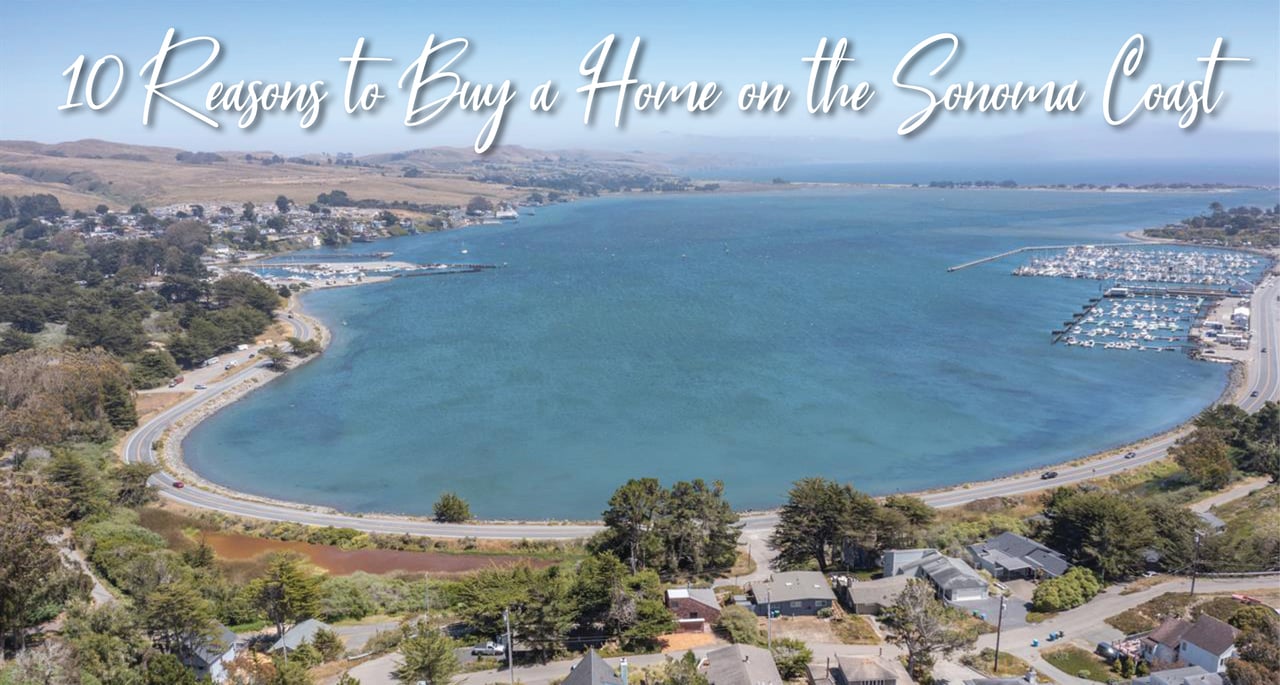
For a few weeks, it stayed under the radar. Then, on January 10, 2026, the San Francisco Chronicle ran a story celebrating the preserve's fjord-like estuary and its walk to a beach few had ever seen. Travel + Leisure, Smithsonian and SFGATE followed within days. Wildlands Conservancy's own visitation numbers tell you what happened next: about 400 people showed up the day after that first story ran, and by the Sunday of Martin Luther King Jr. weekend later that month, the count neared 1,200. The only way in on foot is through the Shorttail Gulch Trailhead, which sits inside the Bodega Harbour subdivision, a community the homeowners association says now numbers 725 households built around an 18-hole golf course. There was never a dedicated parking lot. There still isn't one.
The Meeting Where Everyone Was Furious
On January 22, residents brought their frustration to the county's Coast Municipal Advisory Council. The Press Democrat reported that Lisa Beaty, who had been warning about exactly this scenario for years, said she and her neighbors had been "ignored, dismissed and disrespected." The outlet also reported that another resident, Tina Podolak, said the parked cars were "a problem" but that her real worry was the habitat being disturbed by that much foot traffic. The anger wasn't only about cars on the street. Residents had been told they would get to weigh in through county hearings, and instead the Board of Supervisors had consolidated permit review and handed the whole decision to the California Coastal Commission without a public discussion first.
SFGate reported that more than a hundred homeowners showed up to a follow-up community meeting demanding answers directly from the Conservancy. Several said they felt blindsided by how fast a quiet dead-end had turned into what one described as looking like North Beach on a Saturday.
The Meeting a Month Later Was Different
By the time the county held a town hall at the Bodega Bay Grange on February 25, and again when the Board of Supervisors took the issue up in March, the tone in the room had shifted. Bodega Harbour HOA president Tracy Amiral arrived with a list titled "Options for the County to Evaluate, Revisited with Fresh Eyes," seven parking solutions the association had researched and posted to a site called "A Community in Alignment." Instead of relitigating who had failed to notify whom, Amiral told attendees she wasn't wedded to any single fix. According to The Press Democrat, Amiral said, "We're not married to any one parking proposal," and asked the room to help narrow the list together.
That pivot, from grievance to a menu of options, is arguably the more useful story here for anyone who lives near Shorttail Gulch. A neighborhood that could have stayed stuck in blame instead built something the county could act on quickly.
What Actually Went In
On March 10, 2026, the Board of Supervisors approved red-curb no-parking zones on the house side of Osprey Drive and adjoining segments, along with Mockingbird Drive, using an urgency permit pathway so the paint could go down fast while a formal long-term permit worked its way through the Coastal Commission. Sonoma County Fire District had pushed for exactly this kind of urgency, warning that congested streets were becoming an emergency-access risk. Jeremy J. Tam, the resident sheriff's deputy for Bodega Bay, told the town hall he would personally prioritize parking enforcement during his shifts, a commitment attendees called unusual and welcome, since CHP typically handles that duty on the coast.
By April, the Chronicle reported that the early swell of visitors had settled into what the Wildlands Conservancy called a more manageable pattern. The Press Democrat reported that Ryan Berger, the Conservancy's Sonoma Coast Preserves manager, told the March town hall daily visitation had declined from its January peak but predicted it would climb again once the weather turned. He said, "There's going to be great weather. We know this is going to happen. That's why we have the working group in place."
The Fix Everyone Actually Wants Is Still Years Away
Here is the part that matters most if you live on this stretch of coast: the red curbs are a patch, not a plan. Supervisor Lynda Hopkins acknowledged at the CMAC meeting that painting one side of a street red just pushes the same cars to the next block over, and several residents pointed that out in real time. The fix residents actually prefer, an on-site parking lot built on the preserve itself, would require its own approval from the California Coastal Commission and, according to the Chronicle's reporting, could take months if not years to materialize.
Hopkins has cited a useful precedent nearby. Pinnacle Gulch, just down the coast, went through a nearly identical cycle years ago: developed without dedicated parking, discovered by hikers, overwhelmed on street parking, and eventually given a real lot to relieve the pressure. She has also floated a shuttle service modeled on the one that already carries river floaters along the Russian River corridor near Guerneville in summer, though no route or schedule has been worked out. The county convened a working group in May 2026 specifically to hash out long-term management strategies for the preserve. As of this writing, no timeline for a permanent lot or shuttle has been made public.
What This Means If You're On This Side of the Harbour
If your house sits anywhere near the Shorttail Gulch Trailhead, the practical reality for the next stretch of time looks like this. Nice-weather Saturdays and Sundays will keep drawing hikers, and AllTrails has already put the preserve on enough people's radar that a sunny forecast is now effectively an event. The red curbs on Osprey and Mockingbird are enforced, not decorative, and Deputy Tam's commitment means a parked car in the wrong spot has a real chance of getting a ticket rather than just an annoyed glance from a neighbor. Sonoma County Regional Parks has been pointing overflow visitors toward Doran Regional Park and Chanslor Ranch as alternative coastal hikes, which may thin out a crowded weekend somewhat, though it's not a fix for the structural lack of parking at Shorttail Gulch itself.
The bigger picture is that this isn't a story with an ending yet. The HOA's seven-option proposal, the county's working group, and the slow grind of Coastal Commission review are all still moving pieces. What changed since January isn't that the crowds went away. It's that the neighborhood stopped being a bystander to the outcome and started shaping it, which is worth knowing whether you've lived on Osprey Drive for twenty years or you're just now getting familiar with the rhythms of this stretch of the Sonoma Coast.
If you want to keep tabs on how Bodega Harbour and the rest of the coast are actually changing, not just this preserve but pricing, inventory and what's selling, Sonoma Coast Living tracks it from inside the community, not from a spreadsheet. Reach out anytime you want a local read on what's really happening here.
This article is general information, not legal, tax or financial advice. Consult a qualified professional about your situation.