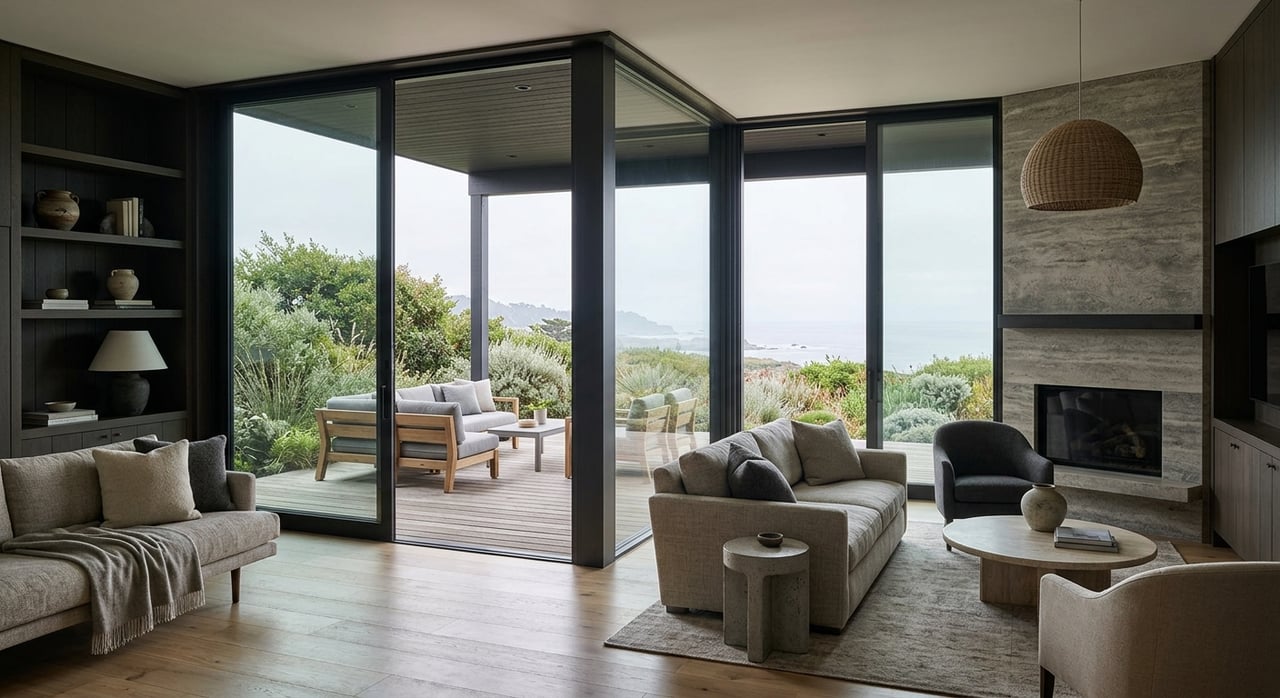
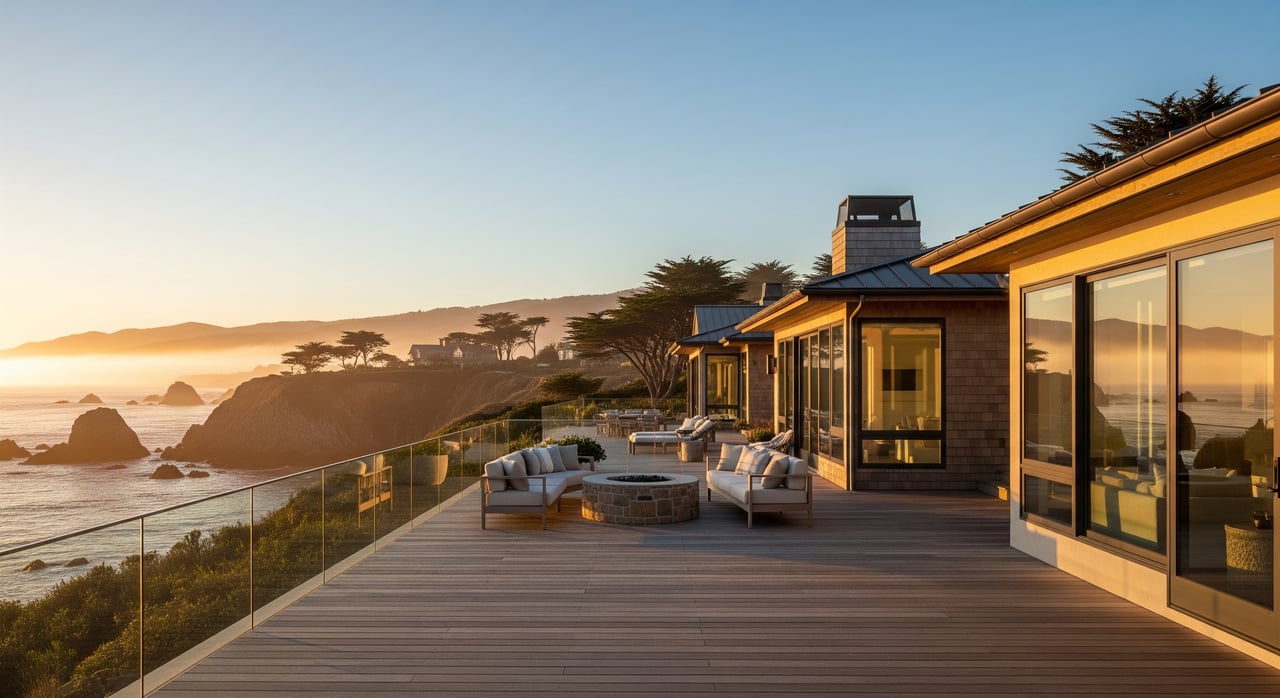
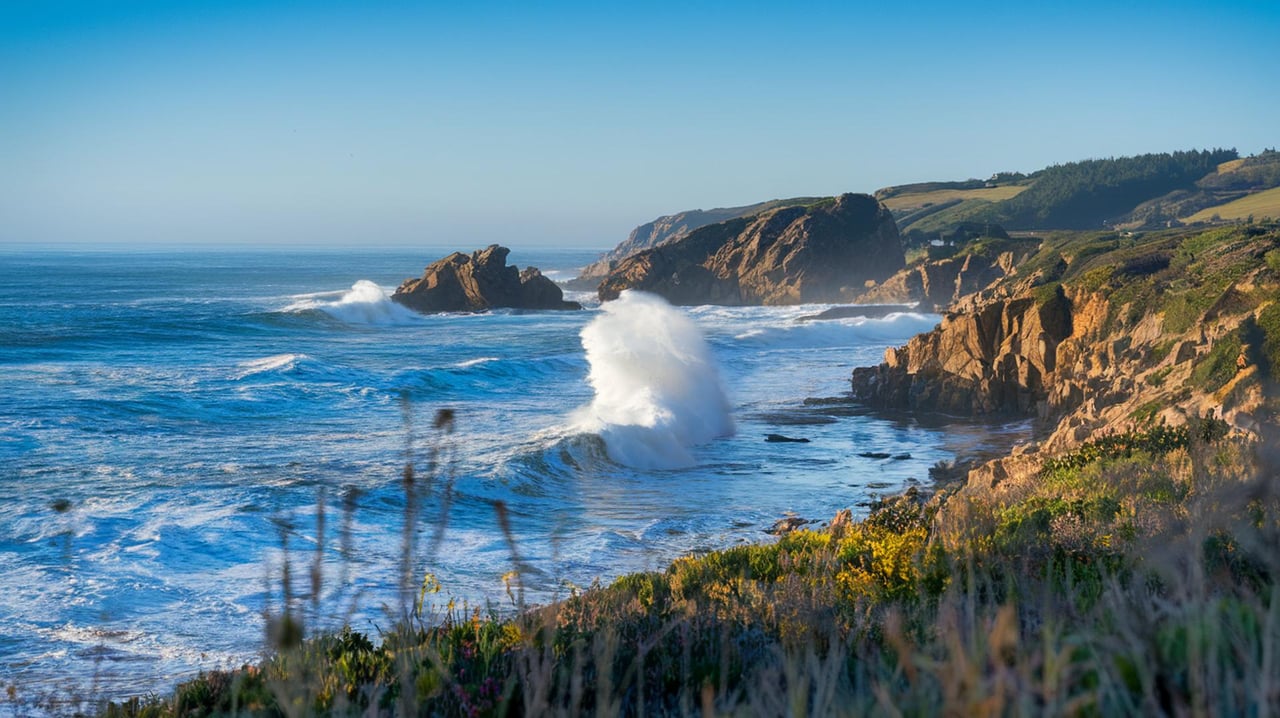
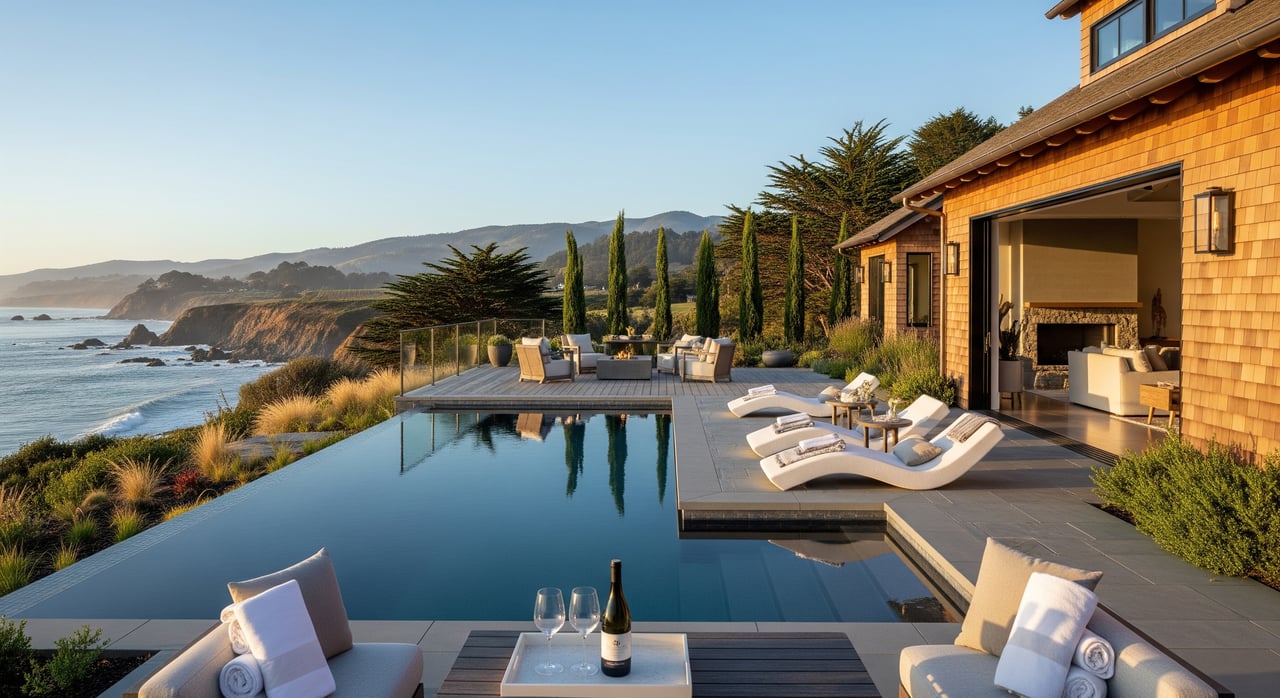
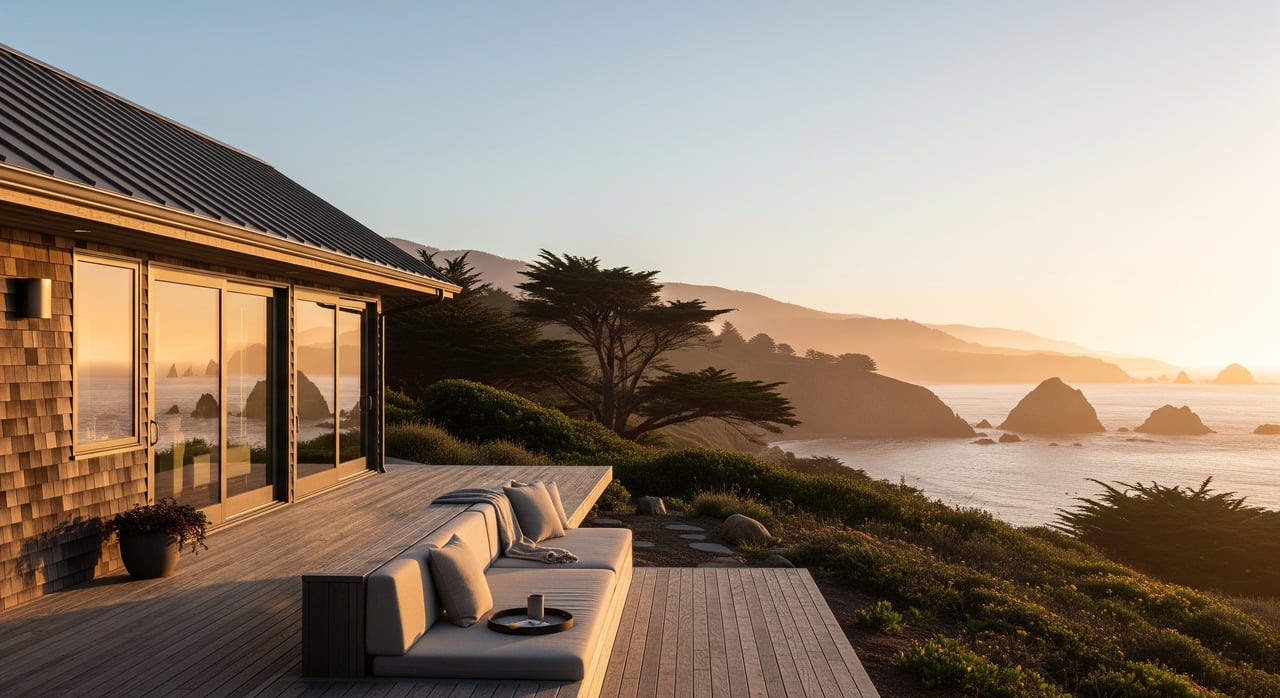
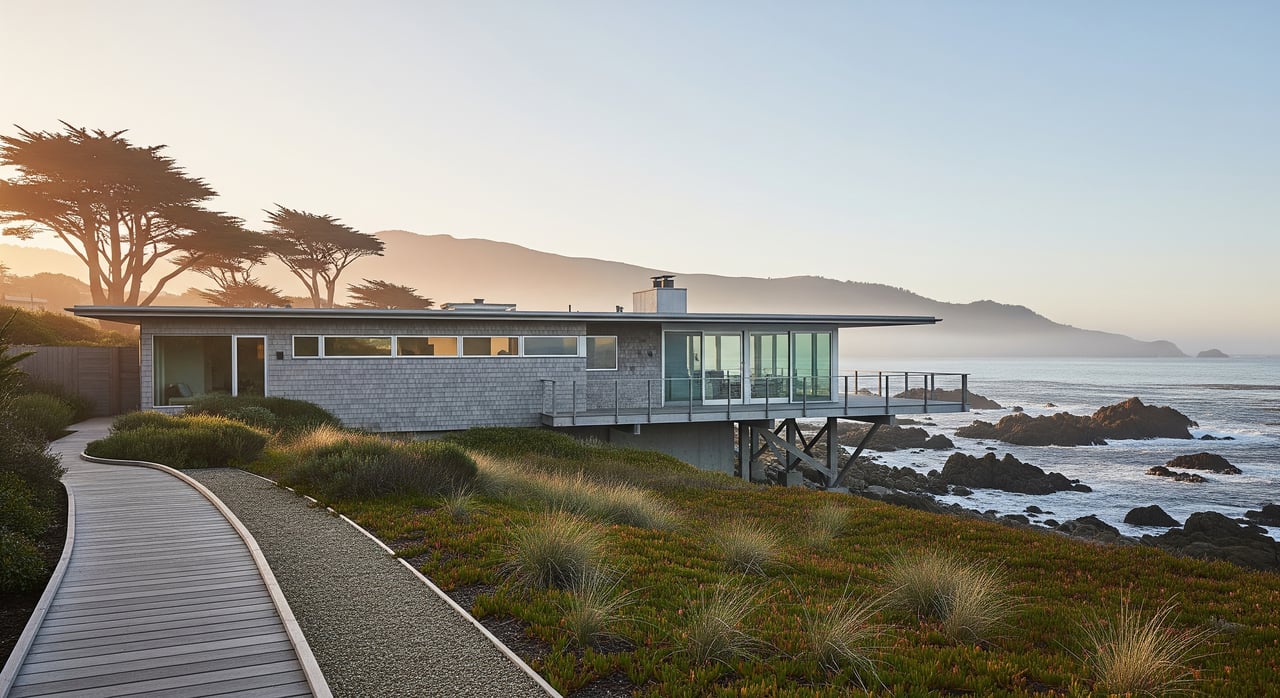
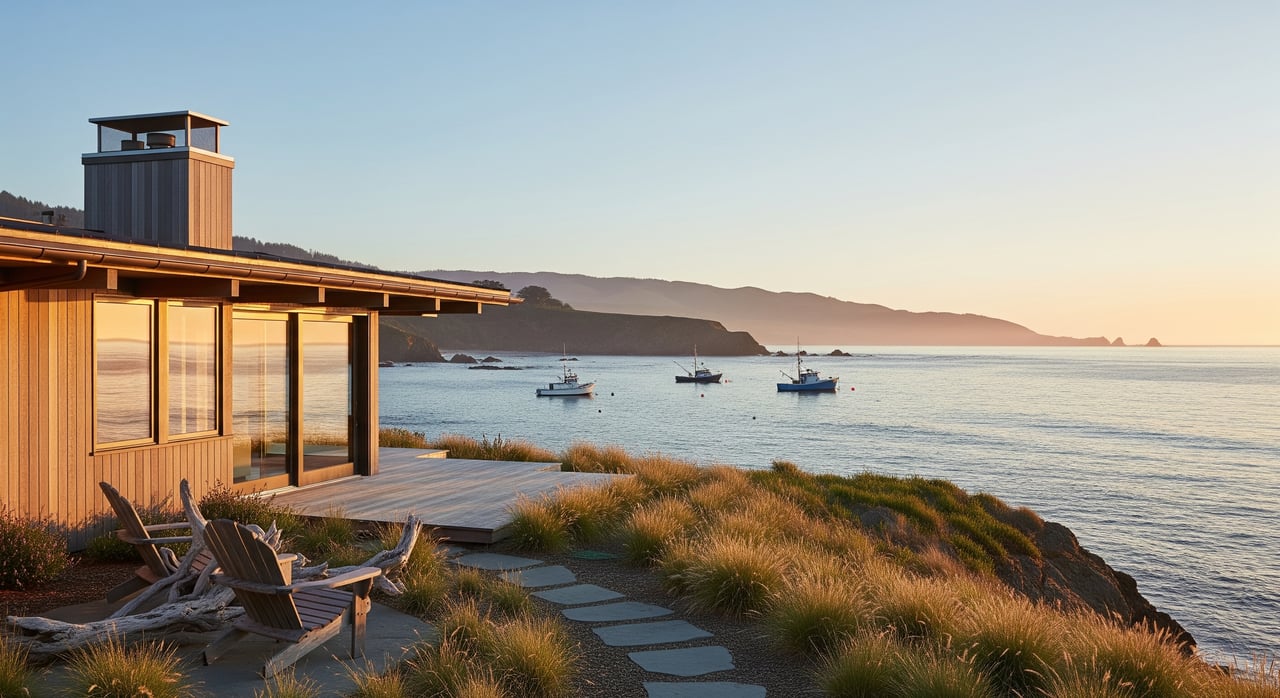
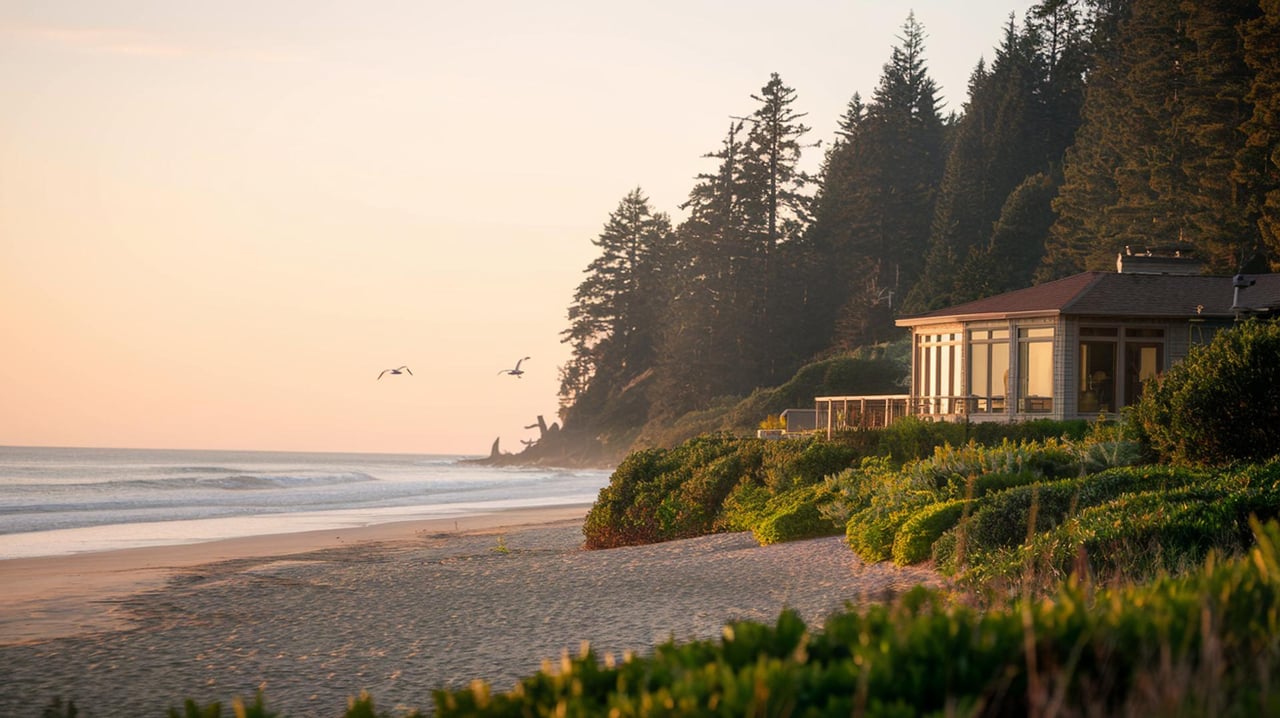
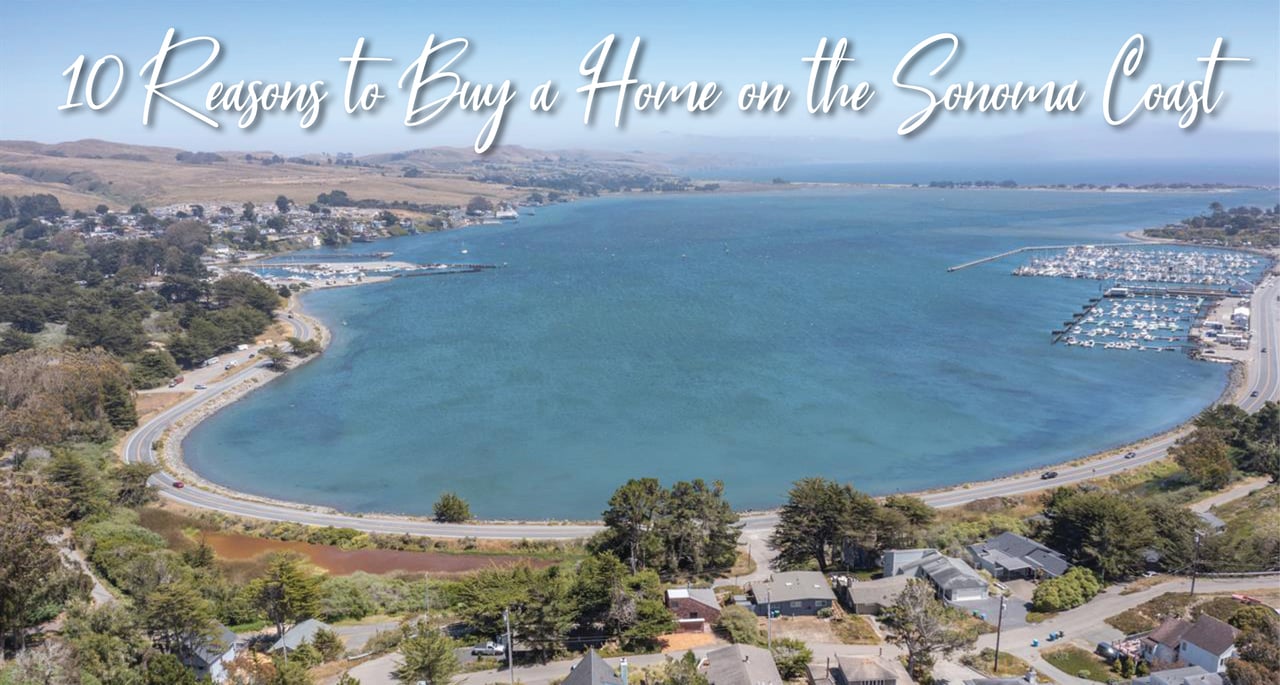
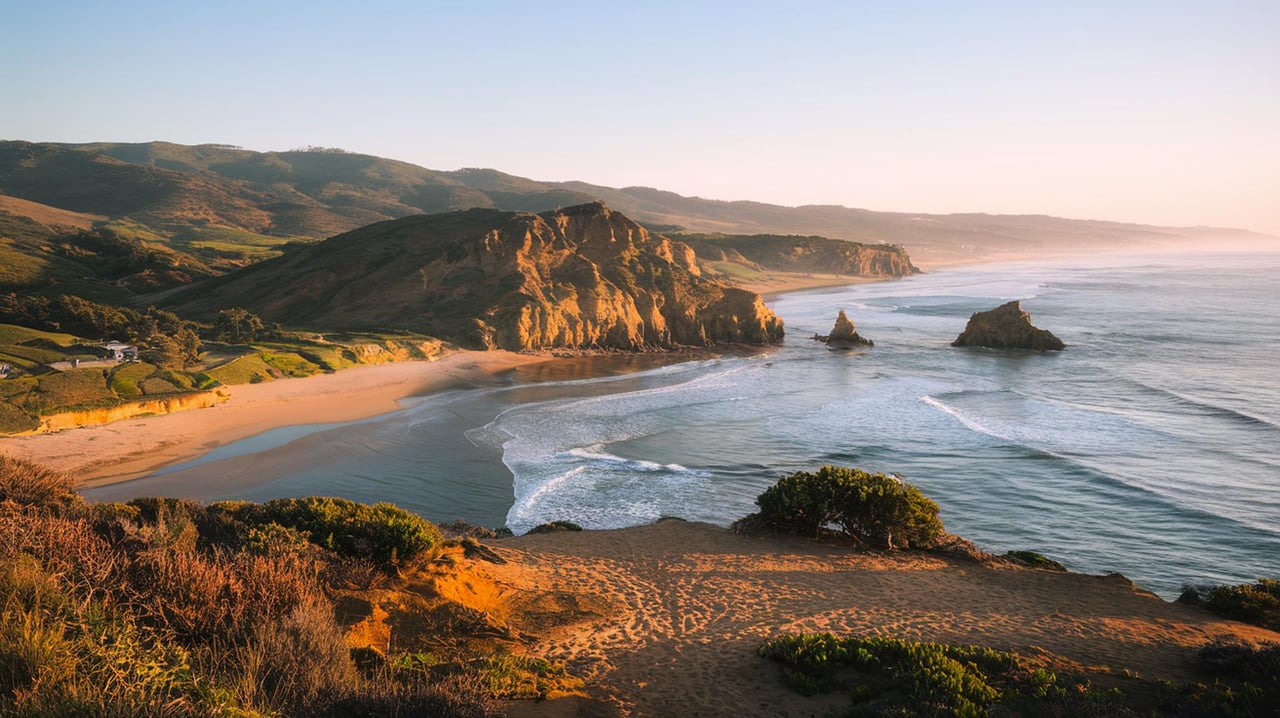
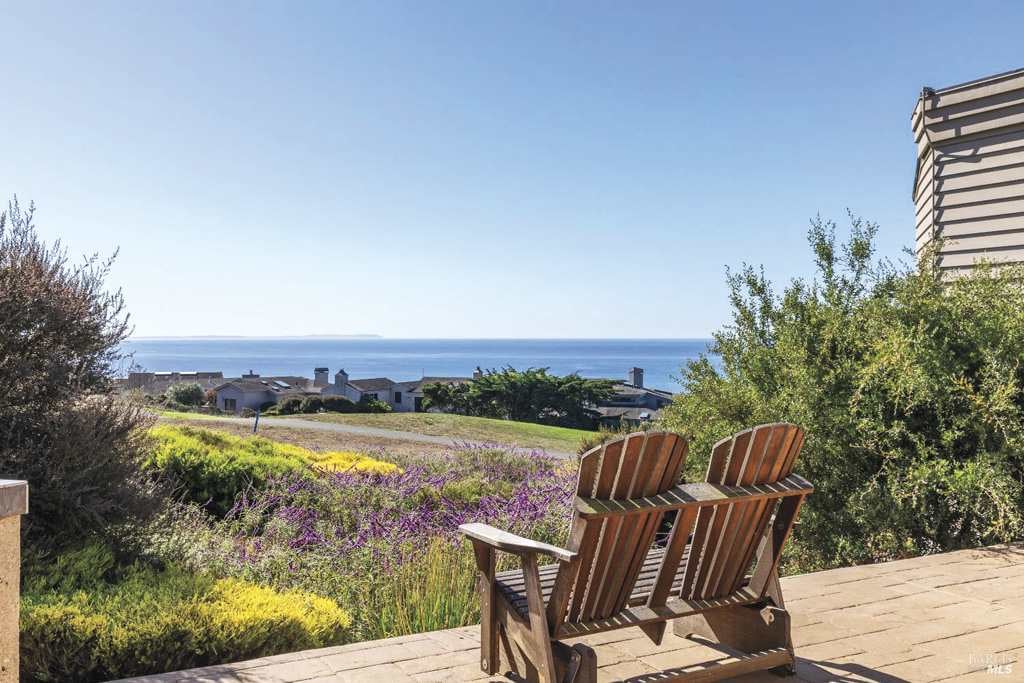
Walk the path from Sereno del Mar down to Portuguese Beach this week and you might catch a spout you weren't expecting. Not the kind everyone photographs from Bodega Head in March, with binoculars and a printed handout from a volunteer in a windbreaker. Just a plume of mist offshore, gone before you're sure you saw it, followed by nothing for twenty minutes.
That's not early. That's on schedule. Gray whales start leaving their Arctic feeding grounds as early as late August, moving south along this coastline toward the breeding lagoons of Baja California, and they keep moving through the fall and into winter. The problem is that almost none of the infrastructure built around whale watching in this county has caught up with that fact. The volunteer program that staffs Bodega Head with docents doesn't begin until January, and it runs weekends only, through Mother's Day. For most of September and October, the whales are working their way south past this exact stretch of bluff and nobody official is looking for them.
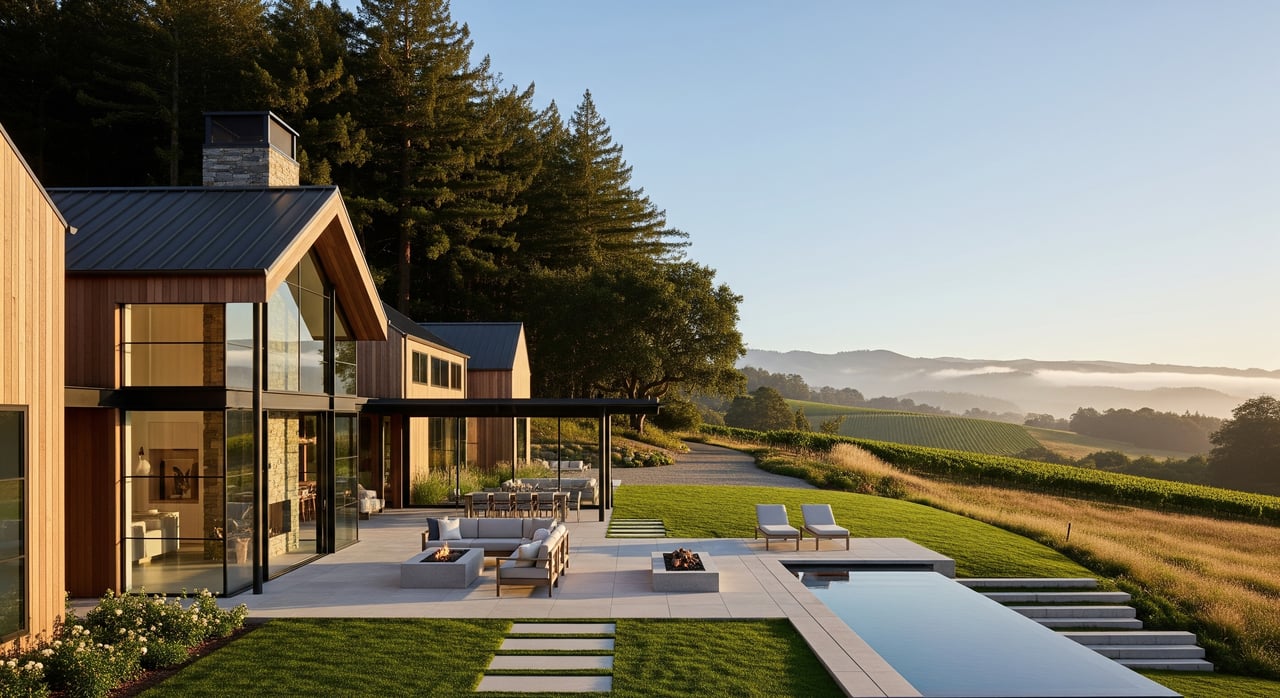
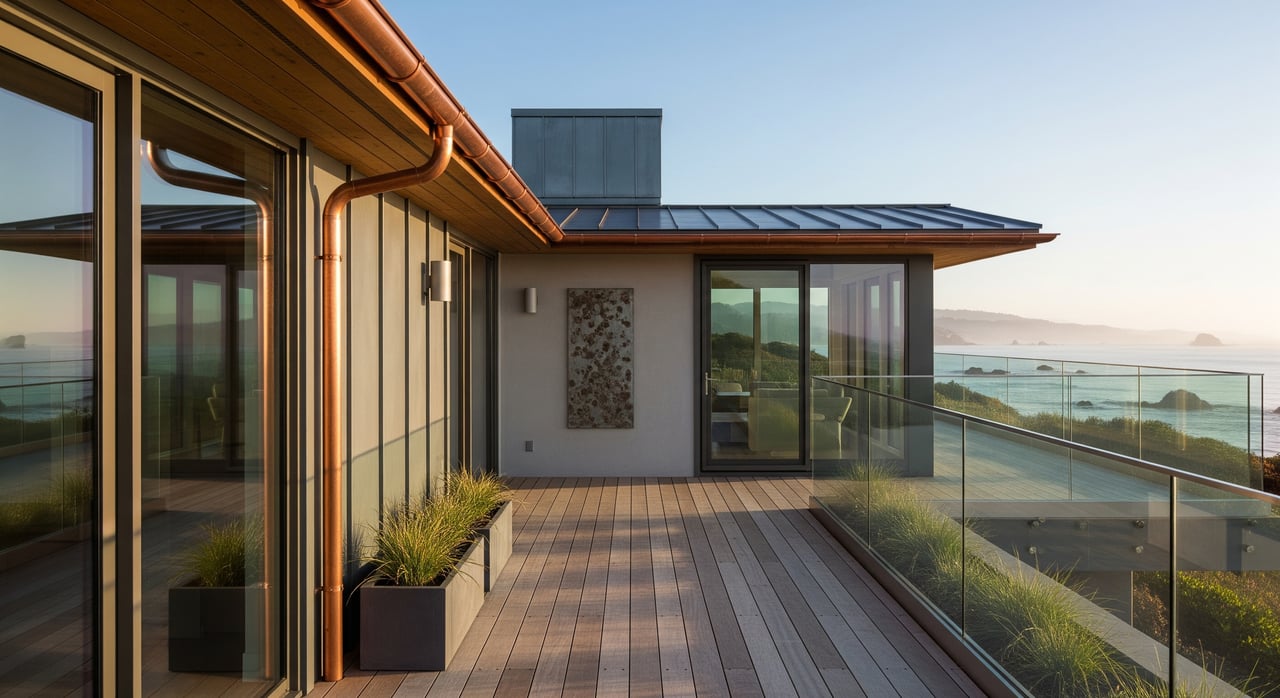
If you live in a house perched 190 feet above Portuguese Beach, that gap belongs to you before it belongs to anyone with a calendar.
The Season Nobody Staffed
The distinction matters because "whale season" as most residents hear it described is really "whale-watching season," meaning the window when someone with a clipboard is standing on Bodega Head answering questions. The whales themselves don't observe that boundary. They're visible along the Sonoma Coast during much of the year, with the heaviest concentrations passing from January through May when the northbound migration overlaps with mother-calf pairs hugging the shoreline. But the southbound leg, the one happening right now, gets almost no attention because it isn't staffed and isn't advertised.
That asymmetry is easy to verify and easy to miss. Sonoma County Regional Parks lists Bodega Head as one of the county's best whale-watching vantage points, with volunteers stationed there weekends from January through May. The Marine Mammal Center describes gray whales passing California waters from December into January on their way south, then again from mid-February through early May heading north, with the migration itself beginning as whales leave Arctic waters in September. Line those two facts up and you get a neighborhood with roughly four months of whale traffic that predates the season anyone organized a program around.
None of this requires a boat or a trip to Bodega Head. It requires knowing to look from your own deck between now and January.
| What shows up | When it actually happens near Sereno del Mar | When the organized season exists |
|---|---|---|
| Southbound gray whales | Beginning in late August and continuing through fall | Bodega Head docents staffed January through May |
| Monarch butterflies | Yards and bluffs along the coast, mid-October through early November | No formal program, just seasonal presence |
| Guided birding walks | Scheduled periodically through the year | Next walk: Saturday, September 26 |
The Birds Get Organized Before the Whales Do
The one piece of this calendar that does have a program behind it is birds, and it's happening in two days. Stewards of the Coast and Redwoods is hosting a beginner-friendly birding walk at Bodega Dunes on Saturday, September 26, from 8:30 to 11:30 in the morning, meeting at the campground parking area just off Highway 1. The walk is led by Teresa and Miles Tuffli, who according to the group's own event listing are the kind of guides who make bird-curious beginners into actual birders by the time the walk ends. It covers two to three miles of pavement and sandy trail with a few minor slopes, and a limited number of binoculars will be available for anyone who shows up without a pair.
Bodega Dunes sits a few miles south of Sereno del Mar along the same stretch of Sonoma Coast State Park, close enough that the ospreys, hawks, pelicans and quail regularly spotted from decks along Portuguese Beach are part of the same population the walk is built around. If you've been meaning to learn what you're actually looking at when something dives past your window, this is the one organized event on the calendar that matches what's already happening outside it.
While the Cart Signs Keep Disappearing
Not every piece of neighborhood texture this month involves wildlife. Sereno del Mar is small enough, and Highway 1 quiet enough in the shoulder season, that a home bakery can become neighborhood news. Nom Nom Cakes runs a roadside cart selling baked goods and custom cakes, with directional signs posted along Highway 1 and at the corner of DK Street to help drivers find it. Recently, someone has been pulling every one of those signs, repeatedly, from spots including Portuguese Beach, Schoolhouse Beach, and Coleman Valley Road, prompting the owner to ask around the neighborhood's Nextdoor group whether anyone had seen who was responsible.
It's a small mystery, and probably a mundane one by the time it resolves. But it says something real about how this stretch of coast works. A cart selling cakes needs roadside signage because Highway 1 still carries enough traffic to justify it, even in the off-season. And a few missing signs becomes a topic of actual community concern because there are few enough households here that everyone notices when something changes. That's the same dynamic that makes the whale gap and the birding walk worth paying attention to. Sereno del Mar is small enough that its rhythms are legible if you're looking, and invisible if you're not.
Monarchs Are the Next Wave, Not the Last One
The whales aren't the only migration passing through before winter. Residents along this stretch of bluff have reported monarch butterflies moving through yards and gardens from mid-October into early November, part of the broader monarch migration that passes along the California coast in fall. It's not a program, not a scheduled walk, just a window when an orange wing shows up against the fog more often than usual.
Put the three calendars next to each other and the pattern becomes obvious. Whales are already moving south. Birds have an organized walk in two days. Monarchs arrive next, sometime in the next several weeks. None of that lines up with January, which is when the tourism calendar says whale season begins. The neighborhood's actual wildlife calendar runs on its own schedule, three or four months ahead of the one printed in visitor guides.
What the Grange Calendar Says About the Quiet Weeks
The built environment keeps a similar rhythm. The Bodega Bay Grange, founded in 1952 by local fishermen, still holds a flea market one Saturday a month through summer and fall, the kind of event that only makes sense in a community small enough that a monthly market is worth mentioning by name. The Grange Hall doubles as the primary emergency shelter for this part of the coast, and its food pantry, run through Waves of Compassion Foundation, operates on the first and third Wednesday of every month, serving households across Bodega Bay, Bodega, Valley Ford, and Jenner.
A few miles south, the dinner scene kept its own pace through September. The Inn at the Tides ran a Benziger Family Winery dinner in its Winemaker Dinner Series on September 18, part of a schedule that's been rotating through local wineries all season at the property's Bay View Restaurant & Lounge. None of this is built around whale season or tourist season. It's just what continues to happen here between the two.
That's the piece worth holding onto if you live in Sereno del Mar. The version of this neighborhood that shows up in guides and rental listings runs on winter whales and summer beach days. The version that actually happens here runs earlier, quieter, and mostly unstaffed, in the weeks when a cake cart's missing signs count as news and a whale spout goes unrecorded because nobody official was looking. If you know the real calendar, you get four extra months of the thing everyone else is waiting for.
Sonoma Coast Living has spent more than four decades tracking these overlapping seasons along this exact stretch of coast, from the first quiet whale sightings in September to the docents who finally show up in January. For more on what's actually happening in Sereno del Mar and the neighborhoods around it, visit Sonoma Coast Living.