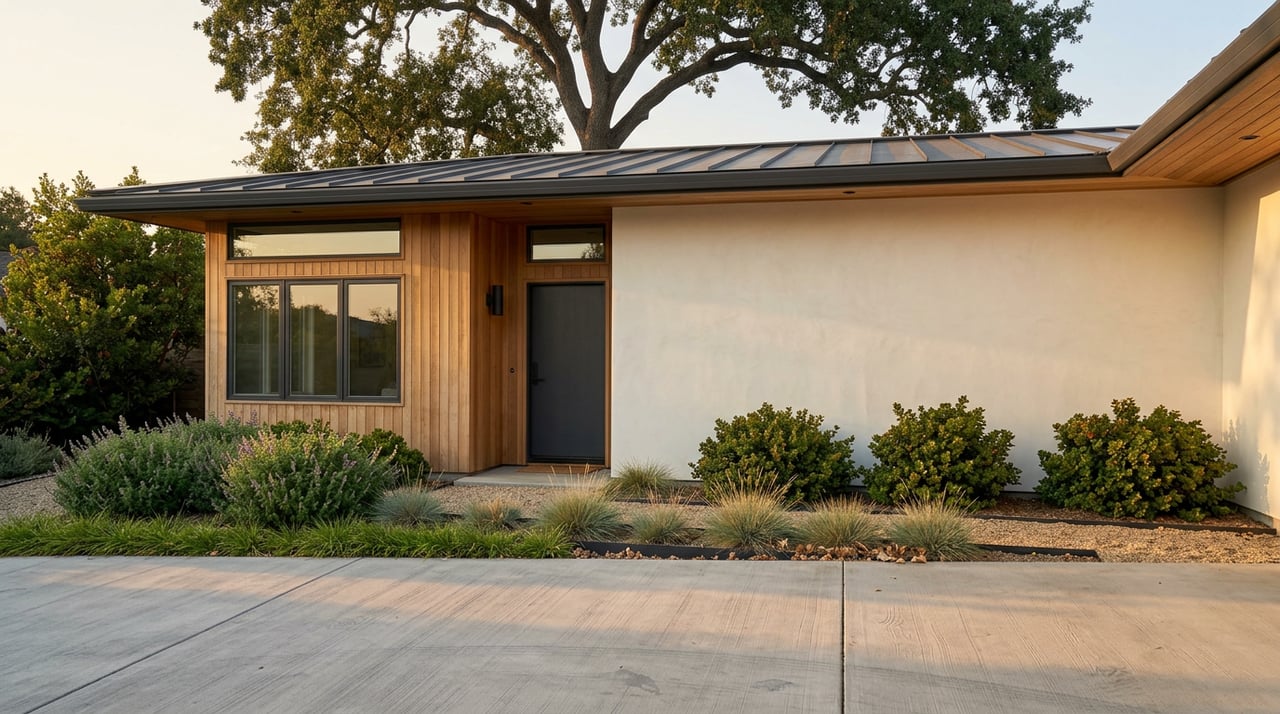
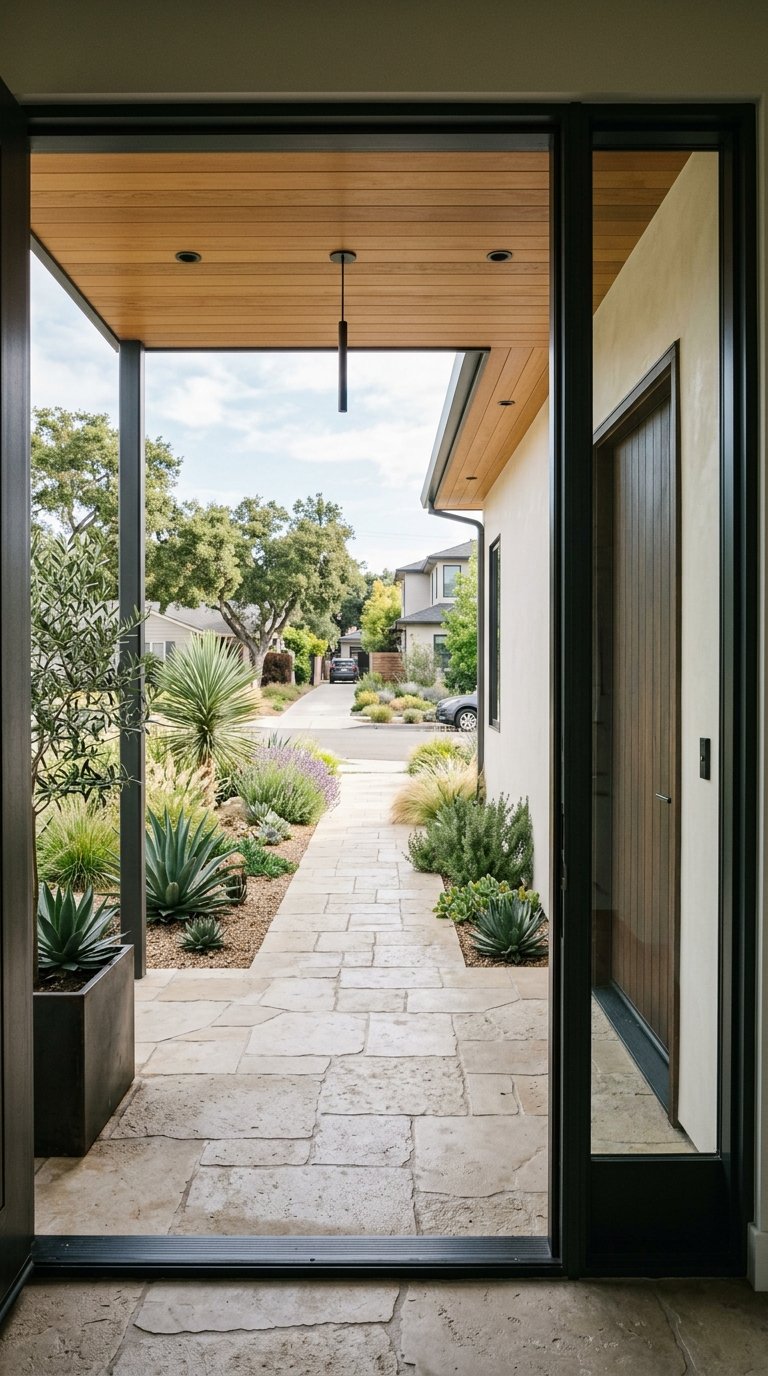
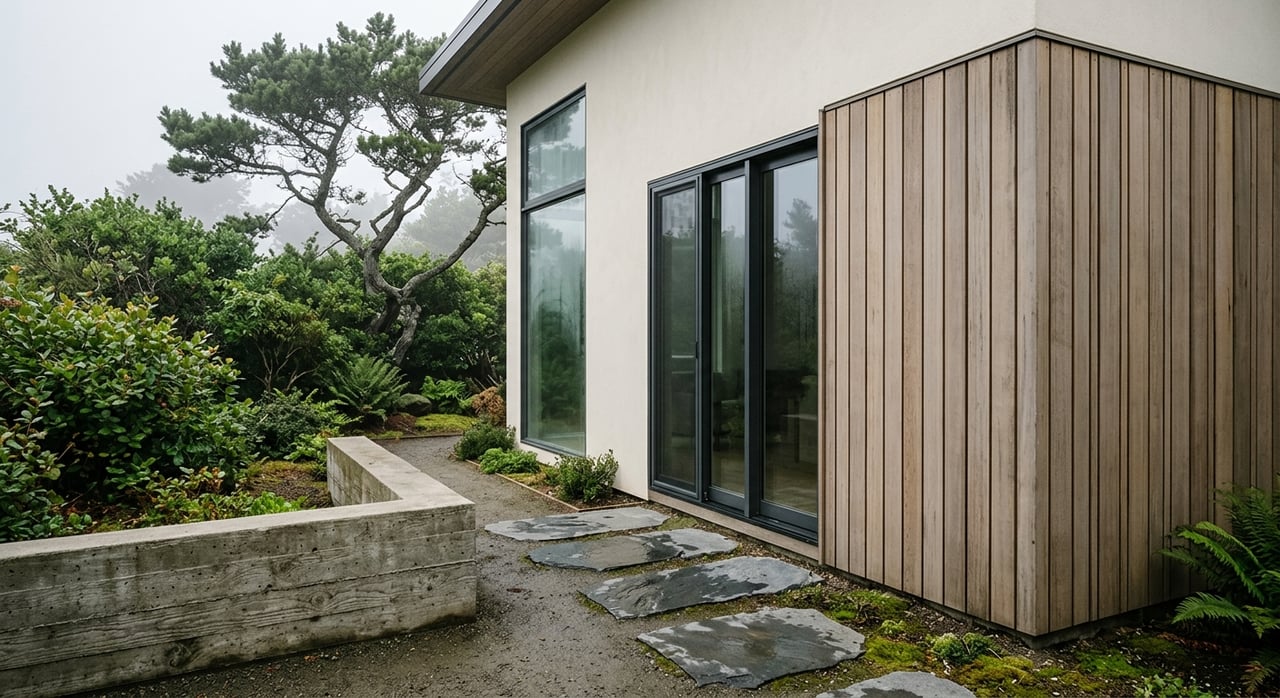
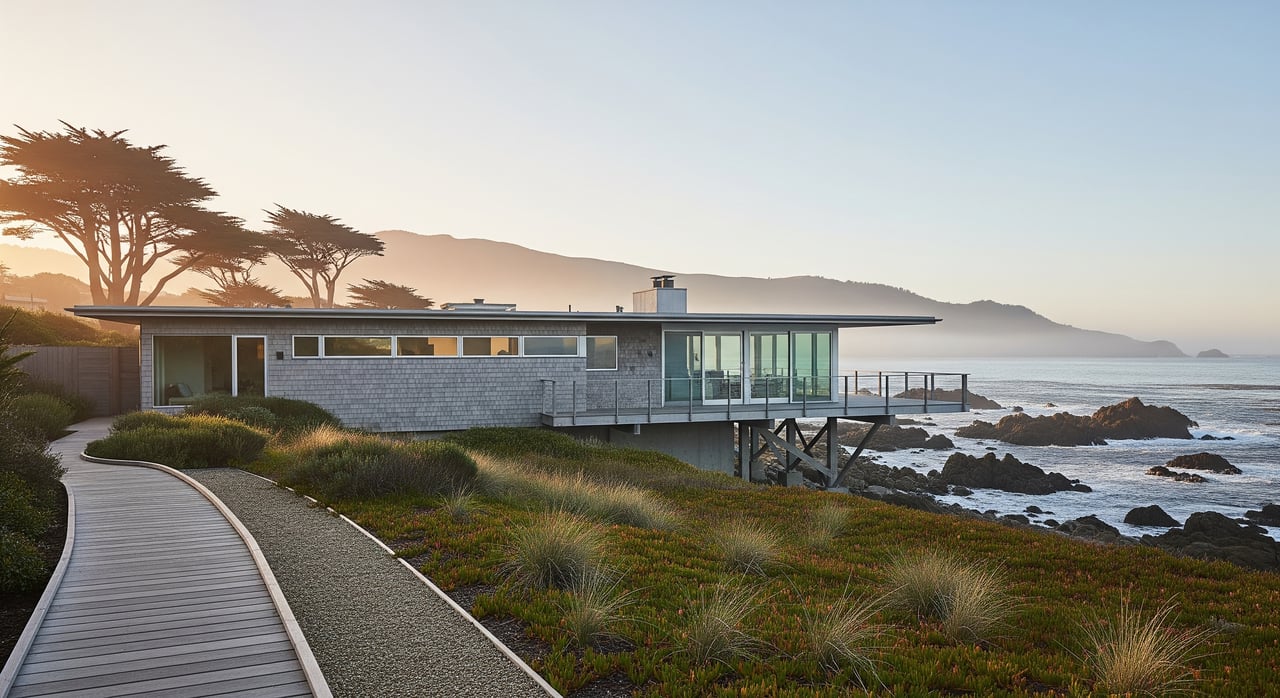
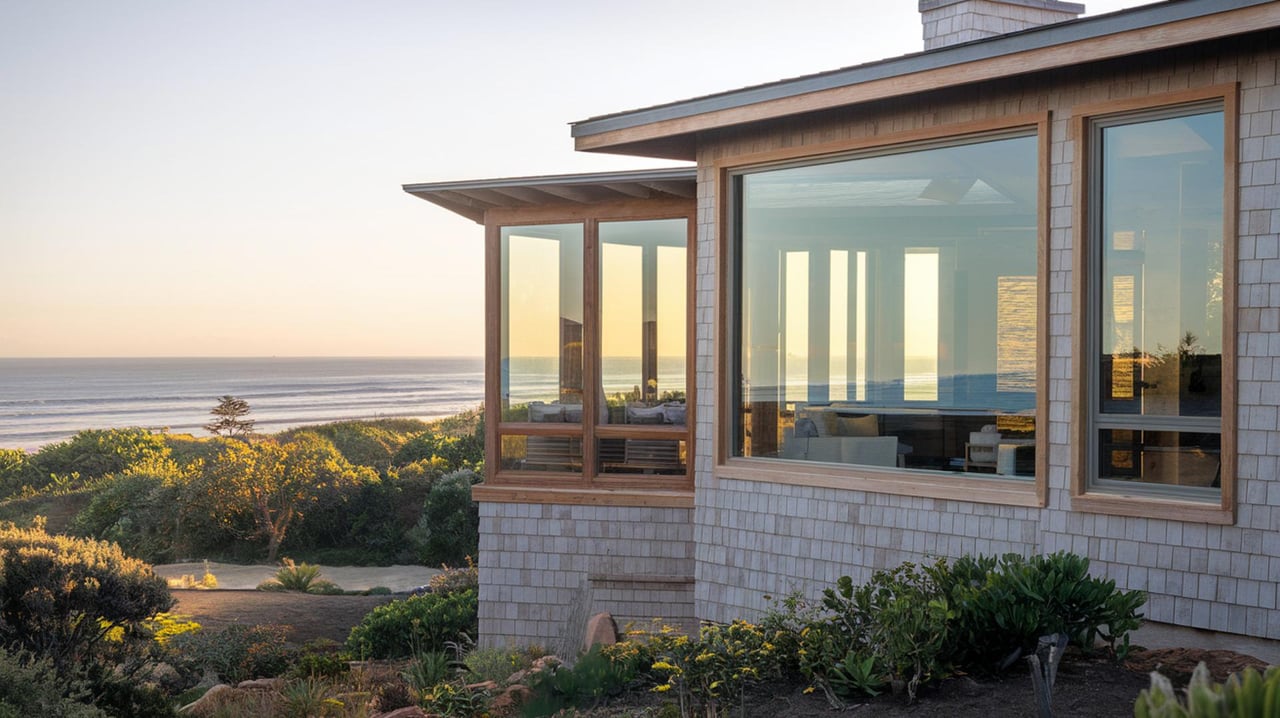
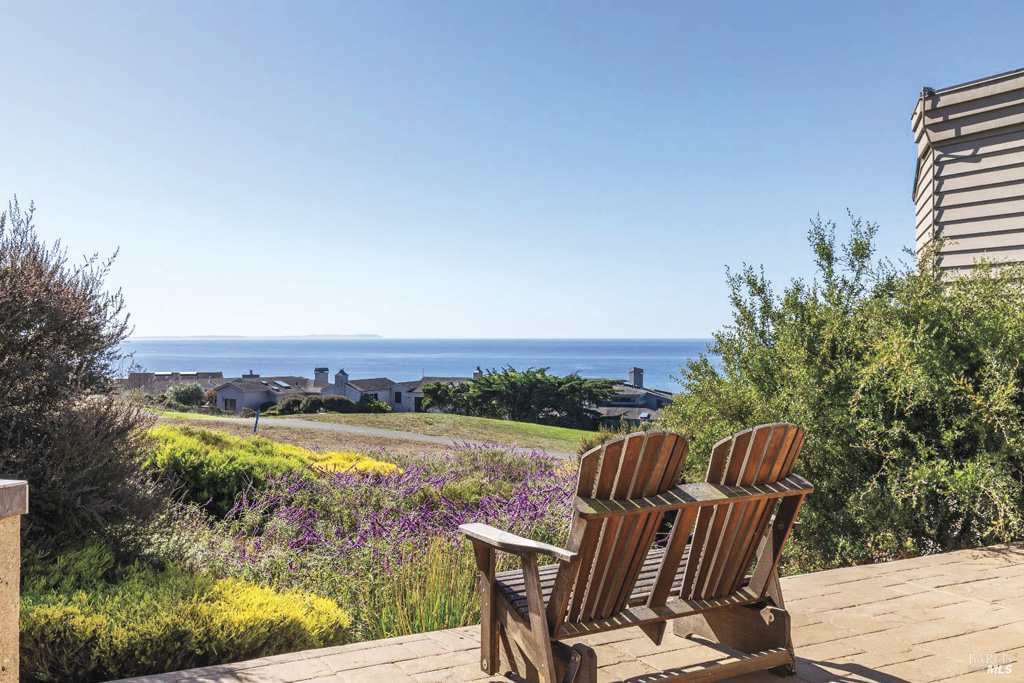
A Bodega Bay home that has hosted guests for years can come to market with a lot of paperwork: booking calendars, occupancy-tax receipts, guest reviews and a few seasons of income. Under Sonoma County's coastal rules, almost none of it gives the buyer the right to keep renting the house. The rental history transfers to the buyer. The permission to rent stops at the closing table.
For an income-minded buyer looking at the coast in late 2026, what matters is whether the county will license the buyer and what the buyer has to file before the next guest checks in.
The two sentences in the county code that matter most
Sonoma County adopted rules for vacation rentals in the coastal zone on September 26, 2023. The California Coastal Commission unanimously certified them on April 11, 2024, and on that date coastal rentals became subject to the same permit system that already applied inland.
The coastal section of the code, Sec. 26C-325.10, requires both a zoning permit and a vacation rental license. It then makes an exception for rentals that were already operating, and puts a time limit on that exception:
"A vacation rental permit is not required until the parcel transfers ownership if the vacation rental was legally operated between October 26, 2018, and October 26, 2023, as demonstrated by payment of transient occupancy tax and additional documentation as required by the Department."
A few lines later it adds:
"A vacation rental permit automatically expires upon sale or transfer of the parcel."
Together, these sentences mean the long-running Bodega Bay rental, the one with the best track record, keeps its exemption only as long as the current owner holds it. At closing, the exemption ends and the property becomes a new rental under the code. Any permit the seller did get also expires automatically at the sale. In either case, the buyer starts the application from scratch.
What changes hands at closing, and what doesn't
| Item | Does it carry to the buyer? |
|---|---|
| The structure, its bedrooms and its parking | Yes |
| Booking history, reviews, past occupancy-tax payments | Yes, as records |
| The seller's exemption from the zoning permit for a rental operated 2018–2023 | No, it lasts only "until the parcel transfers ownership" |
| Any vacation rental zoning permit | No, it "automatically expires upon sale or transfer" |
| The annual vacation rental license | No, the license goes to a property owner, and the buyer applies in their own name |
The income numbers in an offering packet still mean something. They show what the house earned for the seller under the seller's authorization. The buyer's income depends on a new approval, so the buyer's own eligibility belongs in the analysis from the start.
The county decides who can apply next
Here the rules start to decide who is in the buyer pool. The vacation rental license ordinance, Ordinance 6427, sets these requirements for the licensee:
- The licensee must be a property owner. If the property is held in trust, the trustee may apply on behalf of the trust beneficiaries.
- "All property owners must be individuals." The ordinance defines an individual as "a natural person." Its broader definition of "person" lists entities such as limited liability companies, partnerships and corporations separately.
- Each property owner must consent to the application.
- "A property owner may only have an ownership interest in one licensed vacation rental at a time."
The ordinance exempts nonconforming rentals that were legally operating, or had a land use permit application accepted, before June 16, 2023, from the individuals-only rule and the one-rental rule. That exemption explains why the county's March 2025 license log still shows Bodega Bay licenses held by family trusts and a family limited partnership. Those entries describe rentals as they were already set up. They don't show what a new buyer can do. How the June 2023 cutoff applies to a particular coastal property, given the coastal code's own 2018–2023 window, is something to confirm with Permit Sonoma for that address.
These rules change who can buy a coastal rental and keep it running. Unless the property falls under that pre-June 2023 exemption, the individuals-only rule leaves no room for an LLC as a property owner on a license. A buyer who already holds an interest in a licensed vacation rental elsewhere in unincorporated Sonoma County would run into the one-at-a-time rule. The buyer who fits the code most easily is an individual, or a trust applying through its trustee, who holds no other licensed rental. That narrower pool is the one a listing priced on rental income has to reach.
What a new owner files, and what it costs this fiscal year
The coastal rules also limit which homes can rent at all. A vacation rental is allowed only in a detached single-family home, or that home together with its legally established guest house. The Coastal Commission's staff report notes that accessory dwelling units, junior ADUs, timeshares and designated affordable or agricultural housing are excluded. Occupancy is capped at two guests per bedroom plus two per property, never more than 12, and the cap is subject to septic capacity. Required parking has to be on-site, except that one space may be on the street. A home with no on-site parking is limited to four guests, and the county can't issue a permit where there is neither on-site parking nor on-street parking within 500 feet of the parcel. A four-bedroom house that once hosted 14 people would now top out at 10, or fewer if its septic system sets a lower number.
Once eligibility and the house itself pass, the filings for fiscal year 2026–27 under Permit Sonoma's Project Review fee schedule, effective July 1, 2026, look like this:
- Zoning Permit Level II, including Vacation Rental: $915. For a rental that was grandfathered under the seller, this is the step the sale triggers.
- Vacation rental license, new or annual renewal: $458. The license is renewed every year. The zoning permit stays active until the property changes ownership again.
- Vacation Rental Property Manager Certification: $153. Every vacation rental must be managed by a certified property manager.
The manager requirement affects day-to-day operations more than the fees do. The certified manager has to be an individual who completed the county's training and passed its test; a management company can't hold the certification itself. The manager has to be reachable at all times while guests are in the house. After a complaint, the manager must contact the guests within one hour between 7 a.m. and 9 p.m., and within 30 minutes overnight, then report the complaint and how it was resolved within 24 hours. Neighbors can reach Permit Sonoma's complaint hotline at 707-875-6619 at any hour. For an owner living in the Bay Area, this means the manager's phone matters more than the owner's.
The tax side hasn't changed. The transient occupancy tax in unincorporated Sonoma County is 12 percent, set in 2016 by voter-approved Measure L, according to a September 2025 county report.
Homes in Bodega Harbour also have association rules on top of the county's. The Bodega Harbour Homeowners Association approved its Rules, Procedures & Fines policy in February 2022 and keeps the text in its member documents, according to the association's May 2022 newsletter. A buyer needs both sets of rules before treating any income figure as their own.
Why the river towns work differently, for now
The coast's rules require a new application at every sale. Some inland areas have a stricter system. In an April 2024 status report, county staff listed 11 cap areas where vacation rentals are limited to 5 percent of homes, and said every one except Rio Dell was already over the limit. Monte Rio was at 13 percent, Austin Creek at 14 percent and Hughes Chicken Colony at 17 percent. Staff wrote that rental numbers there "will decrease over time, as changes in ownership phase out non-transferrable permits," and that new applicants go on a waiting list "with no guarantee of future permit issuance."
In a capped area, a sale can end a home's life as a rental. On the coast, a sale means a new application, and an eligible buyer can apply because the coast has no cap. The Coastal Commission's April 2024 staff report described the coastal rules as "a start towards a more robust VR regulatory program." It said limits like caps could be pursued later, "including through a future community planning process." The Sonoma County Coast Municipal Advisory Council's November 20, 2025 agenda packet included a discussion of a 2026 community engagement plan. The packet also carries minutes from the council's September 18, 2025 meeting, where a public comment linked growth in short-term vacation rentals to local housing difficulty.
Quick answers
Can the seller's license be assigned to me in the purchase contract?
The license is issued to a property owner who meets the ordinance's requirements, and the coastal permit expires automatically at sale. The buyer applies in their own name.
Can I rent the ADU and live in the main house?
Not as a vacation rental under the coastal rules. Only a detached single-family home, or that home with its legally established guest house, qualifies.
Does the house's past occupancy-tax history help me?
It shows how the house performed under the seller. The coastal exemption tied to that history lasts only "until the parcel transfers ownership."
This post is general information, not legal, tax or financial advice. Please confirm how these rules apply to a specific property and ownership setup with Permit Sonoma and with your own attorney or tax advisor.
If you're considering a Bodega Bay home partly for its rental income, start with the license question and the ownership structure before you look at income figures. At Sonoma Coast Living, we have run vacation rentals on this coast for decades through Bodega Bay & Beyond, and we're glad to go through how a specific property has been operated, and what a new owner would need to file, before you write an offer.